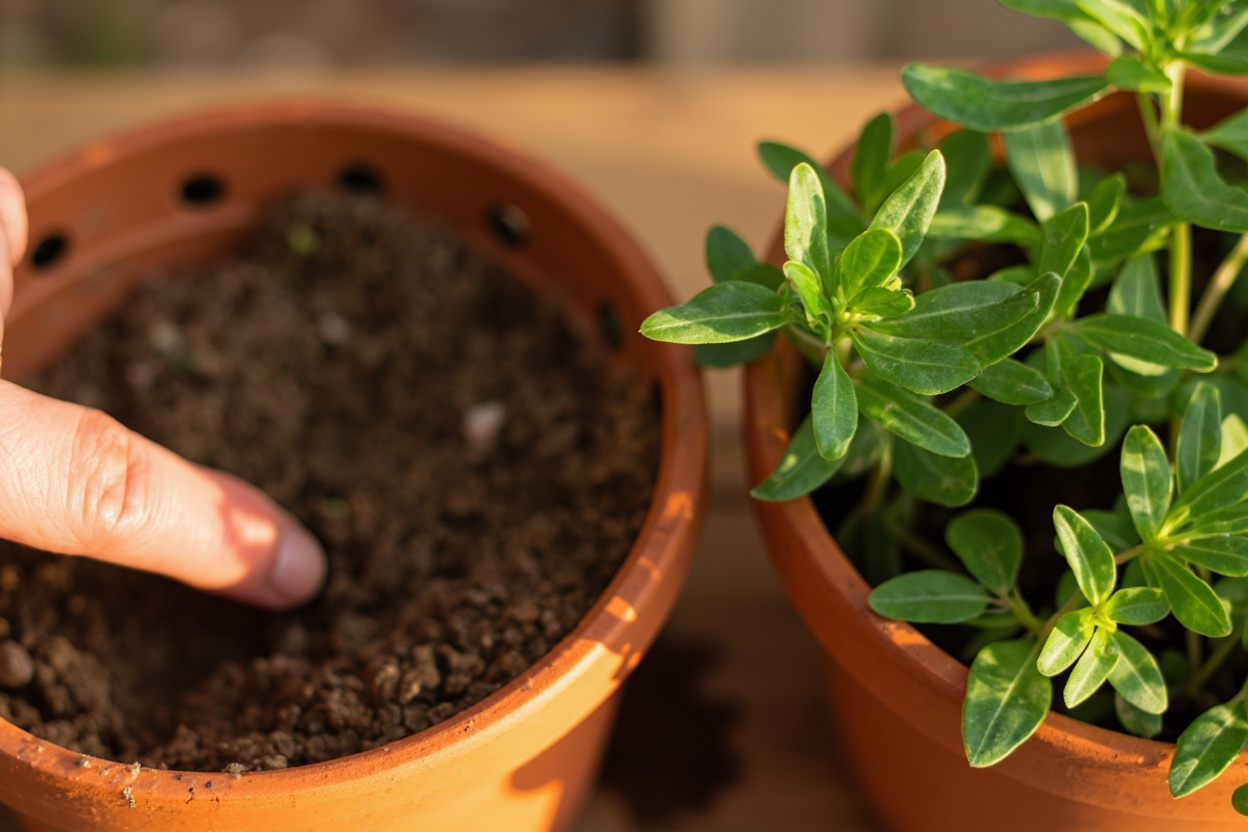
Agalonema need soil that holds moisture but drains fast — a combination that standard potting mix does not provide out of the bag. Their thick, fleshy rhizomes store water but rot quickly in saturated soil. The right mix is loose, chunky, and airy, with enough organic matter to hold moisture between waterings but enough inorganic material to let excess water drain freely.
The Ideal Aglaonema Soil Mix
The care guide covers the full routine. For comparison, the calathea soil guide covers similar principles for another tropical aroid.
A good aglaonema mix is one part standard potting soil, one part perlite, and one part orchid bark (small chips). The potting soil provides moisture retention and nutrients. The perlite creates air pockets and speeds drainage. The orchid bark adds chunky structure that prevents compaction and mimics the airy, organic debris the plant grows in on the tropical forest floor.
If you do not have orchid bark, use two parts potting mix to one part perlite. The goal is a mix that feels light and crumbly, not dense and heavy. When you squeeze a handful, it should hold together loosely and fall apart when poked — not form a tight ball.
Do not use garden soil or heavy compost-based mixes. They compact in pots, drain poorly, and suffocate the rhizomes. Commercial “aroid mix” or “tropical houseplant mix” works well if you can find it — these are typically based on bark and perlite with minimal peat.
Pot Size and Drainage
Choose a pot with drainage holes — this is non-negotiable for aglaonema. A pot without holes traps water at the bottom and guarantees root rot. Terracotta pots are ideal because the porous clay wicks moisture from the soil, reducing the risk of overwatering. Plastic and glazed ceramic pots work but require more careful watering.
Agalonema are slow growers and prefer to be slightly root-bound. A pot that is 2 to 3 cm (1 inch) larger in diameter than the root ball is ideal. Oversized pots hold too much wet soil and increase rot risk. Repot every two to three years in spring, moving up one pot size.
When repotting, inspect the rhizomes. Healthy rhizomes are firm and white or pale tan. Soft, dark, or mushy rhizomes indicate rot — cut them away with a clean knife and dust the cuts with cinnamon before repotting in fresh, dry mix.
pH and Nutrient Needs
Agalonema prefer slightly acidic to neutral soil, pH 5.5 to 6.5. Most commercial potting mixes fall within this range. If your water is very hard (alkaline), the soil pH rises over time. A annual top-dress of fresh compost or a dose of acidic fertilizer (formulated for azaleas or camellias) corrects the drift.
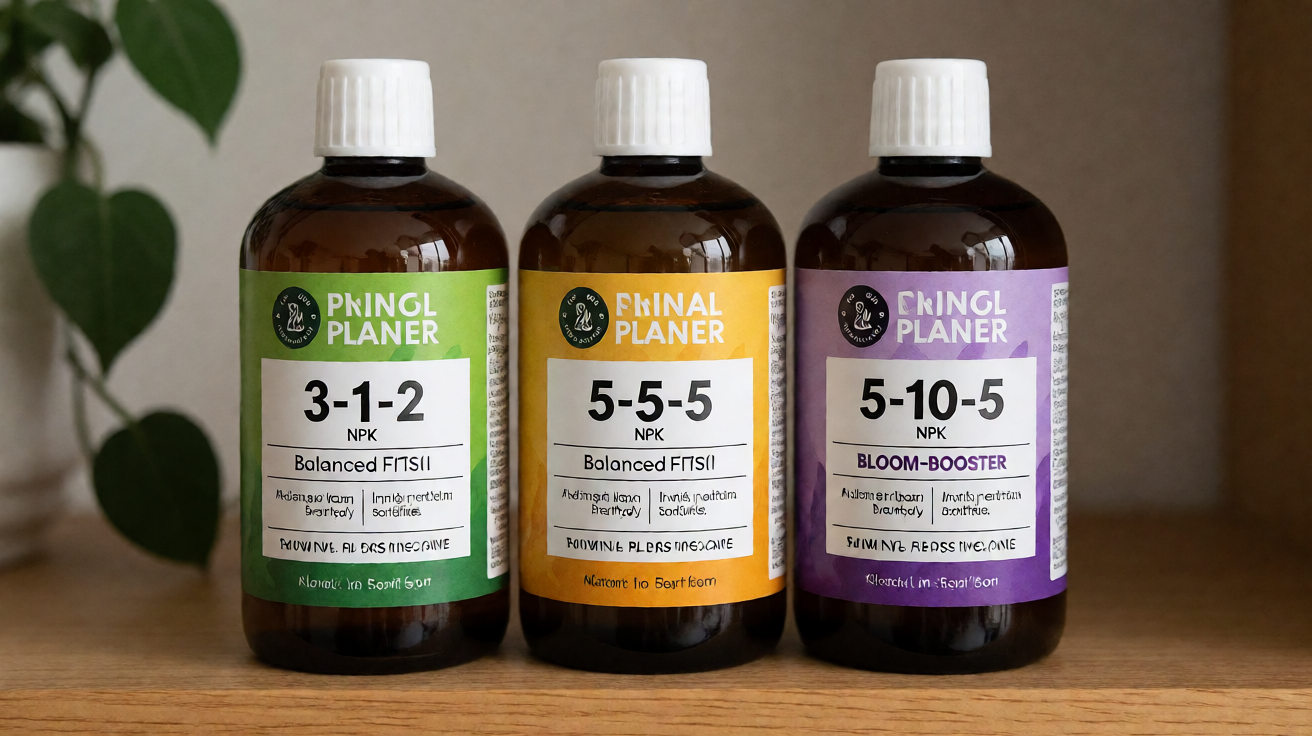
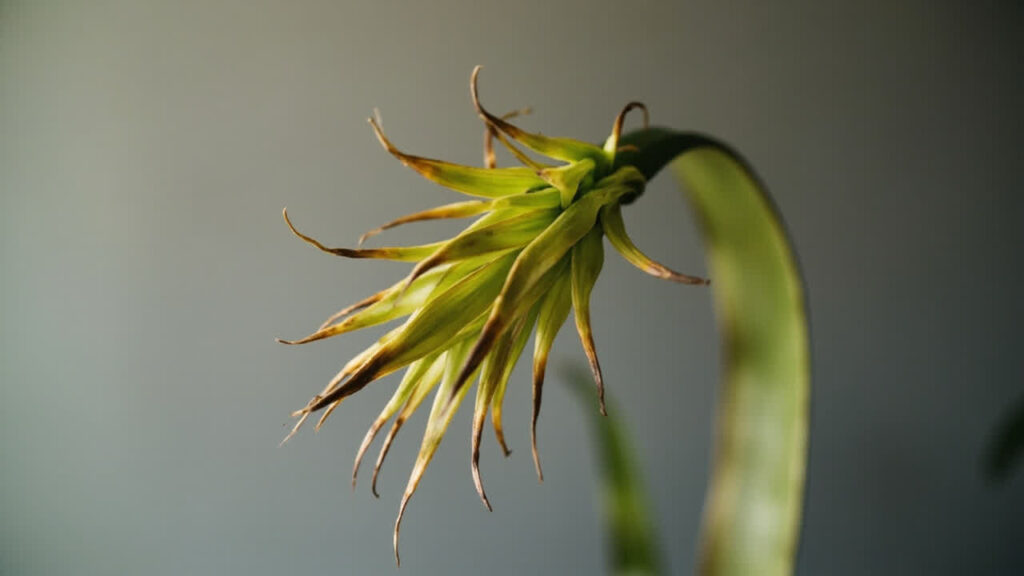
Feed monthly during the growing season with a balanced liquid fertilizer (equal N-P-K) at half the label strength. Agalonema are light feeders — too much fertilizer causes brown leaf tips and salt crust on the soil surface. Do not fertilize in winter.
Signs Your Soil Is Wrong
Water pools on the surface for more than a few seconds before draining: the mix is too dense. Repot with more perlite and bark.
The plant wilts despite wet soil: the roots are rotting in waterlogged conditions. Remove from pot, trim dead roots, repot in fresh dry mix.
White or yellow crust on the soil surface: salt buildup from hard water or over-fertilizing. Flush the soil with three potfuls of clean water and reduce fertilizing frequency.
The soil pulls away from the pot edges when dry: the mix has become hydrophobic. Soak the pot in a basin of water for 20 minutes to rehydrate, then water normally going forward.
From PDF to Excel in one click
Forget retyping line by line. Upload any bank statement, get a spreadsheet you can actually use. Your files are never stored, and you can test the converter with 3 free conversions.