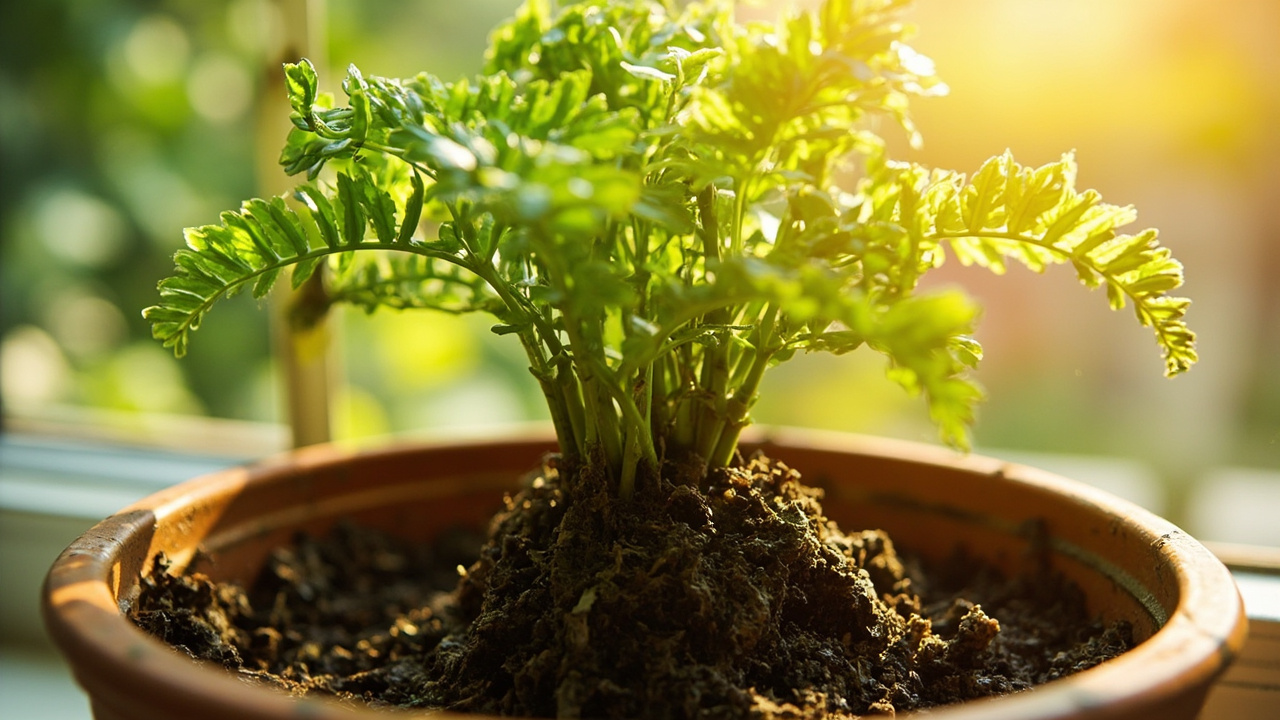
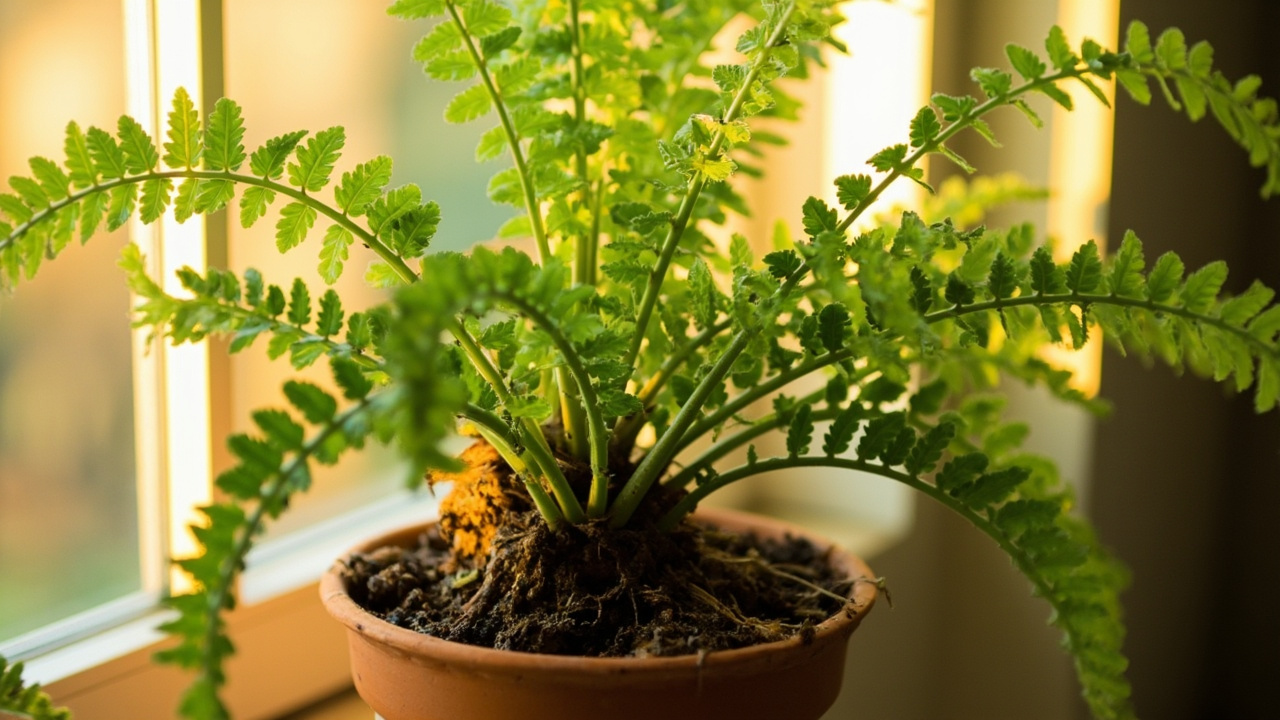
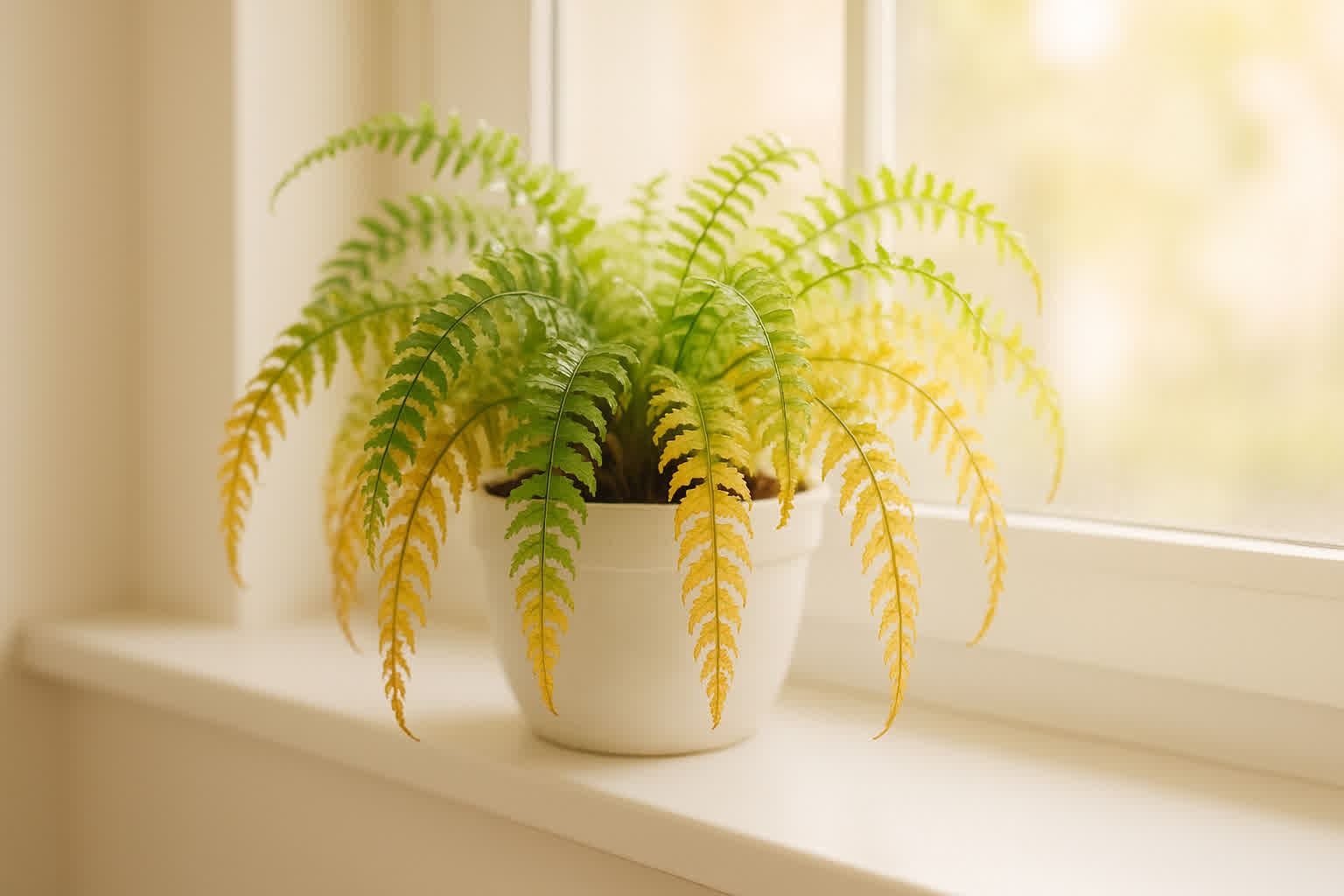
Ferns have a reputation for being difficult. That reputation is not earned by the plants — it is earned by the conditions most homes give them. A fern placed in a dry corner near a heating vent will brown and crisp within a week, which makes people think they killed a delicate plant. In reality, they placed a humidity-loving plant in one of the worst possible spots for it. The plant was not delicate. It was simply in the wrong room.
Ferns are forgiving in the ways that matter for beginners: they tolerate inconsistent watering better than most tropical houseplants, they recover from mild drought without lasting damage, and they do not need precise fertilizing schedules. What they are specific about is humidity and air movement. Get those two right and the rest of fern care becomes straightforward. If you are new to indoor plants generally, the fern plant care guide covers watering, humidity, and feeding in detail.
This guide covers the five fern varieties that perform best in average home conditions — not greenhouse conditions, not a bathroom with constant steam, just the regular rooms most people live in. Each one has a specific reason it works better for beginners than the common alternatives.
Boston Fern and Bird’s Nest Fern : The Most Forgiving Starters
These two ferns share a key trait: they give clear visual signals before they are in crisis, which gives beginners time to respond. Both tolerate a wider range of humidity and light than most other fern varieties, and both recover from mild underwatering without permanent damage.
Boston Fern (Nephrolepis exaltata)
Boston fern is the most forgiving common fern for home growing. It tolerates lower humidity than most tropical ferns — down to around 40% relative humidity — without immediately browning. It adapts to a range of light conditions from bright indirect to moderate indirect, and it recovers quickly from mild underwatering.
What makes it genuinely beginner-friendly: even when it is slightly unhappy, it shows it gradually rather than all at once. A Boston fern that needs more water will slightly droop before it browns — giving you a clear, visible signal to act on. A Boston fern that is getting too dry will soften its fronds before they crisp. This warning system gives beginners time to correct the problem before permanent damage occurs.
The trade-off: Boston ferns grow quickly and need repotting every one to two years. They also drop leaf debris — fine pinnae that fall from the fronds and collect on surfaces below. If you want a low-maintenance look with no mess, Boston fern is not the right choice.
Bird’s Nest Fern (Asplenium nidus)
Bird’s nest fern grows differently from most ferns — its fronds emerge from a central rosette, giving it a sculptural, vase-like shape rather than the arching, cascading look of Boston fern. It tolerates lower humidity better than many ferns (down to about 40–50% RH) and handles inconsistent watering with less drama than Boston fern. It also tolerates lower light conditions, making it one of the best choices for rooms that do not get much natural light.
What makes it genuinely beginner-friendly: it does not drop debris, it keeps its shape without regular trimming, and it tells you clearly when it needs water by slightly drooping its newest fronds. It also tolerates tap water with higher mineral content — many ferns brown from fluoride and chlorine in tap water, but bird’s nest fern is more tolerant of it.
Kangaroo Paw Fern and Staghorn Fern : Low-Maintenance Alternatives
These two ferns are the best choices for people who travel frequently, tend to forget watering, or live in dry homes without humidifiers. They are structurally different from Boston and bird’s nest fern — one grows upright with leathery fronds, the other grows mounted on wood rather than in a pot.
Staghorn Fern (Platycerium)
Staghorn fern is epiphytic — it grows mounted on wood or bark rather than in a pot with soil. This makes its watering needs fundamentally different from potted ferns. It is mounted and watered by soaking, not by watering the soil. For beginners who find watering schedules confusing, this simplicity is an advantage.
What makes it genuinely beginner-friendly: it cannot be overwatered in the traditional sense (you soak it and let it dry), it tolerates a range of humidity levels, and it does not need repotting. It grows to a fixed size based on its mount and does not become root-bound or need frequent division.
The trade-off: it looks unusual and does not fit every interior aesthetic. It needs bright, indirect light and a consistent soaking schedule — but once you learn the rhythm of soaking it every seven to ten days, it is extremely low-maintenance.
Kangaroo Paw Fern (Microsorum diversifolium)
Kangaroo paw fern has distinctive, leathery fronds that grow in an upright, paw-like pattern rather than arching. It tolerates lower humidity and less frequent watering better than most ferns, making it one of the best choices for beginners who travel or who tend to underwater their plants. It tolerates temperatures between **50°F and 80°F (10°C and 27°C)** and handles inconsistent care better than Boston fern.
What makes it genuinely beginner-friendly: it tolerates a wider range of conditions than almost any other fern variety, it does not drop debris, and it grows slowly so it rarely needs repotting. Its fronds are thicker and more resistant to browning than the delicate fronds of Boston or maidenhair fern.
The One Fern to Skip as a Beginner
Maidenhair fern (Adiantum) is not beginner-friendly despite its delicate appearance. This is worth stating clearly: maidenhair fern needs humidity above 60% and consistent moisture — conditions that most homes cannot maintain without daily intervention.
If you have a consistently humid bathroom or a closed terrarium setup, maidenhair can work. Otherwise, skip it until you have more experience maintaining humidity levels. The frustration of watching a beautiful maidenhair decline despite your best efforts is a needless beginner detour.
How to Choose the Right Fern for Your Specific Conditions
The single most important factor in choosing a fern is not the variety — it is the room. Before you buy, assess three things: average humidity level (higher in bathrooms and kitchens, lower in heated living rooms), available light (south-facing windows give the most light, north-facing give the least), and whether you travel frequently or tend to water inconsistently.
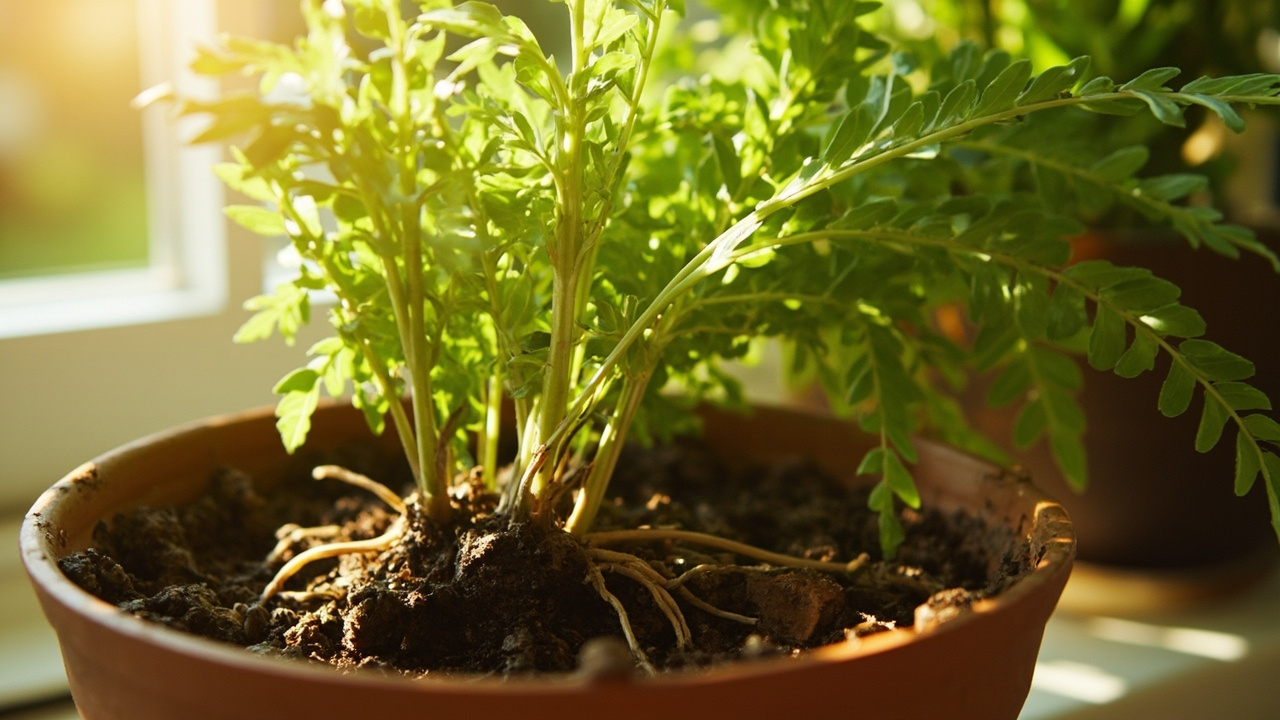
For high-humidity rooms (bathroom with a window, kitchen): Boston fern and bird’s nest fern will thrive with minimal extra effort. For average-humidity rooms: kangaroo paw fern and staghorn fern are the most forgiving. For low-humidity, dry rooms: avoid maidenhair and most tropical ferns — start with kangaroo paw fern or bird’s nest fern and increase humidity with a pebble tray.
For low-light rooms without much natural window light: bird’s nest fern is the best choice. It tolerates moderate indirect light and will not brown as quickly as Boston fern in dim conditions. Kangaroo paw fern is a secondary option for low light.
If you travel frequently or tend to forget watering: kangaroo paw fern is the clear choice. Staghorn fern is also good because its soaking schedule is easy to remember and execute on a timer.
The One Thing That Will Kill Every Fern
Heating vents and radiators. A fern placed within 3 feet of a heating vent will brown and crisp faster than almost any other mistake you can make with indoor plants. The dry, forced air strips moisture from the fronds faster than the roots can supply it. No amount of watering compensates for this. The fix is simple: never place ferns near heating vents, radiators, or fireplaces. If your only good light spot is near a heating vent, use a staghorn fern on a mounted board away from the vent, or accept that you will need to run a humidifier continuously in that spot.
All four ferns on this list will reward you for getting the humidity and placement right. Boston fern gives you the classic cascading look and the most forgiving nature. Bird’s nest fern gives you architectural shape with minimal drama. Staghorn fern gives you something conversation-worthy that grows interestingly over time. Kangaroo paw fern gives you reliability and tolerance for imperfect conditions. Choose based on the room you have, not the plant you wish you could keep in a room you do not have. For detailed care of whichever fern you choose, see the fern plant care guide. If you already have a struggling fern, learn how to save it before you buy.
Turn PDF Bank Statements Into Workable Spreadsheets
Your bank statement is a mess of numbers, but your books shouldn't be. Use our converter to get Excel, CSV, or QBO files — ready for QuickBooks.
Try It Free Now