Fern care is not a set-it-and-forget-it routine. What a fern needs in July is different from what it needs in January, not because ferns are complicated, but because the conditions they live in change with the seasons. Light levels shift, indoor heating changes humidity, and the plant’s growth rate slows and accelerates. A fern that is perfectly happy in January can look stressed by July if you are watering it the same way.
The most common fern mistake is not seasonal care per se — it is applying summer habits in winter. Overwatering in winter is the single most damaging error. Ferns slow their growth in fall and winter as light decreases and temperatures drop, which means they use less water. Watering at the same frequency in December that you use in July drowns the roots in cold, wet soil for weeks at a time.
This guide walks through what changes in each season and what specifically to adjust. The adjustments are small, but they make the difference between a fern that just survives winter and one that comes out of it looking stronger.
Spring : The Active Growing Season Begins
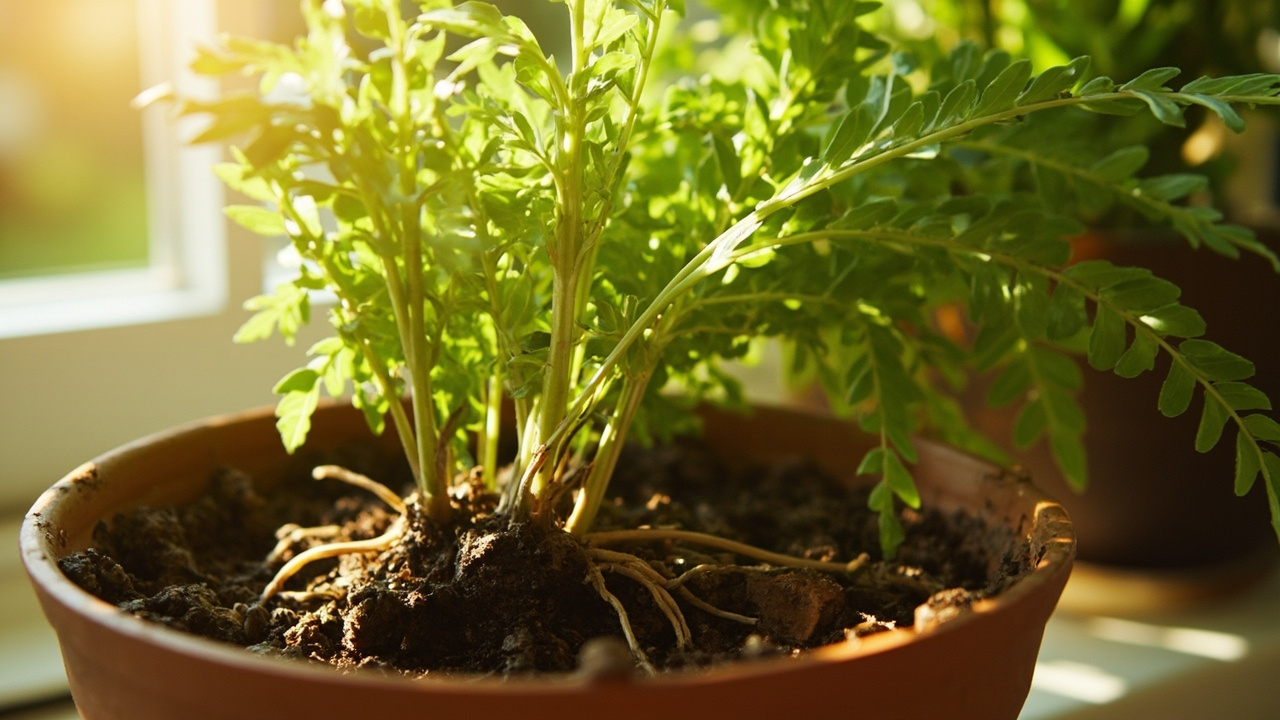
Spring is when ferns wake up. As light levels increase and temperatures stabilize, fronds that have been semi-dormant through winter begin producing new growth from the center. This is the time to resume normal watering, restart fertilizing, and assess whether the plant needs repotting before the main growing season pushes it to fill its pot.
What to do in spring: increase watering frequency gradually as you see new fronds emerging — do not jump from winter sparse watering to heavy summer watering overnight. Resume fertilizing at half strength when new growth is visible. If roots were circling the pot or emerging from drainage holes in winter, this is the ideal time to repot into a slightly larger container with fresh mix. Spring repotting gives the plant the full growing season to establish in the new pot.
What new growth tells you: new fronds that emerge healthy and unfurling from the center indicate the plant is coming out of winter dormancy well. New fronds that emerge yellow, stunted, or distorted may indicate the root system is struggling — check the roots when you repot or if you are not repotting, consider whether the soil needs refreshing.
Summer : Peak Growth and Increased Water Demand
Ferns grow fastest in summer. Warm temperatures, long days, and bright light accelerate growth and water consumption. A fern that needed watering once a week in spring may need watering two or three times a week in peak summer, depending on the pot size, the humidity, and the specific room.
What to do in summer: water when the top inch of soil is dry, which in summer may be every two to three days for small pots in bright rooms. Monitor more closely than you think you need to — summer fern decline usually comes from underwatering, not overwatering. The trade-off: in very hot conditions (above **85°F / 29°C**), some ferns slow their growth even though light is abundant. If your fern stops producing new fronds in midsummer despite good light, the temperature may be too high — move it slightly away from direct sun and increase air circulation.
Summer is also when pest populations build. Spider mites, in particular, reproduce fastest in warm, dry conditions. Check the undersides of fronds every two weeks and treat any sign of stippling or webbing immediately.
Browning in Summer : The Most Common Summer Problem
Brown frond tips and edges are common in summer and are usually caused by low humidity from air conditioning or fans, rather than inconsistent watering. Even in homes with good overall humidity, the air immediately around a fern in the direct path of AC or a floor fan can be 15–20% drier than the rest of the room.
If browning appears in summer: check whether the fern is in a direct airflow path. Move it away from AC vents and fans. Use a humidity tray (pebbles + water beneath the pot, not sitting in water) to boost local humidity. Mist the fronds daily in the morning — this is one of the few times misting actually helps, because the goal is raising humidity around the fronds temporarily, not watering the roots.
Fall : Slowing Down Gradually
Fall is a transition that surprises many fern owners. Light decreases, days shorten, and the plant’s growth naturally slows. A fern that was drinking heavily in August may need only half as much water by October. The error most people make is continuing summer watering frequency as fall progresses.
What to do in fall: reduce watering frequency gradually as growth slows — watch for the plant not using water as quickly, which shows as soil staying wet longer between waterings. Stop fertilizing by mid-fall. Move ferns away from windows as nighttime temperatures drop — cold glass against fronds in October can cause browning that looks like pest damage or underwatering. The first cool draft through a windowpane often causes ferns to drop a few outer fronds, which is normal, but if the entire plant declines quickly, the roots may have been chilled.
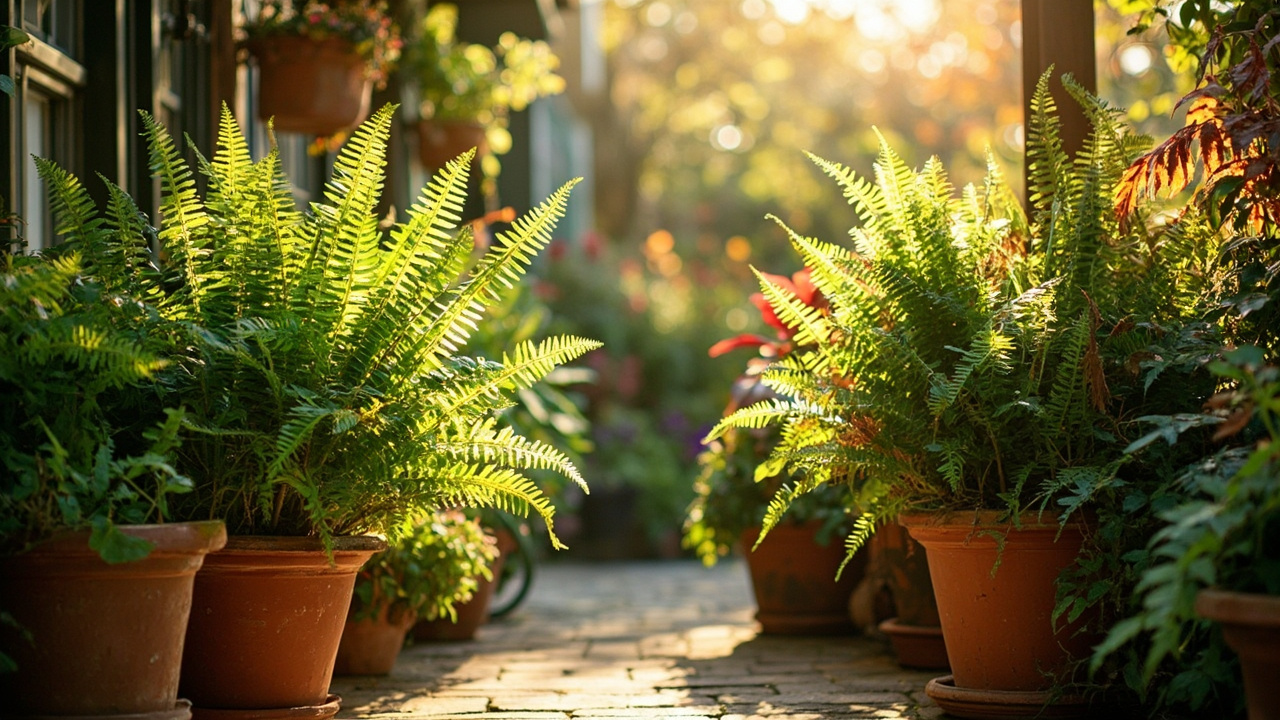
If you have outdoor patio ferns, bring them inside before nighttime temperatures drop below **50°F (10°C)**. A single cold night can damage fronds permanently and stress the plant enough to trigger pest problems. Bring them in while nights are still above 55°F (13°C) to give them time to adjust to lower light and indoor air before the heating season starts.
Winter : The Challenging Season
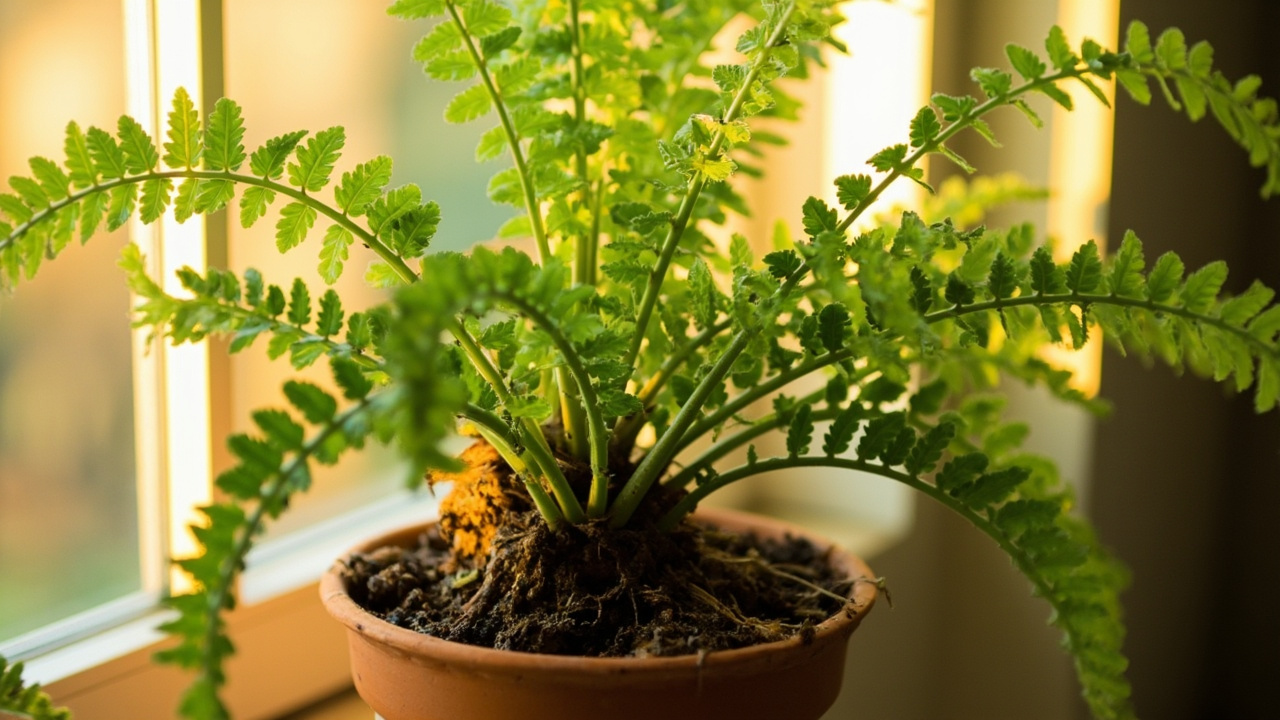
Winter is the hardest season for indoor ferns. Light is at its lowest, indoor heating is at its highest, and humidity is at its worst. Most fern decline in winter comes from the combination of low humidity and overwatering in a home where the soil stays damp for days because the plant is not actively growing.
What to do in winter: water less — the soil should dry to the top 1–2 inches before you water again. This may mean watering only once a week or every ten days, depending on the pot and the room. Stop fertilizing entirely through winter. Move ferns to the brightest spot you have — even a slightly warmer windowsill with good light helps offset the stress of dry indoor heating. Raise humidity with pebble trays, grouping plants together, or a room humidifier set to run while you are home. Ferns that look stressed in winter usually recover quickly in spring once light returns.
The one exception: if your fern sits near a heating vent, move it immediately. The dry, forced air will cause browning faster in winter than in any other season. Ferns within 3 feet of a heating vent consistently brown and drop fronds despite otherwise good care — the only fix is moving the plant away from the airflow. For detailed winter care guidance including troubleshooting cold damage, see the fern plant care guide.
Year-Round Principles That Never Change
Regardless of season: always use pots with drainage holes. Ferns do not tolerate standing water in any season. Always use well-draining potting mix with perlite or coarse sand added — this matters more in winter when soil stays wet longer. Rotate pots quarterly to ensure even growth. Inspect the undersides of fronds every two weeks year-round for early pest signs. For year-round fern care specifics, see the fern plant care guide.
The most reliable sign that a fern’s seasonal care is working: new fronds emerge from the center in each active season, old outer fronds are replaced at a steady rate, and the plant maintains its general shape without sudden die-back of multiple fronds at once. If you see that pattern across the year, your seasonal adjustments are working.
From PDF to Excel in one click
Forget retyping line by line. Upload any bank statement, get a spreadsheet you can actually use. Your files are never stored, and you can test the converter with 3 free conversions.
Try it free