
Hydroponic gardening has gained popularity in recent years due to its efficient use of resources and ability to cultivate plants in limited spaces. While commercially available hydroponic nutrients can be convenient, many growers are seeking organic and cost-effective alternatives. In this article, we will explore the process of creating DIY hydroponic nutrients from compost, providing a sustainable solution for your hydroponic garden.
Understanding Hydroponic Nutrients
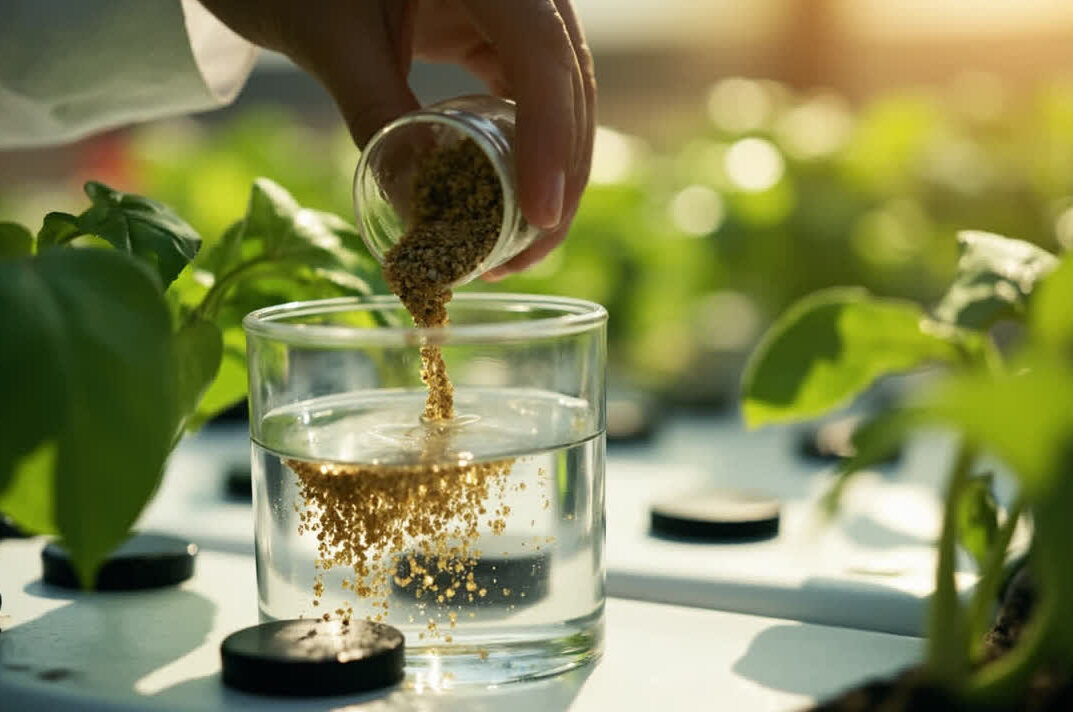
Hydroponic plants rely on a nutrient solution as their primary source of essential elements. These nutrients are typically dissolved in water and delivered directly to the plant roots. Commercial hydroponic nutrients are formulated to provide a balanced blend of macronutrients (nitrogen, phosphorus, and potassium) and micronutrients (such as calcium, magnesium, and iron) necessary for plant growth.
Key Point 1: DIY Hydroponic Nutrients from Compost
Compost, a rich organic material derived from decomposed plant and animal matter, can serve as an excellent source of nutrients for hydroponic plants. By harnessing the power of compost, you can create your own organic hydroponic nutrient solution.
Key Point 2: Compost Tea as a Liquid Fertilizer
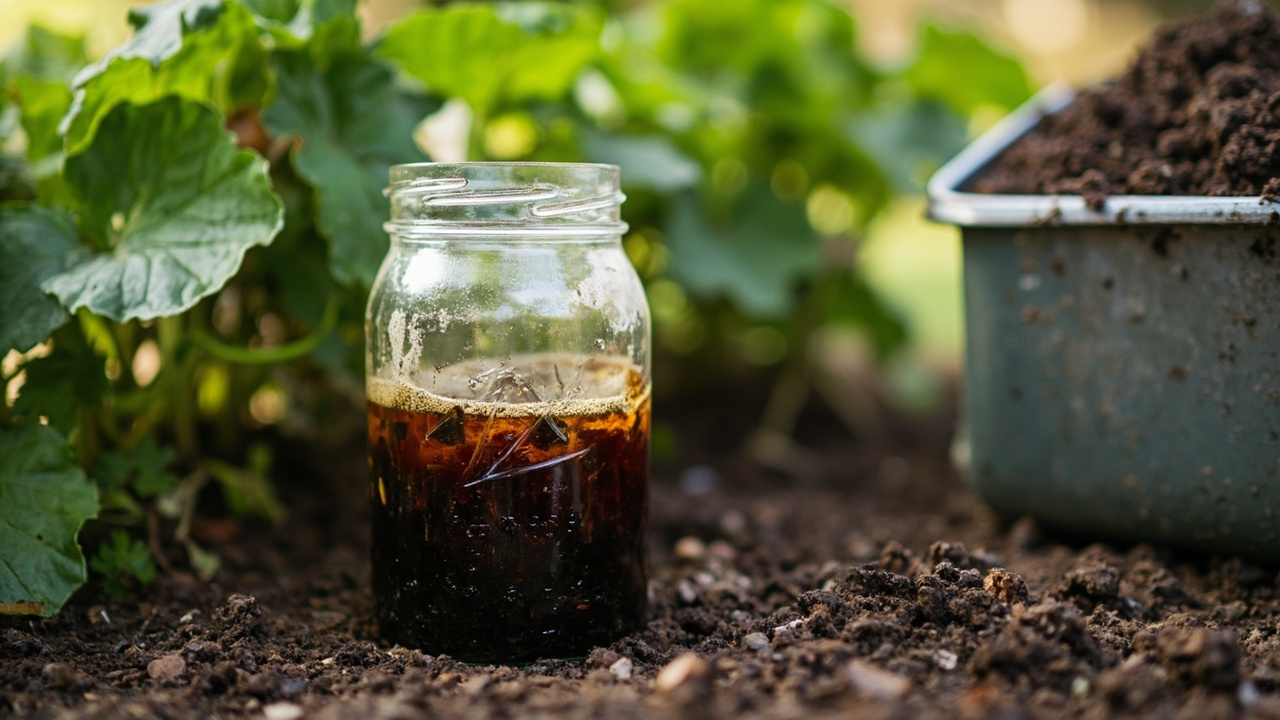
Compost tea is a valuable liquid fertilizer produced by steeping compost in water. This method extracts the nutrients and beneficial microbes from the compost, creating a nutrient-rich solution that can be easily absorbed by plants. Compost tea provides a holistic approach to hydroponic plant nutrition, supplying both macronutrients and micronutrients.
Key Point 3: The Nutrient Composition of Compost
Compost contains varying levels of essential nutrients, depending on the organic materials used and the composting process. Nitrogen, phosphorus, and potassium are the primary macronutrients found in compost, while micronutrients such as calcium, magnesium, and iron are also present. Additionally, compost enhances soil structure, promotes microbial activity, and improves overall plant health.
Creating Your DIY Hydroponic Nutrient Solution
To create a homemade fertilizer using compost, follow these steps:
- Gather High-Quality Compost: Start with well-decomposed compost that has been thoroughly broken down. This ensures a nutrient-rich base for your nutrient solution.
- Prepare the Compost Tea: Place a generous amount of compost in a large container and fill it with water. The ratio of compost to water should be approximately 1:5 by volume. Stir the mixture well to encourage nutrient extraction.
- Aerate the Compost Tea: Beneficial microbes thrive in an oxygen-rich environment. Use an aquarium pump or similar device to aerate the compost tea. This will help promote the growth of beneficial microbes while preventing the development of harmful pathogens.
- Brew the Compost Tea: Allow the compost tea to steep for 24 to 48 hours, ensuring the water remains aerated during this time. This fermentation process facilitates the breakdown of organic matter and extraction of nutrients, resulting in a potent liquid fertilizer.
Key Point 4: Nutrient Testing and Adjustments
It’s important to test the nutrient levels of your homemade compost tea before using it in your hydroponic system. Various testing kits are available to measure the concentration of macronutrients, micronutrients, and pH levels. Adjustments can be made by diluting the compost tea with water or adding specific nutrients to achieve the desired nutrient balance.
Key Point 5: Additional Organic Amendments
While compost tea serves as a fantastic base for your hydroponic nutrient solution, you can further enhance its effectiveness by incorporating other organic amendments. Examples include adding calcium nitrate for a calcium boost, utilizing chicken manure for nitrogen supplementation, or introducing grass clippings for additional micronutrients. These amendments can help tailor your homemade hydroponic nutrient solution to the specific needs of your plants. worm castings for house plants.
Key Point 6: Application of DIY Hydroponic Nutrient Solution
Once you have prepared your compost tea-based hydroponic nutrient solution, it’s time to apply it to your hydroponic garden. Here are some important considerations:
- Dilution: Depending on the concentration of your compost tea, it may need to be diluted before application. Follow the instructions provided by your nutrient testing kit and adjust accordingly.
- Feeding Schedule: Establish a feeding schedule that suits the growth stage of your plants. Young seedlings may require more frequent feedings, while mature plants may need a less frequent application. Monitor your plants closely for any signs of nutrient deficiency or excess.
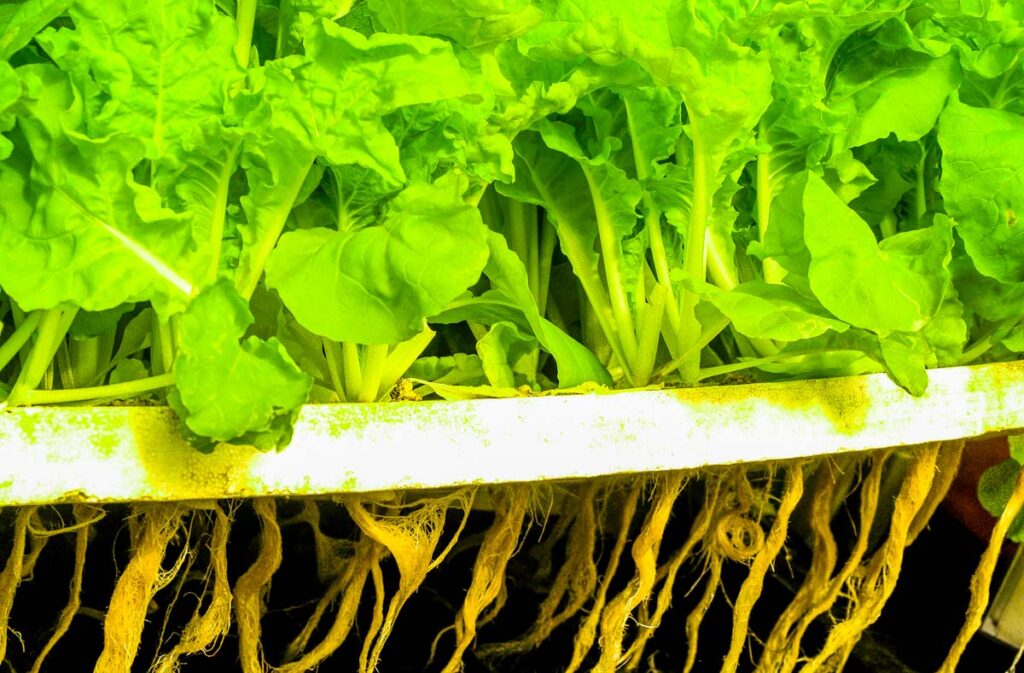
- Application Method: There are various ways to deliver the nutrient solution to your hydroponic plants. You can use a drip system, a nutrient film technique (NFT), or an ebb and flow system, among others. Choose a method that suits your setup and ensures proper distribution of the nutrient solution to the plant roots.
- pH Monitoring: Regularly monitor the pH of your nutrient solution, as it directly affects nutrient availability to the plants. Most hydroponic crops thrive in a slightly acidic pH range of 5.5 to 6.5. Adjust the pH using pH up or pH down solutions to maintain optimal levels.
Important Note: Nutrient deficiencies or imbalances can negatively impact plant growth. Keep an eye out for common symptoms such as yellowing leaves (indicating nitrogen deficiency), purple discoloration (indicating phosphorus deficiency), or stunted growth (indicating overall nutrient deficiency).
Benefits and Considerations of DIY Hydroponic Nutrients from Compost
- Sustainability: Creating your own hydroponic nutrients from compost promotes sustainability by utilizing organic waste materials and reducing reliance on synthetic fertilizers.
- Cost-Effectiveness: DIY hydroponic nutrients from compost can significantly reduce expenses associated with purchasing commercial hydroponic nutrients, making it a budget-friendly option for growers.
- Organic and Natural: Compost-based hydroponic nutrients provide an organic and natural alternative to synthetic fertilizers, ensuring that your plants receive wholesome nutrition without the risk of chemical residue.
- Microbial Boost: Compost tea contains beneficial microbes that enhance plant growth and protect against pathogens. These microbes improve nutrient uptake, root health, and overall plant vigor.
- Nutrient Customization: By adjusting the compost and incorporating additional organic amendments, you can tailor your hydroponic nutrient solution to meet the specific needs of your plants, maximizing their growth potential.
Conclusion
DIY hydroponic nutrients from compost offer a sustainable, cost-effective, and organic approach to nurturing your hydroponic plants. By harnessing the power of compost tea and incorporating additional organic amendments, you can create a nutrient-rich solution that supports robust plant growth and vitality. Experiment with different compost blends and amendments to find the optimal nutrient balance for your hydroponic garden. Embrace the art of organic hydroponics and witness the flourishing results in your plants’ health and productivity. Essential Nutrients for Plants.
Remember, nature provides us with the tools to cultivate thriving plants. With DIY hydroponic nutrients from compost, you can embark on a journey of sustainable and rewarding hydroponic gardening. Happy growing!