Let’s delve into the world of DIY organic hydroponic nutrients, exploring the benefits, recipes, and implementation of organic solutions. If you’re a seasoned hydroponic gardener or a novice enthusiast, this guide will equip you with the knowledge to nurture your plants in an eco-friendly and sustainable manner.
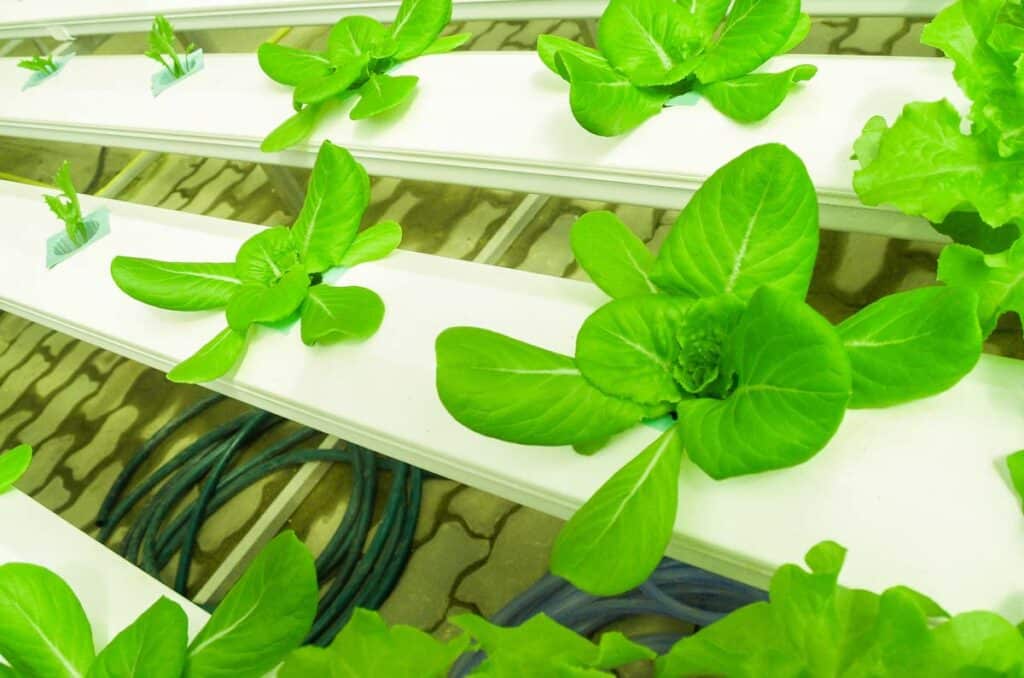
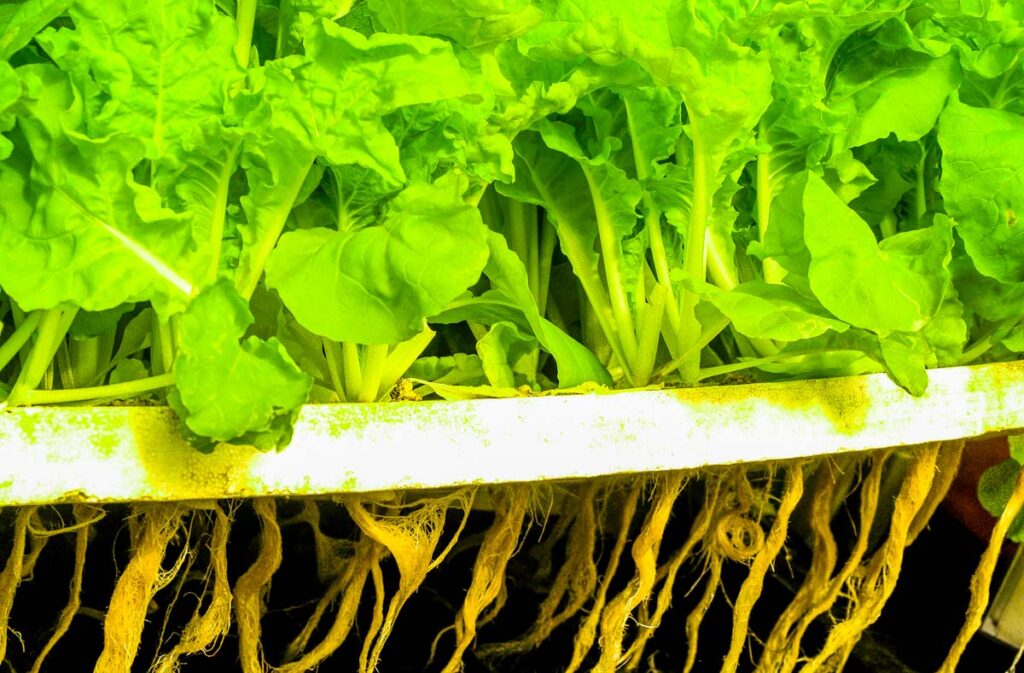
Hydroponics is a revolutionary method of growing plants without soil, utilizing nutrient-rich solutions to support plant growth.
The success of any hydroponic system hinges on the quality and composition of the nutrient solution.
Understanding Hydroponic Nutrients
To comprehend the significance of organic hydroponic nutrients, it’s essential to understand the role of nutrients in plant growth.
Plants require a balanced mix of macronutrients (nitrogen, phosphorus, potassium) and micronutrients (iron, manganese, zinc) for optimal development.
Nutrient deficiencies can lead to stunted growth, leaf discoloration, and reduced yields.
Read: hydroponic organic fertilizers
Exploring Organic Hydroponic Nutrients
Organic hydroponic nutrients are derived from natural sources, ensuring sustainable and environmentally-friendly plant cultivation.
Unlike synthetic alternatives, organic nutrients are free from chemical additives and are more readily absorbed by plants. This results in healthier plants, improved flavor, and reduced environmental impact.
Look: hydroponics nutrients diy
From Bank Statement to QuickBooks-Ready File
That manual cleanup you just read about? This tool skips it. Turn your PDF into QBO for QuickBooks without storing your data anywhere.
Start ConvertingDIY Organic Hydroponic Nutrients
Creating your own organic hydroponic nutrient solution is an excellent way to customize and optimize the growth of your plants. By using natural and sustainable ingredients, you can ensure healthier plants and contribute to a greener environment.
Let’s explore the best recipe for DIY organic hydroponic nutrients.
Ingredients for the Perfect Recipe
- Base Ingredients:
- Compost: Provides essential organic matter and a wide range of nutrients.
- Fish Emulsion: Rich in nitrogen, promotes vigorous growth.
- Kelp Meal: Contains essential micronutrients and growth stimulants.
- Macronutrient Sources:
- Soybean Meal: Slow-release nitrogen source for sustained plant nutrition.
- Rock Phosphate: Provides phosphorus for root development and flowering.
- Wood Ash: Excellent source of potassium, helps regulate pH levels.
- Micronutrient Sources:
- Epsom Salt (Magnesium Sulfate): Supplies magnesium, vital for chlorophyll production.
- Seaweed Extracts: Offers a broad spectrum of micronutrients and plant growth hormones.
- Rock Dust: Provides trace elements necessary for plant health.
- pH Adjustment:
- Use pH testing kits or meters to monitor and adjust pH levels to the optimal range of 5.8-6.2.
- Electrical Conductivity (EC) Levels:
- Maintain EC levels around 1.5-2.5 mS/cm for leafy greens and 2.0-3.0 mS/cm for fruiting plants.
Creating Your DIY Organic Nutrient Solution
- Measure the desired quantity of water for your hydroponic nutrient solution.
- Begin by adding compost as the base ingredient, aiming for around 10-20% of the total solution volume.
- Incorporate fish emulsion, soybean meal, and rock phosphate to provide essential macronutrients. Adjust the quantities based on plant requirements and growth stage.
- Add wood ash to supply potassium and help regulate pH levels.
- Include epsom salt, seaweed extracts, and rock dust to ensure a balanced mix of micronutrients.
- Stir or mix the ingredients thoroughly to ensure even distribution.
- Test the pH and adjust if needed using pH adjusters such as phosphoric acid or potassium hydroxide.
- Measure the EC levels using a meter and adjust accordingly by diluting or adding nutrients.
- Allow the solution to settle for a few hours, or overnight if possible, to ensure optimal nutrient availability.
- Filter the nutrient solution to remove any sediments or larger particles before using it in your hydroponic system.
Tips:
- Choosing the Base Ingredients: when preparing a DIY organic nutrient solution, consider incorporating compost or organic matter as a foundation. These materials provide a rich source of nutrients and beneficial microorganisms. Additionally, organic fertilizers, such as fish emulsion or soybean meal, can supplement the nutrient mix. Natural amendments like kelp meal or bone meal can further enhance the nutrient profile.
- Mixing and Preparing the Nutrient Solution: to create a DIY organic nutrient solution, it’s crucial to establish the right ratios and measurements. Consult reliable resources and recipes to ensure proper nutrient balance. Adjusting the pH and electrical conductivity (EC) levels is also essential for maintaining optimal nutrient uptake by plants.
Additional Tips and Recommendations:
- Remember to regularly monitor the pH and EC levels of your nutrient solution to maintain optimal plant health.
- Consider adding beneficial microorganisms or inoculants to enhance nutrient availability and soil health.
- Use high-quality filtered water or consider investing in a water filtration system to prevent contamination and ensure clean nutrient solutions.
- Adjust nutrient levels based on the specific needs of your plants and their growth stages.
- Keep in mind that different plants may have varying nutrient requirements, so adjust your recipe accordingly.
Nutrient Solution Recipe for Leafy Greens (e.g., Lettuce)
- Base Ingredients: Compost, fish emulsion, kelp meal
- Macronutrient Sources: Nitrogen-rich organic fertilizers
- Micronutrient Sources: Seaweed extracts, rock dust
- Adjust pH to 5.8-6.2 and maintain EC around 1.5-2.5 mS/cm
Nutrient Solution Recipe for Fruiting Plants (e.g., Tomatoes)
- Base Ingredients: Compost, bone meal, wood ash
- Macronutrient Sources: Phosphorus-rich organic fertilizers
- Micronutrient Sources: Seaweed extracts, rock dust
- Adjust pH to 5.8-6.2 and maintain EC around 2.0-3.0 mS/cm
Essential Components for DIY Organic Nutrient Solutions
Organic Sources of Macronutrients
Macronutrients, such as nitrogen, phosphorus, and potassium, are vital for plant growth. Consider incorporating the following organic sources:
- Nitrogen Sources: Fish emulsion, soybean meal, compost
- Fish emulsion is rich in nitrogen and readily available for plant absorption.
- Soybean meal is a slow-release nitrogen source, ensuring a steady supply over time.
- Compost contributes to nitrogen availability while improving soil structure.
- Phosphorus Sources: Rock phosphate, bone meal, compost
- Rock phosphate is a natural mineral that slowly releases phosphorus, promoting root development.
- Bone meal is another slow-release option, providing phosphorus in an organic form.
- Compost enriches the nutrient mix with phosphorus while improving soil fertility.
- Potassium Sources: Wood ash, kelp meal, compost
- Wood ash is an excellent source of potassium and also contributes to pH regulation.
- Kelp meal offers potassium and essential trace elements that promote overall plant health.
- Compost provides a moderate amount of potassium while adding organic matter to the nutrient solution.
Organic Sources of Secondary Nutrients and Micronutrients
When making homemade hydroponics fertilizer, Secondary nutrients like calcium and magnesium, along with essential micronutrients, play critical roles in plant health. Consider the following organic sources:
- Calcium Sources: Eggshells, gypsum, compost
- Crushed eggshells are an easily accessible source of calcium.
- Gypsum is a natural mineral that supplies calcium and improves soil structure.
- Compost enriches the nutrient solution with calcium while enhancing microbial activity.
- Magnesium Sources: Epsom salt (magnesium sulfate), dolomite lime
- Epsom salt is a readily available and affordable source of magnesium sulfate.
- Dolomite lime provides both magnesium and calcium, helping to maintain proper nutrient balance.
- Micronutrient Sources: Seaweed extracts, rock dust, compost
- Seaweed extracts offer a wide range of micronutrients, hormones, and beneficial growth stimulants.
- Rock dust, such as granite or basalt, is rich in trace elements essential for plant development.
- Compost contributes micronutrients while enhancing nutrient availability and soil structure.
Importance of Using Filtered Water in Nutrient Solutions
Water quality is crucial for successful hydroponic gardening. Using filtered water helps prevent the accumulation of contaminants and ensures a clean and stable environment for plant roots.
Unfiltered tap water may contain chlorine, chloramines, heavy metals, or other substances that can harm plants or disrupt nutrient balance.
Investing in a quality water filtration system is a wise choice for consistent and healthy plant growth.
Implementing DIY Organic Nutrients in Hydroponic Systems
Choosing the Right Hydroponic System for Organic Nutrient Use
Various hydroponic systems are compatible with organic nutrient solutions. Consider systems such as nutrient film technique (NFT), deep water culture (DWC), or media-based systems like coconut coir or perlite.
Each system has its advantages and considerations regarding nutrient absorption and water management.
Adjusting Nutrient Levels for Different Growth Stages
Plants have varying nutrient requirements throughout their growth stages. Monitor your plants closely and adjust nutrient levels accordingly.
During the vegetative stage, higher nitrogen levels promote leafy growth, while increased phosphorus and potassium levels during the flowering stage stimulate flower and fruit development.
Monitoring and Maintaining Nutrient Solution Quality
To ensure the success of your organic hydroponic garden, diligent monitoring of the nutrient solution is necessary.
- Regular Testing of pH and EC Levels
- Test the pH levels using a reliable pH meter or pH test kit. Maintain a range of 5.8-6.2 for optimal nutrient uptake.
- Measure the electrical conductivity (EC) of the nutrient solution using a meter to assess nutrient concentration. Maintain EC levels according to plant-specific requirements.
- Recognizing Signs of Nutrient Imbalances
- Observe your plants for symptoms of nutrient deficiencies or toxicities, such as leaf discoloration, stunted growth, or wilting.
- Nutrient deficiency charts and guides can help identify and address specific nutrient imbalances.
- Troubleshooting Common Issues in Organic Hydroponics
- Address potential problems promptly, such as excess salt buildup or algae growth in the nutrient solution.
- Flushing the system periodically with filtered water can help prevent nutrient buildup.
Case Study: Successful Organic Hydroponic Lettuce Cultivation
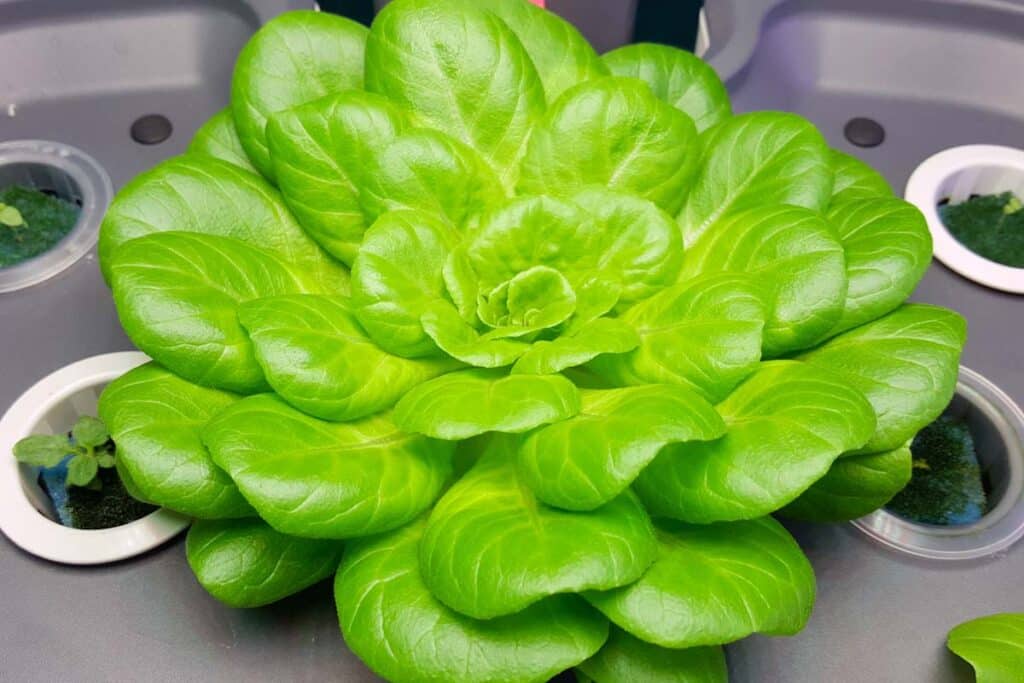
To showcase the practical application of DIY organic hydroponic nutrients, let’s examine the cultivation of lettuce in a hydroponic system.
- Overview of Hydroponic Lettuce Growing Process
- Select a suitable hydroponic system (e.g., nutrient film technique, deep water culture).
- Start lettuce seeds in a nursery or use pre-grown seedlings for transplantation.
- Monitor nutrient levels, pH, and EC in the nutrient solution regularly.
- Provide adequate lighting, temperature, and humidity conditions for optimal growth.
- Organic Nutrient Solution Recipe for Lettuce Cultivation
- Base Ingredients: Compost, fish emulsion, kelp meal
- Macronutrient Sources: Nitrogen-rich organic fertilizers
- Micronutrient Sources: Seaweed extracts, rock dust
- Adjust pH to 5.8-6.2 and maintain EC around 1.5-2.5 mS/cm
- Tips for Optimizing Lettuce Growth and Flavor in Organic Hydroponics
- Ensure sufficient lighting to promote compact and healthy lettuce heads.
- Maintain the right temperature and humidity levels to prevent disease development.
- Harvest lettuce at the appropriate stage for optimal flavor and texture.
Organic Hydroponic Nutrients DIY
DIY organic hydroponic nutrients offer an eco-friendly and sustainable approach to nurturing plants in a hydroponic system. By understanding the importance of nutrients, exploring organic alternatives, and implementing DIY nutrient solutions, you can achieve exceptional plant growth and enhance the overall health of your hydroponic garden.
Remember to monitor and adjust nutrient levels, use filtered water, and choose suitable hydroponic systems to maximize success.
Embrace the power of organic hydroponics and join the growing community of environmentally-conscious hydroponic growers.
Additional Resources:
- “The Organic Grow Book” by Karel Schelfhout and Michiel Panhuysen
- “Hydroponic Food Production: A Definitive Guidebook for the Advanced Home Gardener and the Commercial Hydroponic Grower” by Howard M. Resh
FAQ
Are organic hydroponic nutrients suitable for all plants?
Yes, organic hydroponic nutrients can be used for various plants, including leafy greens like lettuce, herbs, fruits, and flowering plants. Adjusting nutrient ratios and levels according to plant requirements is crucial for optimal growth.
Can I use organic fertilizers from my garden in hydroponics?
While organic fertilizers from your garden can provide nutrients, it’s important to consider their solubility and compatibility with hydroponic systems. Some organic materials may clog the system or cause imbalances. It’s best to use specifically formulated organic hydroponic nutrients or compost-based solutions.
Can I use rainwater instead of filtered water for hydroponics?
Rainwater can be used for hydroponics, but it’s important to test its pH and EC levels. Rainwater may contain contaminants or minerals that could affect nutrient balance. Filtering rainwater or using a water conditioner is advisable to ensure optimal plant health.
How often should I test and adjust the nutrient solution in a hydroponic system?
Regular monitoring is essential. Test pH and EC levels weekly or bi-weekly, depending on plant growth and environmental conditions. Adjust nutrient levels as needed to maintain optimal plant health and growth.
Can I achieve organic certification for hydroponically grown produce?
Yes, it is possible to obtain organic certification for hydroponically grown produce. However, specific regulations may vary depending on your country or certifying agency. Ensure compliance with organic standards, including the use of approved organic inputs and following guidelines for soilless cultivation.