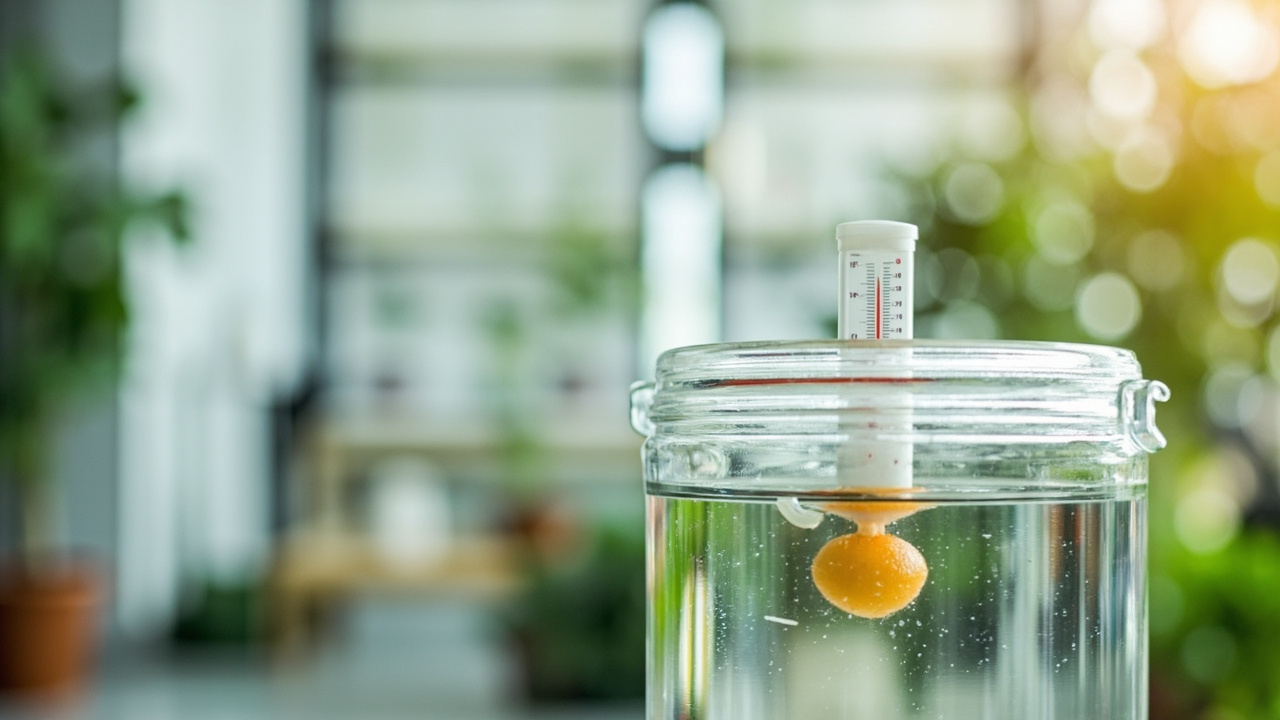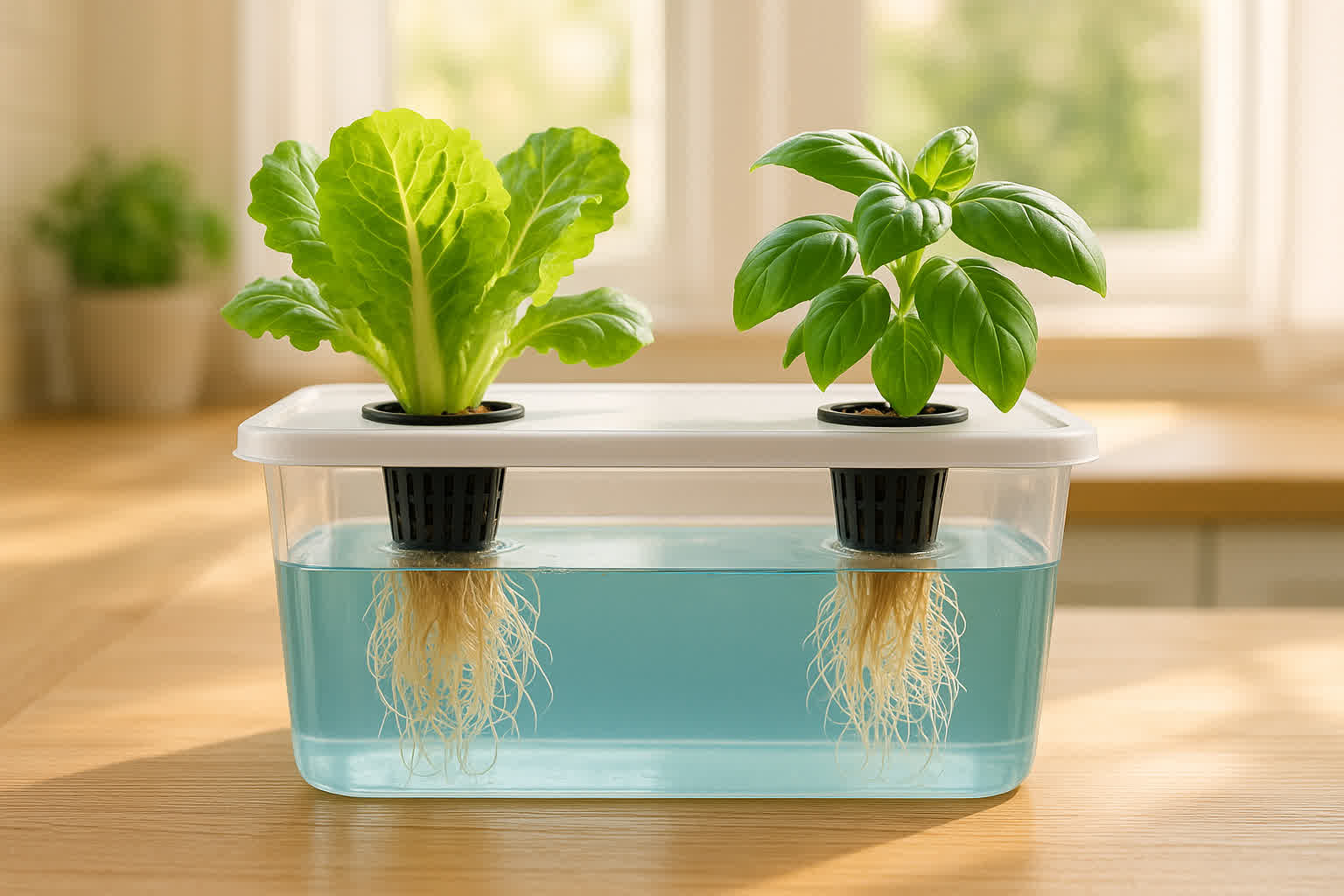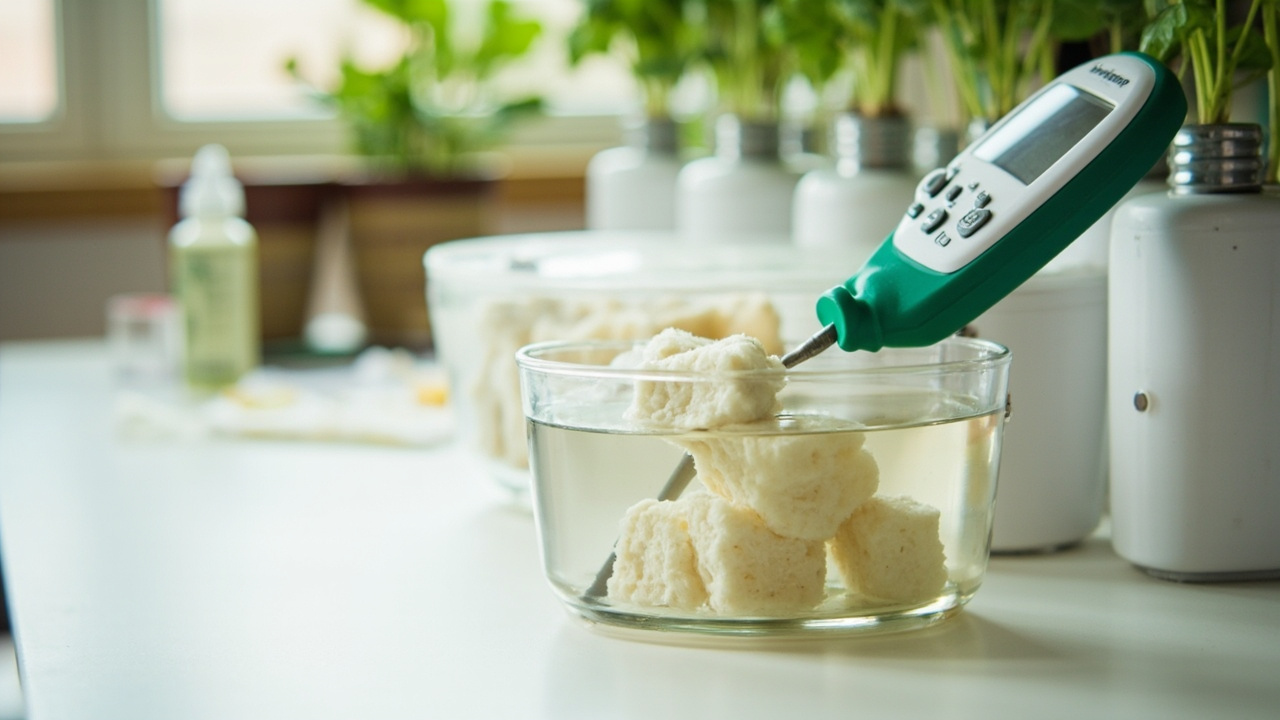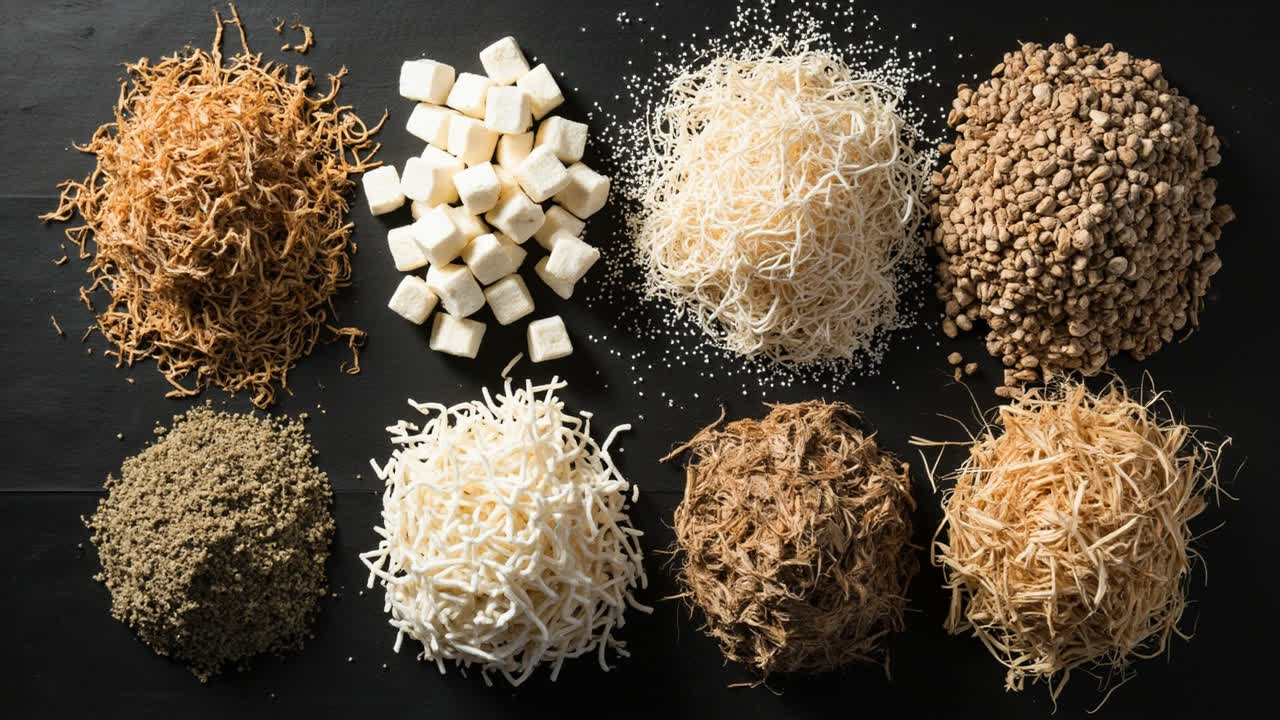

A soilless growing medium — also called a hydroponic substrate — is an inert material that anchors plant roots and delivers nutrient-rich water without any soil involvement. In hydroponics, the medium’s only jobs are root support, moisture retention, and oxygen flow to the root zone. Every other function that soil performs in traditional gardening is handled entirely by your nutrient solution and system design.
That simplicity is exactly why medium selection carries so much weight. Unlike soil, which buffers plants against inconsistent watering through its complex structure, a soilless medium responds immediately to every system decision. Most beginners choose the wrong medium for their setup, and the result is predictable: either root rot from over-retentive media in DWC, or nutrient lockout from pH-unstable media in NFT. Getting this right from the start saves weeks of lost growth and costly troubleshooting.
This guide compares the five most widely used hydroponic media — Rockwool, Clay Pebbles, Coco Coir, Perlite, and Vermiculite — across the six properties that drive every real-world decision, then matches each medium to the system type where it actually works.
Why Your Hydroponic Medium Matters More Than You Think
If you are coming from soil gardening, the mental shift matters. In soil, the medium does almost everything — it buffers pH, houses beneficial microbes, holds nutrients, and protects roots. In hydroponics, the medium is deliberately inert. It exists to solve one structural problem: keeping roots suspended in a system that moves water continuously.
That difference changes the rules entirely. In soil, you can compensate for a poor medium choice by adjusting your watering schedule or adding amendments. In hydroponics, different hydroponic systems demand specific medium properties — and those demands are not suggestions. A medium with 80% water retention works beautifully in NFT. In DWC, it drowns roots within days.
How Growing Medium Properties Actually Work
The language around hydroponic media tends to be vague — “good drainage,” “retains moisture,” “pH neutral.” Understanding what those phrases physically mean makes every comparison in this guide immediately clear.
Porosity is the percentage of a medium’s total volume that is open space — the air pockets where oxygen lives at the root zone. Rockwool cubes typically hold 80–90% porosity by volume. When you water a Rockwool cube, 80–90% of the internal space is available for air or water. The remaining 10–20% is fibrous material. This is why Rockwool can hold significant water while still leaving room for oxygen — a balance most other media cannot match.
Water retention is not the same as porosity. It describes how tightly a medium holds onto the water it absorbs. Rockwool has high retention because its fibers pull water upward through capillary action — similar to a paper towel. Clay Pebbles have high porosity but low retention: the pores drain quickly and air refills them almost immediately. Coco Coir holds moisture in the fiber cell walls through moderate capillary action. Understanding this distinction is the difference between a medium that works and one that creates problems.
Drainage and aeration are always in tension. A medium that drains fast delivers more oxygen to roots but requires more frequent irrigation. A medium that retains water longer reduces irrigation frequency but risks oxygen depletion if roots stay saturated. Every hydroponic system strikes this balance differently, which is why your system type must drive your medium choice — not the other way around.
pH neutrality means a medium does not significantly alter the pH of the nutrient solution surrounding the roots. Most soilless media register between pH 6.0 and 7.5 when unused, but some — notably Coco Coir and Vermiculite — require preparation or ongoing monitoring to stay within the 5.5–6.5 range most hydroponic crops prefer. An unbuffered Coco Coir batch can shift your root zone pH above 7.0 within 48 hours of transplanting.
Cation exchange capacity (CEC) describes a medium’s ability to hold and release positively charged nutrient ions — calcium, magnesium, potassium, and ammonium. Low-CEC media like Rockwool and Clay Pebbles do not interfere with nutrient formulations. High-CEC media like Coco Coir and Vermiculite can bind nutrient ions and release them slowly, which is useful in some contexts but problematic in precise hydroponic formulations where you want full control over nutrient availability.
Reusability and cost-per-year are the practical downstream consequences of all the above properties. A medium that lasts five years carries a very different true cost than one replaced every season — even if the upfront price tag looks higher.
The 6 Properties That Define a Great Growing Medium
Every hydroponic medium decision traces back to these six attributes. They are the criteria this entire comparison uses.
Porosity and Air-Water Ratio
Roots need both water and oxygen simultaneously. A well-performing medium maintains a root zone air-water ratio between 30:70 and 50:50 for most crop types. Rockwool holds 80% water by volume while leaving 10–18% as air-filled porosity — the best balance of any sterile substrate. Clay Pebbles sit at roughly 30–35% porosity with rapid air refill after each drainage cycle. Perlite provides 30–40% airspace in passive conditions, though this improves in active flow systems with continuous nutrient movement.
Water Retention and Capillary Action
Capillary action — the same mechanism that draws water up a paper towel — determines how evenly a medium distributes moisture. Rockwool distributes water evenly throughout a cube. Coco Coir has high initial retention but can become hydrophobic when dried out completely. Perlite has essentially zero capillary action: water moves through it by gravity only, which is why it never stays evenly moist on its own.
Drainage Speed and System Compatibility
Drainage speed is the single most system-dependent property. DWC systems require fast drainage to prevent root drowning. NFT channels need moderate retention to keep roots damp between nutrient flows. Drip systems work with nearly any medium because the irrigation frequency is operator-controlled. Aeroponics requires minimal retention since roots are misted every 2–3 minutes anyway.
pH Stability and Buffering
pH stability means a medium does not swing the root zone pH in response to nutrient solution changes. Rockwool has low buffering and stabilizes quickly after initial calibration to pH 5.5–6.0. Clay Pebbles are completely inert and do not affect pH at all. Coco Coir has variable pH out of the bag (often 5.5–6.8) and requires buffering with calcium and magnesium salts before first use. Vermiculite is mildly alkaline and will gradually raise pH in a closed system over time.
Structure Longevity and Compression Resistance
How a medium holds its structure over months of use matters more than most beginners realize. Rockwool cubes compress and degrade within 1–2 growing seasons, developing channeling — where water finds narrow preferred paths instead of spreading evenly through the cube. Clay Pebbles maintain their structure for 5–10 years with proper sterilization between grows. Coco Coir breaks down progressively, typically lasting 3–5 years in hydroponic use. Perlite fractures under repeated compression, reducing airspace measurably after 2–3 seasons of handling.
Cost, Sustainability, and Disposal
Rockwool is energy-intensive to manufacture (melted rock spun into fibers at high temperature) and is not biodegradable — disposal is a legitimate environmental concern for commercial operations using thousands of cubes per cycle. Clay Pebbles are mined, kiln-fired, and heavy to ship, but they last a decade so the per-year environmental impact is lower than it appears. Coco Coir is a renewable byproduct of coconut processing, though it is often shipped long distances from Southeast Asia. Perlite is mined and expanded through heating — a moderately energy-intensive process. Vermiculite is mined and expanded, with some variants historically containing trace amounts of naturally occurring asbestos; always source horticultural-grade Vermiculite from a reputable supplier.
Rockwool vs. Clay Pebbles vs. Coco Coir vs. Perlite vs. Vermiculite
The table below summarizes the attribute-level comparison across all five media. Read the narrative for each medium that follows the table to understand the practical implications of these numbers.
| Property | Rockwool | Clay Pebbles | Coco Coir | Perlite | Vermiculite |
|---|---|---|---|---|---|
| Water Retention | High (80% by volume) | Low (10–15%) | High (45–55%) | Very Low (10–20%) | Very High (60–70%) |
| Drainage / Aeration | Fast drainage, good air space | Very fast, excellent air space | Moderate drainage | Very fast drainage | Slow drainage |
| pH Stability | Stable after calibration (5.5–6.5) | Inert — pH neutral | Requires buffering before use | Inert — pH neutral | Mildly alkaline, buffers pH up |
| Reusability | 1–2 growing seasons | 5–10 years with sterilization | 3–5 years | 2–4 years before fracturing | 2–3 years before degrading |
| Best Hydroponic Systems | NFT, Drip, DWC | DWC, Aeroponics, Drip | NFT, Drip, DWC | NFT, Drip (not DWC) | Seedlings, ebb-and-flow |
| Startup Cost | Low | Moderate–High | Low | Low | Low |
Rockwool
Rockwool is the industry standard for commercial hydroponic growers and the most researched substrate in controlled-environment agriculture. It is made by melting basalt rock and spinning it into fibers, then compressing those fibers into cubes, slabs, or loose flock. The result is a sterile, batch-consistent, high-performance substrate with no pathogens, no pests, and no variability between cubes sourced from the same manufacturer.
Rockwool holds 80% water by volume while maintaining 10–18% air space at container capacity. That balance makes it effective across NFT channels, drip systems, and DWC net pot liners. Its low CEC means it does not interfere with nutrient formulations — whatever you put in the reservoir reaches the roots without the medium getting in the way.
Rockwool in hydroponics has been the subject of extensive university research and the performance data is unambiguous when preparation protocols are followed.
For practical guides for using Rockwool — including cube sizing and transplant timing — see the dedicated guides on this site.
Clay Pebbles (Hydroton)
Clay Pebbles — commonly known by the brand name Hydroton — are fired clay balls produced by rolling moist clay in a rotating kiln at high temperature. The firing process creates a hard, roughly spherical pellet with a rough surface and a highly porous internal structure. Surface pores drain quickly while internal pores hold minimal moisture, which means roots growing in Clay Pebbles are almost never waterlogged.
The defining characteristic of Clay Pebbles is their combination of fast drainage and excellent aeration. This makes them ideal for DWC systems where oxygenation at the root zone is the primary constraint. They also anchor plant roots firmly, making them the preferred medium for aeroponic systems where plants must be held in place while roots hang free in the mist chamber.
The upfront cost is the main barrier. A 10-liter bag of Clay Pebbles typically costs 3–4 times more than an equivalent volume of Rockwool or Coco Coir. However, at 5–10 years of usable life with proper sterilization between grows, the cost-per-year is competitive or superior. They are also the easiest medium to sterilize between cycles: a 10% hydrogen peroxide soak eliminates pathogen carryover effectively and the structural integrity of the pebble is not compromised by the process.
Coco Coir
Coco Coir is the fibrous husk of coconut shells — a byproduct of the coconut processing industry that would otherwise go to waste. It has become the preferred organic alternative to Rockwool among hobby growers and organic-certified commercial operations. It is renewable, biodegradable, and relatively inexpensive.
Coco Coir has a water retention of 45–55% by volume with moderate drainage — a balance that makes it well-suited for NFT and drip systems where moderate moisture at the root zone reduces irrigation frequency. Its natural CEC (50–80 meq/100g) allows it to hold and slowly release nutrient ions, which can reduce nutrient solution management frequency for some growers.
The preparation step most commonly skipped is buffering with calcium and magnesium. Raw Coco Coir contains high levels of potassium and sodium — residual salts from the coconut’s natural environment — that will compete with calcium and magnesium uptake if not leached and replaced before use. Commercial buffered Coco Coir is widely available and eliminates this step. Unbuffered Coco Coir used without proper preparation is the single most common cause of nutrient deficiency in Coco Coir grows, and the symptoms (interveinal chlorosis, stunted growth) do not respond to standard nutrient concentration increases.
Perlite
Perlite is volcanic glass that has been heated to approximately 900°C, causing it to expand to 13 times its original volume. The expanded product is lightweight, white, and riddled with closed air cells. It is one of the most inexpensive hydroponic substrates available and is widely used in blends with other media rather than alone.
Perlite’s primary advantage is its 30–40% airspace in passive conditions, which increases significantly in active hydroponic systems with continuous nutrient flow. This makes it excellent for NFT channels and drip systems where high oxygen availability at the root zone promotes rapid vegetative growth. It is completely inert, pH neutral, and does not interact with nutrient solutions.
The limitation is floating and structural degradation. In DWC systems, loose Perlite particles float to the surface within hours of submersion, exposing roots and disrupting the growing medium. It is not suitable for any system where the medium will be continuously submerged. Over repeated use cycles, the air cells fracture under compression and physical handling, gradually reducing porosity. Most Perlite used in hobby hydroponics reaches the end of its useful life within 2–4 growing seasons.
Vermiculite
Vermiculite is a hydrated magnesium-aluminum-iron silicate mineral that expands dramatically when heated (similar to Perlite but with different mineral properties). It has the highest water retention of any common hydroponic medium — 60–70% by volume — and a moderate CEC that allows it to function as a slow-release nutrient reservoir.
Vermiculite is best reserved for seed starting and propagation where consistent moisture around developing roots is the primary requirement. Its slow drainage and high retention make it unsuitable for DWC, NFT, and most drip configurations. In ebb-and-flow systems it can work for moisture-loving crops, but the risk of extended saturation and consequent root hypoxia limits its applications to propagation scenarios in most grow setups.
Its other significant drawback is gradual compaction. Vermiculite particles compress over 2–3 growing seasons, reducing the air space that made it useful initially. It is almost always used in blends with Perlite — a 50:50 ratio is common — to counteract this tendency. Horticultural-grade Vermiculite is asbestos-free, but purchasing from reputable horticultural suppliers rather than hardware store sources is worth the attention for this reason.
What No One Tells You About Each Medium
Standard grow guide descriptions list the features. Here is what they leave out of the marketing materials.
Rockwool is an environmental liability. The same thermal efficiency that makes Rockwool useful in construction (it is widely used as building insulation) makes it nearly indestructible in landfills. It is not biodegradable. Commercial growers who use thousands of cubes per cycle need a disposal strategy. The manufacturing process — melting rock at 1,600°C — carries a substantial carbon footprint. If environmental impact factors into your purchasing decisions, factor disposal and manufacturing energy into your assessment alongside performance data.
Clay Pebbles cost more upfront but define the real price. A 10-liter bag of Clay Pebbles typically costs $25–35 USD. A comparable volume of Rockwool costs $8–12. But over five years of DWC use, Clay Pebbles cost $4–7 per year while Rockwool, replaced annually, costs $8–12 per year. The apparently expensive medium is actually the more economical one over a single growing season.
Coco Coir requires ongoing pH management, not just initial buffering. Buffered Coco Coir stabilizes at an appropriate pH for hydroponic use, but its organic nature means it continues to interact with the nutrient solution over time. Microbial activity in Coco Coir can temporarily raise the root zone pH as bacteria consume organic matter and release alkaline byproducts. Weekly pH monitoring at the root zone — not just in the reservoir — is strongly recommended for serious Coco Coir growers.
Perlite dust is a respiratory hazard before it is a hydroponic medium. The fine particles generated during handling are classified as a potential lung irritant by OSHA. Rinsing Perlite thoroughly before use — until the runoff runs clear — addresses both the dust issue and removes fine particles that could clog NFT channels or drip emitters. This step takes 5 minutes and prevents problems that are difficult to diagnose later.
Vermiculite is a better nutrient sponge than a growing medium. Its ability to absorb and slowly release nutrients is genuinely useful in propagation, but in active hydroponic systems it is more liability than asset. Growers using Vermiculite in drip systems frequently report root zone saturation that progresses to Pythium infection. It is almost always better to use Perlite instead and increase nutrient solution concentration slightly if water retention is a concern in your growing environment.
The Right Growing Medium for Your Hydroponic System
System type is the single largest factor in medium selection, and most experienced growers will tell you the same thing: choose your system first. Here is how each system-medium pairing actually performs in practice.
Deep Water Culture
DWC keeps roots permanently submerged in nutrient solution with an air stone providing dissolved oxygen. The medium’s only functions are root anchoring and preventing light from reaching the reservoir. Clay Pebbles are the standard choice because their fast drainage and high aeration complement the low-oxygen environment of submerged roots by ensuring the root crown — where roots exit the net pot into the reservoir — stays oxygenated. Rockwool cubes in DWC net pots work adequately if water level is managed carefully. Perlite in DWC is not recommended due to the floating problem.
Nutrient Film Technique
NFT channels deliver a thin, continuous film of nutrient solution over roots that sit in shallow channels with no submersion. The medium needs to stabilize plants without blocking the channel or drying out between flow cycles. Rockwool cubes are the dominant commercial choice because they hold enough moisture to keep roots damp between flows without becoming waterlogged. Buffered Coco Coir is the best organic alternative for NFT, offering similar retention with the added benefit of beneficial microbial activity at the root zone.
Drip Systems
Drip systems are the most flexible in terms of medium compatibility because the grower controls irrigation frequency directly. Plants in Rockwool slabs or cubes receive frequent short-duration drip cycles that maintain consistent moisture with minimal fluctuation. Plants in Coco Coir tolerate longer intervals between drip cycles, which is useful for hobbyists who cannot monitor systems continuously throughout the day. Clay Pebbles work in drip but require more frequent irrigation because their retention is so low — a clay pebble drip system needs a reliable timer and attention to drainage.
Aeroponics
Aeroponics keeps roots suspended in air and misted every 2–3 minutes. The medium does not need to retain water — its only job is physical stabilization. Clay Pebbles are the most practical medium for most aeroponic systems because they anchor plants firmly without retaining enough moisture to create problems in the high-humidity mist chamber. Rockwool cubes also work in commercial aeroponic setups, particularly in vertical tower configurations, but require careful attention to misting frequency to prevent over-saturation. If you are building a DIY aeroponic tower, Clay Pebbles are the safer medium choice for a first-time aeroponic grow.
At-a-Glance: Choosing the Best Soilless Medium for Your Setup
| System Type | Best Medium | Why It Works | Best Crop Examples |
|---|---|---|---|
| Deep Water Culture | Clay Pebbles | Fast drainage prevents root drowning; anchors firmly in net pot; excellent root zone oxygenation | Leafy greens: lettuce, basil, chard, mint |
| Nutrient Film Technique | Rockwool cubes | Holds moisture between flows; stable pH after calibration; no channel blockage | Lettuce, spinach, arugula, microgreens |
| Drip Systems | Rockwool or Buffered Coco Coir | Retains moisture between drip cycles; compatible with frequent or infrequent irrigation schedules | Tomatoes, peppers, cucumbers, herbs |
| Aeroponics | Clay Pebbles or Rockwool slabs | Minimal retention needed; firm root anchoring in mist chamber without waterlogging | Leafy greens, herbs, strawberries |
The 5 Most Costly Growing Medium Mistakes
Most medium-related crop failures follow a predictable pattern. These five mistakes account for the majority of preventable failures.
Skipping Rockwool Conditioning
Placing unconditioned Rockwool cubes directly into a hydroponic system is the fastest way to trigger nutrient lockout. The high initial pH of raw Rockwool (typically 7.0–8.0) shifts the root zone pH above 7.0, where iron, phosphorus, and most micronutrients become unavailable regardless of reservoir concentration. Soak cubes in pH 5.5 water for 24 hours before use, then calibrate to pH 5.5–6.0 before transplanting. This single step prevents the most common Rockwool-related failure mode entirely.
Using Unbuffered Coco Coir
Unbuffered Coco Coir contains excess potassium and sodium that compete with calcium and magnesium uptake. The symptoms — interveinal chlorosis and stunted growth — resemble magnesium deficiency but do not respond to Epsom salt additions because the underlying cause is potassium antagonism, not a magnesium shortage. Use only buffered Coco Coir from a hydroponic supplier, or buffer raw Coco Coir with calcium nitrate and magnesium sulfate solution before use. The buffering process requires 1–2 weeks — do not rush it.
Reusing Infected Growing Medium
Pythium — the pathogen most commonly called root rot — spreads through infected medium into every connected plant in the system. Reusing any medium from a crop that showed signs of root discoloration, slimy roots, or unexplained wilting without sterilization is an almost certain path to reinfection. Sterilize Clay Pebbles and Perlite between grows with a 10% hydrogen peroxide soak (30-minute soak, then rinse thoroughly). Replace Rockwool and Coco Coir between grows — their fibrous structure harbors pathogens that washing cannot fully eliminate.
Using Perlite in DWC
The floating problem is real and immediate. Loose Perlite particles displace water and float to the surface within hours of submersion, exposing the root zone to air and light. In NFT channels, fine Perlite particles settle in low-flow areas and gradually clog the channel over time. Use Clay Pebbles or Rockwool cubes in DWC systems. Reserve Perlite for NFT and drip systems where gravity keeps it in place.
Overwatering Clay Pebbles in Drip Systems
Clay Pebbles drain so quickly that drip systems can deliver water faster than the medium can process it, leading to constant saturation at the bottom of the container. This creates anaerobic pockets where Pythium thrives. Use a timer that delivers short, frequent pulses rather than long irrigation events, and confirm that containers have adequate drain holes. Counterintuitively, more Clay Pebbles failures in drip systems come from over-irrigation than under-irrigation.
Getting the Most Out of Your Growing Medium
Extending medium life and maintaining performance across grow cycles is where experienced growers pull ahead of beginners. Here is the practical breakdown for each medium.
Clay Pebbles last 5–10 years when properly maintained. Between grows, soak in a 10% hydrogen peroxide solution for 30 minutes to eliminate pathogens, rinse thoroughly with pH-balanced water, and dry completely before storage. Storing damp Clay Pebbles in sealed containers encourages mold. Keep them in a breathable bag in a dry location between cycles.
Rockwool degrades within 1–2 seasons of continuous use. Fibers compress, channeling develops, and water distribution becomes uneven. Replace Rockwool between crops for predictable performance. Do not attempt to sterilize and reuse Rockwool — the compressed fiber structure cannot be restored and residual pathogen risk remains too high.
Coco Coir lasts 3–5 years in hydroponic use. It breaks down faster when used with high-concentration nutrient solutions, which accelerate the decomposition of lignins in the fiber. Between grows, flush with clean pH-balanced water and add a light beneficial bacteria inoculation (Bacillus subtilis products are widely available) to maintain a healthy microbiome that suppresses pathogenic fungi.
Perlite fractures under handling. Every time Perlite is moved or rinsed, the fragile air cells break slightly. After 2–3 grows, compaction becomes noticeable. Replace Perlite every 2–4 growing seasons depending on handling frequency. Vermiculite follows a similar pattern — compaction reduces its air space below useful levels within 2–3 seasons, at which point replacement is the practical choice.
Start With the System, Then Pick the Medium
The sequence matters. Choosing your medium before your system is one of the most common mistakes beginners make. Each hydroponic system type demands specific medium properties, and the system decision should come first. Once you know whether you are running DWC, NFT, drip, or aeroponics, the medium choice narrows considerably — often to one or two options that work well and a short list of those that definitely do not.
If you are building a DWC bucket system, Clay Pebbles are the clear answer. If you are setting up an NFT channel, Rockwool cubes or buffered Coco Coir are your starting point. If you want to experiment with aeroponics, Clay Pebbles are the safer choice for a first run. Let the system architecture drive the medium. The reverse — picking a medium and trying to force it into a mismatched system — is where the problems start, and they are entirely preventable with the right sequence.
Match the medium’s porosity and retention profile to your system’s water cycle, buffer Coco Coir before use, and never reuse infected media. Those three rules prevent the majority of medium-related crop failures in hydroponic gardening.
From Bank Statement to QuickBooks-Ready File
That manual cleanup you just read about? This tool skips it. Turn your PDF into QBO for QuickBooks without storing your data anywhere.
Start Converting