Mass cane plant — Dracaena massangeana — does not ask for much. A few stems, a bold yellow stripe down the center of each leaf, and a slow, steady climb toward six feet if you let it. But here is the part that catches most people off guard: the soil under those roots matters more than any fertilizer, any lighting schedule, or any weekend ritual you have built around it. Get the soil wrong and your mass cane plant will silently rot from the inside out, starting below the surface where you cannot see it until it is too late.
If you are wondering what the best soil for mass cane plant actually is, you are already ahead of the curve. Most generic potting mixes sold at garden centers are built for Begonias and ferns — plants that love moisture. Mass cane plant comes from dry, rocky African highlands where water drains fast and roots breathe. That difference explains everything about what your mix needs to do.
Why Standard Potting Mix Fails Mass Cane Plant
Standard potting mix holds water. That is what it is designed to do. Peat-based blends stay wet for three, four, sometimes five days after watering. For a tropical fern, that is a luxury. For your mass cane plant, that is a slow drowning.
When the root zone stays waterlogged, oxygen gets pushed out of the soil pores. Roots need oxygen to function — they use it to metabolise nutrients and maintain cell structure. Without it, they begin to break down. The first sign is often yellowing lower leaves. You might water more thinking the plant is thirsty, which makes everything worse. Within weeks, the roots turn soft, brown, and mushy. By the time you notice a mushy stem base, the rot has travelled upward.
Compaction is the second culprit. Cheap potting soil settles and compresses over time, especially in plastic nursery pots. Dense soil prevents new root growth and creates anaerobic pockets where harmful bacteria thrive. Your mass cane plant stops growing not because it lacks nutrients, but because it cannot breathe.
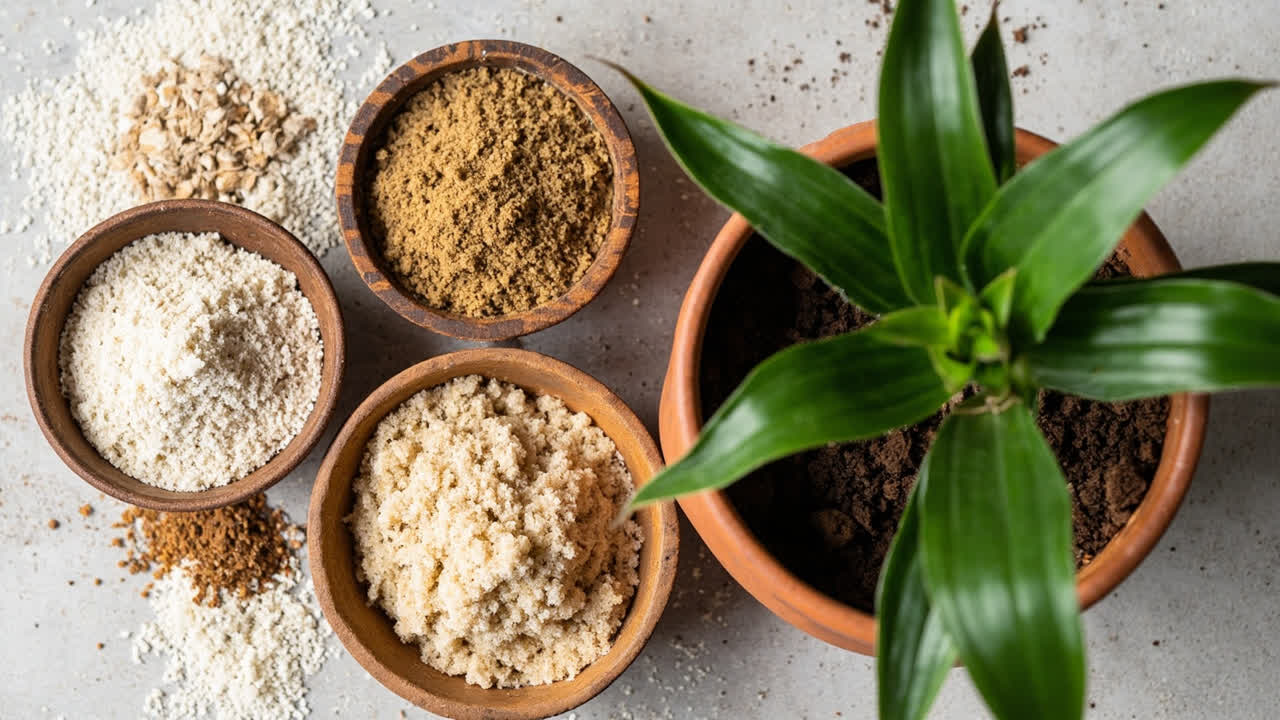
What a Proper Mass Cane Plant Soil Mix Needs
The best soil for mass cane plant must do three things simultaneously: drain fast, stay slightly moist, and provide enough structure for roots to anchor. That sounds contradictory until you understand that “moist” and “waterlogged” are not the same thing.
A proper mix has four structural components:
Drainage material — Perlite or pumice creates air pockets that let excess water escape immediately. Without these, even a peat-based mix will become compacted after two or three watering cycles. Perlite is the most accessible option; pumice is more durable over time but harder to find in small quantities.
Organic matter — Orchid bark or coconut coir provides slow-releasing nutrients and keeps the mix from collapsing entirely. Orchid bark is particularly good because it breaks down slowly, resists compaction, and mimics the rocky substrate mass cane plant encounters in its native environment.
Peat or coco coir base — This retains enough moisture to keep the plant hydrated between waterings without saturating the root zone. Coco coir is the more sustainable option and resists compaction better than peat over time.
Coarse sand or grit — Horticultural grit or coarse sand adds weight and prevents the mix from becoming too fluffy. It also improves drainage at the bottom of the pot where water tends to collect.
The DIY Soil Recipe That Actually Works
Mix this at home. You will spend less than you would on a premium potting brand, and the results are consistently better.
Combine the following by volume:
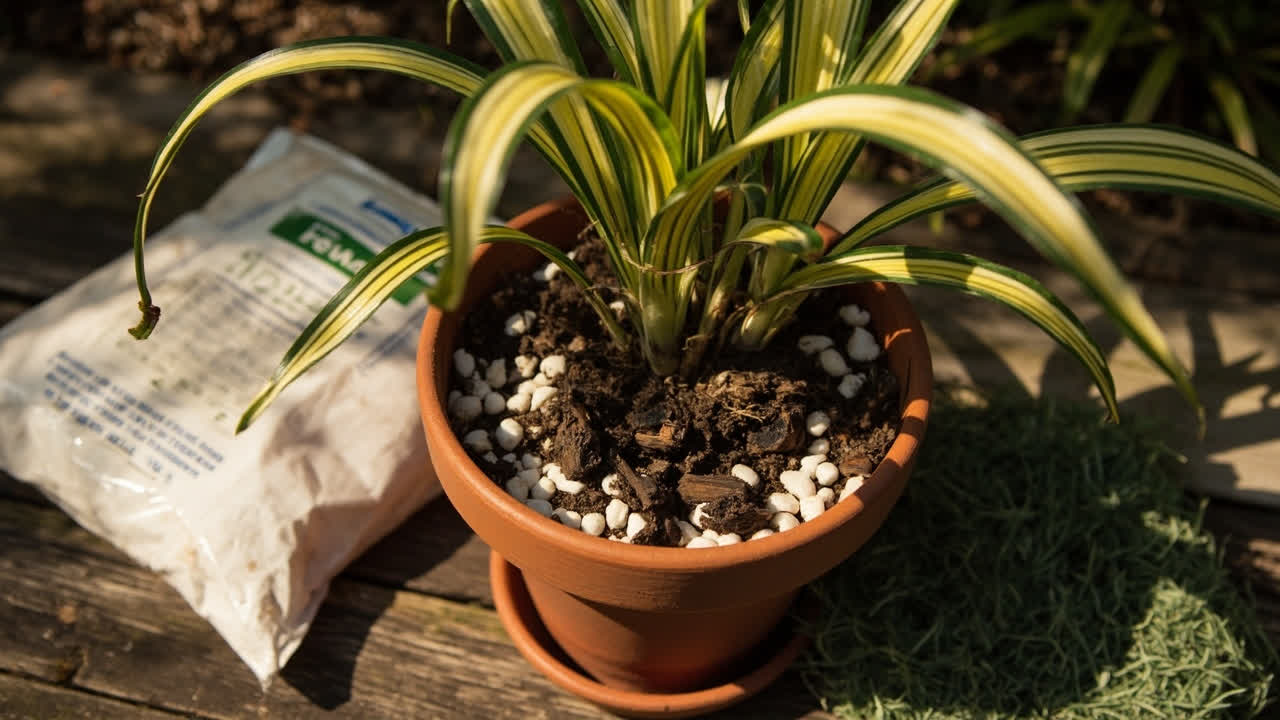
Two parts peat or coco coir. Two parts orchid bark (medium grade, half-inch pieces). One part perlite. One part coarse sand or grit. Add a tablespoon of dolomitic limestone per gallon of mix to stabilise the pH — mass cane plant prefers slightly acidic to neutral soil in the 6.0 to 7.0 range.
Stir everything together in a large bucket until it is evenly distributed. Dampen the mix slightly before you use it so it is easier to work with and settles evenly around the roots.
When you repot your mass cane plant into this mix, you will immediately notice it drains faster than what you used before. That is correct. Water should flow through the top of the pot and exit the drainage hole within a few seconds of watering. If it pools or sits, you have a drainage problem somewhere in your container or mix.
How to Tell If Your Current Soil Is the Problem
Before you repot, confirm that the soil is actually the issue. Several symptoms point directly to soil-related distress rather than lighting, temperature, or pest problems.
If your mass cane plant has yellow leaves starting from the bottom and working upward, check the soil. If the soil stays wet for more than four days after watering, that is the problem. If you lift the pot and it feels unusually heavy — heavier than it should after the soil has dried out — that confirms excess moisture is trapped.
Another tell: a musty smell coming from the soil or the base of the stems. Root rot produces an earthy, sour odour. If you catch that, the rot has already begun and repotting into fresh, fast-draining mix is the best intervention you have.
If the plant has stopped growing entirely but the leaves look otherwise healthy, the roots may be too compacted or waterlogged to push new growth. Repotting gives them space to recover.
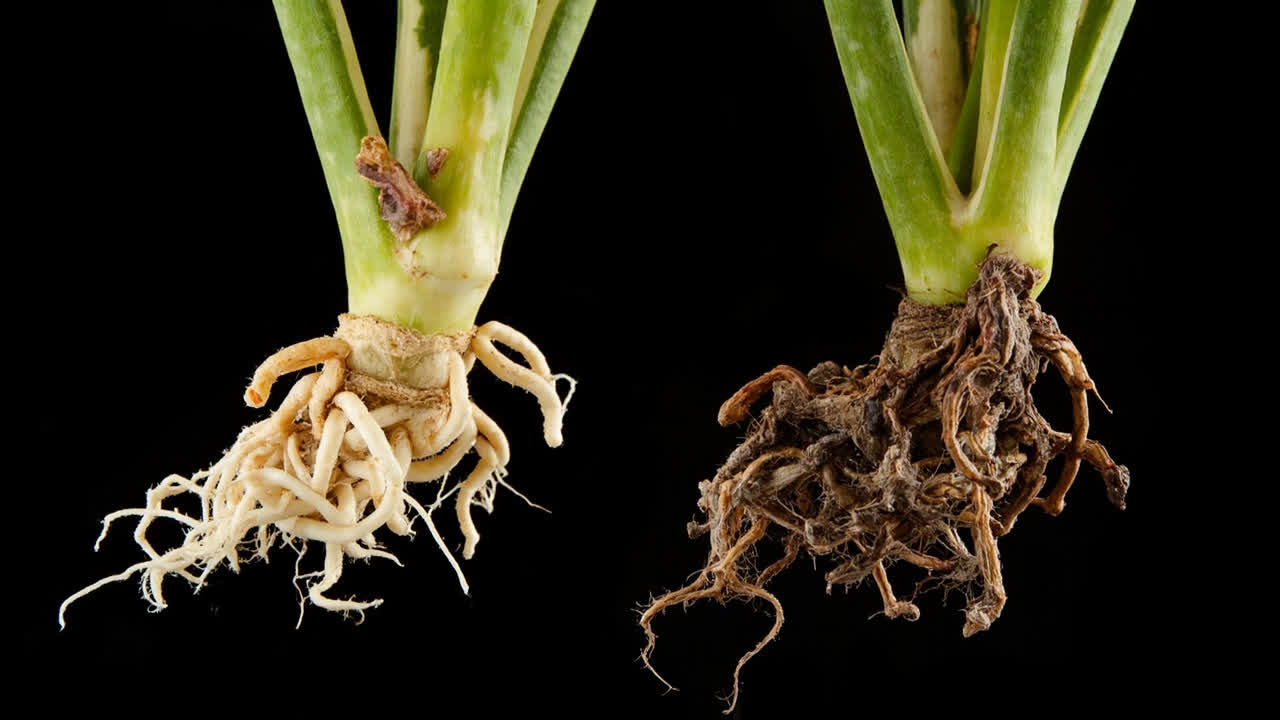
Check the roots if you can without destroying the plant. Slide the root ball out of the pot and look at the roots. White, firm roots indicate healthy soil conditions. Brown, soft, or slimy roots indicate rot. Even partial rot is a signal that the soil mix and watering frequency both need attention.
Pot Material: Terra Cotta vs Plastic
The pot your mass cane plant lives in changes how the soil performs. Terra cotta is porous, which means the walls of the pot actually pull moisture out of the soil and evaporate it. This creates a drying cycle that is genuinely beneficial for mass cane plant — roots are never sitting in standing water, even if you accidentally overwater.
Plastic pots retain moisture longer because the walls are non-porous. Water exits only through the bottom drainage hole. In high humidity or low light conditions, soil in a plastic pot can stay damp for a week or more. For mass cane plant, that is risky.
If you use plastic, go up in drainage. Add a thicker layer of perlite or gravel at the bottom of the pot, and water less frequently than you would with terra cotta. Many people find that plastic nursery pots work fine if the soil mix is fast-draining enough to compensate.
Terra cotta is the safer choice for mass cane plant if your watering routine is inconsistent or if you tend to err on the side of too much water. The plant tolerates brief dry periods much better than prolonged wet ones, and terra cotta creates that buffer naturally.
Repotting Frequency and Soil Maintenance
Mass cane plant grows slowly, so you do not need to repot every year. Once every two to three years is typical for a mature plant. The best time to repot is early spring, just before the active growing season begins. This gives roots time to establish in fresh soil before summer heat increases evaporation.
When you repot, go up one pot size only — a pot that is two inches larger in diameter than the current one. Too much new soil surrounding a root system that has not grown into it yet can stay wet too long and defeat the purpose of fresh mix.
If your current soil mix is more than a year old and contains peat, check whether it has compacted significantly. Even high-quality mixes break down over time as organic matter decomposes. Repotting with fresh mix restores the structure and drainage capacity the plant needs.
Pairing Good Soil With Smart Watering
Soil and watering are a system. The best soil for mass cane plant still fails if you water on a fixed schedule regardless of soil moisture. Check the top inch of soil with your finger before you water. If it feels damp, wait another two or three days. If it is dry, water thoroughly until you see moisture exit the drainage hole, then stop.
This check-and-respond approach is far more reliable than weekly watering schedules because indoor conditions — light, temperature, humidity — change with seasons and HVAC use. Your mass cane plant’s water needs in January are different from its needs in July. Our guide on how often to water mass cane plant covers the seasonal adjustments you need to make.
When you water correctly and your soil drains fast, you will notice the plant stays consistently healthier through seasonal transitions. Our step-by-step guide on how to water mass cane plant properly walks through the full process from checking moisture to emptying saucers.
The Takeaway on Soil for Mass Cane Plant
Mass cane plant does not recover quickly from root rot. Prevention is the only reliable strategy, and the foundation of that strategy is soil that drains fast, breathes, and dries appropriately between waterings. A simple mix of peat or coco coir, orchid bark, perlite, and coarse sand gives you that — and it is something you can mix at home for less than a specialty potting brand costs.
Once your soil is right, everything else in your care routine works better. Your plant grows more consistently, responds more reliably to your care schedule, and develops the kind of strong, upright growth that makes mass cane plant such a satisfying indoor plant to keep. Browse our full mass cane plant guide to see how healthy soil connects to every other aspect of growing this plant well.
If you are starting a new mass cane plant or propagating an existing one, fresh, fast-draining soil at the repotting stage sets the entire plant up for success. Our propagation guide shows you exactly how to pot new cuttings in the right soil from the first day.
Use this soil recipe when you repot your mass cane plant and you will notice the difference in how your plant grows, breathes, and stays resilient through seasonal changes in your home environment.
Turn That PDF Into a Spreadsheet in Minutes
You've seen how to do it manually — now let the tool handle the heavy lifting. Upload your bank statement and get Excel, CSV, or QBO in a few clicks.