
Mass cane plant care starts with understanding a counterintuitive reality: this plant’s biggest killer isn’t neglect — it’s overcare.
Most people bring home a Mass Cane (Dracaena fragrans ‘Massangeana’, also called the Corn Plant) for its reputation as an “unbreakable” houseplant — then watch the leaf tips turn brown within weeks.
The culprit is usually fluoride in tap water, a sensitivity that surprises even experienced plant parents. This guide covers everything you need to keep your Mass Cane thriving for years.
The Mass Cane is a tropical evergreen shrub native to Tropical Africa, where it grows as an understory plant beneath forest canopies. Its botanical name — Dracaena fragrans ‘Massangeana’ — reflects its fragrant flowers, though indoor specimens rarely bloom.
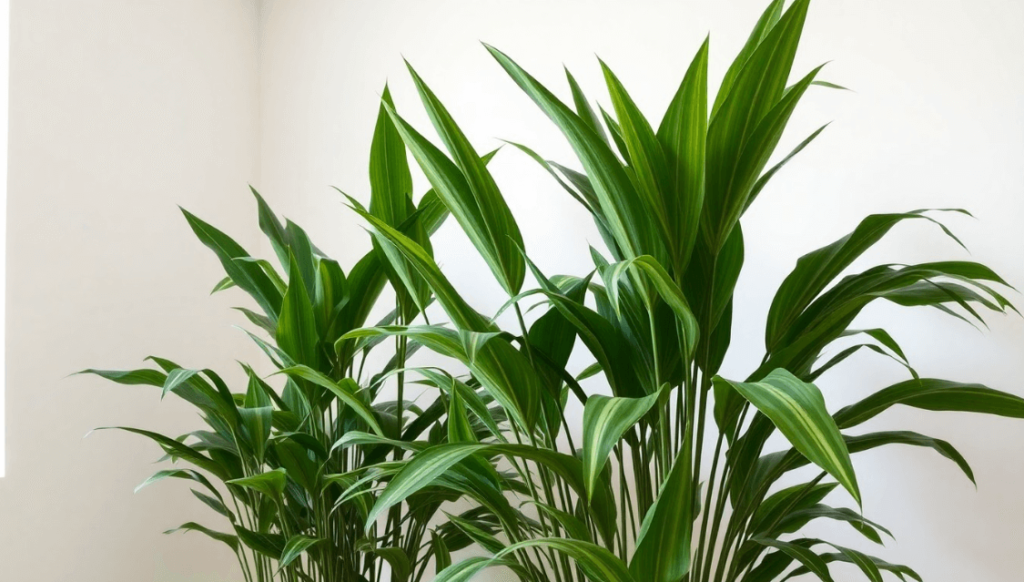
The plant’s signature feature is its variegated yellow-green striped leaves that emerge from a central cane-like stem, giving it a architectural, sculptural presence that works in any room.
As a low-maintenance houseplant, it tolerates low light, infrequent watering, and neglect that would kill more sensitive species — but it has specific sensitivities around water quality and drainage that most care guides gloss over.
Understanding Your Mass Cane Plant
The Mass Cane belongs to the Dracaena genus, a group of approximately 120 species known for their resilience and distinctive architectural form.
Unlike many houseplants that need bright direct light, the Mass Cane naturally thrives under forest canopies in the wild, making it one of the most shade-tolerant indoor plants you can grow. This adaptation means it handles dim corners, offices, and north-facing windows better than most flowering houseplants.
What makes the Mass Cane genuinely different from other indoor plants is its fluoride sensitivity. Unlike the related lucky bamboo (Dracaena braunii) which is more forgiving of water quality, Mass Cane reacts badly to fluoride, chlorine, and soluble salts that accumulate in soil from tap water and fertilizer.
This isn’t a minor footnote — it’s the primary reason most Mass Canes develop brown leaf tips in typical home conditions. Understanding this sensitivity changes everything about how you care for the plant.
Light Requirements
Mass Cane adapts to a wide range of light conditions, from low light (under 50 foot-candles) to bright indirect light (up to 2,000 foot-candles). The ideal range for optimal growth is 150–500 foot-candles — roughly what you’d find 4–8 feet from a north or east-facing window. Direct sunlight burns the leaves, causing bleached yellow patches that are irreversible.
In low-light conditions, the plant grows more slowly and may lose some variegation, but it survives remarkably well. If you’re trying to revive a Mass Cane in a dim room, move it closer to a window gradually — sudden changes cause stress. Bright indirect light produces the most vibrant variegation and fastest growth, but the plant stays healthy even in moderate light as long as you adjust watering accordingly.
Signs of Light Problems
Too much light manifests as sunburned leaves with brown or bleached patches, typically on the side facing the window. Too little light shows as dim, washed-out variegation, slow growth, and a leggy, stretched appearance as the plant reaches toward whatever light it can find. If your Mass Cane grows only toward one side, rotate it a quarter-turn every month to even out its shape.
Watering: The Most Critical Care Variable
Water quality is the make-or-break factor for Mass Cane health. The plant is fluoride-sensitive — fluoride from tap water accumulates in leaf tissue and causes the characteristic brown tip burn that frustrates so many plant owners. Beyond fluoride, softened water (which contains sodium) and water with high chlorine also damage the plant.
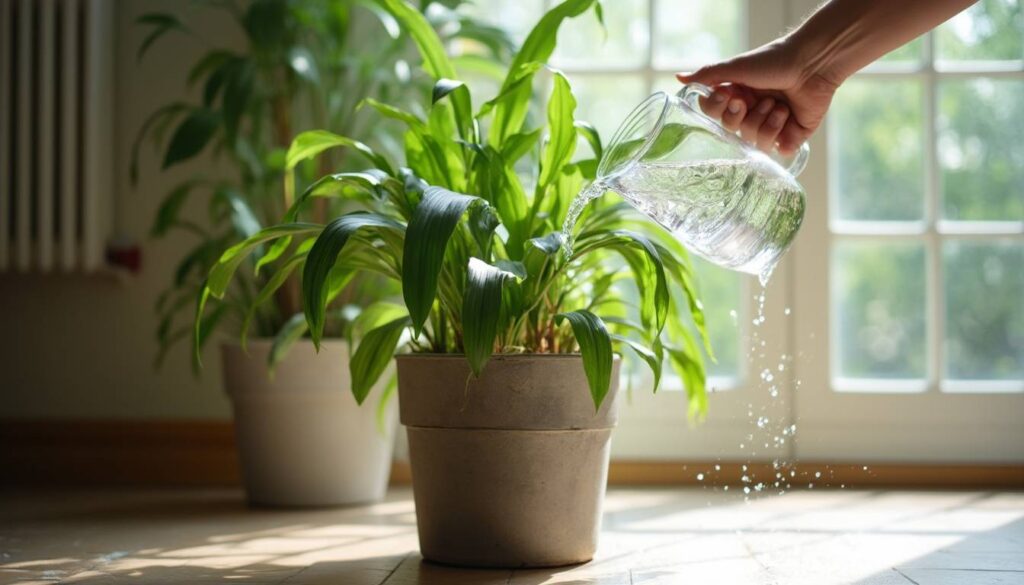
The solution is straightforward: use distilled water, rainwater, or reverse-osmosis water for your Mass Cane. This single change eliminates 90% of the brown tip problems people encounter. If you must use tap water, let it sit uncovered for 24 hours so chlorine evaporates — but this doesn’t remove fluoride, which is why distilled water is genuinely better for this plant.
For a medium-sized pot (6–8 inches diameter), water with 400–500ml of water per session. Before watering, stick your finger into the soil — if the top 2–3 inches feel dry, it’s time to water. If it’s still moist, wait another day or two. In summer (April–September), this might mean watering once a week. In winter, it may be once every 2–3 weeks.
The Percolation Test
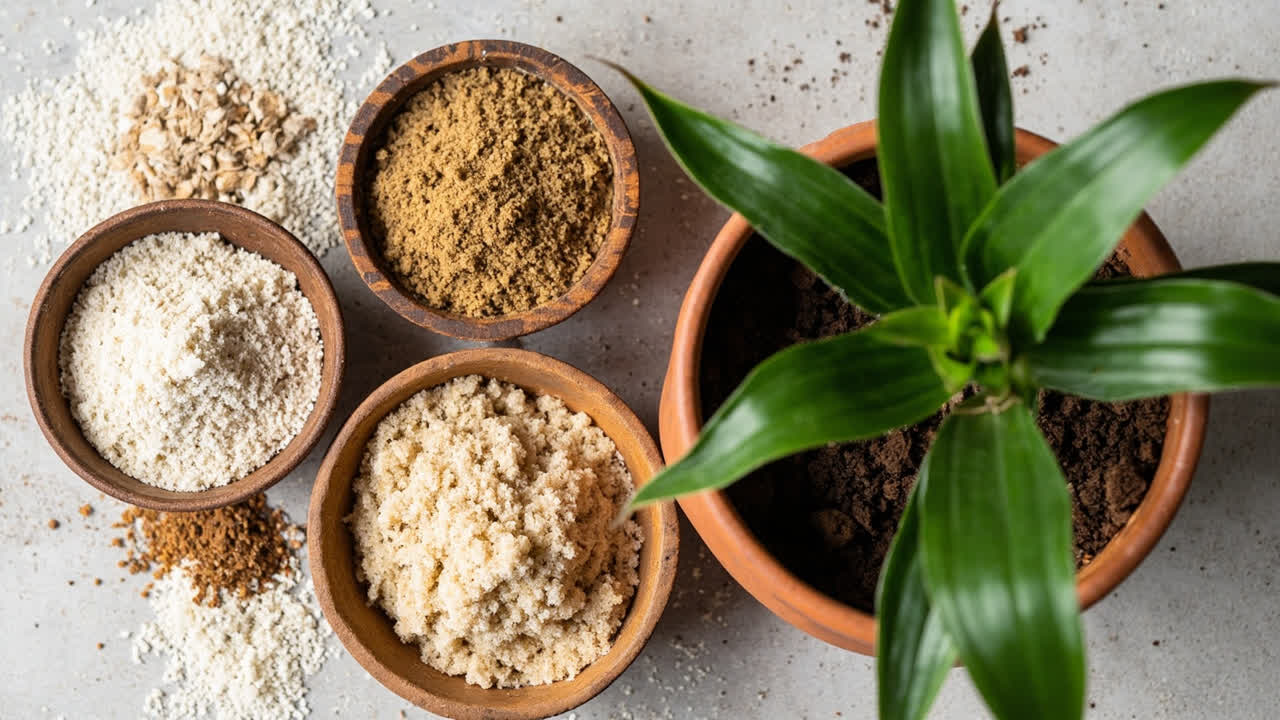
After watering, check that water drains from the bottom hole within 30 seconds. If it doesn’t, your soil is retaining too much water — root rot follows. If water sits on the surface and takes more than a minute to disappear, you have heavy soil that needs amending with perlite or coarse sand to improve drainage.
Soil and Potting Mix
Mass Cane needs a well-draining potting mix that dries within a week but still retains some moisture between waterings. A blend of 2 parts all-purpose potting mix + 1 part perlite provides the right balance. Pure peat-based mixes hold too much water; sandy mixes drain too fast and dry out the roots.
The pot must have at least one drainage hole — never plant a Mass Cane in a container without drainage. The roots are susceptible to phytophthora root rot in waterlogged conditions, and once root rot sets in, the plant declines rapidly and is difficult to save.
Repotting Schedule
Repot every 2–3 years in spring when you see roots emerging from the drainage hole or the plant’s growth has obviously slowed. Choose a pot only 1–2 inches larger in diameter than the current one — going too big causes the soil to stay wet too long between waterings. After repotting, don’t fertilize for 4–6 weeks to let the roots settle.
Temperature and Humidity
Mass Cane thrives in 65–80°F (18–27°C), which covers normal room temperatures in most homes. It tolerates temperatures down to 55°F (13°C) for short periods, but prolonged cold causes leaf damage and growth halt. Keep it away from cold drafts in winter — a position near a frequently opened front door is a common killer.
Humidity isn’t critical — the Mass Cane tolerates dry indoor air better than most tropical plants. However, if the air is very dry (below 30% relative humidity, common in heated winter homes), the leaf edges may brown. If you see this, raise humidity by placing the pot on a pebble tray with water — the evaporating water raises humidity immediately around the leaves without making the soil wetter.
Fertilizing for Healthy Growth
Feed your Mass Cane with a balanced liquid fertilizer (10-10-10 NPK) diluted to half the package strength. Apply it once monthly during the active growing season (April through September). This schedule provides enough nutrients for steady growth without building up salts in the soil that damage roots.
Cease fertilizing from November through March when growth naturally slows. Fertilizing during this dormant period causes salt accumulation in the soil, which shows up as brown leaf tips — the same symptom as fluoride damage, making it easy to misdiagnose. If you’ve been fertilizing year-round, stop and flush the soil with clean water to leach accumulated salts.
Why NPK 10-10-10?
The equal nitrogen-phosphorus-potassium ratio supports both leaf growth (nitrogen), root development (phosphorus), and overall plant health (potassium). Higher-nitrogen fertilizers push fast leafy growth at the expense of root strength, making the plant more susceptible to overwatering problems. The half-strength application prevents nutrient burn while still feeding adequately.
Pruning and Maintenance
Pruning keeps your Mass Cane looking its best and encourages bushier growth. Remove yellowing or dead leaves by pulling them off sharply downward — don’t cut them unless the leaf is partially green, in which case trim at an angle just above the green portion. Cutting entirely dead leaves flush with the cane is fine.
If your Mass Cane grows tall and leggy, you can prune the cane back to any height. New growth emerges from the cut point, often producing 2–3 new branches. The removed top can be propagated as a stem cutting — cut the cane into 6–8 inch sections, keep the orientation correct (top side up), and root in water or moist perlite. Stem cuttings root in 4–8 weeks at room temperature.

Troubleshooting Common Problems
Brown leaf tips are the most common Mass Cane complaint and have three primary causes: fluoride or salt damage from tap water or over-fertilizing, low humidity from heating or air conditioning, and natural leaf aging (older leaves at the bottom brown first and this is normal). Identify which cause applies by checking when the browning started relative to any changes in your care routine.
If the browning started after switching to tap water, that’s fluoride damage — switch to distilled water and the problem stops progressing within 2–4 weeks, though already-browned tips won’t turn green. If it started in winter when heating is on, it’s low humidity — raise it with a pebble tray. Both causes are fixable; the plant recovers fully once you correct the underlying issue.
Yellow leaves usually indicate overwatering. Check the soil — if it’s wet 2 inches down and the pot hasn’t drained properly, let it dry completely before watering again. Also check that the drainage hole isn’t blocked. Yellow leaves can also signal insufficient light or nutrient deficiency, but overwatering is by far the most common cause in indoor settings.
Soft brown stems at the base indicate stem rot from overwatering — this is a serious condition. Stop watering immediately, let the soil dry completely, and if the base is mushy and dark, the plant may not recover. If caught early (stem still firm), unpot the plant, trim rotted roots, and repot in fresh, dry soil. Don’t water for 2 weeks, then water sparingly.
Pest Management
Mass Cane is relatively pest-resistant but can harbor mealybugs, spider mites, and scale insects. Spider mites are the most common, especially in dry conditions — they show as fine webbing between leaves and tiny yellow stippling on leaf surfaces. Both mealybugs and spider mites share a treatment approach: wipe the leaves with a damp cloth, then spray with neem oil solution (1 teaspoon neem oil per liter of water), covering all leaf surfaces and Repeat every 7–10 days for three applications to eliminate eggs and hatchlings. Scale insects appear as brown oval bumps on stems and leaves — remove them with a cotton swab dipped in rubbing alcohol, then follow with a neem oil spray.
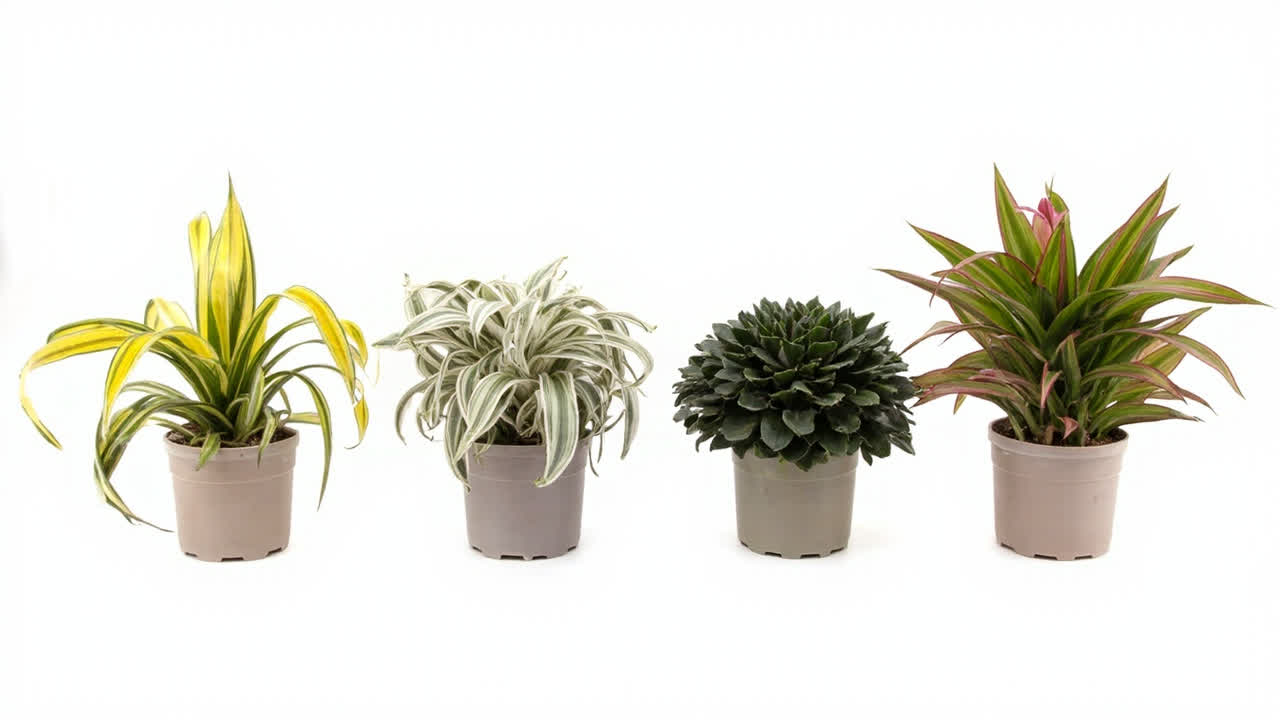
For spider mites specifically — if you have a spider plant with similar pest issues, the same treatment applies. Spider plants and Mass Canes share vulnerability to spider mites, making the recovery process similar for both. The neem oil dilution rate (1 tsp per liter) works for both plants.
Propagation: Expanding Your Collection
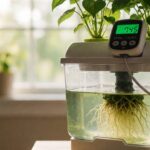
Mass Cane propagates reliably from stem cuttings, making it one of the easiest houseplants to multiply. Cut a healthy cane section 6–8 inches long, keeping track of which end is the top (cut at a slight angle so you can identify orientation — cuttings planted upside down won’t root). Let the cut end dry for 24 hours to callous, then place it in a jar of distilled water with the bottom inch submerged.
Change the water every 3–4 days. Roots appear in 4–8 weeks. Once roots are 2–3 inches long, plant the cutting in a small pot with the perlite-enhanced potting mix described above. Keep the new plant in bright indirect light and mist occasionally while it establishes. Alternatively, plant the cutting directly in moist perlite, keeping it consistently damp but not wet — this method works but is less visible so you can’t monitor root progress.
Toxicity and Pet Safety
All Dracaena species, including Mass Cane, contain saponins — compounds toxic to cats and dogs if ingested. Symptoms include vomiting (sometimes with blood), depression, anorexia, hypersalivation, and dilated pupils. If your pet chews a Mass Cane leaf, contact your veterinarian immediately. Keep tall specimens on high shelves or in rooms pets cannot access. This toxicity applies to all plant parts, though the bitter taste usually deters pets from eating large quantities.
Decision Guidance: When to Repot, Call a Pro, or Move House
Repot in spring when you see roots emerging from the drainage hole, growth has slowed despite proper care, or the plant topples easily (weight is disproportionate to pot size). The best window is March through May — the plant recovers quickly with warm weather and increasing daylight. Use this same window if you need to divide a mature Mass Cane that has produced multiple basal shoots.
Call a plant professional if you see rapid decline despite correcting care (sudden total leaf drop, expanding soft rot at the base), if the plant shows signs of viral infection (mosaic patterns on leaves, distorted growth that spreads to new leaves), or if you want expert assessment of an expensive specimen. Many plant clinics and botanical gardens offer diagnosis services — photos plus a description of your care routine usually give them enough to identify the problem.
Moving house with a Mass Cane is straightforward. Water the plant 2–3 days before the move so the soil is moist but not wet (wet soil makes the pot heavy and the plant prone to root damage from jostling). Wrap the pot in plastic to contain soil and protect the leaves with newspaper or cardboard. In your new home, place the plant in its permanent position and resume normal care after 1 week — moving stress means the plant may look a bit tired, but it recovers within a month.
The Bottom Line
Mass Cane plant care succeeds when you understand its two non-negotiables: fluoride-free water and good drainage. Everything else — light, temperature, humidity — falls within a wide comfort zone that matches typical home conditions.
Water with distilled or rainwater, let the top 2–3 inches of soil dry between waterings, fertilize monthly April–September with half-strength 10-10-10, and keep the plant in bright indirect light.
Get these basics right and your Mass Cane will grow steadily for years, reaching 4–6 feet with architectural cane stems and sweeping variegated leaves.
The brown tip problem that frustrates most owners is almost always fixed by switching water sources — a cheap, simple solution that makes the difference between a struggling plant and a thriving one.
With attention to detail and consistent care aligned to what this specific plant actually needs — not generic houseplant advice — anyone can successfully grow a Mass Cane into a long-lived, statement piece that transforms any room it occupies.
From Bank Statement to QuickBooks-Ready File
That manual cleanup you just read about? This tool skips it. Turn your PDF into QBO for QuickBooks without storing your data anywhere.
Start Converting