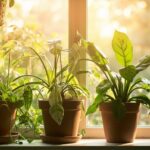
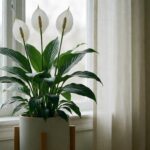
Alocasia needs more light than most people expect. The large, thin leaves suggest a plant that prefers shade, but in its natural habitat, it grows at the edges of forests where light is abundant but filtered. An Alocasia in insufficient light stops growing, fails to produce new leaves, and may enter dormancy prematurely. Getting the light right is the foundation of keeping this plant alive long-term.
What Alocasia Actually Needs
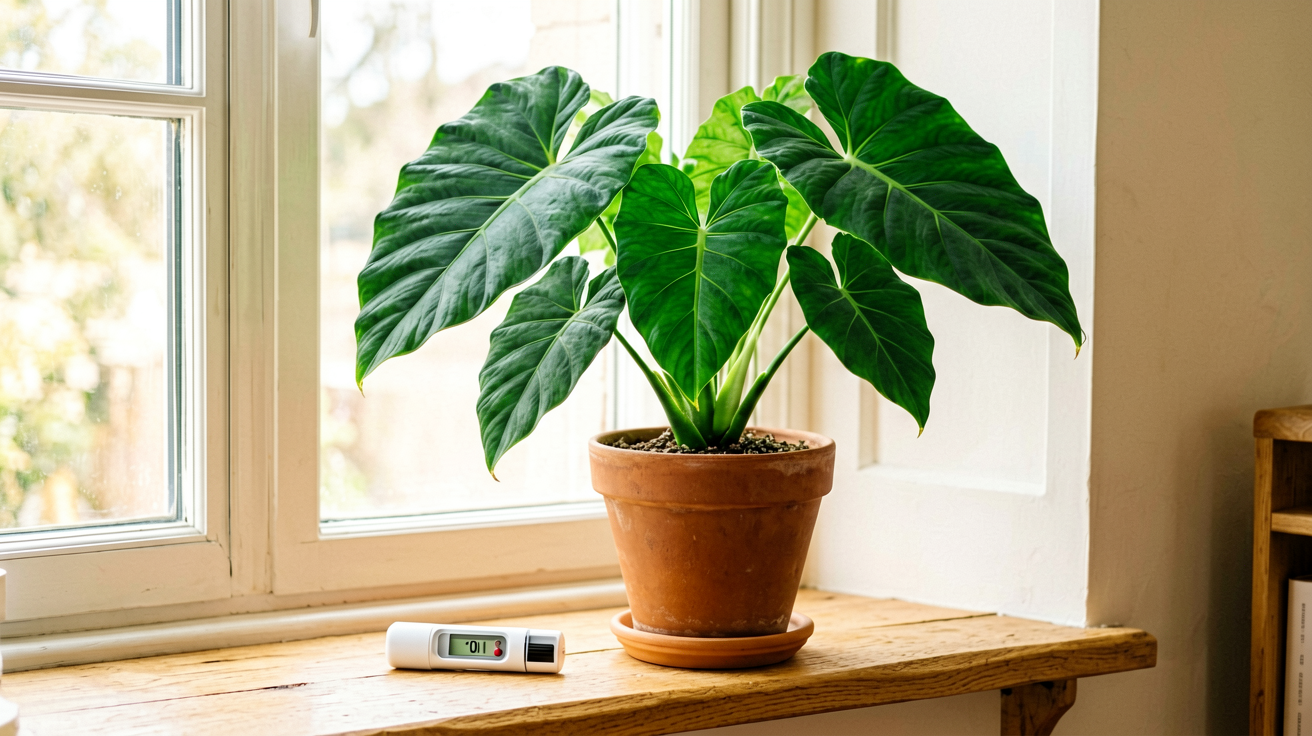
Bright, indirect light — not direct sun, not deep shade. An east-facing window is ideal: the morning sun is gentle and the rest of the day provides good ambient light. A few feet back from a south-facing window with filtered light also works. Direct afternoon sun burns the large thin leaves rapidly — within hours, the edges turn brown and crispy and the leaf surface develops pale, papery patches.
Insufficient light causes slow growth, small new leaves, and leggy, weak stems. The plant reaches toward light sources and produces elongated growth that is structurally weak. If your Alocasia is producing small, widely-spaced leaves on long, thin petioles, it needs more light.
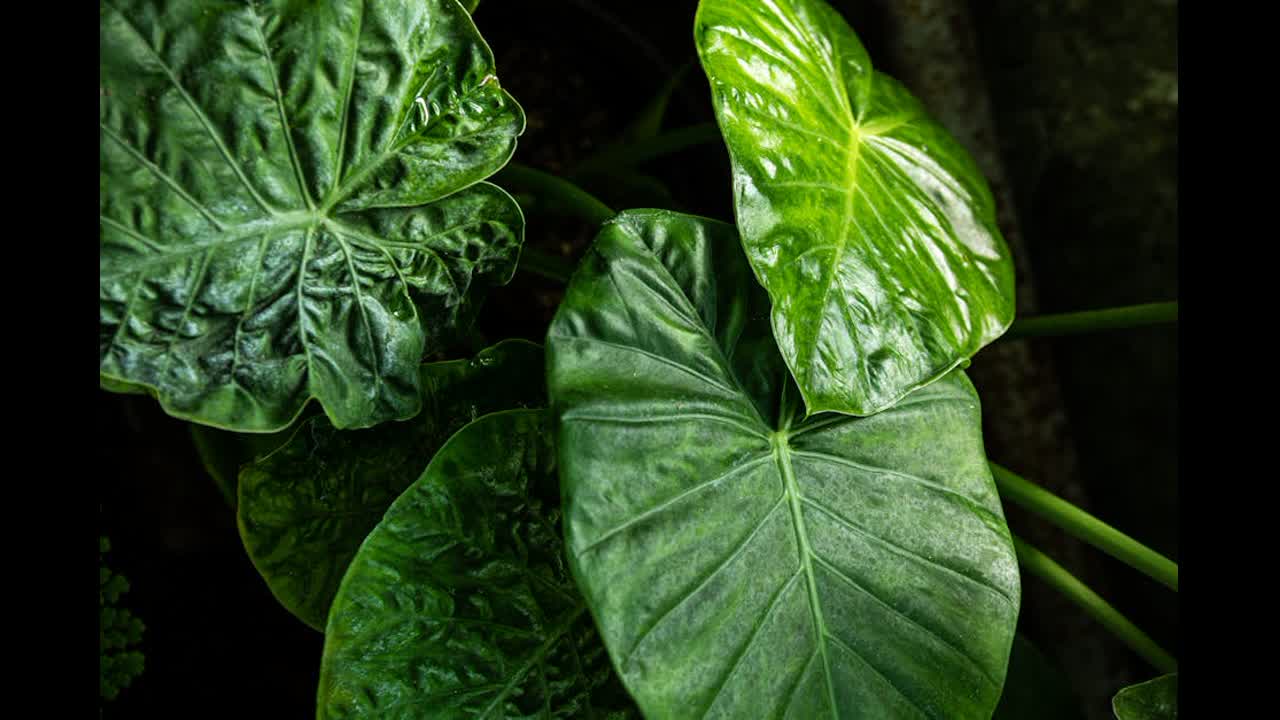
Signs of Insufficient Light
The clearest sign is the absence of new growth during the growing season. An actively growing Alocasia produces a new leaf every four to six weeks in good conditions. If months pass without a new leaf, and the existing leaves look healthy but the plant has simply stopped growing, the light is insufficient.
Leggy growth — long leaf stalks with widely spaced leaves reaching toward a light source — indicates the plant is compensating for inadequate light by stretching toward whatever is available. Move it closer to a window or to a brighter position. The existing leggy growth will not recover, but new growth in better light will be more compact and structurally sound.
Signs of Too Much Light
Direct afternoon sun causes rapid, severe damage. The large thin leaves lose moisture faster than the root system can supply it, and the tissue dies. The damage appears as brown, crispy edges and pale bleached patches on the leaf surface. This damage is permanent on affected leaves.
If your Alocasia is near a south- or west-facing window without a curtain, move it back or filter the light. Sheer curtains reduce the intensity of direct light significantly and prevent most sun damage while allowing enough light through for active growth.
Growing Alocasia in Low Light
Alocasia is not a low-light plant. It will not survive in a dark corner or a room with no natural light without supplementation. If you need to grow Alocasia away from a window, use LED grow lights positioned 12–18 inches above the plant, running for 10–12 hours per day. This provides sufficient light for active growth and will maintain the large, vibrant leaves that make Alocasia so striking.
A bathroom with a window is an excellent position — the humidity is naturally higher and the light is usually sufficient for Alocasia. Bedrooms and living rooms with east- or north-facing windows also work. South-facing rooms require the plant to be positioned away from direct windows or behind a sheer curtain.
The Light-Dormancy Connection
Insufficient light is one of the triggers for Alocasia dormancy. When the plant receives insufficient light to sustain its large leaves, it cuts its losses and dies back to its corms, waiting for better conditions. If your Alocasia enters dormancy in summer despite being in a warm room, the light is often the cause. Improving the light when the plant resumes growth prevents the dormancy cycle from repeating.
From Bank Statement to QuickBooks-Ready File
That manual cleanup you just read about? This tool skips it. Turn your PDF into QBO for QuickBooks without storing your data anywhere.
Start Converting