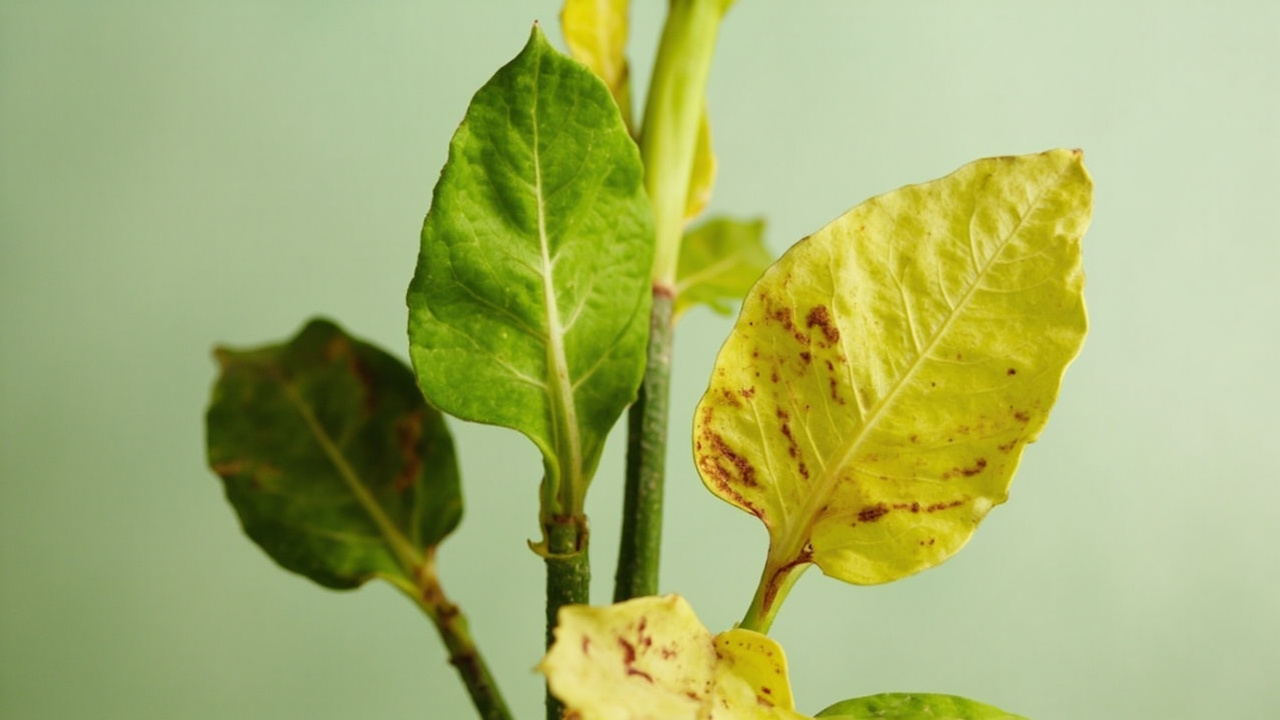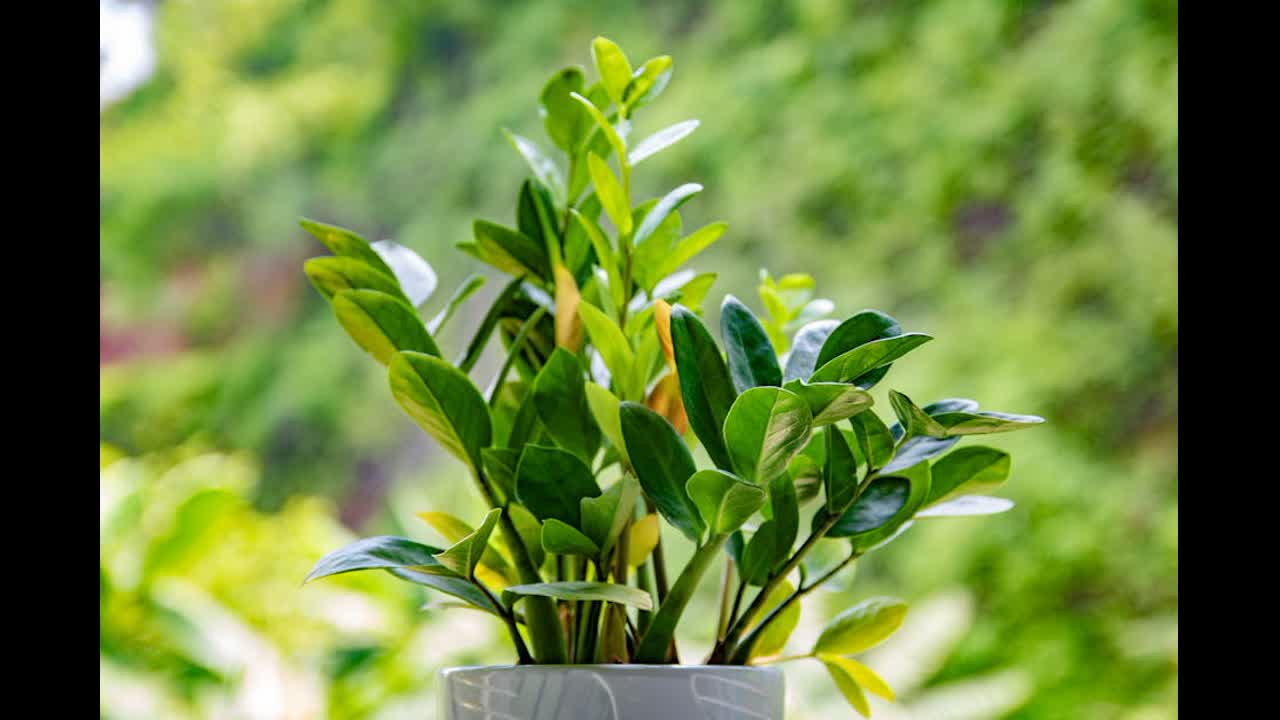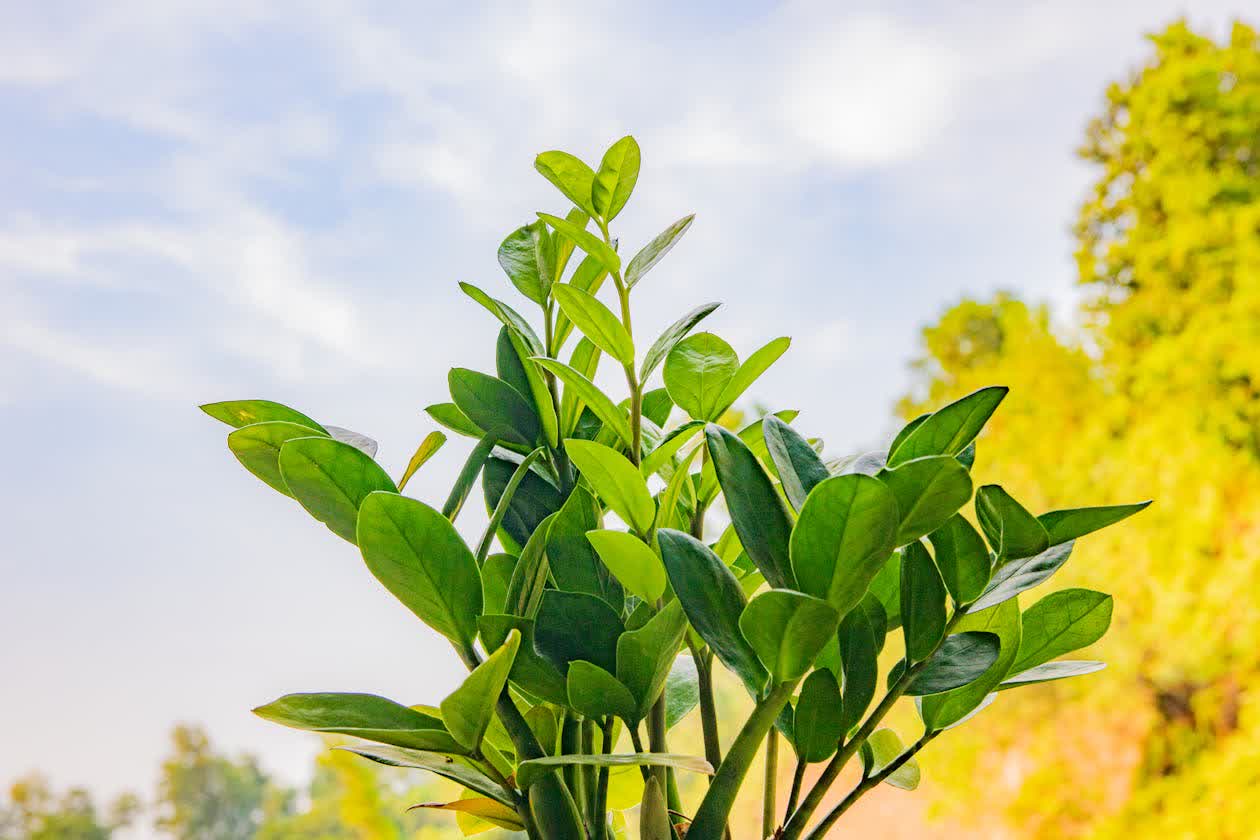

Your ZZ plant looked fine last month. Now the stems are starting to droop, a few of the thick rhizomes look a little soft at the edges, and you’re wondering if the plant is just thirsty. You’re about to water it again — but stop. There’s a good chance you’re looking at root rot.
ZZ plants are nearly indestructible in most respects, but they have one genuine vulnerability: their rhizomes store a lot of water, which means they tolerate drought well but makes them deeply susceptible to rot if that water hangs around the roots. Unlike a tropical plant that shows immediate wilting when overwatered, a ZZ plant with root rot can look mostly fine for weeks before the damage becomes obvious.
Why ZZ Plants Are Especially Vulnerable to Root Rot
ZZ plants (Zamioculcas zamiifolia) are native to East Africa, where they grow in dry, rocky soil with sharp drainage. Their rhizomes — the thick underground structures that look something like potatoes — are designed to store water during drought and release it slowly. When these rhizomes sit in saturated soil, they absorb more water than they can use, and the excess creates the anaerobic conditions where rot sets in.
The key distinction: the ZZ plant’s rhizomes are not roots in the traditional sense. They function as water storage organs. When they begin to rot, the plant can’t draw up water even when the soil is damp — which is why an overwatered ZZ plant in rotting soil looks like it’s underwatered. The leaves droop, the stems lose their rigidity, and the natural response — watering more — accelerates the rot. For the full watering guide, zz plant care guide has the correct approach.
The Overwatering Trap
Most people who encounter ZZ plant root rot got there by watering on a schedule rather than in response to the plant’s actual needs. The ZZ plant’s water storage capacity means it goes 3-4 weeks between waterings easily in most indoor conditions. When a plant tolerates neglect this well, the temptation is to either water on a fixed weekly schedule or to interpret any slight droop as a need for water. Both patterns lead to the same outcome.
The fix is simple and the prevention is simpler: water only when the soil is completely dry, to the point where you’d be comfortable leaving it another week without concern.
How to Identify Root Rot in ZZ Plants
The Early Signs
The earliest signal is soil that stays damp for weeks after watering. If you watered three weeks ago and the soil still feels moist — not just surface-dry but genuinely damp 2 inches down — you have a drainage problem or a watering frequency problem, and the rhizomes have likely been sitting in wet soil long enough to begin softening.
A ZZ plant in early root rot may show slight dulling of the normally glossy leaves. The shine that makes ZZ plants look almost artificial in their perfection starts to fade slightly. This is subtle — most people miss it until the next symptom appears. For the full symptom range, zz plant problems guide covers every diagnosis.
The Advanced Signs
When root rot progresses, the stems closest to the soil line start to yellow. This spreads upward. The rhizomes at the surface feel soft when pressed — healthy ZZ rhizomes should feel firm and substantial, like a potato. Soft, mushy, or hollow-feeling rhizomes are rot.
In severe cases, the entire plant topples at the soil line because the rhizomes have degraded to the point where they can no longer support the stems. At this stage, the plant is usually not salvageable — but it’s worth checking the rhizomes before assuming.
The Rhizome Inspection
The only definitive way to diagnose ZZ plant root rot is to look at the rhizomes directly. Tip the plant out of its pot and brush away the soil. Healthy ZZ rhizomes are cream-colored to pale yellow, firm, and solid. They may have small feeder roots extending from them, but the main rhizome body should feel substantial.
Rotting rhizomes are dark brown to black, mushy when pressed, and may have a sour smell. If the outer shell of the rhizome is firm but the inside is soft, there’s still a chance if you remove the affected tissue. If the entire rhizome is soft throughout, it’s gone.
The critical thing to check: even if most of the rhizomes are damaged, if there’s even one firm, healthy rhizome, you may be able to save the plant by cutting away the rot and repotting the healthy piece.
How to Treat Root Rot in a ZZ Plant
Step 1: Remove and Clean
Take the plant out of its pot and shake or rinse off all the soil. Using a sharp, clean knife or pruning shears, cut away every rhizome that shows any sign of softness, discoloration, or damage. You want only firm, pale-colored tissue remaining. Be thorough — leaving even a small amount of rotting tissue will allow the rot to spread to the remaining healthy rhizomes.
Step 2: Let the Rhizomes Air Dry
Set the cleaned rhizomes on a dry surface — a paper towel, a clean shelf, anything that won’t hold moisture. Let them air dry for 24-48 hours. This allows the cut surfaces to callous over, which is essential before replanting. Without this step, the cut tissue will begin to rot immediately in fresh soil.
Step 3: Repot in Fast-Draining Soil
Use a completely fresh soil mix. A suitable ZZ plant mix: 60% potting soil, 30% perlite, 10% coarse sand. The perlite and sand ensure the mix drains fast enough that the rhizomes won’t sit in saturated conditions again.
Use a clean pot with drainage holes — the same pot can be used if it’s scrubbed clean with hot soapy water. The pot should be only slightly larger than the remaining rhizome mass. Excess soil volume holds moisture that the reduced root system can’t draw up.
Plant the rhizomes at the same depth they were previously — just below the soil surface, not buried deep. Water lightly once after planting, then leave the plant completely dry for 2-3 weeks before watering again.
Step 4: Post-Treatment Care
Place in bright indirect light — not direct sun while recovering. ZZ plants tolerate low light but grow best in bright indirect light during recovery. Do not fertilize for at least 6-8 weeks after repotting. Resume at half strength once the plant shows signs of new growth — new stems emerging from the soil is the signal.
Preventing Root Rot Going Forward
Preventing ZZ plant root rot comes down to one habit: checking soil moisture before watering. Not watering on a schedule. Not responding to slight drooping as if it’s a water emergency. Checking the soil. For the complete care routine that prevents this, zz plant care guide has everything in one place.
Push your finger into the soil up to the second knuckle. If it feels damp at all, wait. If it feels completely dry, water thoroughly — until it flows from the drainage holes — and then leave it alone until it’s dry again. In most indoor conditions in moderate light, this means watering every 2-4 weeks. In very low light, it can mean every 6-8 weeks.
The saucer under the pot matters. After watering, empty any excess water from the saucer within an hour. A ZZ plant sitting in standing water is essentially planted in saturated soil — the drainage hole does nothing if the water has nowhere to go after the saucer fills.
If you’ve had root rot once with a ZZ plant, the soil mix probably needs to be adjusted for the long term. Add more perlite. Ensure the pot has adequate drainage. Consider switching from a plastic pot to terra cotta, which dries out faster between waterings.
Turn That PDF Into a Spreadsheet in Minutes
You've seen how to do it manually — now let the tool handle the heavy lifting. Upload your bank statement and get Excel, CSV, or QBO in a few clicks.
Try It Free