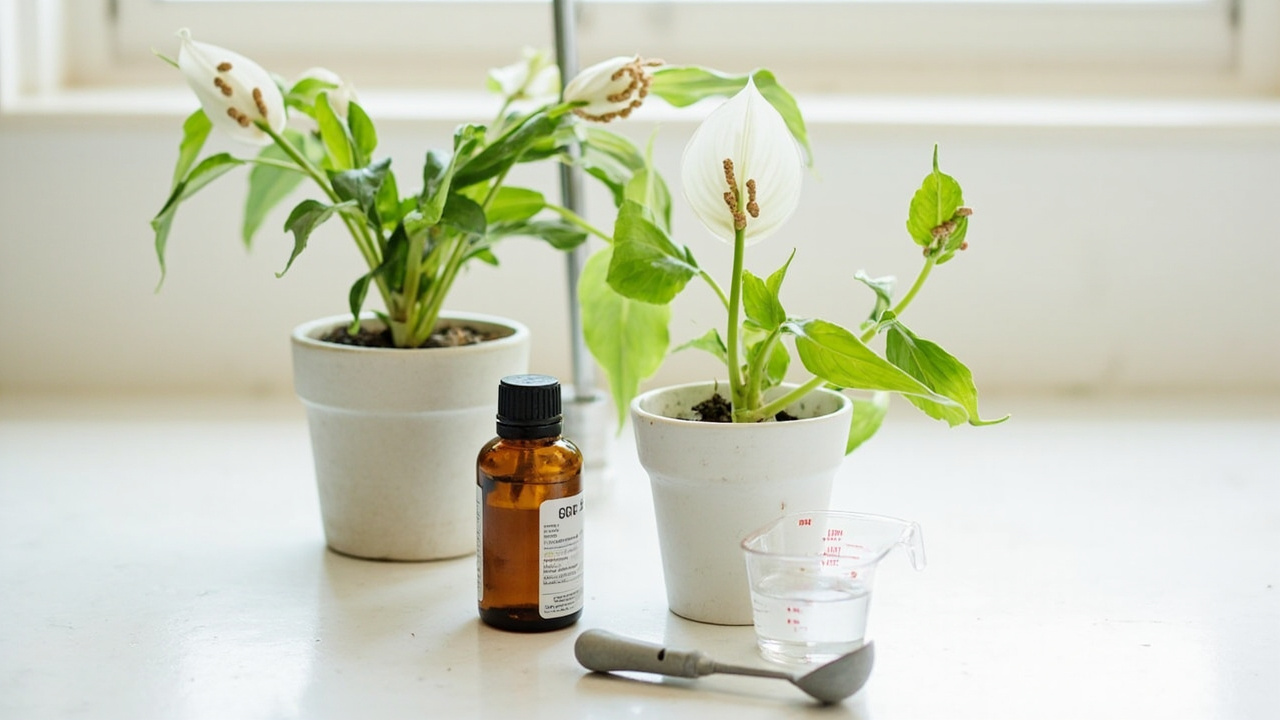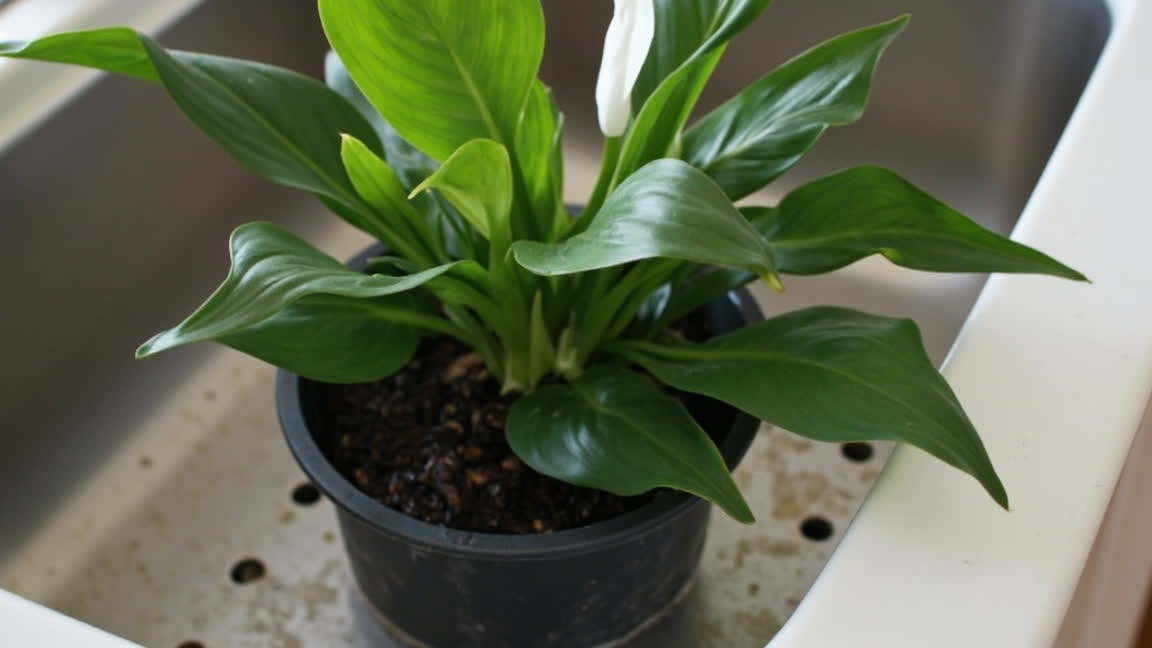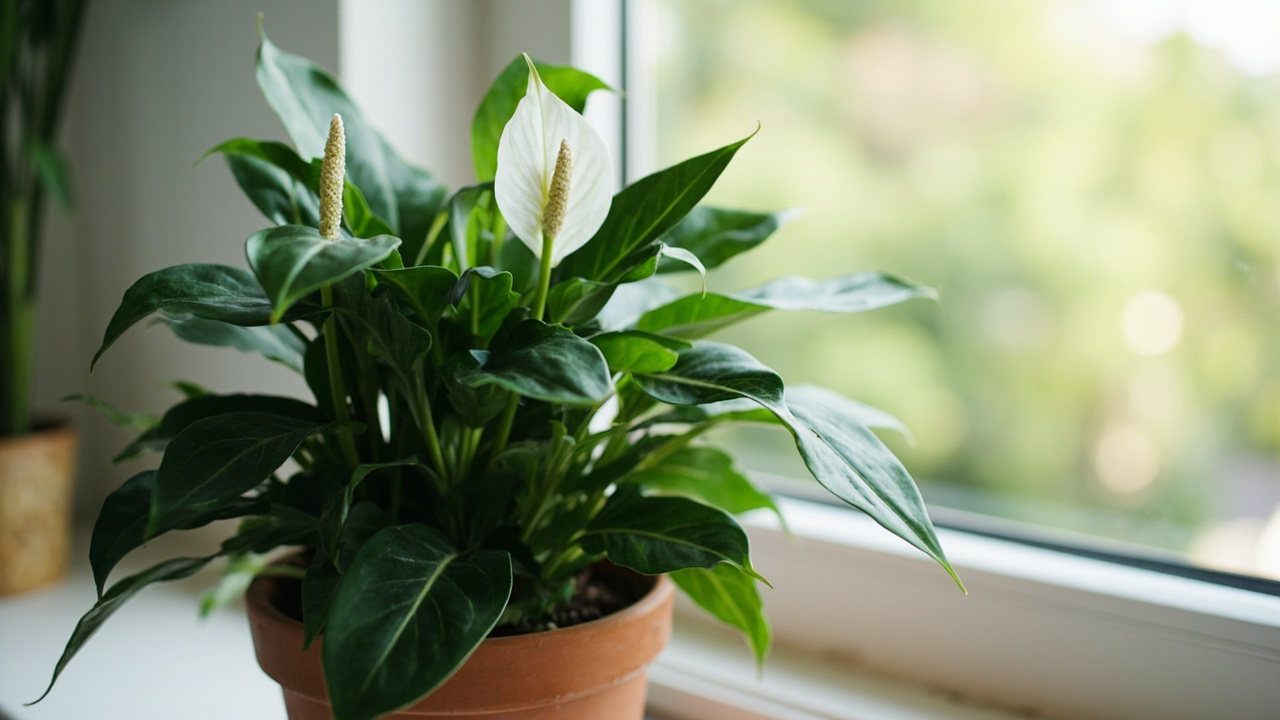

A peace lily with lush green leaves but no flowers is one of the most common frustration patterns in houseplant care. Review the peace lily care guide first to confirm the basics are covered before diagnosing bloom failure. The plant may be following a normal peace lily care routine, but one missing variable is blocking the bloom signal. The plant looks healthy, the leaves are dark, firm, and glossy, and yet the white spathes never appear. The most likely explanation is insufficient light, followed closely by the plant being root bound or receiving too much fertilizer.
Peace lilies invest energy differently depending on their conditions. When light is adequate and the plant is mature, it allocates resources to flowering. When conditions are marginal, too dark, too cramped, or overfed, the plant prioritizes leaf growth and survival over reproduction. Blooms are energetically expensive, and a peace lily will skip them rather than risk its own health.
This article walks through the seven most common reasons a peace lily stays green but does not bloom, ranked from most to least likely. Work through the list in order. Fixing the top causes resolves the issue in the majority of cases.
Cause 1: Insufficient Light (The Most Common Reason)
Low light is the number one reason a peace lily produces foliage but no flowers. Peace lilies are understory plants in their native habitat, which means they tolerate shade better than most flowering houseplants. That tolerance is also their undoing, they survive in dim rooms, but surviving is not the same as thriving, and flowering requires more energy than surviving.
A peace lily in insufficient light usually shows other signals besides the absence of blooms. The leaves may turn a paler green than usual, new growth may be smaller than previous leaves, and the plant may lean noticeably toward the nearest light source. In very low light, the plant may still produce leaves, but they come in slower and with longer internodes, the stem segments between leaves stretch out as the plant reaches for light.
The fix is to move the plant to a brighter location. Review the peace lily light requirements guide to confirm the current spot is below the threshold needed for flowering. An east-facing window with sheer curtain filtration is ideal. A north-facing window can work if the room is otherwise well lit. A west or south-facing window is acceptable if the plant is kept several feet back from the glass or behind a lightweight curtain that filters the harshest rays.
If moving the plant is not an option, a dark bathroom or office corner, for example, a low-output grow light positioned six to twelve inches above the plant for ten to twelve hours per day can substitute for natural light. Even a modest LED panel will make a measurable difference in flowering potential.
Light correction takes time. A peace lily moved from low light to adequate light does not bloom immediately. It needs two to four weeks to adjust its growth habit, and another four to eight weeks before a bloom spike emerges. Be patient during the adjustment period, the plant is rebuilding the energy reserves required for flowering.
Cause 2: The Plant Is Root Bound
A root-bound peace lily has outgrown its pot, and the crowded root system shifts the plant’s energy allocation away from flowering and toward maintaining the existing root mass. This is a surprisingly common cause of bloom failure, and it is easy to miss because the plant above ground still looks healthy.
Root binding shows through a few reliable signals. The plant may dry out unusually fast after watering, requiring water more frequently than before. The soil surface may show a dense mat of white roots. When you gently tip the pot to one side, the root ball may hold its shape completely, the soil and roots have formed a single mass that no longer moves independently.
The fix is straightforward: repot the plant into a container one size larger, no more than two inches wider in diameter. A peace lily does not need a dramatically oversized pot, a pot that is too large holds excess soil that stays wet longer, increasing the risk of root rot. One size up is the sweet spot.
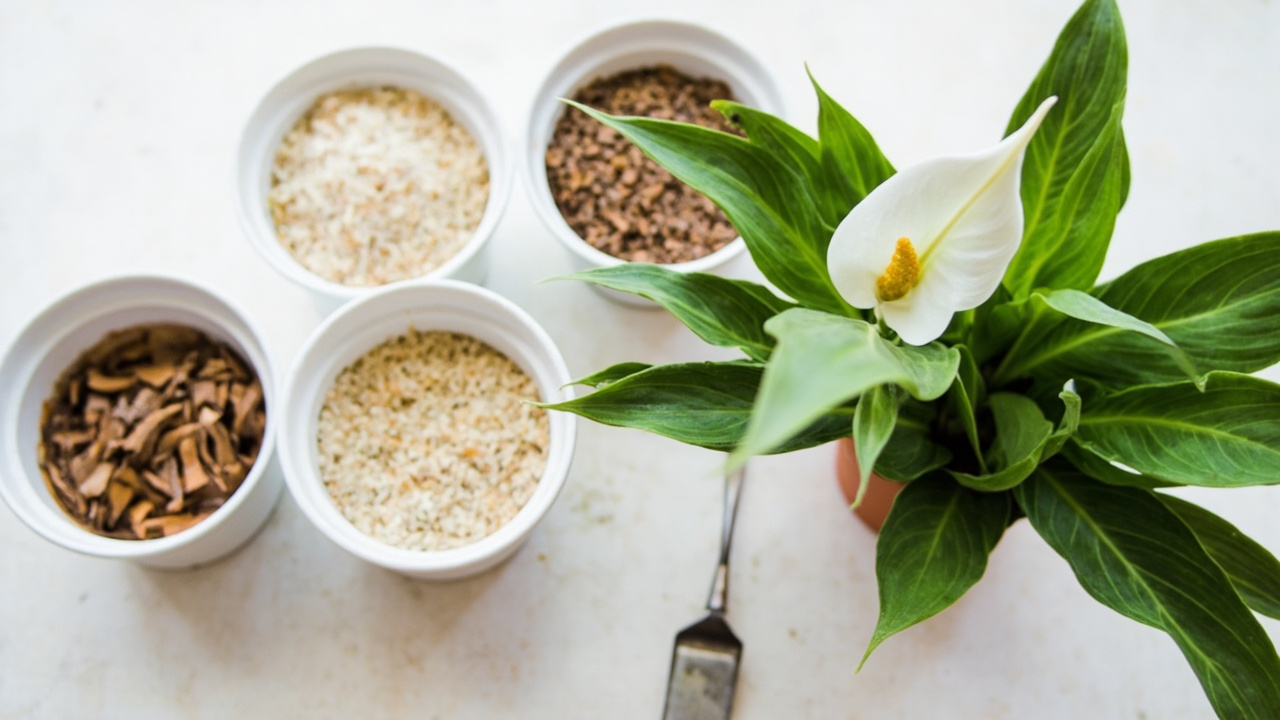
Use fresh potting mix when repotting. Old mix that has compacted over time drains poorly and holds nutrients unevenly, both of which discourage flowering. A light mix with perlite and orchid bark provides the aeration a peace lily prefers.
After repotting, expect a short adjustment period. The plant may pause new growth for one to two weeks while the roots settle into the fresh mix. Once growth resumes, flowering potential usually improves within the next growth cycle.
Cause 3: Over-Fertilizing
Excess fertilizer is the third most common cause of bloom failure in peace lilies. When a peace lily receives more nitrogen than it needs, the plant interprets the surplus as a signal to produce vegetative growth, more leaves, longer stems, denser foliage. Flowering is deprioritized because the plant is in what it perceives as a vigorous growth phase.
Over-fertilized peace lilies often have an distinguishing leaf appearance. The foliage tends to be a darker, glossier green than normal, and the leaf tips may develop brown margins from salt accumulation. If you have been fertilizing monthly with a balanced houseplant food, the plant may be receiving far more nitrogen than its slow growth rate requires.
The fix depends on the severity. For mild over-fertilizing, reduce the feeding frequency to once every six to eight weeks during the growing season, and always use half the recommended strength. Peace lilies are light feeders, and less fertilizer almost always produces better results than more. Follow the peace lily fertilizer schedule as a baseline, and scale back further if blooms are the goal.
For severe over-fertilizing, visible salt crust on the soil surface, brown tips covering multiple leaves, or a plant that has been fertilized regularly at full strength for many months, flush the pot. Water the plant thoroughly from the top until excess water runs freely from the drainage holes, repeating two or three times. This leaches accumulated salts from the soil. Allow the pot to drain completely afterward, and do not fertilize for at least six weeks before resuming a light schedule.
Switching to a fertilizer with a lower nitrogen ratio, such as a formula labeled for flowering plants or a balanced 5-10-5 instead of a standard 10-10-10, can also help shift the plant’s energy from leaf production toward bloom formation.
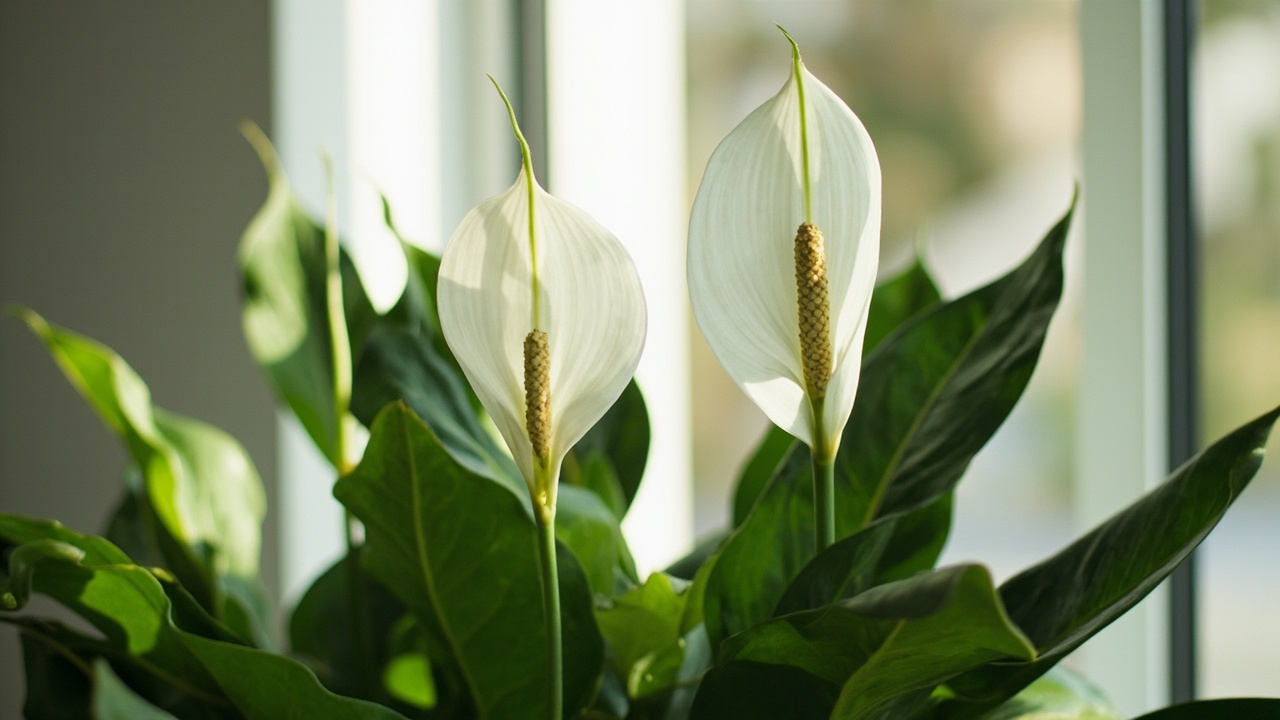
Cause 4: The Plant Is Not Mature Enough
Not every peace lily that fails to bloom is unhappy. Some plants are simply too young to flower, and no amount of light adjustment or fertilizer reduction will change that.
A peace lily propagated from a stem cutting typically takes one to two years to reach flowering maturity. A plant started from a small division may take even longer, depending on growing conditions. During the juvenile phase, the plant focuses entirely on building its root system and leaf canopy. Flowering does not begin until the plant has reached a sufficient size and energy reserve.
If your peace lily is less than a year old and has never produced a bloom, the most likely explanation is immaturity rather than a care problem. Continue providing appropriate light and watering, and the plant will likely flower once it reaches the size threshold for reproduction.
Sometimes a plant appears mature by leaf count but is still reproductively immature. Counting leaves is not a reliable indicator, focus on overall size and age instead. A large, well-established plant that has never bloomed is more likely suffering from one of the other causes on this list than from immaturity.
Cause 5: It Is in a Natural Sleep Period
Peace lilies do not bloom continuously. After a successful flowering cycle, the plant enters a rest phase, a biological pause during which it rebuilds energy reserves before attempting another bloom. This sleep period is normal and temporary, but it can last several months and is often mistaken for permanent bloom failure.
A peace lily that has recently finished blooming may take two to four months before producing another spathe, even under optimal conditions. The plant redirects its energy from flower production to leaf and root growth during this recovery phase. This is not a sign of decline, it is a sign that the plant successfully completed a reproductive cycle.
The best approach during a sleep period is to maintain normal care and resist the urge to intervene aggressively. Adding more fertilizer, moving the plant to a drastically different light level, or changing the watering schedule will not shorten the rest phase and may actually stress the plant further.
If you want to encourage a sooner return to flowering, ensure the plant is receiving consistent bright indirect light and is not root bound. A plant in good overall condition tends to exit its sleep period more quickly than one that is struggling with any of the other causes in this list.
Cause 6: Environmental Stress
Sudden changes in the plant’s environment can shut down flowering almost immediately. Peace lilies are sensitive to shifts in light, temperature, humidity, and air movement, and a recent change, even a beneficial one, can trigger a bloom pause.
Common stress triggers include moving the plant to a new room, a significant drop in room temperature during winter, exposure to a cold draft from a window or air conditioning vent, or a sudden change in humidity levels. A plant that was blooming reliably in one location may stop flowering after being moved to another, even if the new location appears similar.
The recovery protocol for environmental stress is straightforward: return the plant to stable conditions and allow it time to adjust. Do not change multiple variables at once, if you have moved the plant, adjusted the fertilizer, and changed the watering schedule simultaneously, you will not know which change helped or harmed. Make one adjustment at a time and wait two to three weeks before evaluating the result.
Draft exposure is a particularly insidious bloom-blocker. Check the peace lily watering guide for signs that the plant is stressed by temperature swings, since watering frequency and draft damage can look similar at first. A peace lily sitting near a frequently opened door, a heating vent, or an air conditioning register may experience localized temperature fluctuations that stress the plant without producing obvious visual symptoms. The leaves may look fine, but the plant is redirecting energy away from flowering and toward thermoregulation.
Cause 7: The Cultivar Simply Does Not Bloom Often
In a small number of cases, the plant is healthy, mature, well-lit, and well-fed, and it still refuses to bloom. Some peace lily cultivars are selected primarily for foliage rather than flowers, and their genetic programming favors leaf production over spathe formation.
The most common foliage-focused cultivar is Spathiphyllum ‘Dominion’, which produces dark, glossy leaves but flowers less frequently than the standard Spathiphyllum wallisii or Spathiphyllum ‘Sensation’. If your plant has broad, dark leaves and a robust growth habit but has never produced a notable bloom, it may be a cultivar that simply does not prioritize flowering.
This is not a care failure, it is a genetic trait. The plant is healthy and fulfilling its biological purpose; it is just expressing that purpose through foliage rather than flowers. If blooms are important to you, consider acquiring a different cultivar known for frequent flowering, such as Spathiphyllum ‘Sensation’ or the standard Spathiphyllum wallisii.
Even among flowering cultivars, individual variation exists. Two plants of the same variety grown under identical conditions may produce very different numbers of blooms. Genetics, micro-environment, and random developmental factors all play a role, and sometimes the best response to a non-blooming plant is simply to appreciate its foliage while continuing to provide good care.
Diagnostic Checklist: Work Through These in Order
If your peace lily is not flowering, run through this quick checklist in sequence. Each question narrows the likely cause.
First, check the light. Is the plant receiving bright indirect light, or is it in a dim room or far from a window? If light is insufficient, move it and wait four to eight weeks before reassessing.
Second, check the pot. Has the plant outgrown its container? Lift the pot, if it feels unusually heavy for its size and the roots are visible at the drainage holes, the plant is likely root bound. Repot into a container one size larger.
Third, check the fertilizer history. Have you been feeding monthly at full strength? If so, reduce to half strength every six to eight weeks and flush the soil if salt buildup is visible.
Fourth, check the plant’s age. Is it less than a year old and grown from a cutting? If so, immaturity is the most likely explanation. Continue normal care and wait.
Fifth, check for recent environmental changes. Was the plant moved, exposed to a draft, or subjected to a temperature shift in the past two months? If yes, allow the plant to stabilize before judging whether blooming has resumed.
If all five checks come back clean and the plant still will not bloom, the most probable remaining cause is a foliage-oriented cultivar. In that case, the plant is healthy and the lack of blooms is a genetic trait, not a care problem.
Turn any PDF statement into a clean sheet
Skip the typos and the hours of copying. Our converter handles any bank statement format and outputs Excel, CSV, or QBO for QuickBooks. No file retention, free to try.
Convert your statement