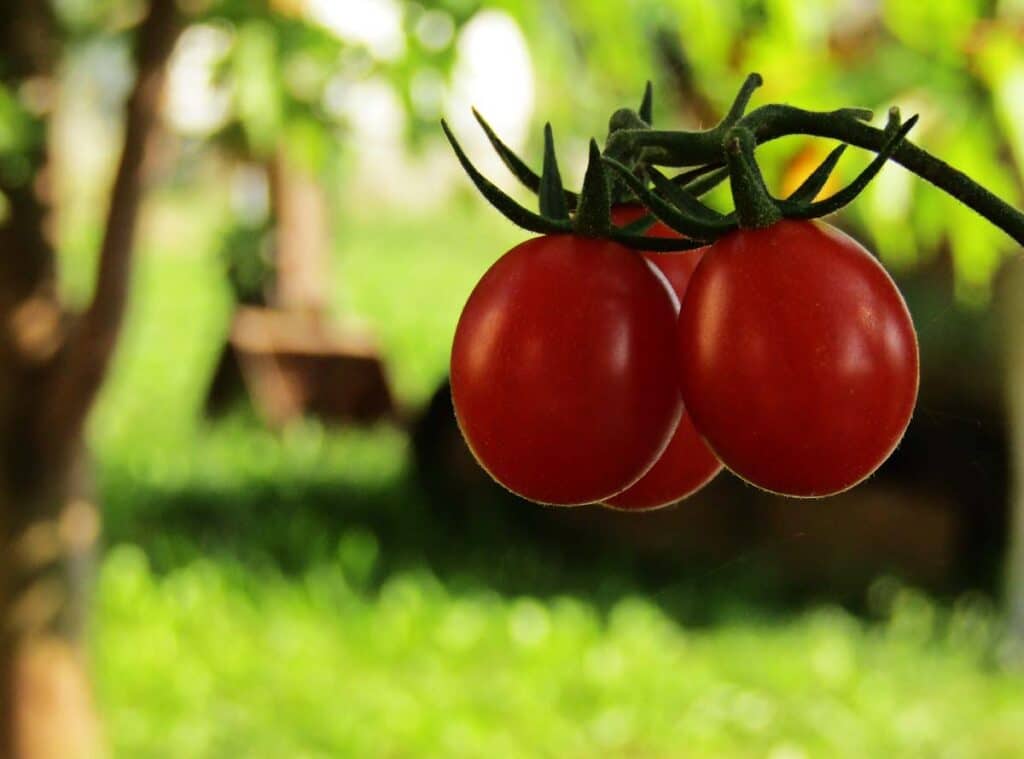

Hey there, Tomato Titans! Buckle up for a juicy journey into the world of growing hydroponic tomatoes. Get ready to kiss the dirt goodbye, because Hydroponics is here to turn your tomato-growing world upside down—literally!
Can you imagine plump, juicy tomatoes growing minus the muddiness and hassle of soil? Yep, welcome to the future of hydroponics tomato farming.
Whether you’re just dipping your roots into the world of greenery or are a seasoned horticultural hero, this guide is chock-full of tasty tidbits and pro tips to make your hydroponic tomatoes the envy of every garden gnome and neighbor alike.
Why opt for hydroponics, you ask?
Well, think more mouthwatering fruits than you can shake a stick at, flavors that’ll have your taste buds doing the tango, and smart-as-a-whip resource use that would even impress mother nature herself.
Let’s roll up our sleeves, dig in (figuratively speaking) and unlock all those glorious secrets behind growing hydroponic tomatoes with pizzazz.
Ready… Steady… Grow!
Key Takeaways:
- Grow lights, such as LED grow lights, are essential for indoor hydroponics tomato cultivation, providing the necessary light spectrum for plant growth.
- Cherry tomatoes are popular choices for hydroponic gardening due to their small size and enhanced flavor.
- Hydroponic systems eliminate the need for soil, allowing tomato plants to thrive in a controlled environment and produce nutrient-rich fruits.
- Nutrient-rich solutions tailored to tomato plants’ needs are vital for robust growth, high-quality fruit production, and disease prevention.
- Hydroponic crops, including tomatoes, offer the advantage of year-round cultivation, independent of seasonal limitations.
- Tomato seedlings can be directly planted into the hydroponic system or transplanted from soil-based containers.
- A grow tent provides a controlled environment, regulates temperature and humidity, and protects indoor tomatoes from external factors.
- Growing tomatoes indoors using hydroponics allows for the customization of nutrient solutions to enhance flavor profiles.
- Hydroponic gardening offers a solution for growing tomatoes in areas with limited space, such as apartments or urban settings.
- Hydroponic tomatoes are known for their exceptional flavor, as the controlled environment optimizes nutrient absorption and fruit development.
Growing Hydroponic Tomatoes (The Quick Guide)
Are you in the market for plump, mouthwatering tomatoes that explode in your mouth?
But wait!
What if you could grow them indoors, all year round with no need to worry about seasons or soil?
That’s right, sweet cheeks. We’re talking hydroponics tomatoes here.
Soak Up the Basics
The word hydroponics may sound like a sci-fi term but it’s as simple as pie.
This indoor gardening method utilizes water enriched with vital nutrients instead of soil. No fuss, no muss, and definitely no dirt under your fingernails.
Tomatoes, those vibrant orbs of deliciousness are one of the most popular choices for hydroponic farming.
And why not? They pack a powerful punch of both flavor and nutrition.
Get Your Green Fingers Ready
You’d start by selecting tomato seed from your favorite tomato varieties – maybe Beefsteak, Roma or Cherry – whatever tickles your taste buds.
These little guys will be taking a water bath in your hydroponic system.
Next up comes the germination process, where these seeds morph into baby tomato plants inside rockwool cubes (think tiny sponges made out of rocks). A lovely nursery for our budding green bundles!
Life in the Fast Lane: Nutrients & Light
They say we are what we eat, right? Well, so are our tomatoes! In hydroponics, you feed them a cocktail mix of essential nutrients directly into their watering system. For tomatoes that means focusing on potassium and calcium to avoid common issues such as blossom end rot.
Now let’s talk sun tanning – indoors! Hydroponic systems require artificial light sources because sunlight isn’t always an option (unless you’ve got some kind of magical indoor sunshine generator). Not to worry though – LED lights do the trick perfectly.
Get ready folks – this next part is crazy cool: With all these optimal conditions at play (Talk about being pampered!), your tomato plant can actually grow twice as fast compared to traditional gardening methods!
Reap What You Sow
Once these babies ripen into red splendor (or yellow or green depending on the variety), get ready to harvest those juicy fruits of labor.
Slice ‘em up for salads or make some homemade salsa; either way, they’ll taste amazing!
And there you have it! Growing hydroponic tomatoes is not only fun but also highly rewarding. No soil required — just add water and watch them thrive!
Understanding Hydroponics: Growing Without Soil
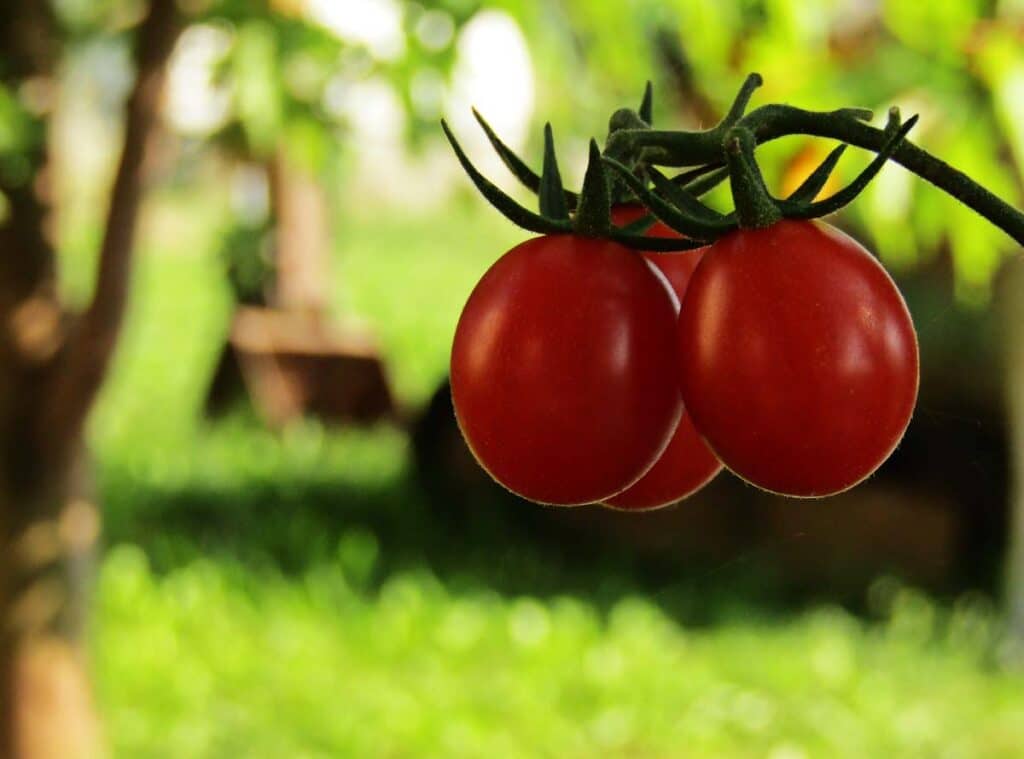
Okay, let’s break it down. Hydroponics is a fancy word for growing plants without soil. Instead, we provide the plants with a nutrient rich solution directly to their roots. This approach offers some serious advantages over traditional soil-based methods.
By ditching the dirt, we gain precise control over the plants’ environment, resulting in faster growth and higher yields.
The Science Behind Growing Hydroponic Tomatoes
Here’s the deal: hydroponic tomatoes thrive when their roots soak up a perfectly balanced nutrient solution. This solution contains all the necessary goodies for optimal plant growth, making our tomatoes grow faster and taste better.
Plus, since the plants don’t have to search for nutrients in the soil, they can focus their energy on producing delicious, plump fruits.
Comparison: Soil-Grown vs. Hydroponic Tomatoes
While soil-grown tomatoes have their charm, hydroponics brings some serious game to the table. Think about it: with hydroponics, you can grow tomatoes all year round, regardless of the weather outside.
And here’s a bonus: hydroponic systems are water-savvy and space-efficient. That means you can save on resources while still enjoying a bumper crop of luscious tomatoes.
The Advantages of Hydroponic Tomato Production
Whether you’re a newbie or a seasoned hydroponics guru, growing tomatoes hydroponically has some fantastic perks. Check these out:
- Increased Yield, Flavor, and Quality: With hydroponics, you can expect bigger harvests, bursting with incredible flavor and top-notch quality. Your tomatoes will be the envy of all your gardening friends!
- Resource Efficiency: Hydroponic systems are like superheroes when it comes to saving water and space. We recycle water within the system, reducing waste, and the vertical design of some setups makes the most of your gardening real estate.
- Year-Round Cultivation: Say goodbye to the limitations of traditional seasons. With hydroponics, you can grow tomatoes whenever your heart desires. Winter, spring, summer, or fall – you’ll have fresh, homegrown tomatoes all year round.
Preparation: Gear Up for Hydroponic Tomato Growing
Before we jump into the hydroponic tomato adventure, let’s make sure you’ve got everything you need. Here’s your shopping list:
- Tomato Seeds or Seedlings: Take your pick from determinate tomatoes (short and bushy), indeterminate tomatoes (vines that keep growing), or the sweet and petite cherry tomato. Make sure to choose varieties that are suited for hydroponic cultivation.
- Grow Lights: Light up your tomatoes’ lives with LED grow lights or harness the power of natural sunlight. LED lights are energy-efficient and provide the perfect spectrum for optimal plant growth.
- Containers and Support Systems: Give your tomato plants a cozy home in containers like grow bags or net pots. Don’t forget about a reliable support system to keep those vines upright. And for the growing medium, clay pebbles are a popular choice, thanks to their excellent water retention and drainage abilities.
- Water Pump and Clean Water Source: A trusty water pump is essential to circulate the nutrient solution through your hydroponic system. Make sure you have a clean water source, free from any nasties that could harm your precious plants.
- Nutrient Solution: Mix up a well-balanced nutrient solution tailored to your tomato plants’ needs. Keep an eye on nutrient levels and pH to avoid any deficiencies and keep those tomatoes thriving.
Look: Hydroponics Store
Choosing the Right Growing System
Time to pick the perfect hydroponic system for your tomato-growing journey. Here are a few options:
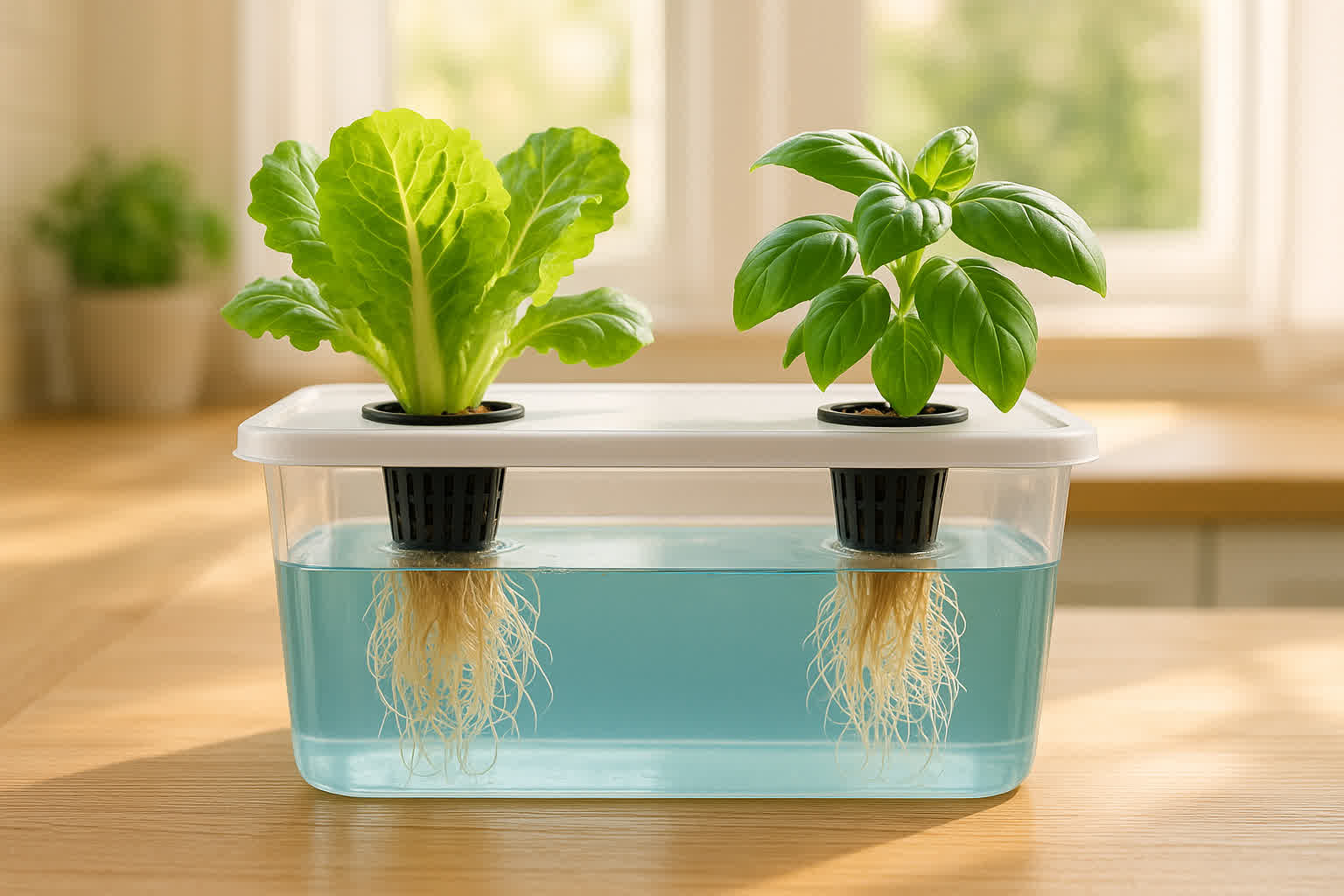
- Deep Water Culture (DWC): Imagine your tomato plants happily suspended in nutrient-rich water. That’s deep water culture for you! It’s beginner-friendly and easy to set up.
- Wick System: Say hello to the wick system, where a handy-dandy wick draws the nutrient solution into the growing medium, ensuring your plants stay nice and moist. It’s low-maintenance and perfect for hassle-free gardening.
- Ebb & Flow/Flood & Drain: Picture your tomato plants enjoying periodic floods of nutrient solution followed by a quick drain. That’s the ebb & flow system, providing excellent oxygenation for your plant roots. Plus, it’s adjustable and automation-friendly.
Preparing Your Setup: Tomato Tango Time!
Ready to plant your hydroponic tomatoes? Let’s do this!
- Research Tomato Varieties: Dive into the world of tomato varieties and find the ones that tickle your taste buds. Consider size, flavor, disease resistance, and growth habits when selecting the perfect tomatoes for your hydroponic garden.
- Pre-soak Those Clay Pebbles: If you’ve chosen clay pebbles as your growing medium, give them a good soak to wash away any dust and ensure they’re nicely hydrated before planting.
| Variety | Description |
|---|---|
| Determinate Tomatoes | Compact and bushy growth habit |
| Indeterminate Tomatoes | Vining and sprawling growth habit |
| Cherry Tomatoes | Small-sized, flavorful fruits |
Choosing Best Hydroponic Tomato Varieties
For a successful hydroponic tomato garden, choosing the right varieties is essential. Here’s a curated guide to help you select the best tomatoes for your setup:
Top Varieties for Hydroponics:
- Tasmanian Chocolate: Delight in large, dark red/purple tomatoes. This variety grows about 4 feet tall, perfect for indoor spaces. Its robust flavor makes it a standout choice.
- Dwarf Golden Heart: Brighten your garden with juicy, heart-shaped yellow tomatoes. As a dwarf variety, it stays compact and is excellent for indoor growing.
- Sarandipity: Enjoy the aesthetic of round, striped tomatoes with a mild flavor. This plant reaches up to 3 feet, requiring minimal space and branching.
- Dwarf Purple Heart: Savor large, purple, heart-shaped tomatoes. With its mild flavor and good texture, it’s great for sandwiches and small spaces.
- Sun Gold: Known for its sweet, orange cherry tomatoes, this sprawling plant thrives best in greenhouses or outdoors.
- Juliet F1: Experience prolific yields with this saladette and sauce tomato. It’s best suited for larger spaces like greenhouses.
- Sakura: A red cherry tomato with disease resistance, ideal for warm climates and outdoor or greenhouse settings.
- Black Cherry: These black cherry tomatoes offer a rich flavor reminiscent of heirlooms and grow well in warm conditions.
- Yellow Pear: Add color diversity with these mild-flavored, pear-shaped tomatoes, suitable for larger greenhouses.
- Green Zebra: Known for its striking striped appearance and amazing flavor, this medium-sized plant is versatile across various settings.
- Red Robin: Perfect for tiny spaces, this miniature red cherry variety stays under 1 foot tall and offers great flavor.
Selection Tips:
- For limited space, choose dwarf varieties like Red Robin.
- Favor Sun Gold for sweetness or Black Cherry for unique flavors.
- Seek disease-resistant types like Sakura.
Experiment with different varieties to find what suits your garden best, enhancing your hydroponic experience with vibrant and flavorful tomatoes.
Planting Phase in the Hydroponics System: Let’s Get Dirty (Wait, No Soil!)
Time to get your hands dirty! Well, not really, because we’re not using soil. But you get the idea.
- Select Seeds or Seedlings: Choose whether to start from seeds or go with healthy seedlings specifically bred for hydroponic growth. Transplant seedlings into your hydroponic system or sow seeds directly into the growing medium.
- Covering with Media: Depending on your system, cover those exposed roots with your chosen growing medium, like those trusty clay pebbles we mentioned earlier. This helps support the plants and keeps the roots safe from light exposure, which can lead to unwanted algae growth.
- The Role of Grow Tents: Need a controlled environment for your hydroponic tomato babies? Grow tents are here to save the day! They insulate your plants, regulate temperature and humidity, and keep pests at bay. Plus, they look pretty cool too!
| Growth Stage | Temperature (°F) | Humidity (%) |
|---|---|---|
| Daytime | 70-85 | 40-70 |
| Nighttime | Slightly cooler | 40-70 |
Harvesting Your Hydroponically Grown Tomatoes: Tomato Time!
The moment you’ve been waiting for has arrived. It’s tomato harvest time!
- Identifying Ripeness: Observe your tomatoes’ color, firmness, and size. Depending on the variety, ripe tomatoes will display vibrant hues, a slight softness, and will easily detach from the stem.
- Proper Harvesting Techniques: Gently twist or cut the ripe tomato fruit from the plant, taking care not to damage the stems or nearby fruits. Treat them gently to avoid any unsightly bruising.
Maintenance & Troubleshooting: Tomato TLC
To keep your hydroponic tomatoes thriving, give them a little tender loving care:
- Regular Health Checks: Take a close look at your tomato plants’ leaves, stems, and fruits. Look out for pests, diseases, or nutrient deficiency. Catching any issues early allows you to address them swiftly.
- Nutrient Solution Adjustments: Keep an eye on the nutrient solution’s pH and nutrient levels. Tomato plants have their preferences, and we want to make sure they’re getting everything they need for healthy growth. Adjust the solution as needed to prevent any deficiencies.
- Light Exposure: Show your tomatoes some light love! Position your led grow light or adjust your plants’ positioning to ensure they’re getting the right amount of light. Aim for 12 to 16 hours of light per day, whether it’s natural or from those fabulous LED grow lights.
- Common Challenges: Hey, nobody said hydroponic gardening was all smooth sailing. Be prepared to tackle common challenges like algae growth, root rot, or temperature fluctuations. Research solutions specific to your system and the health concerns of your plants.
Read: Save Dying Tomatoes Plants
Pollination Techniques for Hydroponics Tomatoes
In indoor hydroponic systems, natural pollinators like bees and other insects are often absent.
This is especially true in closed indoor systems.
Therefore, manual pollination becomes essential to ensure successful fruit set for plants that require pollination.
Techniques for Manual Pollination
- Gently Shaking the Plants: This method involves gently shaking the plant stems or branches to release pollen from the stamen (male part) and help it fall onto the pistil (female part) of the flower. This is a simple method, particularly suitable for plants with many flowers on a single plant.
- Using an Electric Toothbrush: An electric toothbrush, held gently against the back of the flower can simulate the buzzing of bees and help release pollen. It is important to ensure that the toothbrush is clean and used at low speeds.
- Hand Pollination with a Small Brush: Use a small, soft brush to collect pollen from the stamen and transfer it to the pistil of the same flower or a different flower on the same plant. This is more time consuming but can be very effective in ensuring a good fruit set.
- Cotton Swab Method: Similar to the brush method, you can use a cotton swab to collect and transfer pollen.
Best Practices
- Pollination is best done in the morning when the flowers are most receptive.
- Ensure your plants are healthy and not under stress.
- Be gentle to avoid damaging the delicate flower structures.
Common Mistakes and How to Avoid Them
- Overwatering or Underrating: Even in hydroponic systems, it’s crucial to balance water levels. Too much can lead to root rot, while too little might stress the plants. Regularly check and adjust the water levels based on your system’s needs.
- Ignoring pH Levels: Maintaining the correct pH is essential for nutrient absorption. Aim for a pH between 5.5 and 6.5, and use a digital pH meter for accuracy. Adjust with pH up/down solutions as needed.
- Poor Lighting Setup: Ensure that your LED grow lights are positioned correctly and provide sufficient light throughout the day. Inadequate lighting can stunt growth and affect fruit quality.
- Neglecting System Cleanliness: Regular cleaning of your hydroponic system prevents algae growth and clogs, which can disrupt nutrient flow. Schedule routine cleanings and inspections.
- Skipping Regular Monitoring: Set a schedule for checking nutrient levels, plant health, and system components. Early detection of issues like pests or nutrient deficiencies can save your crop.
Expert Actionable Tips for Growing Hydroponic Tomatoes
- Choose the Right Tomato Varieties: Select tomato varieties specifically bred for hydroponic cultivation, such as determinate tomatoes for compact spaces, indeterminate tomatoes for vertical growth, or cherry tomatoes for their small, flavorful fruits.
- Provide Adequate Light: Whether using natural light or LED grow lights, ensure your hydroponic tomatoes receive 12-16 hours of light per day. Position the lights at an appropriate distance to prevent burning or stunted growth.
- Optimize Nutrient Solution: Maintain a nutrient-rich solution that meets the specific needs of your tomato plants. Regularly monitor and adjust the solution’s pH and nutrient levels to prevent deficiencies and promote healthy growth.
- Prune and Support Tomato Plants: As your tomato plants grow, prune the lower leaves to improve airflow and prevent diseases. Use trellises, stakes, or cages to support the plants and help them grow vertically, especially for indeterminate varieties.
- Monitor Temperature and Humidity: Maintain an optimal temperature range of 70-85°F (21-29°C) during the day and slightly cooler temperatures at night. Keep humidity levels between 40-70% to prevent mold or fungal growth.
- Control Pests and Diseases: Regularly inspect your hydroponic system for pests and diseases. Introduce beneficial insects or use organic pest control methods to avoid chemical contamination. Remove any infected or damaged leaves or fruits promptly.
- Pollination Techniques: In the absence of natural pollinators, manually pollinate your tomato plants by gently shaking or tapping the flowers. This helps ensure fruit set and development.
Growing Tomatoes Hydroponically
Congratulations on conquering the world of growing hydroponic tomatoes! This complete guide has equipped you with the knowledge and skills to achieve amazing results in your hydroponic garden.
Whether you’re a hobbyist or a future tomato-growing tycoon, hydroponics offers you increased yield, incredible flavor, and resource efficiency.
Now go forth hydroponic growers, grow some mouthwatering tomatoes, and enjoy the bountiful rewards of your hydroponic adventures!
Hi five from aqualogi.. happy gardening!
FAQ: Growing Hydroponics Tomatoes
Q: How long do tomatoes take to grow hydroponically?
A: The time it takes for tomatoes to grow hydroponically can vary depending on the variety and growing conditions. On average, it takes around 8-12 weeks from planting to harvesting ripe tomatoes.
Q: Can tomatoes be grown hydroponically?
A: Absolutely! Tomatoes are well-suited for hydroponic growing. In fact, hydroponic systems provide an ideal environment for tomatoes, allowing for optimal nutrient uptake and controlled growth.
Q: Do hydroponic tomatoes taste the same?
A: Hydroponic tomatoes often have a reputation for exceptional flavor. The controlled environment and nutrient-rich solutions in hydroponic systems can enhance the taste and quality of the tomatoes, resulting in delicious, flavorful fruits.
Q: What are common hydroponic tomato problems?
A: Common issues in hydroponic tomato cultivation include nutrient deficiencies, pH imbalances, temperature fluctuations, pest infestations, and diseases. Regular monitoring, proper maintenance, and prompt intervention can help prevent and address these problems.
Q: What is the best food for hydroponic tomatoes?
A: Hydroponic tomatoes thrive on a nutrient-rich solution that provides all the necessary macro and micronutrients. Commercially available hydroponic nutrient solutions formulated specifically for tomatoes are often the best choice for optimal growth and fruit production.
Q: Do hydroponic tomatoes taste better than soil-grown?
A: The flavor of hydroponic tomatoes is often praised for its exceptional quality. The controlled environment and precise nutrient delivery in hydroponic systems can result in tomatoes with robust flavors, often comparable to or even surpassing those of soil grown tomatoes.
Q: Can I grow cherry tomatoes hydroponically?
A: Absolutely! Cherry tomatoes are well-suited for hydroponic growing. Their smaller size and faster maturation make them an excellent choice for indoor hydroponic gardens, and they offer the same exceptional flavor as larger tomato varieties.
Q: How do LED grow lights benefit hydroponic tomato plants?
A: LED grow lights provide the necessary light spectrum for optimal plant growth and development. They emit specific wavelengths that cater to the needs of tomato plants, promoting photosynthesis, strong stems, and healthy fruit production.
Q: Can hydroponic tomatoes be grown in a greenhouse?
A: Yes, hydroponic tomatoes can be successfully grown in a greenhouse. Greenhouses offer protection from external elements, provide a controlled environment, and allow for extended growing seasons, making them ideal for hydroponic cultivation.
Q: How does a nutrient-rich solution enhance the flavor of hydroponic tomatoes?
A: A nutrient-rich solution tailored to the specific needs of hydroponic tomatoes ensures they receive an optimal balance of essential nutrients. This optimized nutrition helps enhance the flavour profile of the tomatoes, resulting in delicious, flavorful fruits.
From PDF to Excel in one click
Forget retyping line by line. Upload any bank statement, get a spreadsheet you can actually use. Your files are never stored, and you can test the converter with 3 free conversions.
Try it free