How Oregano Works — Why Neglect Makes Better Flavor
Oregano does not produce its signature punch for your kitchen. The compounds that make Greek oregano taste like Greek oregano — primarily carvacrol and thymol — are defense chemicals. The plant synthesizes them in response to environmental stress: intense UV radiation, heat, and especially drought. Penn State Extension confirms that moderate water and nutrient stress actually concentrates these volatile oils in the leaf tissue, which is why oregano grown in lean, dry conditions consistently outperforms pampered plants in flavor intensity tests.
If you are already growing rosemary or thyme, oregano uses the same lean-soil, full-sun approach — but it is even more drought-tolerant and far less forgiving of overwatering. Oregano also shares the same Mediterranean-herb pest profile as rosemary watering needs, so the diagnostic rules transfer directly.
This is the opposite of what most herb guides tell you. Basil, parsley, and cilantro want consistent moisture and rich soil. Oregano evolved on rocky Mediterranean hillsides where summers are brutal and rainfall is scarce. When you overwater or over-fertilize oregano, the plant responds by producing lush, mild-flavored growth — more leaves, less chemistry. NC State Extension notes that seed-grown oregano often has little to no aroma, which is why culinary varieties are propagated vegetatively from proven high-oil parent plants.
What this means for your care routine is simple: every time you water oregano out of habit rather than necessity, you are diluting the flavor you grew it for. The best-tasting oregano comes from plants that have been slightly stressed — full sun, infrequent deep watering, and soil that is closer to gravel than compost.
Three rules drive everything else in this guide. First, full sun — six hours minimum, eight or more for maximum oil production. Second, drainage — oregano dies in waterlogged soil faster than almost any other herb. Third, restraint — water only when the soil is genuinely dry, and fertilize rarely if at all. Get these three right and oregano is nearly indestructible.
Light Requirements — Full Sun or Nothing
Oregano needs a minimum of six hours of direct sun per day, but eight to ten hours is where it truly thrives. Missouri Botanical Garden rates Origanum vulgare as a full-sun plant, and this is not a suggestion — it is a requirement for both survival and flavor. Plants receiving fewer than six hours of direct light will survive for a while, but they will not produce the volatile oil concentrations that make oregano worth growing.
Insufficient light triggers etiolation — the plant stretches toward the light source, producing long internodes, thin pale stems, and widely spaced leaves. This leggy growth is structurally weak and chemically weak: etiolated oregano has measurably lower carvacrol content. Indoors, east- and west-facing windows rarely deliver enough intensity. A south-facing windowsill works in summer but falls short in winter when the sun angle drops and day length shrinks below eight hours.
For serious indoor growing, UC IPM recommends a compact LED grow light positioned 6-12 inches above the plant on a 14-hour timer. Look for a full-spectrum panel delivering at least 2,000 lux at the leaf surface. Even with supplemental light, indoor oregano will rarely match outdoor flavor intensity — but it will be infinitely better than the leggy, dying plant on a dim kitchen counter.
Seasonally, oregano uses day length and temperature as its dormancy trigger. As autumn light drops below ten hours and nighttime temperatures fall below 10°C (50°F), growth slows and the plant redirects energy to root storage. This is normal. Reduce watering to almost nothing during dormancy and do not fertilize. New growth resumes in spring when soil temperatures reach 15°C (60°F).
Watering Oregano — The Soak-and-Dry Method
The number-one killer of oregano is overwatering. The number-two killer is overwatering. The number-three killer is watering on a schedule instead of checking the soil. Oregano’s root system is shallow and fine, and it evolved to capture brief rainfall events on rocky slopes where water drains within minutes. When that root system sits in moist soil for days, Phytophthora and Pythium — water molds that cause root rot — colonize the roots and move into the crown. By the time you see yellowing leaves, the damage is often irreversible.
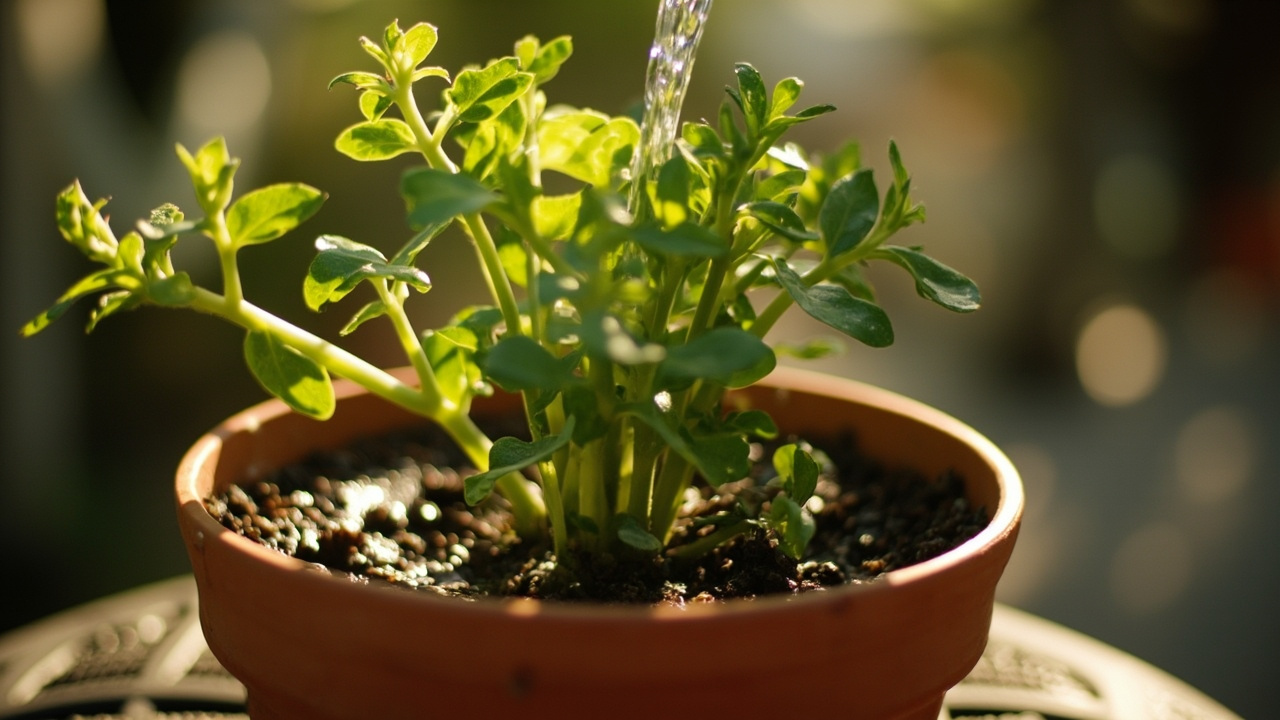
The correct method is soak-and-dry: water thoroughly until it runs out the drainage holes, then do not water again until the top 5 cm (2 inches) of soil is completely dry. In a terracotta pot in full sun during summer, this might mean watering every 5-7 days. In plastic pots, in partial shade, or during cool weather, it might mean every 10-14 days. There is no fixed schedule. The finger test — insert your index finger to the second knuckle — is the most reliable tool.
New transplants need consistent moisture for the first two to three weeks while roots establish. Water every 3-4 days during this phase, checking that the top inch stays lightly moist. After the plant shows new growth (typically week three), shift immediately to the drought-tolerant regime. During winter dormancy, outdoor plants in zones 5-7 need no supplemental water at all. Container plants indoors may need water only once every 2-3 weeks.
A secondary indicator is the leaf test. Well-hydrated oregano leaves are firm and slightly thick. When they begin to feel thin or look marginally less turgid, the plant is ready for water. This is not wilting — wilting in oregano usually means root rot has already started. The goal is to water at the first sign of slight thirst, not after visible stress.
Soil and Container Setup — Lean, Gritty, Fast-Draining
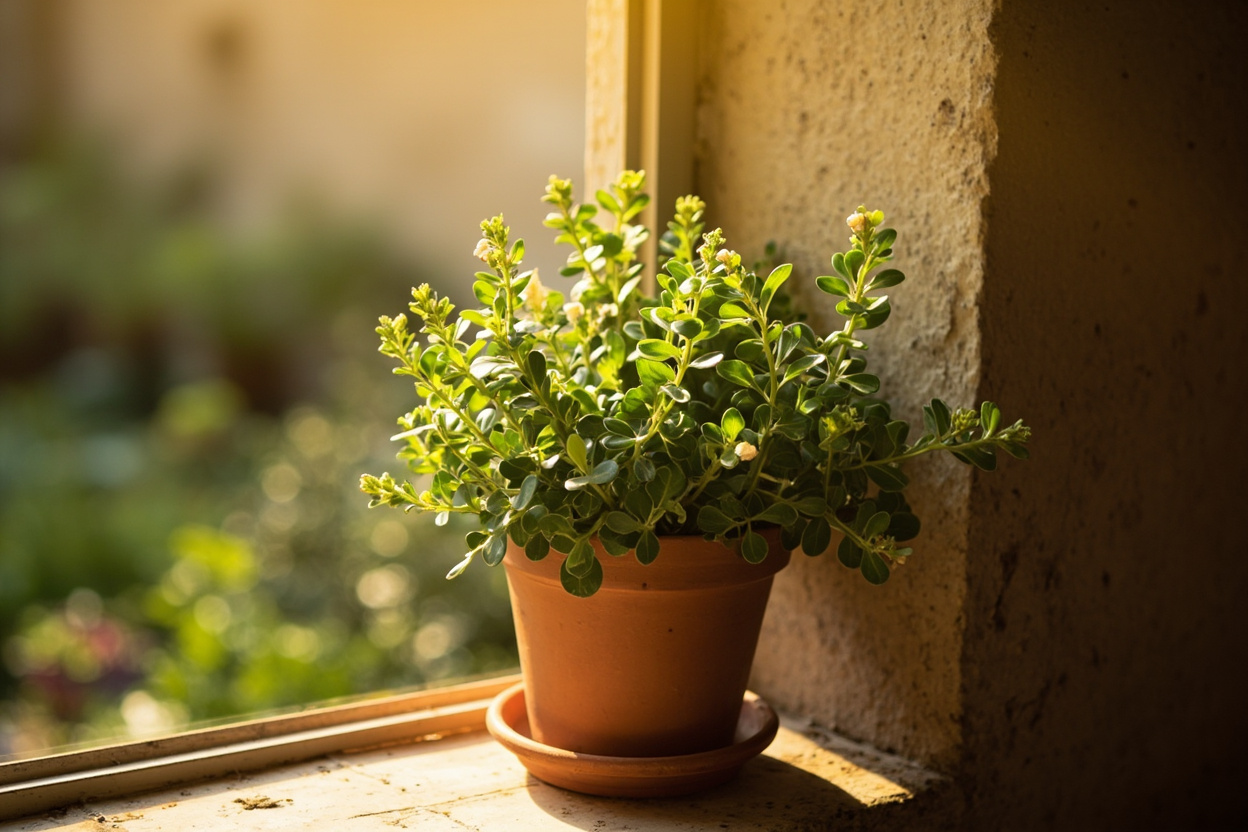
Oregano’s native habitat is rocky, alkaline, mineral soil with almost no organic matter. Replicating those conditions is the single most important factor in growing flavorful oregano. Rich, compost-heavy potting mix — the kind that works beautifully for basil or tomatoes — is a death sentence for oregano. It holds too much moisture, delivers too much nitrogen, and produces lush, bland growth.
For in-ground planting, amend heavy clay or compacted soil with coarse sand, fine grit, or perlite at a ratio of roughly one part amendment to two parts native soil. Raised beds work well in regions with heavy rainfall or clay soil. For containers, use a mix of one part standard potting soil, one part coarse sand or fine poultry grit, and one part perlite or pumice. UC IPM recommends adding a handful of horticultural lime to raise pH if your water is acidic. The target pH range is 6.0 to 8.0, with slightly alkaline conditions (7.0-7.5) producing the best flavor.
Terracotta pots are the ideal container for oregano. The porous clay wicks moisture away from the root zone, creating the dry-root conditions oregano prefers. Choose a pot at least 15 cm (6 inches) wide with a drainage hole — larger is better for perennial clumps. Avoid saucers that trap standing water. Plastic pots work if you are disciplined about watering, but they retain moisture longer and increase root rot risk.
Skip the fertilizer entirely in the first year if your soil has any organic content at all. In subsequent years, a single light application of balanced fertilizer in early spring is the maximum. Penn State Extension confirms that annual fertilization, if done at all, should use a balanced formulation — never nitrogen-heavy. High nitrogen promotes rapid, watery growth that dilutes volatile oil concentration and makes the plant more susceptible to aphids and fungal disease.
Oregano Varieties — Choosing the Right Type
The genus Origanum contains 45 species with six subspecies, but most home gardeners narrow their choice to a handful of culinary types and one or two ornamentals. The differences matter: flavor intensity, cold hardiness, growth habit, and appearance vary significantly between varieties, and choosing the wrong one for your conditions leads to disappointment.
Greek oregano (Origanum vulgare hirtum) is the gold standard for culinary use. It has the highest carvacrol content of any common variety, producing the sharp, peppery flavor that defines Mediterranean cooking. It is hardy to USDA zone 5, forms a compact 45-60 cm (18-24 inch) mound, and produces white flowers in mid-summer. If you grow only one oregano, this is it. Italian oregano (O. × majoricum) is a hybrid between Greek oregano and sweet marjoram — sweeter, milder, and more cold-tolerant than Greek, with a flavor that bridges oregano and marjoram. Golden oregano (O. vulgare ‘Aureum’) has bright chartreuse foliage and a mild flavor — primarily ornamental but still usable in cooking. Hot and Spicy oregano (O. vulgare ‘Hot & Spicy’) delivers intense heat from elevated carvacrol levels, ideal for Mexican and Southwestern dishes.
One common confusion: sweet marjoram (Origanum majorana) is not oregano. It is a tender perennial (USDA zones 9-10) with a sweeter, more delicate flavor and lower cold hardiness. It also prefers slightly more moisture than true oregano. If your plant label says “marjoram,” treat it as a separate species with different care requirements — more water, less cold tolerance, and a shorter lifespan.
For most home gardeners, the decision is straightforward: grow Greek oregano for cooking, add golden oregano for visual contrast in containers, and consider Italian oregano if you want a sweeter flavor for sauces. Our oregano varieties guide compares all six common types side by side with flavor ratings, hardiness zones, and best uses. Ornamental varieties like ‘Kent Beauty’ produce showy pink-purple bracts and attract pollinators, but their flavor is minimal — grow them for looks, not for the kitchen.
Propagation — Stem Cuttings, Division, and Seeds
Oregano propagates reliably from three methods, but they are not equal. Stem cuttings are the fastest, most reliable, and the only method that preserves the exact flavor profile of a proven culinary plant. Division is the easiest for established clumps. Seeds are the slowest and most variable — useful for growing large quantities but unreliable for flavor quality.
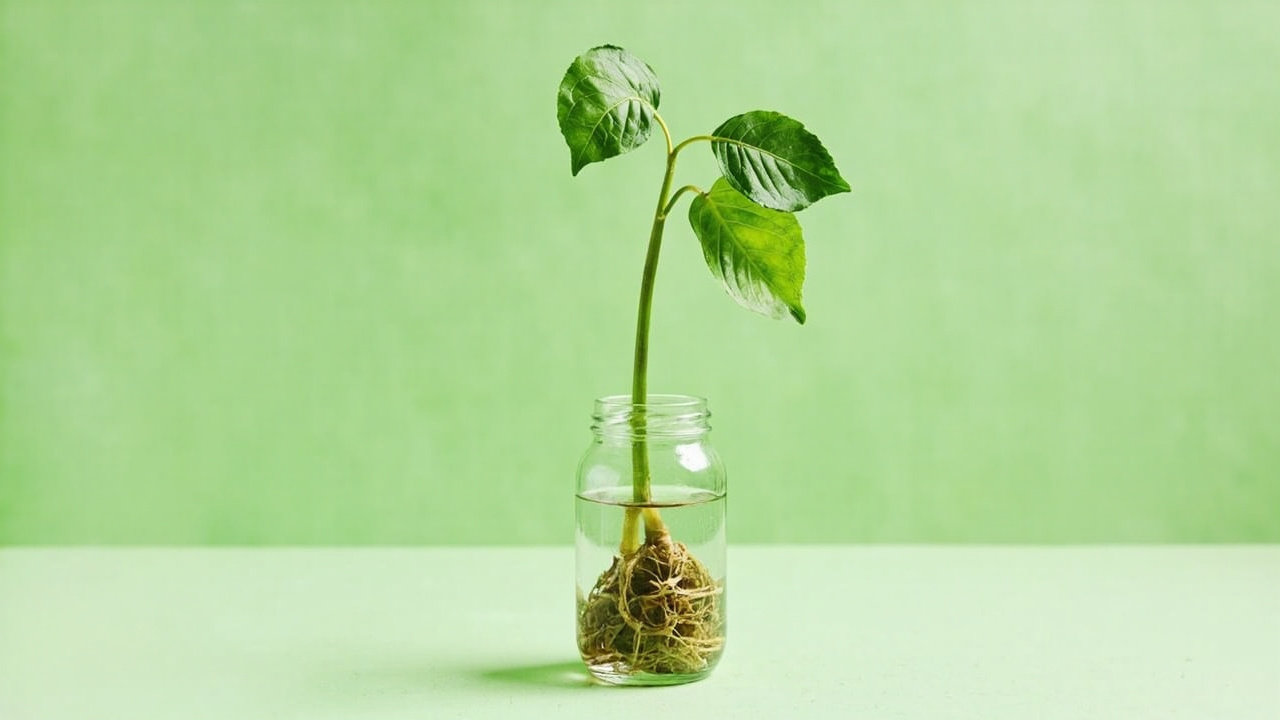
For stem cuttings, take 7-10 cm (3-4 inch) cuttings from new growth in late spring or early morning when the stems are fully hydrated. Choose stems without flower buds. Remove the lower leaves to expose 2-3 nodes, dip the cut end in rooting hormone (optional but improves success), and insert into a moist mix of perlite and peat or straight coarse sand. Keep the medium lightly moist — not wet — in bright indirect light. Roots typically form in 2-3 weeks. Transplant into lean, well-draining soil once roots are 2-3 cm long. Our oregano propagation guide covers each method with step-by-step photos and troubleshooting.
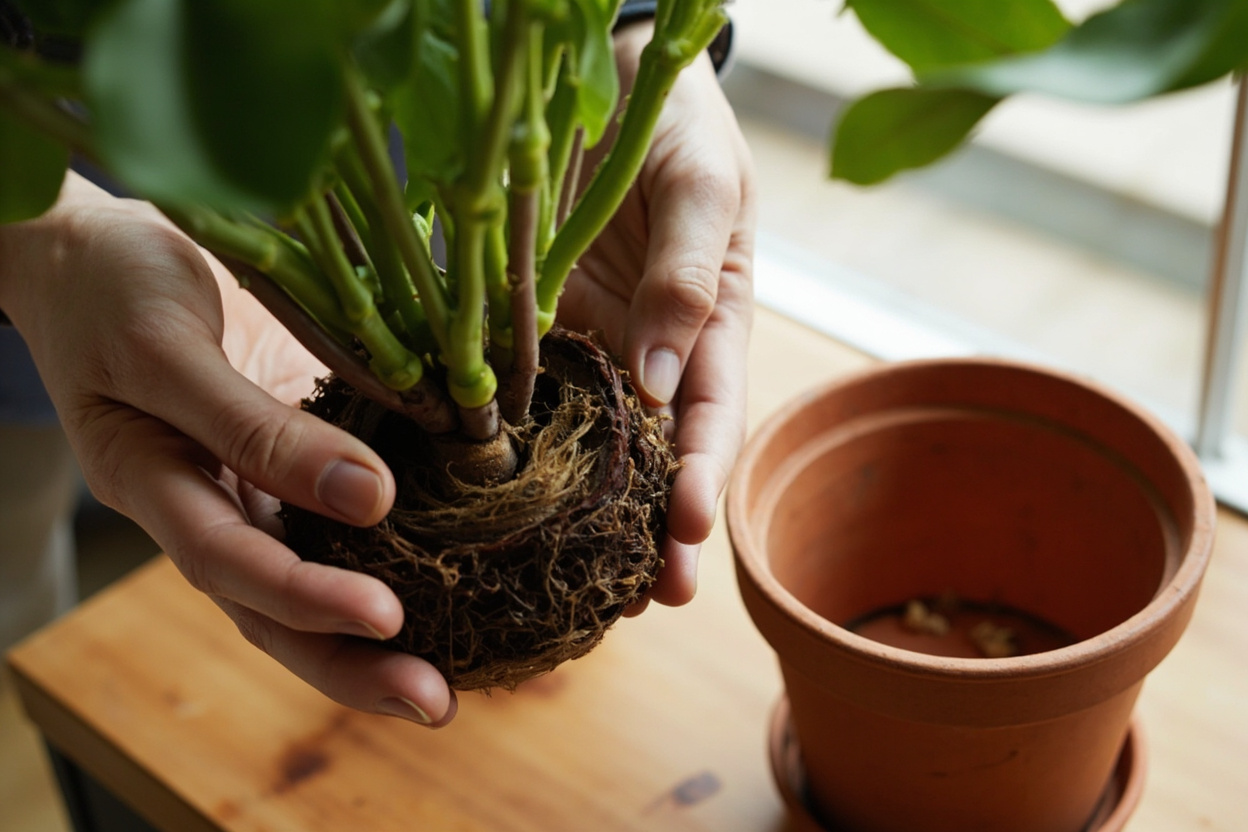
Division is the simplest method for mature clumps. Every 3-4 years in early spring, dig up the entire plant and split it into sections with a sharp spade or knife, ensuring each section has healthy roots and shoots. Replant at the original depth in fresh soil. Division also rejuvenates aging plants whose centers have become woody and unproductive — a common problem after year three.
Seed starting is possible but comes with a caveat: oregano seeds are slow to germinate (8-14 days at 21°C/70°F), seedlings are fragile, and the resulting plants may not match the flavor of the parent. NC State Extension notes that seed-grown oregano often has little aroma. If you do start from seed, sow indoors 6-8 weeks before last frost, barely cover (seeds need light), and keep the medium consistently moist until germination.
Pruning and Harvesting for Maximum Flavor
Timing the harvest is as important as every other care variable. Peak volatile oil content in oregano leaves occurs just as the first flower buds form — before the plant diverts energy from leaf production to flowering and seed set. This window typically falls in mid-summer for most varieties. Harvesting after flowering produces leaves with noticeably lower carvacrol and thymol concentrations.
Cut stems with sharp scissors or pruners, leaving at least 5-7 cm (2-3 inches) of growth above the soil. Never remove more than one-third of the plant at a single harvest. Regular harvesting actually promotes bushier growth: pinching the growing tips at any time encourages lateral branching and prevents the leggy, open-centered habit that unpruned oregano develops. Two major harvests per season — one at bud formation and one in early autumn — are typical for healthy plants.
Pruning is separate from harvesting. In early spring, as soon as new growth emerges from the base, cut the entire plant back to 7-10 cm (3-4 inches). This removes winter-damaged woody stems and forces fresh, productive growth. If you cut before new growth appears, you risk removing all viable buds. If you wait too long after growth has extended several inches, the rejuvenation is less complete.
For drying, harvest stems in the morning after dew has evaporated but before midday heat volatilizes the oils. Bundle 5-6 stems together and hang upside down in a warm, dry, well-ventilated space out of direct light. Leaves are ready when they crumble easily — typically 7-14 days. Store whole leaves in an airtight container away from light; crush them just before use to release the oils. Properly dried oregano retains usable flavor for 6-12 months.
Overwintering and Common Problems
In USDA zones 5-10, oregano is a reliable perennial that dies back to the crown in winter and regrows from the rootstock in spring. In zones 5 and 6, apply 5-7 cm (2-3 inches) of mulch after the soil freezes to prevent heaving. In zones 3-4, oregano will not survive winter outdoors — grow it as an annual or pot it and bring it indoors to a cool, bright location.
The most common problem is yellowing lower leaves with wilting despite moist soil — this is root rot, and it means you have been watering too frequently. Remove the plant from the soil, trim all brown or mushy roots, and replant in dry, well-draining mix. Reduce watering going forward. No flavor in an otherwise healthy plant almost always means too much water, too much fertilizer, or growing a non-culinary variety. Leggy, stretching growth means insufficient light — move to full sun or add a grow light. Woody, unproductive center means the plant needs division.
Pest pressure on oregano is generally low — the volatile oils that create flavor also deter most insects. Aphids occasionally colonize new growth in spring; a sharp spray of water or insecticidal soap controls them. Spider mites appear in dry indoor conditions or on drought-stressed plants; increase humidity and apply neem oil weekly until clear. If your oregano is yellowing and you suspect root rot, our oregano yellow leaves guide walks through the diagnostic steps. Mint rust (Puccinia menthae) is the most serious disease: orange-brown pustules on leaf undersides, spread by overhead watering and poor airflow. Remove all affected foliage immediately, thin the plant for circulation, and avoid overhead watering. There is no effective home fungicide — prevention through spacing and dry foliage is the only reliable strategy.
If your oregano is already wilting or collapsing, our guide to saving a dying oregano covers root rot surgery, stem cuttings, and recovery timelines.
From PDF to Excel in one click
Forget retyping line by line. Upload any bank statement, get a spreadsheet you can actually use. Your files are never stored, and you can test the converter with 3 free conversions.
Try it free