Soft, curling Echeveria leaves are a distress signal, but the signal is ambiguous. The same symptom — leaves losing their firm, waxy plumpness and bending inward — can mean the plant is desperately thirsty, dangerously overheated, or actively rotting from the roots up. These three causes require completely opposite treatments.
Water a rotting plant and you accelerate its death. Move a dehydrated plant to shade and you slow its recovery. The difference is not visible from a distance. You need to touch the leaves, check the soil, and in some cases, unpotted the plant entirely.
Echeveria leaves are water-storage organs. When the plant has adequate moisture and moderate temperatures, every leaf is taut — turgid, firm, and slightly cool. When something disrupts that balance, the plant draws down leaf reserves first. The leaves soften and curl as they deflate. The question is what disrupted the balance. This article walks through the three possible answers.
Start with the mechanism overview, then move to the specific section that matches your situation. If you cannot tell which cause applies, the stem-test section gives you a thirty-second physical check. For full care context, see our complete Echeveria care guide.
Three Mechanisms, One Symptom: Reading Curling and Softness
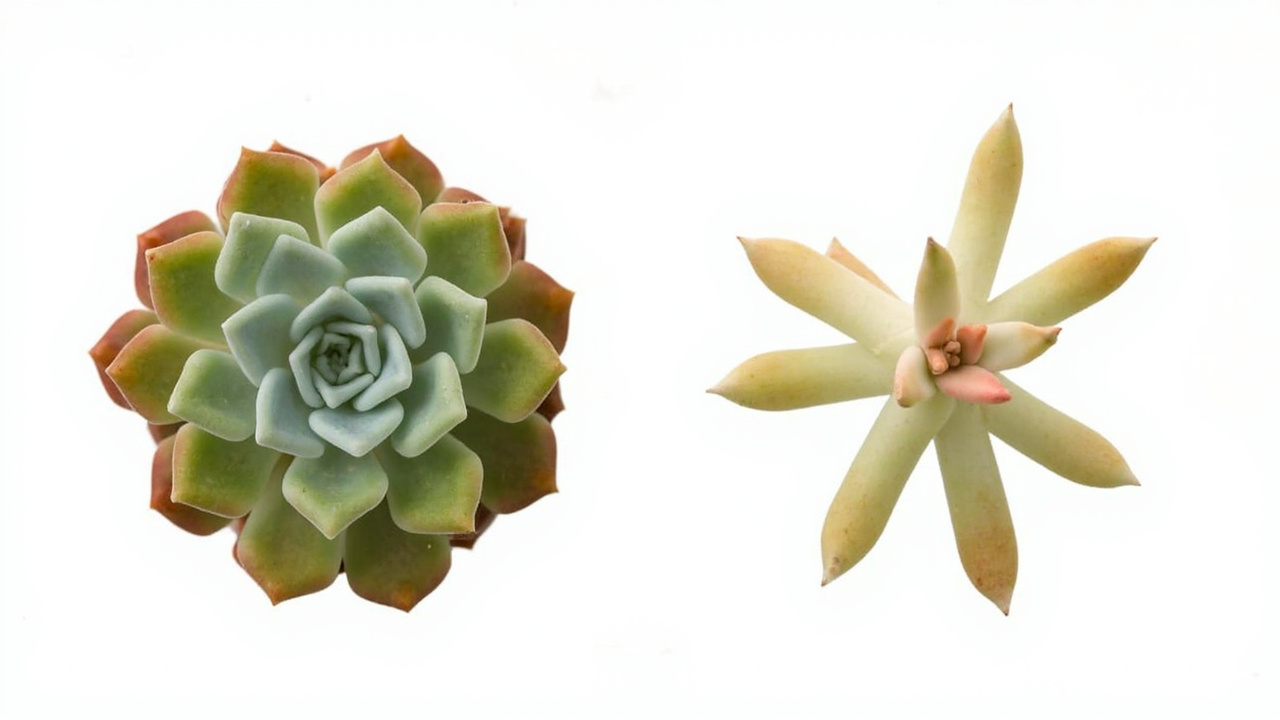
Underwatering produces a gradual, symmetrical softening. The leaves curl slightly inward. The rosette tightens as if conserving surface area. The oldest lower leaves show the first signs of thinning. The soil is dry, the pot feels light, and the leaves feel room-temperature. This is the simplest case.
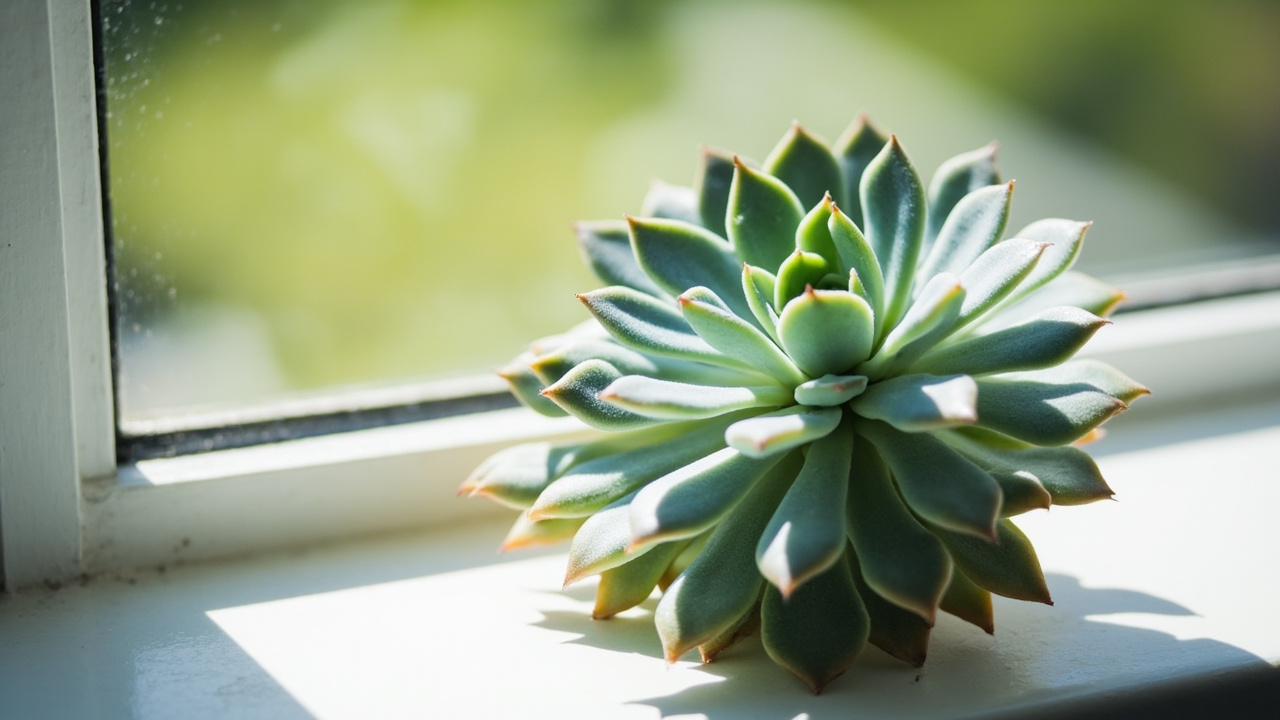
Heat stress produces a faster, more dramatic sun stress curling. The leaves may cup sharply downward. The rosette opens slightly as leaves angle away from the light source. The leaf surfaces feel warm to the touch even when the soil is moist. This typically happens above 32 degrees Celsius, especially on a south-facing windowsill behind glass.
Root rot produces softness that looks almost identical to underwatering at first. But there are critical differences. The leaves soften unevenly — some in the middle of the rosette may stay firm while others go limp. The curling is less symmetrical. The soil is damp or wet. And when you gently wiggle the plant, it may feel loose because the anchoring root system has partially disintegrated.
This is the case that kills Echeveria because the instinctive response — more water — feeds the rot. One additional cause is transplant shock. An Echeveria repotted within the last seven to ten days may show mild softening as the disturbed fibrous roots re-establish. This is self-limiting. Withhold water during repotting recovery for the first five to seven days and wait.
Underwatering: When Soft Leaves Actually Mean Thirst
Echeveria are drought-tolerant, not drought-proof. They store water in their leaves and can survive extended dry periods by drawing down reserves. But there is a limit. When leaf moisture drops below about 70 percent of capacity, the leaves lose turgidity and begin to soften.
The first visible sign is a slight loss of the waxy surface sheen. Next, the leaf tips begin to wrinkle. Then the leaves curl inward as reduced internal volume pulls the leaf margins toward the center. In advanced cases, the lower leaves become thin and papery and detach with the slightest touch.
The underwatering pattern is symmetrical and bottom-up. The oldest leaves at the base of the rosette show symptoms first because the plant prioritizes water delivery to the growing center. If the upper third is still firm and plump, the plant is in early-stage dehydration and will recover quickly.
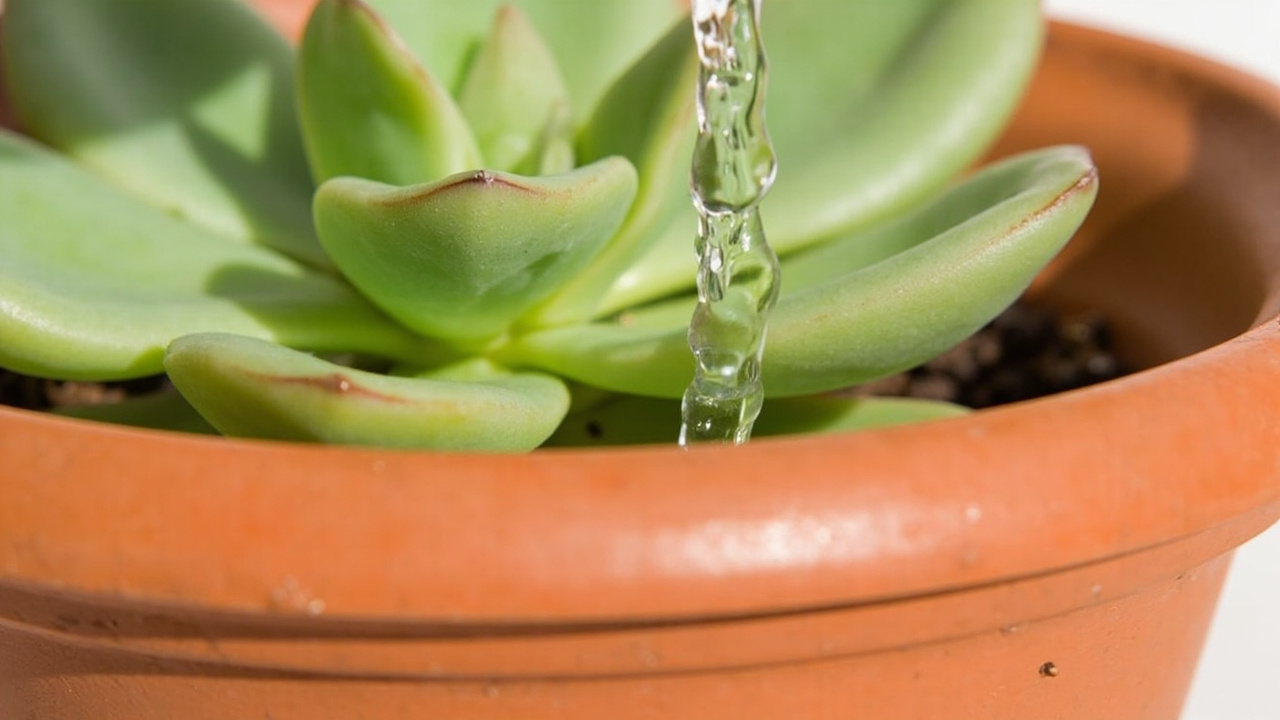
If softening has reached the rosette center and the newest leaves are beginning to wrinkle, the plant is in severe drought stress and needs immediate soaking. The fix is the soak-and-dry method executed thoroughly. Place the pot in a container of room-temperature water so the water level reaches just below the rim.
Let it sit for 15 to 20 minutes, allowing water to wick up through the drain holes and saturate the root ball from below. This is gentler than top-watering, which can run through gaps in shrunken soil without wetting the root zone. Remove the pot, let it drain completely, and return it to its growing location.
Expect leaves to begin firming within 12 hours. Full re-plumping takes 24 to 48 hours. After recovery, adjust your watering schedule. In summer, most Echeveria in mineral substrate and terracotta pots need water every seven to ten days. In winter dormancy, extend to every three to four weeks. For the full protocol, see our Echeveria watering guide.
Heat Stress: Curling as a Cooling Response
Echeveria leaves curl inward and downward during heat stress to reduce the surface area exposed to light and air. This is an active physiological response, not a sign of dehydration. When leaf temperature exceeds about 30 degrees Celsius, cells on the upper surface slow their expansion while lower-surface cells continue growing. The leaf cups downward.
The result is a rosette that looks slightly open and leaves that feel flexible but not depleted. The key diagnostic difference between heat stress and underwatering is soil moisture and leaf temperature. A heat-stressed Echeveria has moist soil and leaves that feel warm or hot, especially on east-facing upper surfaces facing the light.
An underwatered Echeveria has dry soil and leaves that feel room-temperature. If the soil is moist and the leaves are curling, do not water more. Move the plant instead. San Marcos Growers notes that most Echeveria species experience heat stress above 35 degrees Celsius, particularly in enclosed spaces like sunrooms or south-facing windows with no airflow.
Echeveria elegans is more heat-sensitive than Echeveria laui or Echeveria pulidonis. In warm climates, provide afternoon shade from May through September. A sheer curtain on a south-facing window reduces leaf temperature by 5 to 8 degrees while maintaining adequate light for compact growth. Avoid misting as a humidity measure — it damages farina and creates scorch risk. For seasonal management, see our Echeveria light requirements guide.
Recovery from heat stress is rapid once the plant is moved. Leaves that were cupping downward will flatten back within 12 to 24 hours. Leaves with yellow-patch bleaching from combined heat and light stress will not recover color, but new growth will be normal. Increase air circulation with a small fan if temperatures remain above 30 degrees.
Do not mist Echeveria leaves for cooling. Water droplets on farina create lens effects that worsen light damage and cause leaf rot. If the heat episode lasted less than a week, the rosette will return to its compact form within two to three weeks.
The variegated cultivars like Echeveria laui are more tolerant of heat than the solid-green elegans types. Their thicker farina layer provides better sun stress protection.
Prolonged heat stress above 35 degrees can cause permanent etiolation even after conditions improve. A grow light positioned 8 inches above the rosette provides bright indirect light without the heat load of direct sun.
This avoids the water stress that plagues plants on hot south-facing or east-facing windowsills where temperatures spike in summer.
Root Rot: The Dangerous Mimic
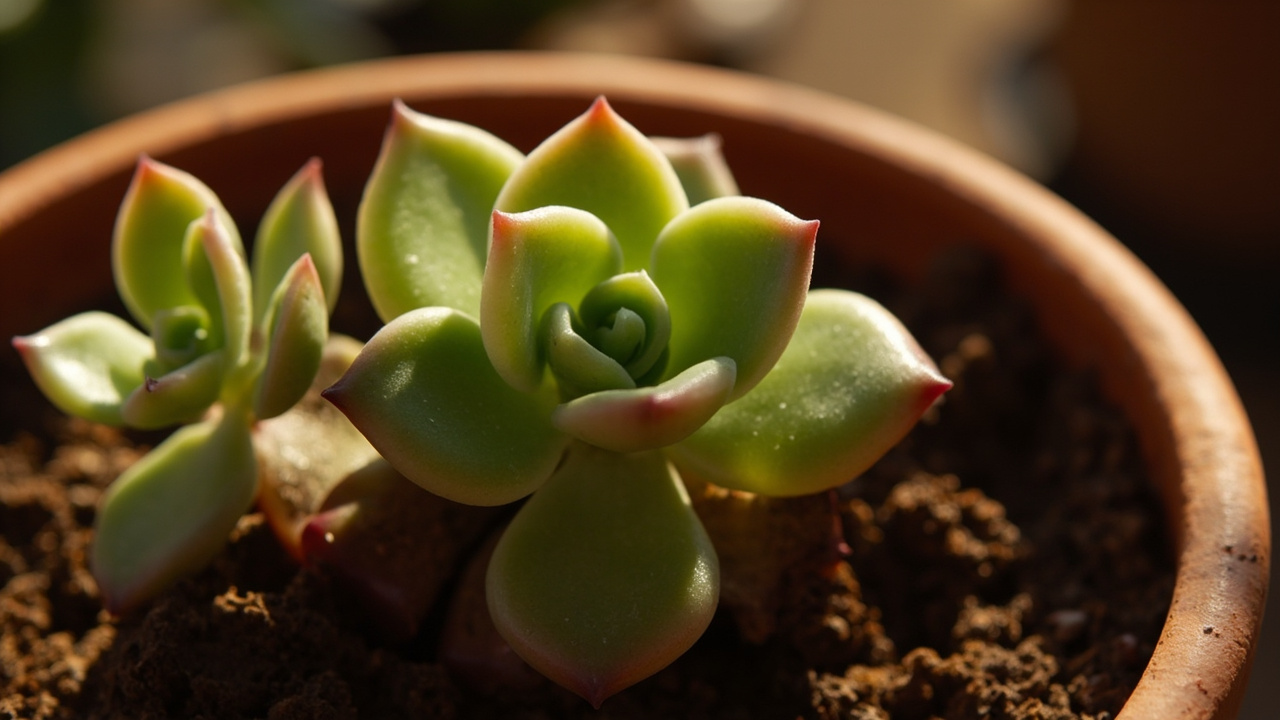
Root rot is the cause that looks like underwatering but is caused by the opposite condition. When Echeveria roots sit in waterlogged soil, fungal pathogens — primarily Pythium and Phytophthora — colonize the root cortex and destroy the vascular tissue. The damaged roots cannot transport water to the leaves.
The leaves soften and curl exactly as they would in drought. But the soil is wet. The roots are dying. Adding more water feeds the fungus and accelerates the collapse. The IFAS Extension identifies the progression in four stages. Stage one: lower leaves soften and yellow slightly while the soil stays damp longer than usual.
Stage two: mid-rosette leaves begin curling, the plant feels loose in the pot, and a faint sour smell appears near the soil surface. Stage three: the stem base darkens and softens. The entire rosette can be tilted with light pressure. Stage four: the rosette detaches from the stem entirely. Stages one and two are recoverable with prompt action.
Stage three requires aggressive surgery. Stage four is not recoverable. The diagnostic test that separates root rot from underwatering is the stem squeeze. Gently pinch the stem at the soil line. A healthy Echeveria stem is firm and slightly woody. A rotting stem yields to pressure, feels spongy, or shows dark discoloration beneath the surface.
If the stem is firm but the leaves are soft and the soil is wet, stop watering immediately and let the soil dry completely. If the stem is soft, unpotted and inspect the roots. For the right substrate to prevent recurrence, see our Echeveria soil mix guide.
Root rot surgery is the same regardless of stage. Remove the plant and wash all soil from the roots under lukewarm water. Healthy roots are white or pale tan and fibrous. Rotted roots are dark brown to black, mushy, and may disintegrate when touched. Using sterile scissors, cut all rotted roots back to healthy white tissue.
If the stem base is affected, cut upward until you see clean, green-white tissue with no brown streaks. Make a single clean cut at a slight angle to increase rooting surface and prevent water pooling.
Let the trimmed plant callus in open air for 48 to 72 hours. Do not rush this step — an incomplete callus leads to stem cutting failure and decucculation of the remaining tissue.
Re-root in dry mineral substrate — an aerated gritty mix of pumice, scoria, and coarse sand in a terracotta pot with drain holes.
Wait seven days before the first light watering. The San Marcos Growers cultivation notes emphasize that root rot in Echeveria is almost always caused by substrate that stays wet too long.
Pythium and Phytophthora are ubiquitous in potting media. They colonize the same mineral substrate that healthy plants thrive in — the difference is moisture level, not cleanliness.
They only become destructive when oxygen is excluded from the root zone. Good drainage is the single most effective prevention — a waterlogged growing medium kills more Echeveria than any pest or disease.
The Stem Test: How to Tell Root Rot from Thirst in Thirty Seconds
When you find soft, curling leaves on your Echeveria, perform this test before you touch the water can. It takes thirty seconds and prevents the most common fatal mistake in succulent care.
Step one: feel the soil. Dry to two inches means underwatering is likely. Damp or wet means root rot is possible. Step two: gently wiggle the plant. Firm anchorage suggests healthy roots. Any looseness or wobble suggests root loss from rot.
Step three: pinch the stem at the soil line with light pressure. Firm and rigid means the stem is healthy. Slightly yielding, spongy, or darkened means rot has reached the stem base. Step four: smell the soil surface. A sour, musty, or mushroom-like odor indicates active fungal growth. Clean mineral smell means the root zone is healthy.
If the soil is dry, the plant is firmly anchored, and the stem is rigid, water thoroughly using the bottom-soak method. If the soil is wet, the plant wobbles, or the stem yields to pressure, unpotted immediately and inspect the roots. Do not wait. Root rot progresses exponentially — the fungal colony doubles every 24 to 48 hours in warm, wet conditions.
For the borderline case — wet soil but firm stem and anchored plant — stop watering and wait. Move the plant to bright indirect light with good air circulation. Let the soil dry completely to the bottom of the pot. If the leaves firm up as the soil dries, you caught early-stage overwatering before root damage occurred.
If softening continues even as the soil dries, unpotted and inspect. The root damage began before you noticed the symptoms. For a detailed comparison of curling patterns across succulent genera, see our haworthia leaves curling and soft guide.
Recovery Timelines: What to Expect After Each Intervention
Underwatered Echeveria respond fastest. Leaves begin re-plumping within 12 hours of a thorough bottom-soaking. Full turgidity returns within 24 to 48 hours. If leaves are still soft after 72 hours of adequate soil moisture, the root system may have been compromised by the drought itself.
Root hairs die back after extended dryness and need time to regenerate. Maintain lightly moist soil for one to two weeks to encourage new root growth. Heat-stressed plants recover within 12 to 24 hours of being moved to appropriate conditions. Leaves uncurl and flatten. New growth will be normal if the heat episode lasted less than a week.
Prolonged heat stress above 35 degrees can cause permanent etiolation even after conditions improve, because the plant shifts its growth pattern to prioritize cooling over compact form. Root rot cases are the slowest to show improvement because the plant must regenerate its entire root system.
After surgery and re-rooting, expect no visible change for the first two weeks. New white roots should appear at the cut stem base by day 14 to 21. The first sign of recovery is the upper leaves firming slightly, followed by a new leaf at the rosette center. Full recovery takes four to eight weeks.
During recovery, water sparingly — just enough to keep the mineral substrate slightly humid, not wet. Overwatering a re-rooting Echeveria is the most common cause of re-infection.
If the plant is rootbound after recovery, repot into a slightly larger container. Do not overpot — a container that is too large holds excess moisture in the unused growing medium and invites wilt-inducing root rot.
If you have applied the correct treatment for more than three weeks with no improvement, escalate to the full save-dying protocol. Water stress during the transplant shock phase can compound the original damage.
At that point, the issue is likely a combination of root damage and stem compromise that requires more aggressive intervention. Our save-dying haworthia protocol covers the surgical steps that also apply to Echeveria. The most important lesson with soft, curling leaves is that the symptom alone does not tell you the cause. Water stress — whether from too much or too little water — always shows in the leaves first.
Touch the soil. Squeeze the stem. Smell the root zone. These three physical checks take less than a minute and will steer you toward the right treatment every time. The growers who lose Echeveria to this symptom are almost always the ones who trusted the obvious answer instead of running the test.
Read also: Houseplant Leaves Curling: How to Read the Curl if the leaves are curling rather than changing colour.
Turn any PDF statement into a clean sheet
Skip the typos and the hours of copying. Our converter handles any bank statement format and outputs Excel, CSV, or QBO for QuickBooks. No file retention, free to try.
Convert your statement