Yellow anthurium leaves are one of the most common concerns new owners raise, and the good news is that the cause is usually fixable. A single yellow leaf at the base of the plant is normal aging. But when yellowing spreads to multiple leaves, hits new growth, or comes on fast, it is telling you something about water, light, or nutrients.
The key is to look at the pattern. Gradual yellowing of the oldest leaf or two at the bottom is the plant recycling resources — nothing to worry about. Sudden yellowing of several leaves at once, especially in the middle of the canopy, means the roots are struggling. And if new leaves come in yellow or pale, the plant is telling you it cannot make enough chlorophyll with the light or nutrients it has.
This guide walks through the five most common causes of yellowing on anthurium plants, in order of how often they show up. Use the diagnostic checklist at the end to narrow down the cause in under two minutes.
Normal Leaf Aging: When Yellow Is Fine
Anthuriums naturally shed their oldest leaves. The lowest leaf on the stem will gradually turn from green to pale yellow to fully yellow, then brown and drop. This happens one leaf at a time, over the course of two to three weeks. The rest of the plant looks healthy, and new leaves continue to emerge from the center.
This is senescence — the plant is pulling nitrogen and other mobile nutrients out of the old leaf and redirecting them to new growth. It is the same process that turns autumn leaves yellow on outdoor trees. Do not fertilize to “fix” a single yellowing leaf at the base. Just let it drop naturally or trim it off once it is fully yellow.
The distinction that matters is speed and scale. One yellow leaf every few weeks is normal. Three or more yellowing at once, or yellowing that reaches the upper canopy, is not. If you are seeing widespread yellowing, move to the next sections to find the cause.
Overwatering: The Most Common Cause of Widespread Yellowing
Overwatering is the number one cause of yellow leaves on anthuriums, and it is easy to miss because the symptoms look like underwatering at first. The leaves turn yellow, soft, and slightly droopy. The difference is in the soil: overwatered soil is wet or soggy, while underwatered soil is dry and pulling away from the pot edges.
When the soil stays wet for days at a time, the roots cannot get enough oxygen. They begin to suffocate and die. As root function declines, the plant cannot take up water or nutrients efficiently, so it starts shedding leaves to reduce demand. The yellowing moves upward from the oldest leaves because the plant abandons its lowest-priority tissue first.
The fix is to check the top inch of soil before every watering. If it is still moist, wait. If you have been watering on a fixed schedule, switch to watering only when the top inch feels dry. Empty the saucer under the pot 30 minutes after watering so the roots are never sitting in standing water.
Too Little Light: Slow, Uniform Yellowing
Anthuriums in low light develop a different yellowing pattern. The lower leaves turn pale green, then yellow, over the course of several weeks. The plant may also stretch or lean toward the light source. Unlike overwatering, the soil moisture is normal and the leaves feel firm — they are just losing chlorophyll because the plant cannot photosynthesize enough to maintain them.
Anthuriums need bright indirect light — roughly 1,000 to 2,000 foot-candles. A north-facing windowsill or a spot more than three meters from a bright window is usually too dim. Move the plant closer to an east- or west-facing window, or add a grow light. The yellowing should stop within two weeks of improving the light, though the already-yellow leaves will not recover.
If you cannot provide more light, rotate the plant a quarter turn each week so all sides get some exposure. This will not fix the yellowing, but it prevents the plant from leaning too far in one direction.

Nutrient Deficiency: Nitrogen and Iron
If your anthurium is getting enough light and the watering is correct, yellowing may signal a nutrient deficiency. The two most common are nitrogen and iron, and they produce different patterns.
Nitrogen deficiency shows as uniform yellowing of older leaves, starting at the base and moving up. The entire leaf turns the same shade of pale yellow, without spots or interveinal patterns. This happens when the plant has used up the available nitrogen in the soil and has not been fed. A half-strength liquid feed applied three times at two-week intervals usually resolves it.
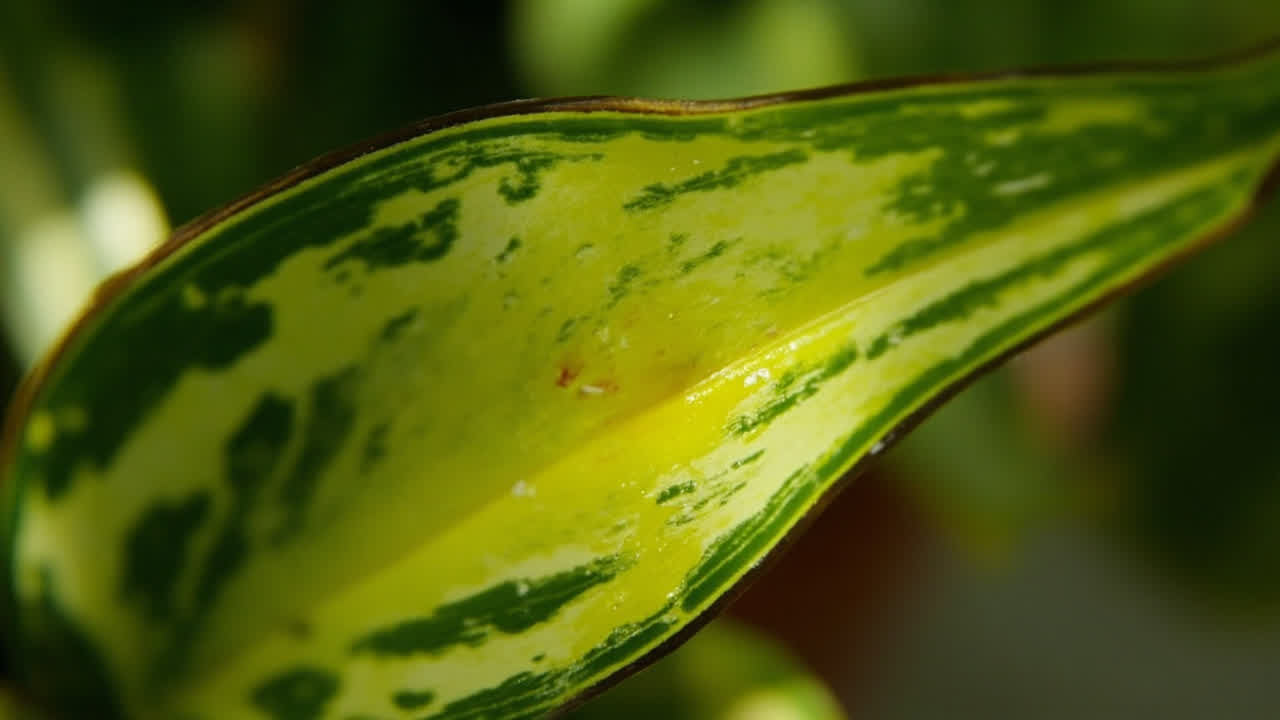
Iron deficiency looks different: the newest leaves turn yellow while the veins stay green. This is interveinal chlorosis, and it is more common in alkaline water or soil with a pH above 7.0. If you see this pattern, check your water source and consider using a slightly acidic fertilizer or switching to rainwater. Iron deficiency is slower to correct than nitrogen — expect four to six weeks before new leaves come in green.
Root Rot: When Yellowing Signals a Crisis
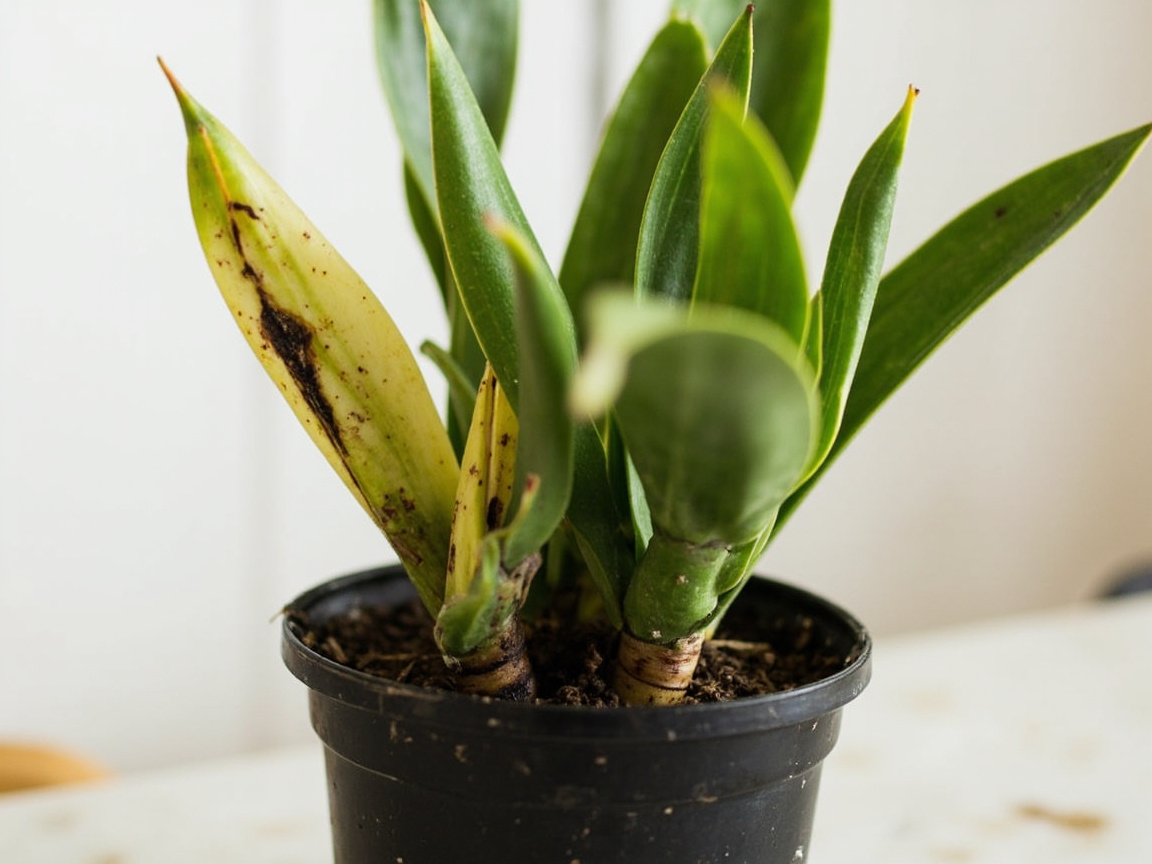
Rapid yellowing of multiple leaves at once, especially when the leaves feel soft and the base of the stem looks dark or mushy, is the signature of root rot. This is the most serious cause of yellowing and requires immediate action. The roots have been compromised by prolonged overwatering, and the rot is moving up into the stem.
Stop watering and remove the plant from its pot. Healthy anthurium roots are white or pale tan and firm to the touch. Rotted roots are dark brown, soft, and fall apart when you handle them. Cut away all affected roots with clean scissors. If the rot has reached the stem, cut above the damaged section until you see healthy white tissue.
Repot in fresh, chunky aroid mix and water very lightly for the first two weeks. The plant has fewer roots now and cannot take up as much water. Keep humidity high (above 60 percent) to reduce stress on the remaining root system. This is the same pattern seen in philodendron root rot — the treatment approach is consistent across aroids.
Quick Diagnostic Checklist
Use this flow to identify the cause of yellowing on your anthurium in under two minutes:
- Check the soil. Is the top inch wet? If yes, you are overwatering. Let it dry before watering again.
- Count the yellow leaves. One or two at the base is normal aging. Three or more means a care problem.
- Look at the pattern. Uniform yellow on old leaves points to nitrogen deficiency or overwatering. Yellow with green veins on new growth points to iron deficiency.
- Check the light. Is the plant more than two meters from a window? Move it closer.
- Inspect the stem base. If it is dark, soft, or smells sour, you have root rot. Remove from pot and trim affected roots immediately.
Most yellowing on anthuriums comes down to watering. Check the soil first, and you will find the answer more often than not.
Turn That PDF Into a Spreadsheet in Minutes
You've seen how to do it manually — now let the tool handle the heavy lifting. Upload your bank statement and get Excel, CSV, or QBO in a few clicks.
Try It Free