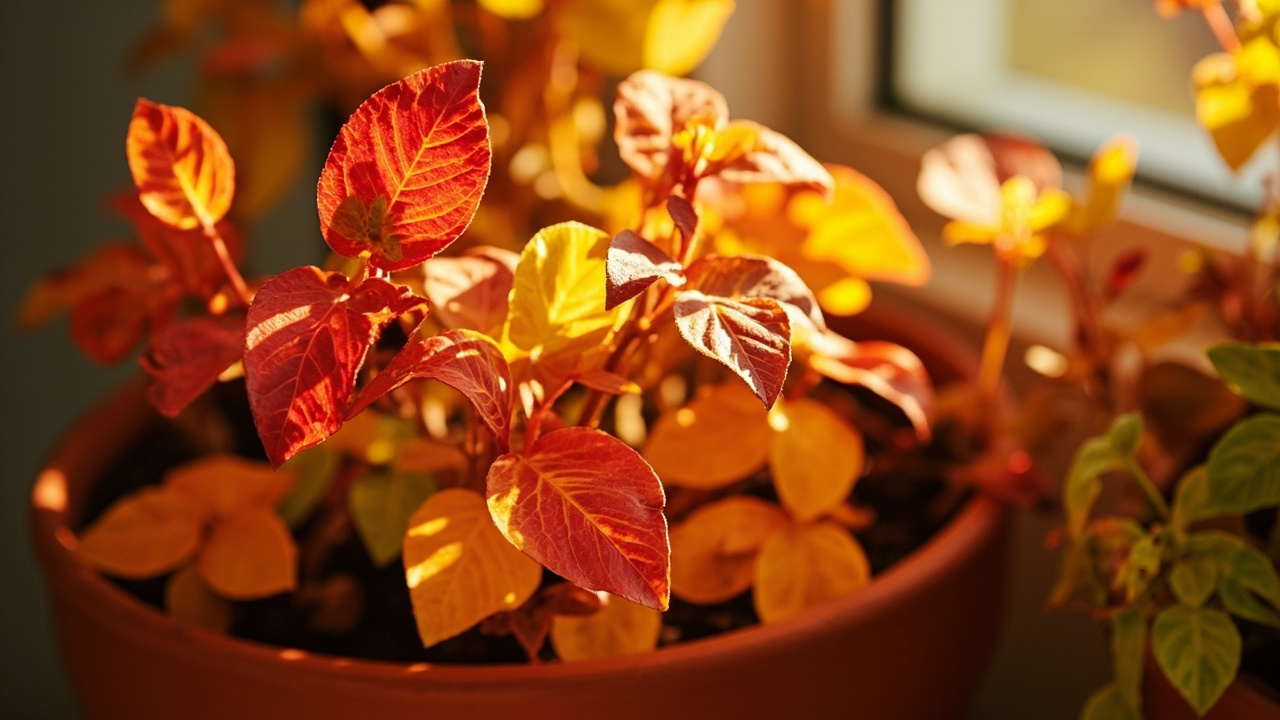
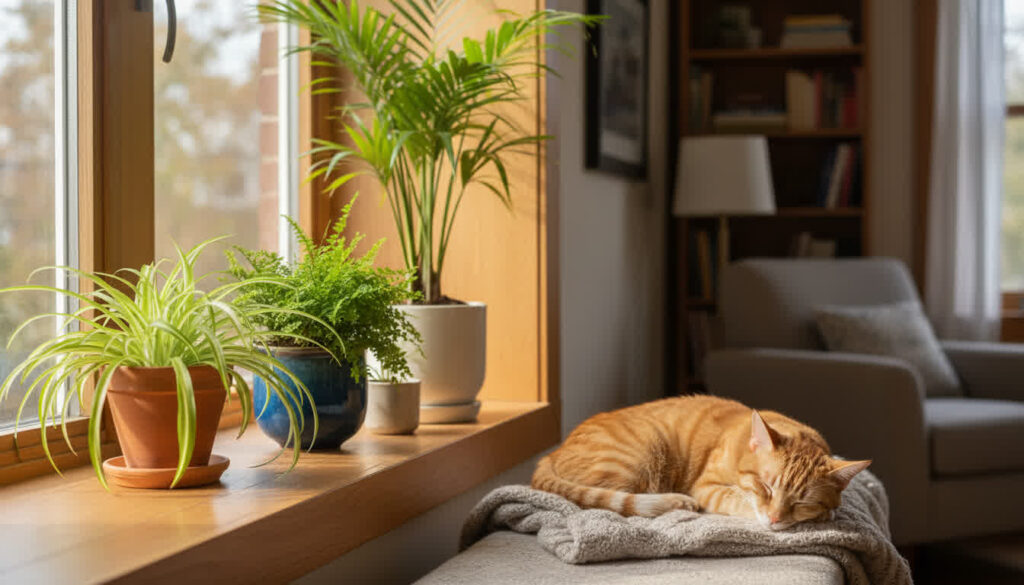
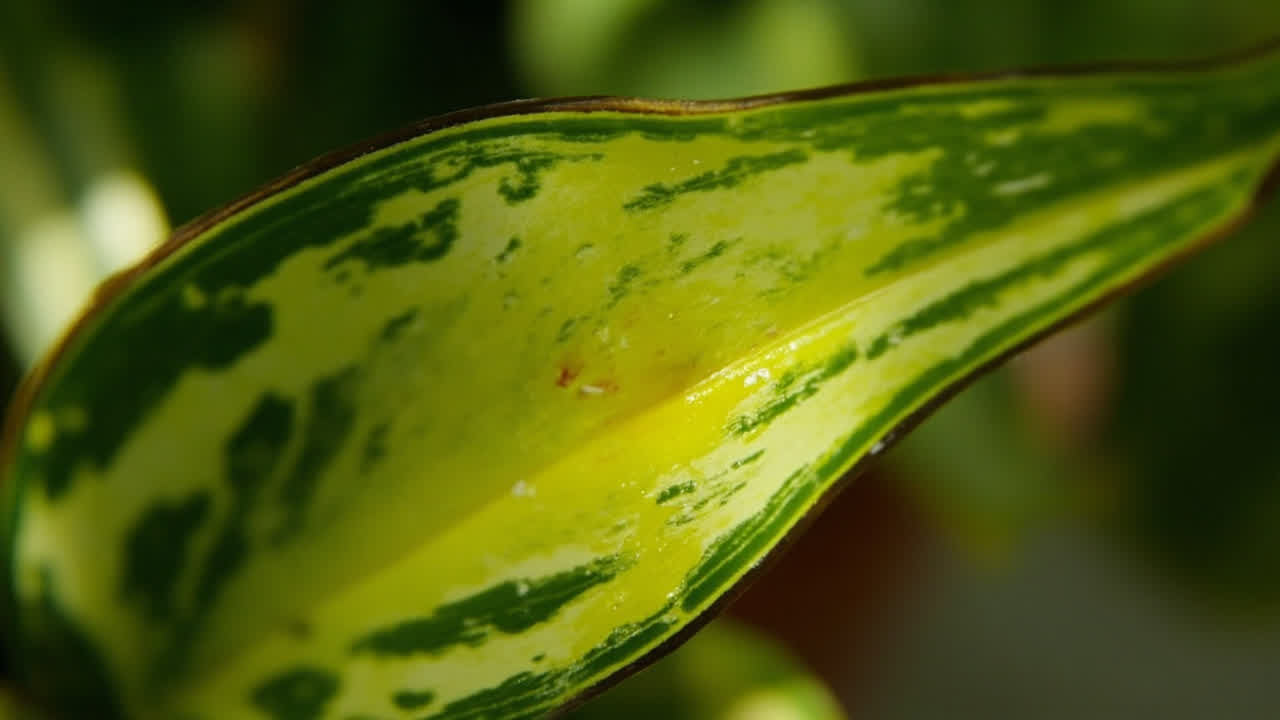
Anthurium leaves turn brown for different reasons, and the pattern tells you what is wrong. Dry, crispy tips that creep inward usually mean low humidity or salt buildup from fertilizing. Soft, mushy brown patches signal overwatering and the root rot that follows. Match the pattern to the cause and you can fix it before the whole plant declines.
The most common cause is a combination: indoor humidity below 50 percent combined with regular fertilizing at full strength. The salts accumulate in the leaf tissue, and the dry air accelerates moisture loss at the tips. The result is brown leaf margins that look alarming but are easy to correct once you know what you are looking at.
This guide covers the four most common browning patterns on anthurium leaves, from the least urgent (normal aging of the oldest leaf) to the most serious (root rot spreading upward). Each section explains what the pattern looks like, what causes it, and what to do next.
Tip Browning: The Most Common Complaint
If the tips of your anthurium leaves are turning brown and crispy while the rest of the leaf stays green, low humidity is the most likely cause. Anthuriums come from tropical forests where relative humidity sits between 60 and 80 percent. Most homes run between 30 and 50 percent, especially in winter when heating systems dry the air. The leaf tips are the first tissue to lose moisture faster than the roots can replace it, so they desiccate and die.
The fix is straightforward. Raise humidity around the plant to at least 50 percent using a pebble tray, a small humidifier, or by grouping your anthurium with other tropical plants. Do not mist the leaves — misting raises humidity for only a few minutes and can leave water droplets that invite fungal problems on the spathe.
Tip browning can also come from salt buildup in the soil. If you fertilize at full strength or use tap water with high mineral content, dissolved salts accumulate in the leaf margins and burn the tissue. Switch to distilled or rainwater for watering, and cut your fertilizer to half the recommended strength. Flush the soil with clean water every two months to wash out excess salts.
Crispy Brown Edges and Leaf Curling
When entire leaf margins turn brown and the leaf curls inward, the cause is usually one of three things: underwatering, sunburn, or cold damage. Each has a slightly different look.
Underwatered anthuriums develop brown edges that feel dry and papery, and the leaves curl toward the center as the plant tries to reduce its surface area. The soil will feel dry well below the surface. Water thoroughly and the leaves will recover within a week or two, though the browned edges will not turn green again.
Sunburn shows up as bleached or brown patches on the side of the plant facing the window. Anthuriums need bright indirect light — direct afternoon sun through glass concentrates heat and scorches the leaves. Move the plant a meter back from the window or filter the light with a sheer curtain.
Cold damage looks similar to sunburn but appears after a single exposure to temperatures below 10 degrees C (50 degrees F). The leaves develop large brown patches that feel soft rather than crispy. Keep your anthurium away from drafty windows in winter and never leave it in an unheated car or entryway.
Soft Brown Patches: Overwatering and Root Rot
Soft, mushy brown patches that spread from the base of the leaf upward are the most serious browning pattern. This is root rot, and it means the roots have been sitting in waterlogged soil long enough to start dying. The leaf tissue collapses as the rot moves up the stem.
Stop watering immediately. Remove the plant from its pot and inspect the roots. Healthy anthurium roots are white or pale tan and firm. Rotted roots are dark brown, soft, and smell sour. Cut away all the rotten roots with clean scissors, leaving only healthy tissue. Repot in fresh, chunky aroid mix and water lightly.
The key signal is the top inch of soil test. If the top inch is still moist, do not water. Anthuriums prefer to dry out slightly between waterings rather than stay consistently wet. A pot that sits in a saucer of water is the most common setup that leads to root rot — always empty the saucer after watering.
Brown Spots: Sunburn and Edema
Discrete brown spots scattered across the leaf surface are different from edge browning. Two common causes are sunburn and edema, and they look different if you know what to check for.
Sunburn spots are dry, papery, and appear only on the side of the plant that faces the light source. They do not spread once you move the plant, but they do not heal either. The damaged tissue is permanent — you can trim the leaf if it bothers you, or leave it and wait for the plant to produce new growth.
Edema happens when the plant takes up water faster than it can transpire. The leaf cells burst and form small, water-soaked blisters that turn brown and corky as they heal. Edema is more common in cool, humid conditions when the roots are active but the leaves are not losing much water. Improve air circulation around the plant and reduce watering frequency.
Normal Senescence vs. a Real Problem
Not every brown leaf is a crisis. Anthuriums naturally shed their oldest leaves as new ones emerge from the center. The lowest leaf on the stem will gradually turn yellow, then brown, then drop. This is normal senescence — the plant is reallocating resources to new growth.
The difference between normal aging and a real problem is scale. One older leaf turning brown at the base is fine. Multiple leaves browning at once, or browning on new growth, means something is wrong. If more than two leaves are affected or the browning is moving up the plant, work through the causes above in order of likelihood: humidity, watering, light, then root health.
Fertilizer Burn: When Feeding Goes Wrong
Over-fertilizing is one of the most common causes of brown leaf tips and edges on anthuriums. These plants are light feeders compared to fast-growing aroids like pothos or philodendron. Full-strength fertilizer once a month delivers more salts than the plant can use, and the excess accumulates in the leaf margins.
The fix is to cut back to a half-strength liquid feed applied every four to six weeks during the growing season only. Do not fertilize in fall and winter when growth slows. If you suspect salt buildup, flush the pot with three potfuls of clean water, letting it drain completely between each one. The browning will stop on new growth within a few weeks.
If the brown tips bother you aesthetically, trim them off with clean scissors, cutting along the natural shape of the leaf. This does not fix the underlying cause, but it cleans up the appearance while you correct the humidity or fertilizing routine.
Turn PDF Bank Statements Into Workable Spreadsheets
Your bank statement is a mess of numbers, but your books shouldn't be. Use our converter to get Excel, CSV, or QBO files — ready for QuickBooks.