The most reliable way to propagate an anthurium at home is by division during repotting. You separate a healthy offset that already has its own roots, pot it up in a chunky aroid mix, and keep it humid until new growth appears. Stem cuttings work as a backup, but they take longer and fail more often — division gives you a head start because the offset is already a semi-independent plant.
Anthuriums naturally produce offsets (sometimes called pups) at the base of the main stem. These mini-plants develop their own root systems while still attached to the parent. Waiting until you are already repotting means you disturb the roots once instead of twice, and the plant has the full active growing season ahead to recover and establish.
This guide walks you through the full division process in under 15 minutes, plus the four to six weeks of aftercare that turn a separated offset into a thriving new anthurium. If you have a single-stem plant with no offsets, the stem cutting method in this philodendron propagation guide explains the backup approach — just expect a slower result.
When to Propagate: Timing Matters
The best time to divide an anthurium is in spring or early summer, when the plant is actively growing. Warm soil and longer daylight hours trigger faster root development in the new division. If you propagate in fall or winter, the offset may sit dormant for weeks before putting out new roots — it will not die, but it will not thrive until conditions improve.
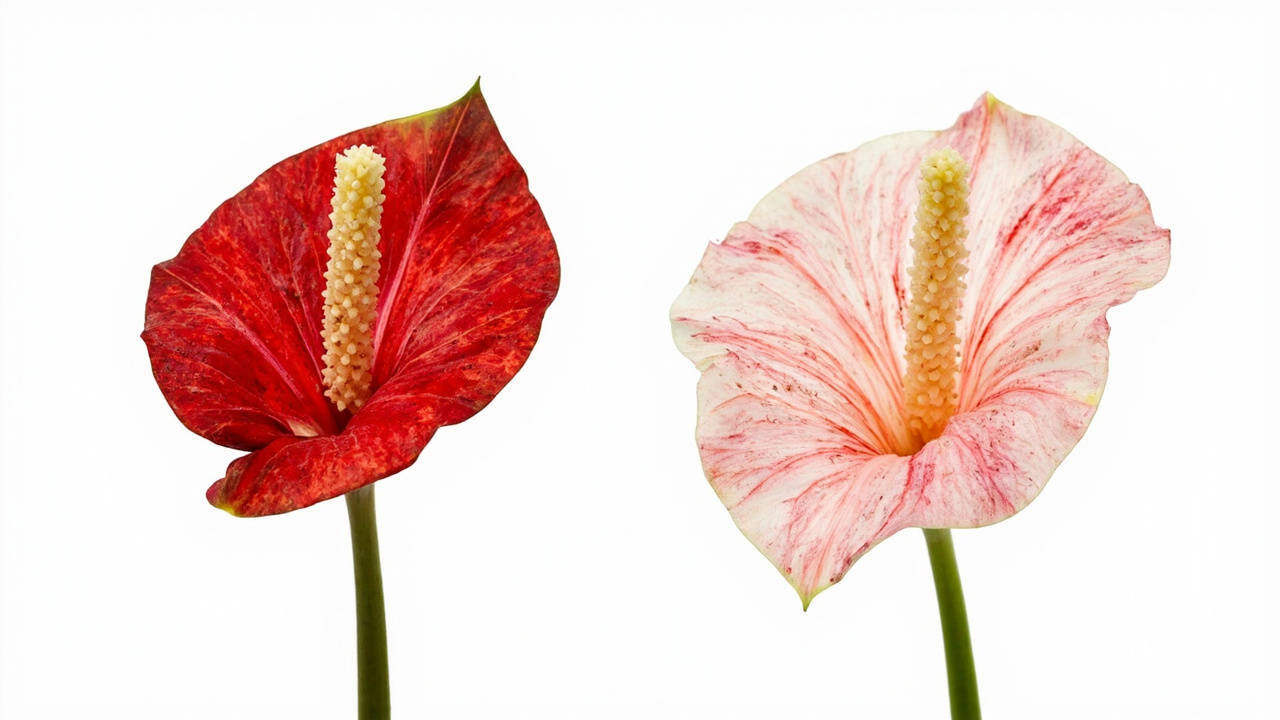
Do not propagate a plant that is already stressed. If your anthurium has recently dropped leaves, shown signs of root trouble from overwatering, or is currently blooming, wait until it has recovered and finished its bloom cycle. A healthy parent plant with at least one offset that has three or more leaves and visible roots is your best candidate.
Preparing Your Workspace and Materials
Gather everything before you start so the division process is quick and clean:
- Clean, sharp knife or garden scissors — wipe the blade with rubbing alcohol before you cut
- Chunky aroid mix — equal parts orchid bark, perlite, and sphagnum moss, the same blend described in the soil requirements guide
- Small pots with drainage holes — 10 to 12 cm (4 to 5 inches) is ideal for a single offset
- Optional: rooting hormone powder — helpful but not required for divisions that already have roots
- Humidity dome or clear plastic bag — to cover the new pot while the offset establishes
- Newspaper or a tray — to catch soil and keep your workspace clean
Step-by-Step Division Method
Remove and inspect the parent plant
Water the parent plant a few hours before you start so the roots are hydrated and flexible. Tip the pot sideways and gently slide the root ball out. If the roots are circling the bottom, loosen them with your fingers. Shake off the old soil so you can see where the offset connects to the main stem.
Separate the offsets
Look for offsets that have at least two or three leaves and a visible cluster of white or tan roots. Hold the base of the offset with one hand and the main stem with the other. Pull gently — a healthy offset with its own roots will separate with little resistance. If it does not come free easily, use your clean knife to cut through the connecting tissue, making sure each division keeps a portion of its root system intact.
Dust the cut surfaces with rooting hormone if you have it. This step is optional for divisions that already have roots, but it helps seal the wound and encourages new root growth on cuttings that have fewer roots.
Pot up the new divisions
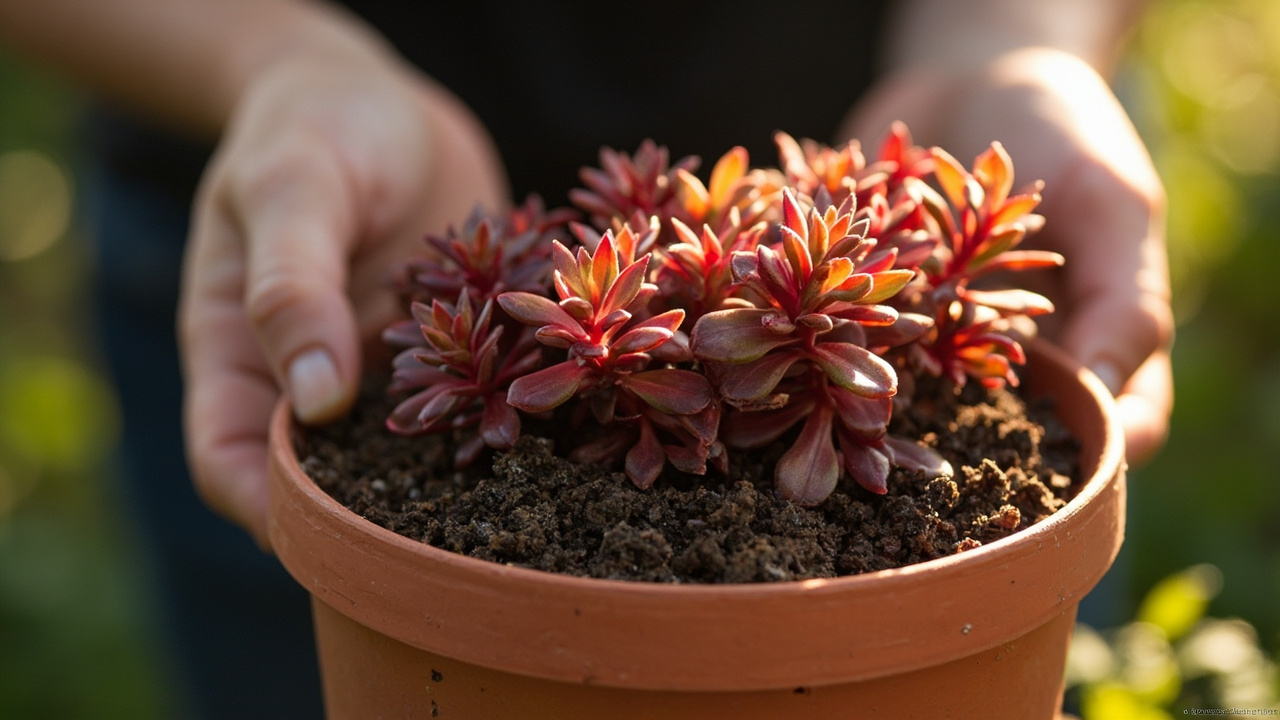
Fill each small pot about two-thirds full with your aroid mix. Set the offset so the base of the stems sits just above the soil line — do not bury the crown deeper than it was in the parent pot. Add mix around the roots and press lightly to anchor the plant. Water thoroughly until water runs out of the drainage holes, then let the pot drain completely.
Place each new pot inside a humidity dome or cover it loosely with a clear plastic bag. This keeps humidity above 70 percent while the offset develops new roots. Set the pots in bright indirect light — the same light levels that work for monstera propagation. Direct sun will cook the young plants under the dome.

Aftercare: Helping Your New Plant Establish
The first four to six weeks are the establishment window. During this time, the offset is growing new roots into the fresh mix and does not yet have the root mass to take up water efficiently. Check the soil every two to three days and water when the top inch of soil feels dry — but do not keep the mix soggy. A humidity dome left on too long with wet soil is the fastest way to lose a new division to rot.
Open the dome for 30 minutes every other day to let fresh air circulate. After two weeks, you can start leaving the dome off for longer periods. Once you see a new leaf emerging from the center of the offset, that is your signal that roots have established — remove the dome entirely and transition to normal anthurium care.
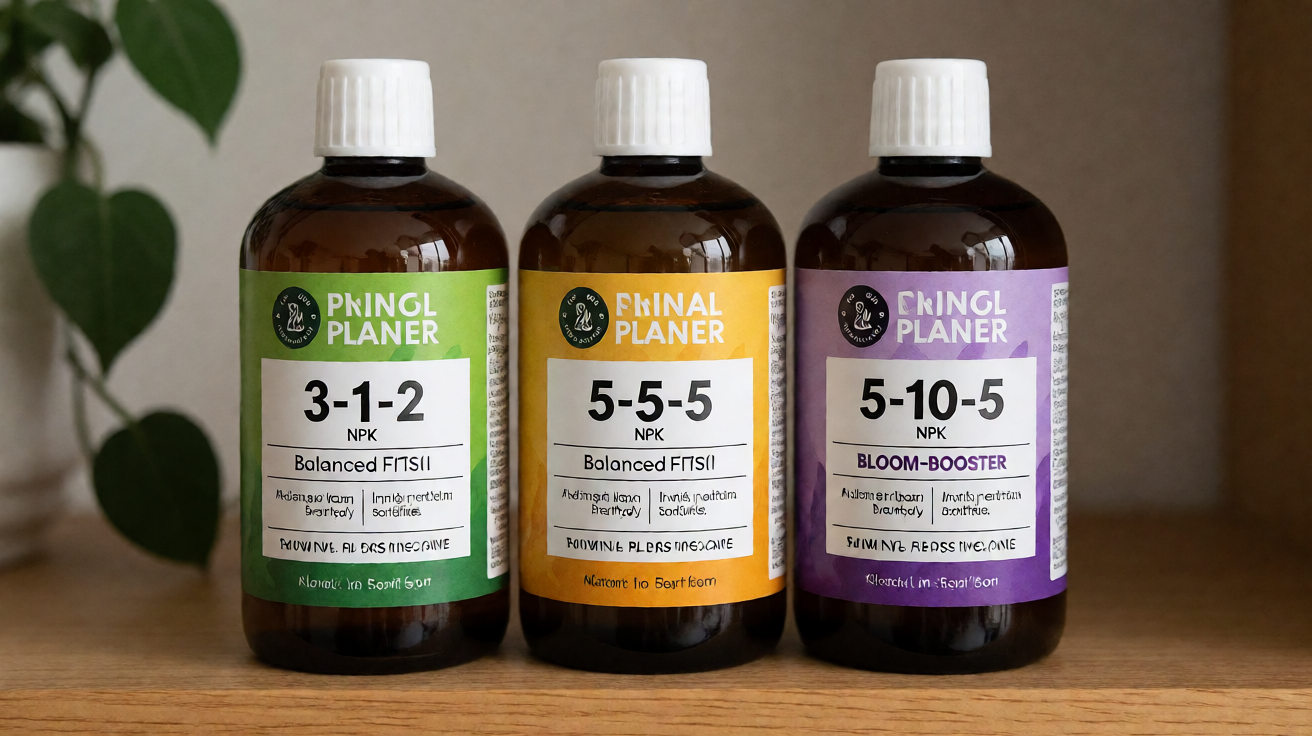
Do not fertilize for the first six weeks. The fresh mix has enough nutrients, and feeding before roots are established can burn the delicate new root tips. After the first new leaf fully opens, begin with a half-strength liquid feed once a month during the growing season.
Stem Cutting as a Backup Method
If your anthurium has no offsets, you can propagate from a stem cutting — but expect a slower process with a lower success rate. Cut a 10 to 15 cm (4 to 6 inch) section of stem that includes at least one node and one aerial root if possible. Let the cut end dry and callus for 30 minutes, then place it in damp sphagnum moss inside a humidity dome.
Keep the moss moist but not wet, and wait for new roots to develop from the node. This can take four to eight weeks. Once roots are at least 5 cm (2 inches) long, pot the cutting up in aroid mix and treat it like a division. Stem cuttings work, but they lack the head start that a rooted offset gives you — division is the method to reach for first.
Common Mistakes and How to Avoid Them
- Separating offsets without roots. If an offset has no visible roots of its own, it is not ready. Wait until the next repotting cycle and let it develop further on the parent plant.
- Overwatering the new pot. A small pot with a young root system dries out less quickly than a mature plant. Check the soil before every watering and err on the side of slightly dry rather than wet.
- Removing the humidity dome too early. The offset needs high humidity for at least three to four weeks. Taking the dome off after one week is the most common reason new divisions wilt and fail.
Give your new anthurium division the same care you would give a mature plant, with a little extra patience during the establishment window. Within two months, a well-handled division will look like a standalone plant — and within a year, it may produce its first bloom.
From Bank Statement to QuickBooks-Ready File
That manual cleanup you just read about? This tool skips it. Turn your PDF into QBO for QuickBooks without storing your data anywhere.
Start Converting