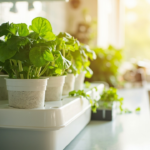
Microgreens can be good for you, but they are not magic. They are young edible seedlings that add fresh flavor, color, and useful plant compounds to meals in a very small amount of space. Their biggest everyday value is practical: they make it easier to add tender greens to food you already eat.
The nutrition story is strongest when microgreens are treated as part of a varied diet, not as a cure or supplement. Crop, seed quality, growing conditions, harvest timing, and freshness all change what ends up on the plate.
What Microgreens Are
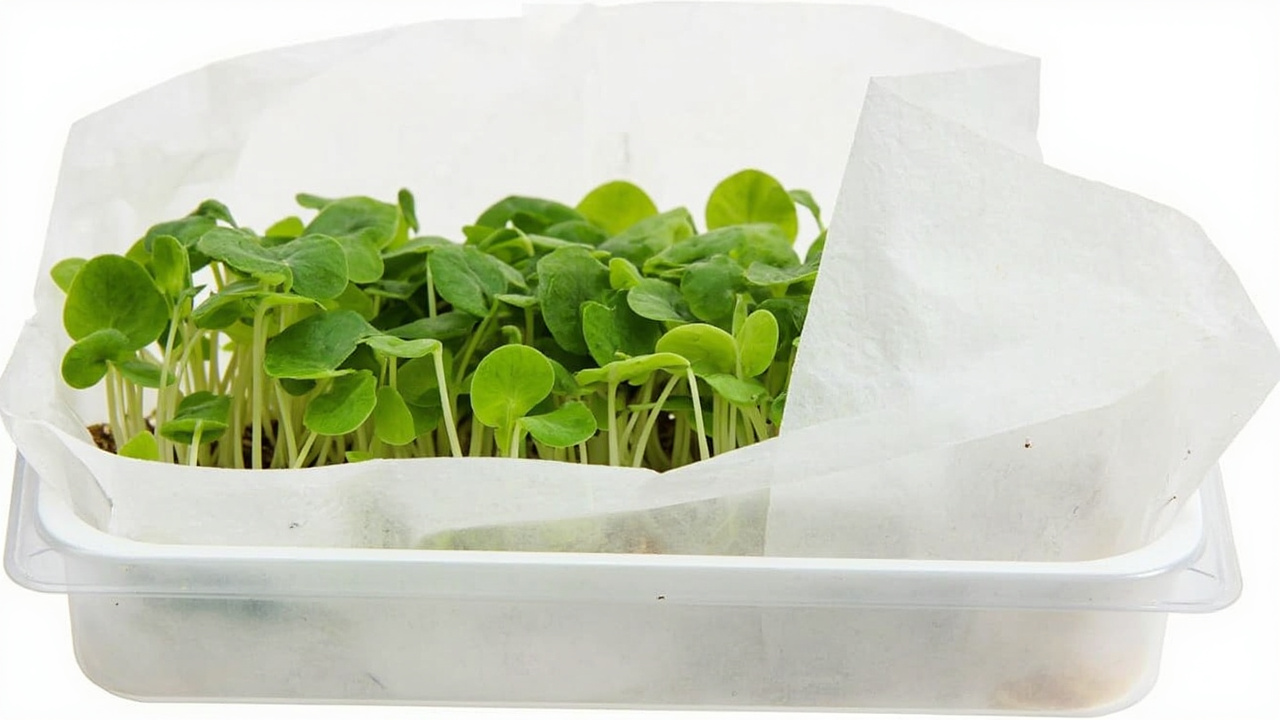
Microgreens are harvested after the seed leaves open and before the plant becomes a mature vegetable. The basic growing method is covered in how to grow microgreens. You eat the stem and young leaves, not the roots or medium.
That stage matters because the seedling is metabolically active. It is using stored seed energy while building its first green tissue. This is why microgreens can taste more concentrated than mature lettuce even when the serving is small.
What They Add To Meals
Microgreens add texture, aroma, color, and crop-specific flavor. Radish is peppery, broccoli is mild, sunflower is nutty, and pea shoots are sweet. The difference from sprouts is explained in microgreens vs sprouts.
The practical benefit is that microgreens are easy to add raw at the end of cooking. Heat can soften texture and mute flavor, so they usually work best as a topping, garnish, salad base, or sandwich layer.
Nutrition Claims Need Context
Some microgreens can contain concentrated vitamins, minerals, and phytochemicals compared with mature leaves by weight. The honest limitation is serving size. A tablespoon of microgreens is not the same dietary event as a full bowl of vegetables.
Seed choice also matters. The microgreens seeds guide explains why crop type and seed quality change the result before the tray even starts.
Which Microgreens Are Worth Growing First
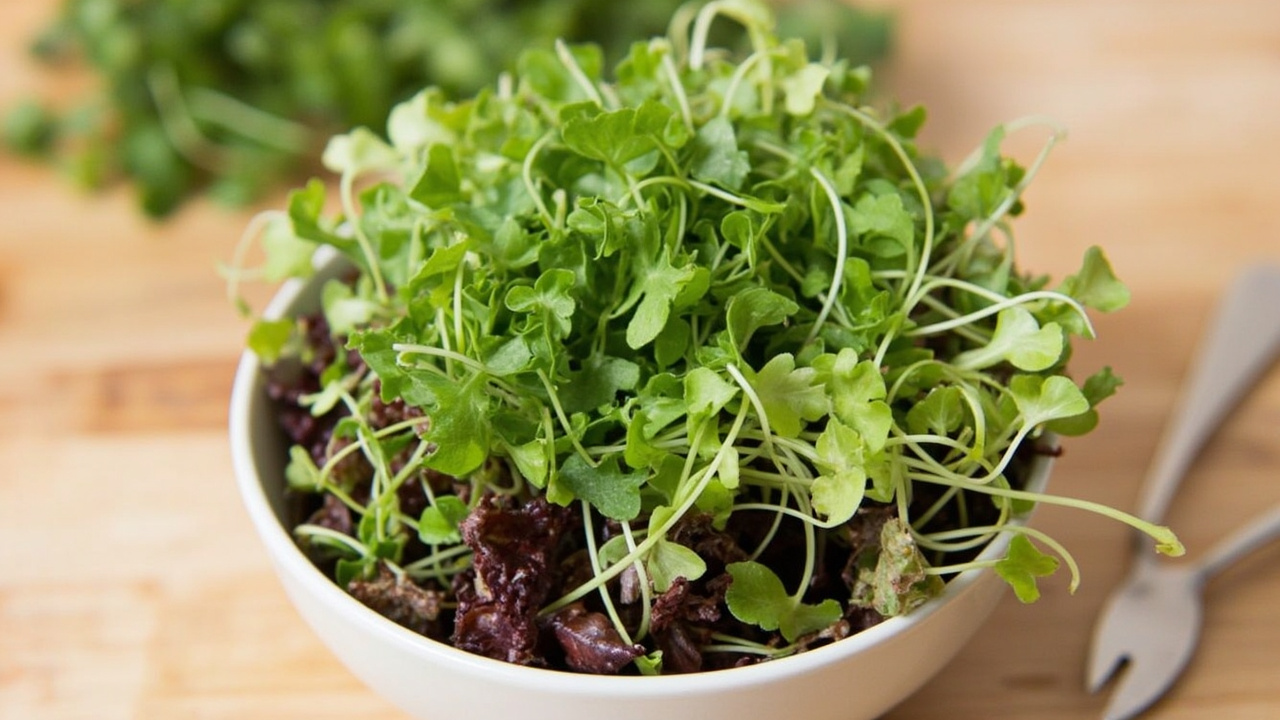
Beginner-friendly crops are usually the best place to start. Broccoli microgreens are mild, quick, and reliable, which makes them easier to use consistently. Radish, kale, mustard, pea shoots, and sunflower shoots are also useful, but each brings a different flavor and growing habit.
If you dislike the flavor, you will not keep eating them. Choose crops that fit your actual meals rather than buying a mix because it sounds healthier.
Freshness And Safety Matter
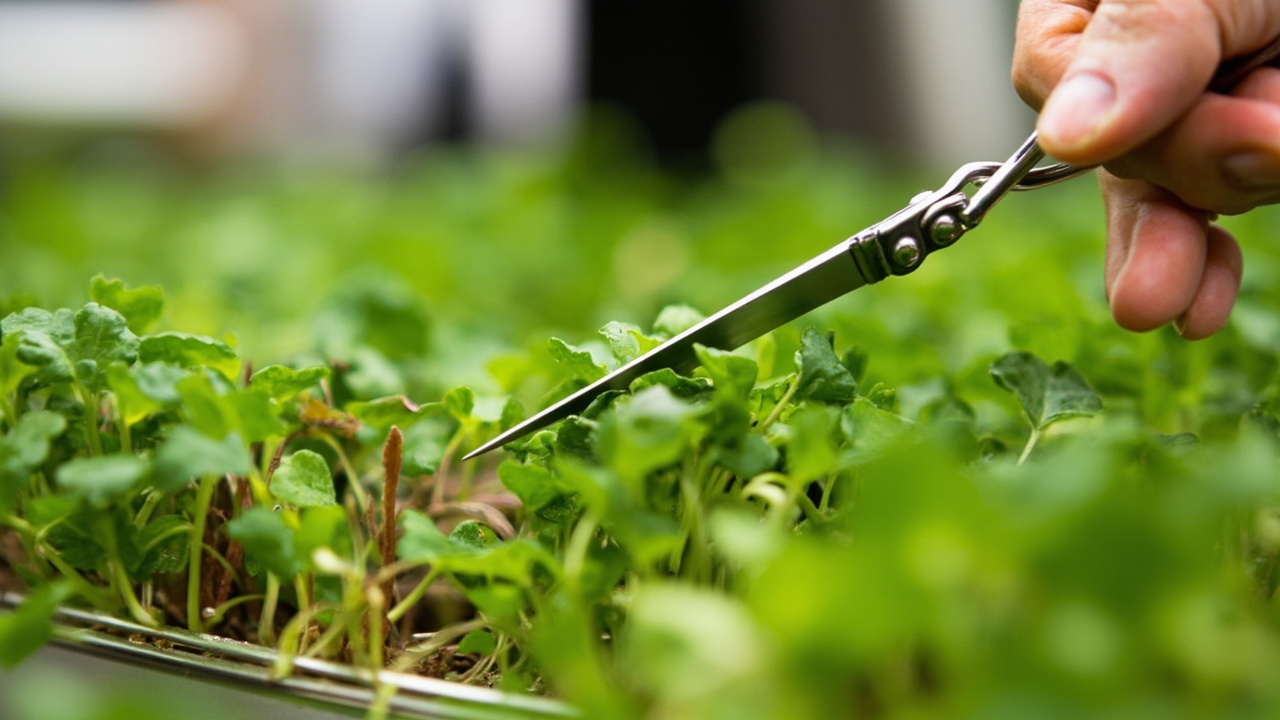
Microgreens are eaten young and often raw, so cleanliness matters. Use untreated seed, clean trays, good airflow, and careful watering. Harvest timing also affects quality; the cues are covered in when to harvest microgreens.
Discard trays that smell sour, look slimy, or show spreading mold. A small harvest is not worth guessing about food safety.
The Realistic Answer
Microgreens are good for you when they help you eat more fresh plants, add variety, and replace less useful toppings. They are not a shortcut around a poor diet, and no single tray carries the whole nutrition burden.
The best reason to grow them is that they are fresh, fast, and easy to use. That is enough. A small crop that you actually eat every week is more valuable than a superfood claim you cannot repeat.
From PDF to Excel in one click
Forget retyping line by line. Upload any bank statement, get a spreadsheet you can actually use. Your files are never stored, and you can test the converter with 3 free conversions.