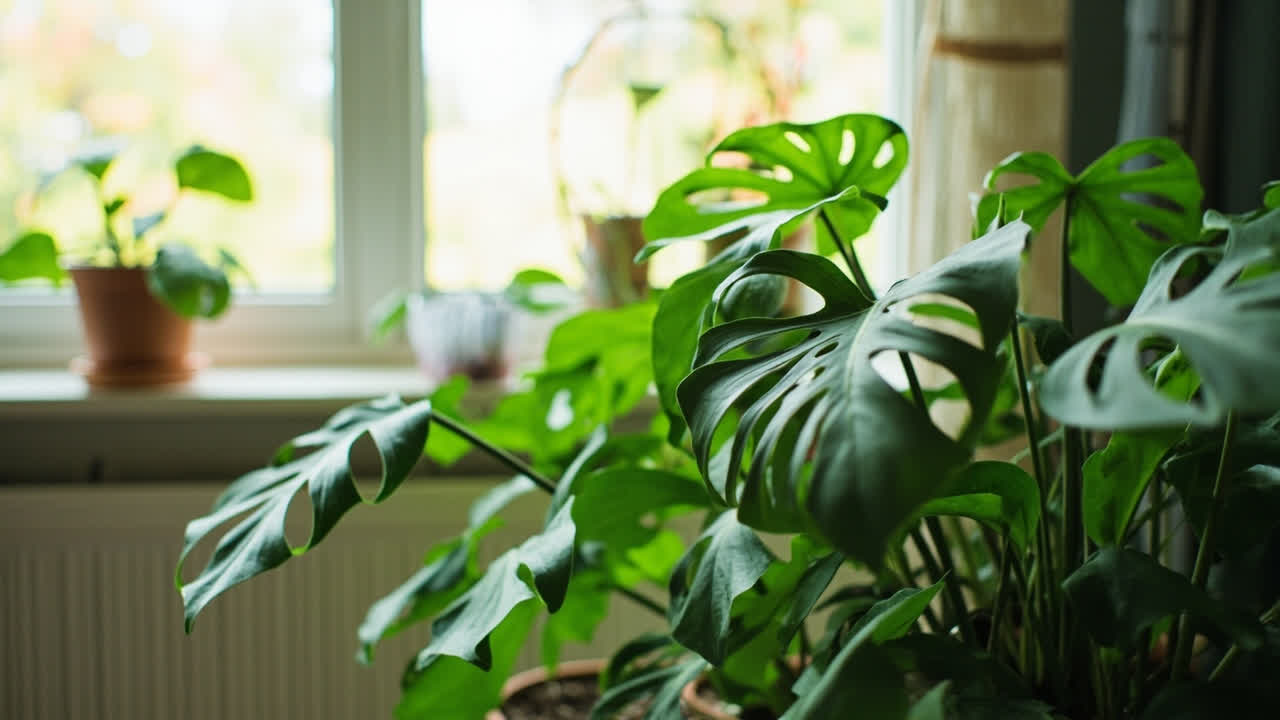
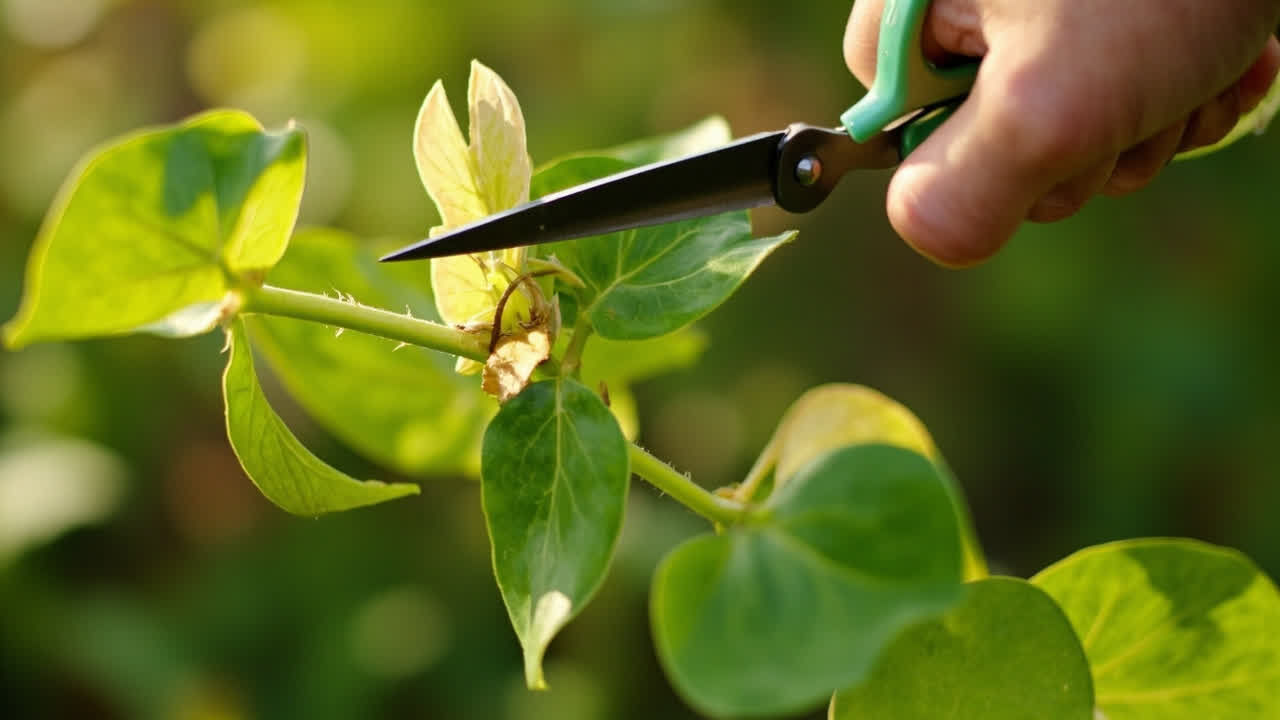
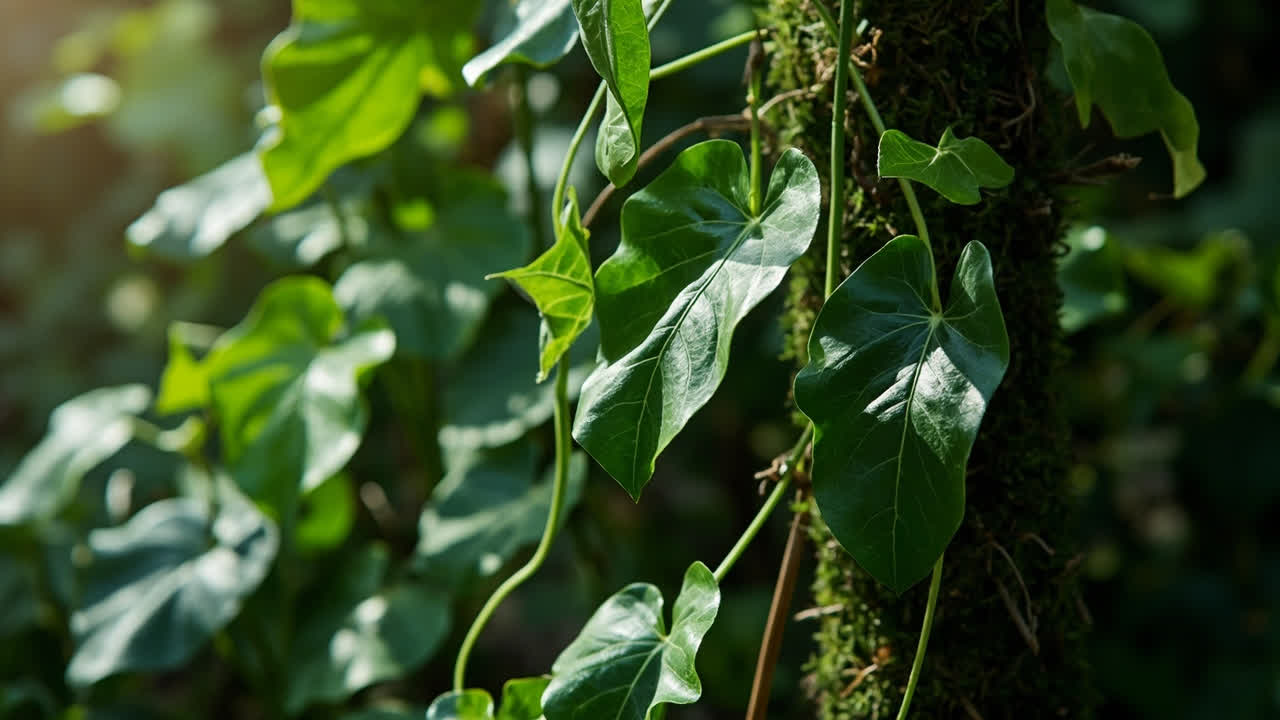
A yellow leaf on a philodendron is not a diagnosis. It is a symptom that can mean overwatering, underwatering, low light, a draft, a nutrient issue, or simply the natural retirement of an older lower leaf. The right philodendron yellow leaves treatment depends entirely on which of those causes is actually at work, and the only way to tell them apart is to look at the pattern of yellowing, the soil moisture, the light, and the recent history of the plant.
Start With the Pattern, Not the Color
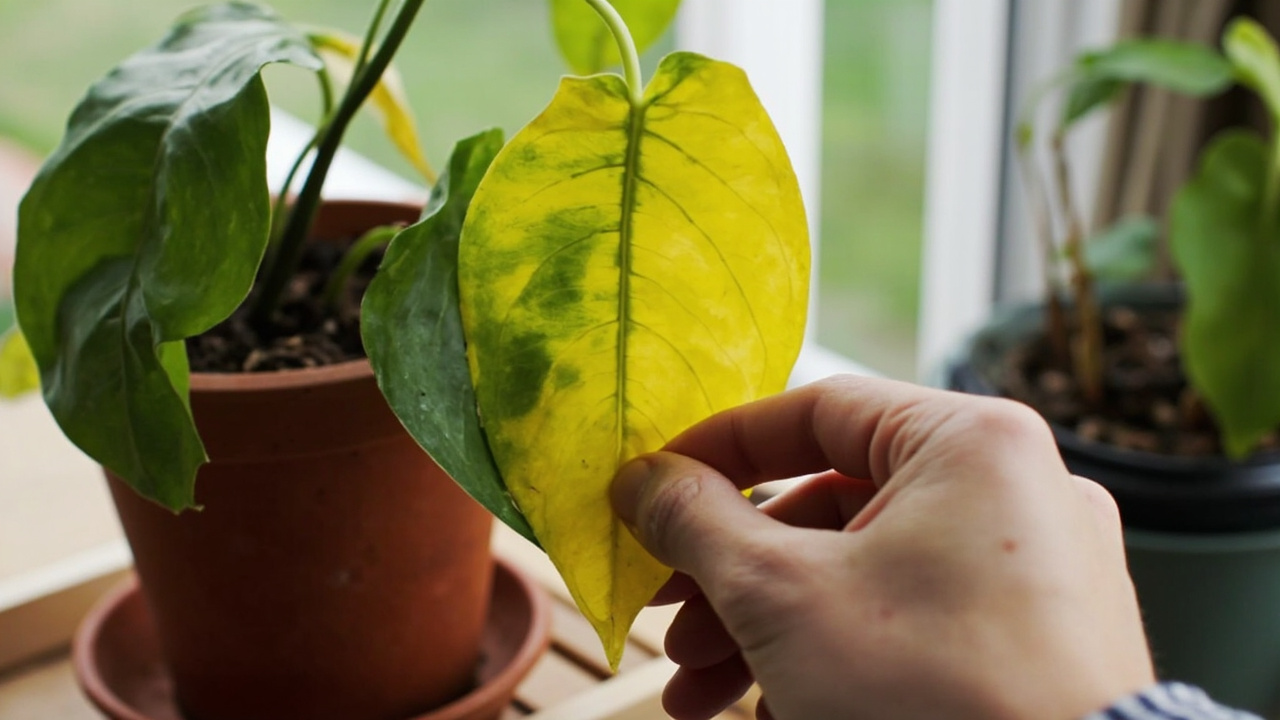
The single most useful diagnostic is the pattern of yellowing, because each cause tends to leave a different signature. Lower leaves yellowing first usually points to watering or root issues. New growth yellowing points to light or nutrients. Yellow patches in the middle of a leaf point to sunburn or pests. Whole-plant pale yellowing with long, floppy stems points to a chronic light problem. The shape, location, and speed of the yellowing together narrow the cause faster than any single observation.
The second most useful check is the soil. Stick a finger 3 to 4 cm into the top of the pot. If the soil is wet, the cause is almost always overwatering. If the soil is bone-dry all the way through, the cause is underwatering. If the soil is moist but the plant is still yellowing, the cause is more likely light, nutrients, or a recent shock such as a cold draft or a move to a new spot.
The Most Common Cause: Overwatering and Root Stress
Overwatering is by far the most common reason philodendrons develop yellow leaves, and the mechanism is that saturated soil suffocates the roots. The roots cannot take up oxygen, they begin to die back, and the plant can no longer move water and nutrients to the older lower leaves. Those leaves yellow, soften, and drop, while the new growth at the top often stays green for a while because the plant is prioritizing it. The classic visible pattern is one or two yellow lower leaves on a plant that otherwise looks fine, with wet soil underneath.
The fix is to stop watering until the top 2 to 3 cm of soil are dry, and to check that the pot has working drainage. If the soil smells sour, the roots are likely rotting, and a full repot into fresh, chunky philodendron soil mix is the right call. Trim any black, mushy roots back to firm, white or tan tissue, dust the cuts with cinnamon, and hold off on fertilizer for 6 to 8 weeks while the plant recovers.
Turn PDF Bank Statements Into Workable Spreadsheets
Your bank statement is a mess of numbers, but your books shouldn't be. Use our converter to get Excel, CSV, or QBO files — ready for QuickBooks.
Try It Free NowUnderwatering: A Different Yellow Pattern
Underwatered philodendrons yellow in a different way. The leaves go limp first, then develop yellow patches that often start at the tips or edges, and the soil pulls away from the sides of the pot. The whole plant droops visibly, and the lower leaves feel dry and papery rather than soft and water-soaked. A simple test: lift the pot. A chronically underwatered plant is noticeably lighter than it should be, and the soil feels dry to the finger an inch down.
The recovery is usually fast. Water thoroughly until the water runs from the drainage holes, and let the plant drain for ten minutes before putting it back. If the soil has pulled away from the pot, bottom-water by setting the pot in a few centimetres of water for 30 minutes, then resume a regular watering schedule. The yellow leaves will not turn green again, but new growth should emerge green and perky within two to three weeks.
Light, the Quiet Cause
Light is the most overlooked cause of yellowing because the symptoms appear slowly and the plant looks otherwise healthy. A philodendron in too little light will gradually push out smaller, paler new leaves. The older leaves that grew in better conditions often look fine for a while, but the entire plant slowly becomes pale green or yellow-green, with longer spaces between leaves and a generally leggy, sparse shape. The soil moisture is usually within a normal range, which is what distinguishes light-related yellowing from watering-related yellowing.
The fix is to move the plant to a brighter spot. Bright, indirect light from an east or west window is the sweet spot for most philodendrons. Direct south-facing sun will scorch the leaves and produce a different pattern — pale, papery patches on the parts of the leaves that received the most sun. The philodendron light requirements page covers how to read the leaf shape and color to find the right exposure.
Nutrient Issues: Too Little or Too Much
True nutrient deficiency is rare in philodendrons grown in fresh soil with a light, regular feeding schedule. When it does happen, the most common pattern is uniformly pale new growth, with the veins of the new leaves staying slightly greener than the tissue between them. Nitrogen deficiency in particular shows up as older leaves turning pale yellow before the new growth does, because nitrogen is mobile in the plant and the plant relocates it to the new growth first.
Over-fertilization is a more common cause of yellowing than under-fertilization. The leaves develop brown, crispy tips in addition to the yellowing, and a white salt crust forms on the surface of the soil. The fix is to flush the pot thoroughly with plain water (let two to three pot-volumes of water run through), pause feeding for at least six weeks, and resume at half strength. A yearly refresh of the top 2 to 3 cm of soil also helps reset the salt balance.
Temperature, Drafts, and Acclimation Shocks
A single cold night from a drafty window, or a sudden move from a warm indoor spot to a much cooler outdoor patio, can produce yellow leaves within 24 to 72 hours. The pattern is usually a few leaves yellowing at once, often on the side of the plant that faced the cold source. The damage is not reversible, but the plant will usually recover with normal care and put out new, healthy growth over the next month. For the full list of temperature thresholds, the philodendron temperature tolerance page covers the working range and the damage points.
Acclimation shocks look similar. A plant moved from a high-humidity greenhouse to a dry indoor environment will often drop one or two leaves and yellow a few more as it adjusts. The fix is to give the plant stable conditions, hold off on repotting or fertilizing for a month, and let the new growth settle in before making any other changes.
Pests: Less Common but Worth Checking
Pests are a less common cause of yellowing on philodendrons, but worth ruling out before assuming a cultural problem. Spider mites produce a fine, dusty web on the underside of the leaves, and the leaves develop a stippled, yellowed look. Thrips leave small black specks on the leaves and produce silvery patches that turn yellow over time. Mealybugs and scale insects show up as small white or brown bumps, usually where the leaf meets the stem.
The check is a quick inspection of the underside of two or three leaves, the leaf axils, and the soil surface. A 10x hand lens makes spider mites and thrips much easier to spot. Treatment depends on the pest but usually starts with a thorough rinse under lukewarm water, followed by an insecticidal soap or neem oil spray applied weekly for three to four weeks until the infestation clears.
Natural Leaf Retirement
It is normal for a philodendron to yellow and drop its oldest lower leaves as the plant grows. The pattern here is a single, sometimes two, leaves yellowing at a time at the very bottom of the plant, with the rest of the foliage green and healthy. The yellowing is slow (often a week or more from green to fully yellow), the soil moisture is normal, the light is fine, and the new growth at the top continues to come in green and vigorous. No treatment is needed beyond leaving the yellow leaf on the plant until it pulls away cleanly, which keeps the surrounding tissue from being damaged.
A Quick Decision Tree
When a philodendron develops yellow leaves, the fastest way to a fix is to walk through the same four checks in order. First, look at the pattern: lower leaves versus new growth, single leaf versus many, and where on the leaf the yellowing started. Second, feel the soil an inch down: wet, dry, or moist. Third, check the recent history: any move, any temperature event, any feeding change. Fourth, look at the new growth: is it normal, or has it also slowed and paled. The combination of those four answers almost always points to one cause, and the right fix follows directly.
If the cause is still unclear after the four checks, the safest default is to do less rather than more. Skip the next scheduled watering, hold off on fertilizer, leave the plant in the same spot, and watch the new growth over the next two to three weeks. Most philodendrons will signal the real cause through the new leaves they push out during recovery, and chasing the symptom with repotting, fertilizing, or moving usually makes the underlying issue harder to read. The philodendron problems guide and the reviving a struggling philodendron walkthrough cover the more serious end of the spectrum when the simple fixes are not enough.