Philodendrons are native to the tropical forests of Central and South America, where temperatures are consistently warm and stable year-round. That tropical origin sets the parameters for what they tolerate in your home — and temperature is one of those factors that you cannot compensate for with better watering or feeding. Get it wrong and the plant suffers in ways that are hard to reverse quickly.
The Ideal Temperature Range for Philodendrons
18°C to 30°C is the comfortable range. Within this band, Philodendrons grow actively, produce large leaves, and show no signs of temperature stress. Below 15°C, growth slows noticeably and the plant becomes more vulnerable to overwatering because its metabolic rate has dropped. Below 10°C for more than a few hours, cold damage becomes visible — leaves darken, become limp, and eventually collapse. Sustained cold below 10°C can kill a Philodendron.
Above 30°C, the plant is not immediately in danger, but stress increases: soil dries faster, the plant uses more water, and if humidity is also low, brown tips appear quickly. In Singapore’s hot season or in rooms without AC that exceed 32°C, this is a real concern.
Where Temperature Goes Wrong in Singapore Homes
Air conditioning vents. This is the primary cause of temperature-related Philodendron stress in Singapore. A pot placed directly under or near an AC vent receives cold, dry air that hits the leaves continuously. The plant loses water faster through its leaves than the roots can supply, creating a cascade of stress symptoms: brown tips, limp leaves, and slowed growth. The soil also stays wet longer because the plant is not transpiring normally — compounding the problem with overwatering risk.
Near cold windows at night. Single-pane windows can become significantly colder than the room air on cool nights. If a Philodendron is on a windowsill with leaves touching cold glass, the plant experiences localised cold stress even when the overall room temperature is fine. Move plants back from windows on cool nights.
Air-conditioned rooms that are cooled to very low temperatures. Some Singapore households set AC to 18°C or lower, particularly in bedrooms at night. A Philodendron in this environment is essentially in cold storage — not cold enough for visible damage, but cool enough that growth virtually stops and the soil stays perpetually wet.
Signs Your Philodendron Has Temperature Stress
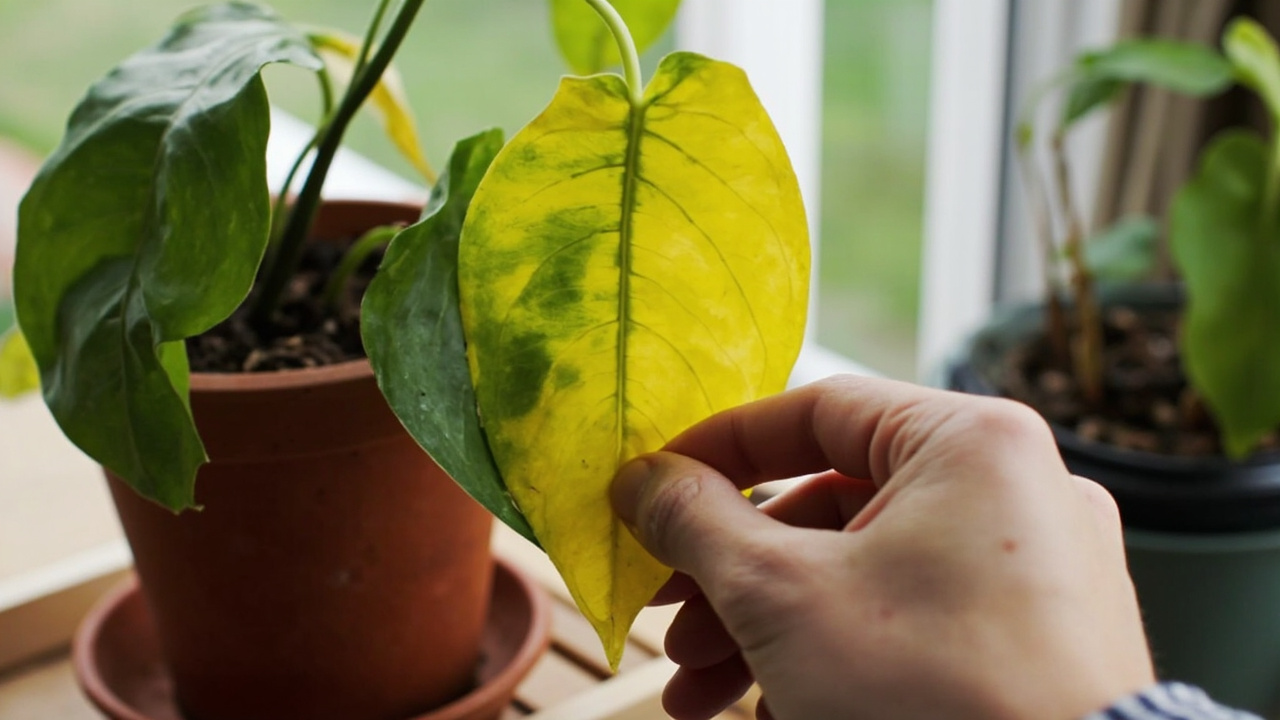
Leaves curl inward longitudinally. The leaf margins roll up, the leaf feels thinner and less rigid than normal. This is a stress response that is often misdiagnosed as underwatering — the fix is very different, so check soil moisture first.
Brown tips and edges at the same time as healthy-looking newer growth. This pattern — older leaves stressed, newer leaves fine — points to a consistent environmental stressor rather than a sudden event. Low humidity and cold AC airflow are the two most common causes in Singapore.
Growth that slows or stops in the warm months when everything else is correct. If your Philodendron is not growing from March through October despite good light, water, and feeding, and it is in an air-conditioned room, the temperature is likely suppressing its metabolism.
Managing Temperature for Philodendrons
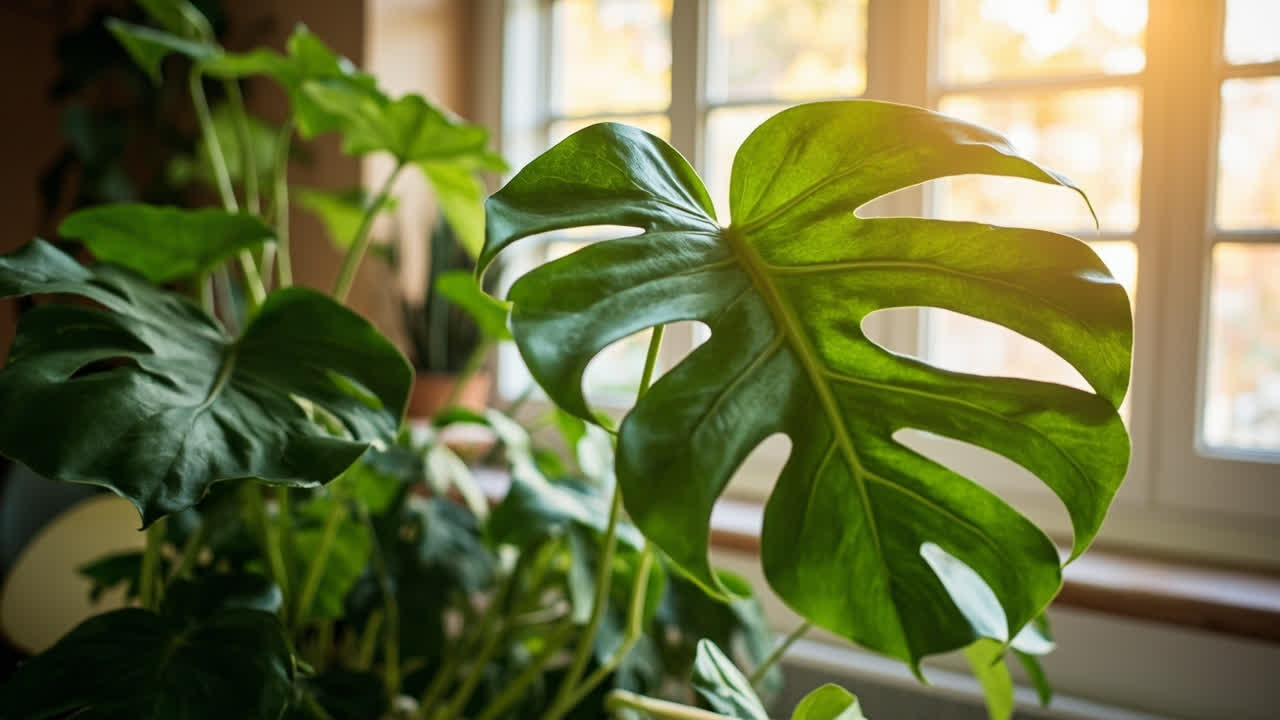
The best position: at least one to two metres from the nearest AC vent, in a room that is not set to very cold temperatures. If your Philodendron is in a frequently air-conditioned room, keep it further from the vent and group it with other plants to create a slightly more stable microclimate.
During Singapore’s cooler dry season (January to March), when outdoor temperatures are lower and rooms tend to be cooler, monitor soil moisture and reduce watering frequency slightly — the plant’s water use drops in cooler conditions and the soil stays wet longer than expected.
Philodendrons in consistently warm rooms without AC will generally outperform those in cold air-conditioned spaces. New growth emerges faster, leaves are larger, and the plant is visibly more vigorous. If you are serious about growing Philodendrons well, a position outside the direct AC path is the single most impactful change you can make.
For general care, see the Philodendron Care guide.
Turn PDF Bank Statements Into Workable Spreadsheets
Your bank statement is a mess of numbers, but your books shouldn't be. Use our converter to get Excel, CSV, or QBO files — ready for QuickBooks.
Try It Free Now