If you have cats or dogs and you keep Philodendrons, this is the most important article you will read about these plants. Philodendrons — like all plants in the Araceae family — are toxic to cats and dogs, and the consequences of ingestion range from uncomfortable to serious depending on the amount consumed and the size of the animal.
How Toxic Are Philodendrons
Philodendrons contain calcium oxalate crystals called raphides, which are embedded in all parts of the plant: the leaves, stems, roots, and nodes. When chewed or ingested, these crystals cause immediate mechanical irritation to the mouth, tongue, lips, and gastrointestinal tract. They are not lethal in the way that some plant toxins are, but they are genuinely harmful and the animal will be in significant discomfort.
The severity of the reaction depends on how much was eaten and the size of the animal. A small dog or cat that eats a substantial amount — several leaves — can develop more serious symptoms than a larger animal that chews one leaf and spits it out.
What Happens When a Cat or Dog Eats Philodendron
Symptoms typically appear within minutes and include:
- Excessive drooling or foaming at the mouth
- Pawing at the face and mouth
- Vocalising — the animal is distressed
- Swelling of the mouth, tongue, or lips
- Vomiting or retching
- Difficulty swallowing
These symptoms are the result of the calcium oxalate crystals irritating the soft tissues of the mouth and digestive tract. The animal is not poisoned in the classic sense — the reaction is primarily physical irritation rather than systemic toxicity. However, the discomfort is real and significant.
When to Go to the Vet
Seek veterinary attention if:
- The animal has eaten more than one or two leaves
- Symptoms persist beyond two to three hours
- The tongue or throat shows visible swelling that could restrict breathing
- The animal is a kitten, puppy, or very small breed
- You are unsure how much was consumed
For most adult cats and dogs that have chewed a small amount, monitoring at home is usually sufficient. Provide fresh water, prevent access to the plant, and monitor for symptoms. If in doubt, call your vet — they will advise based on the specific situation.
How to Keep Pets Safe
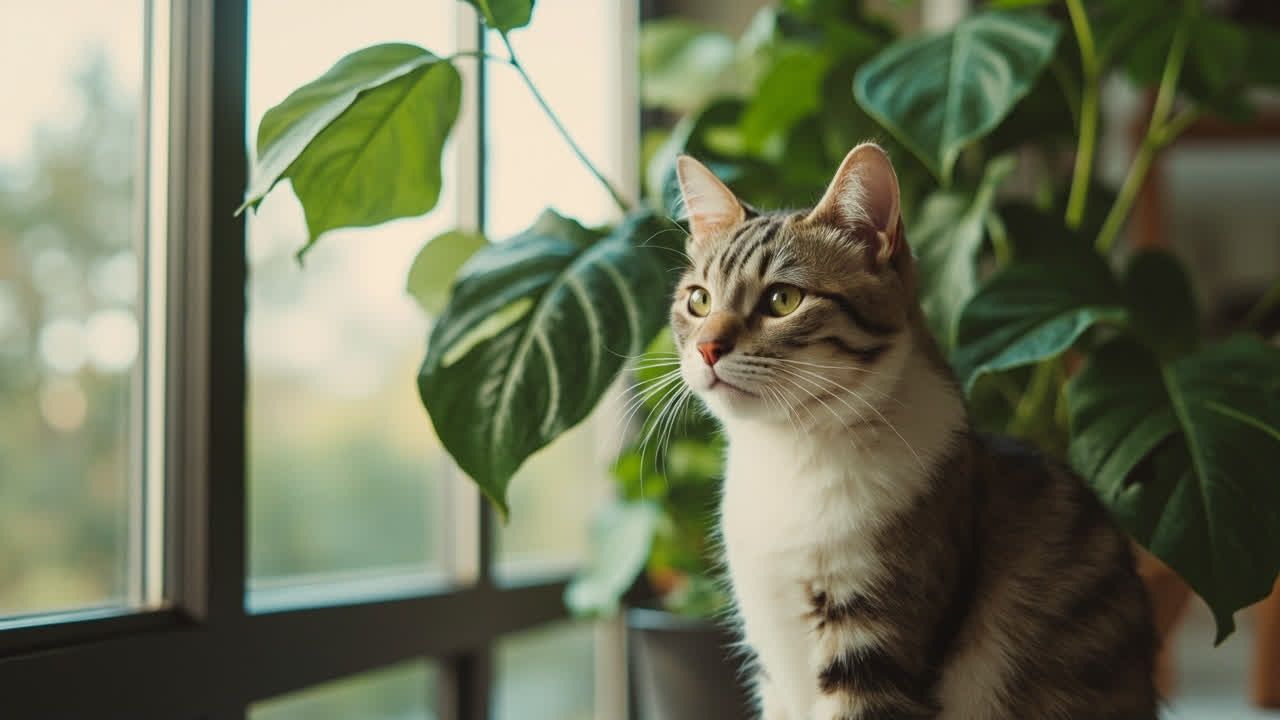
The only reliable method is placement — put Philodendrons somewhere the animal cannot reach. High shelves, rooms that are off-limits to the pet, or hanging planters out of jumping range are the effective solutions.
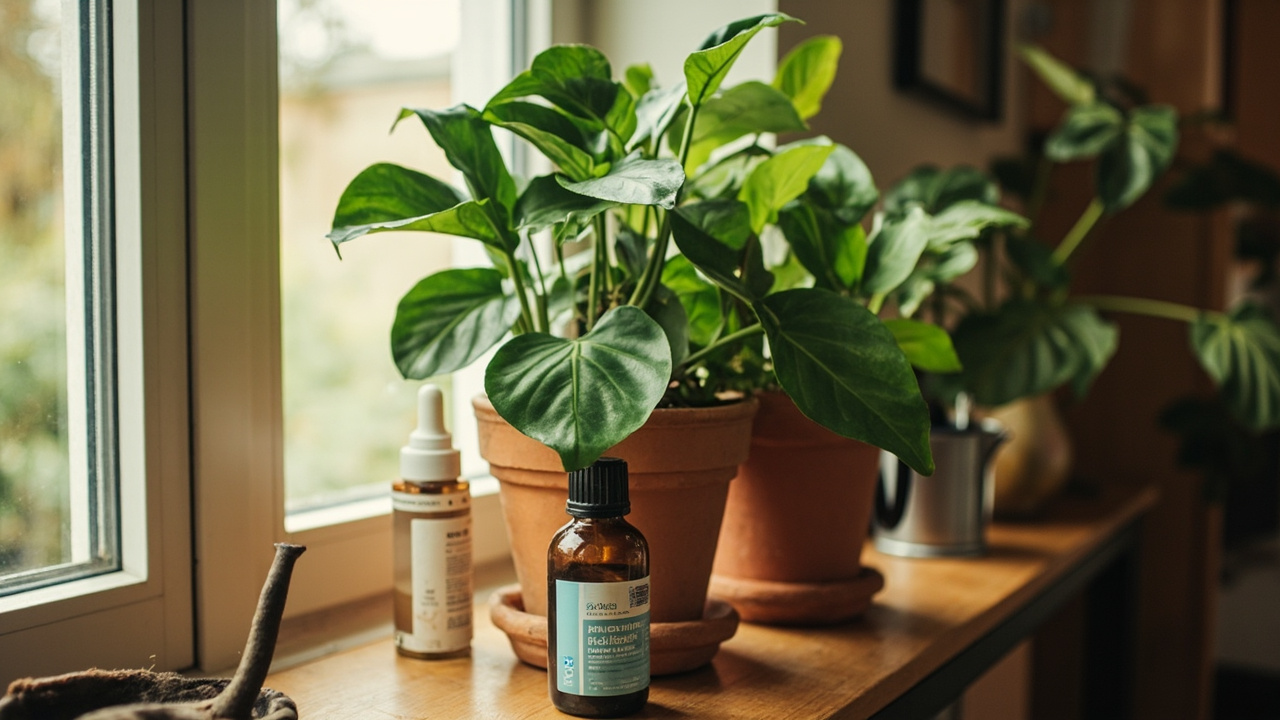
Bitter apple spray or similar deterrent sprays applied to the leaves deter some animals from chewing, but not all. Treat these as supplementary measures, not primary prevention. No deterrent is 100 percent effective and some animals are simply more persistent than others.
If you have a pet that cannot be trained away from chewing plants and you cannot create a pet-safe space for your Philodendrons, consider rehoming either the plant or, in extreme cases, the plant. No houseplant is worth a pet being poisoned.
Pet-Safe Alternatives to Philodendron
If pets are a genuine concern in your home, consider these non-toxic alternatives that have a similar aesthetic to Philodendrons:
- Spider plant (Chlorophytum comosum)
- Boston fern (Nephrolepis exaltata)
- Areca palm (Dypsis lutescens)
- Polka dot plant (Hypoestes phyllostachya)
- Peperomia (various species)
For general Philodendron care, see Philodendron Care.
From Bank Statement to QuickBooks-Ready File
That manual cleanup you just read about? This tool skips it. Turn your PDF into QBO for QuickBooks without storing your data anywhere.
Start Converting