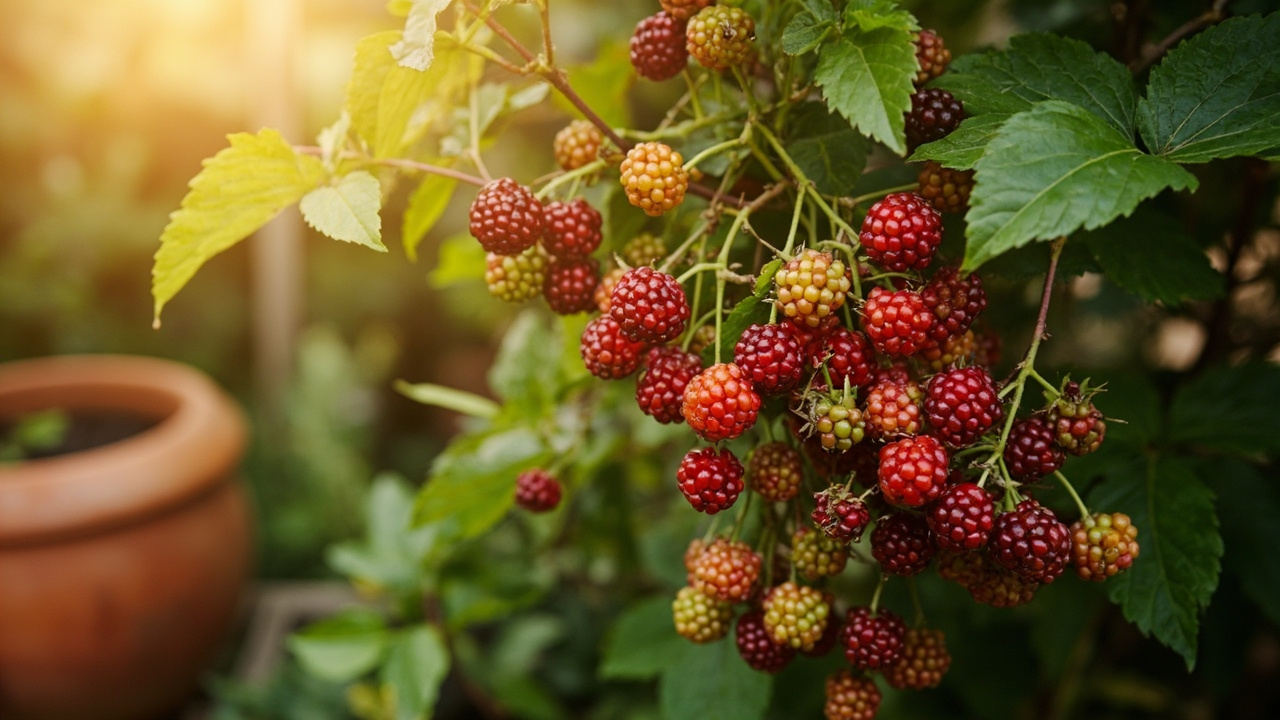

A healthy gooseberry bush rewards correct planting and annual pruning with a decade of heavy harvests. The margin between a bucket of fruit and a handful of bitter berries comes down to five decisions you make before the first bud opens in spring.
Gooseberries (Ribes uva-crispum and Ribes hirtellum) are deciduous cane fruits in the same family as currants. They demand a distinctly different approach to pruning, chill hours, and pest management than their blackcurrant cousins.
If you have grown blueberries or raspberries already, you have a head start on the patience and soil-pH awareness that berry growing requires. The difference is that gooseberries fruit on older wood, need a specific goblet-shaped pruning structure, and suffer from a pest most berry gardeners never encounter until it strips a bush bare in June.
This guide covers the full lifecycle: choosing the right cultivar for your climate, preparing soil and planting correctly, watering and feeding through the season, and pruning for maximum fruit production.
It also covers managing the four most common pests and diseases, harvesting at the right stage, and overwintering for long-term bush health. Each section links to a dedicated deep-dive where you need more detail.
Choosing the right gooseberry cultivar for your climate
Cultivated gooseberries fall into two species, and the choice between them shapes everything from flavor to disease resistance. European gooseberries (Ribes uva-crispum) produce larger, sweeter fruit with more complex flavor but are highly susceptible to American gooseberry mildew. American gooseberries (Ribes hirtellum) are smaller, tarter, and far more disease-tolerant — and they handle warmer winters better.
Top European cultivars include Hinnonmaki Red (reliable, red fruit), Careless (heavy cropper, the UK standard), and Leveller (large yellow-green fruit, needs rich soil). Invicta stands out for new growers — its mildew resistance removes the single biggest European weakness.
Leading American cultivars are Captivator (pink-red, nearly thornless, 800 chill hours), Pixwell (green-to-pink, 600 chill hours), and Jubilee (sweet red, 700 chill hours). Captivator is the standout for warmer zones — it fruits with less cold than any European variety.
Thornlessness matters more than catalogs suggest. A mature bush carries hundreds of sharp thorns on every cane. Captivator and Invicta have reduced thorn counts, making them the most practical choices for harvest ease.
All gooseberry cultivars are self-fertile — one bush is enough. Planting two varieties extends the harvest window by 2-3 weeks but is not required.
Light, temperature, and chill-hour requirements
Gooseberries need at least half a day of direct sun to fruit well, but they perform best with morning sun and afternoon shade in warmer climates. Unlike raspberries, which tolerate full sun in most zones, gooseberries scorch in intense afternoon heat.
Sunscald shows as pale, papery patches on exposed fruit and leaves. European cultivars with their thinner leaf cuticle are the most susceptible.
Chill hours are the single most important factor most new growers overlook. European gooseberries require 800-1200 hours below 7°C (45°F) to break dormancy and set fruit properly. American cultivars need 600-1000 hours.
Without sufficient chilling, bud break is erratic and fruit set drops by 50-70%. The bush gradually declines. This is why gooseberries struggle in USDA zone 8 and above without careful cultivar selection.
Hardiness ranges reflect the chill requirement: European gooseberries thrive in USDA zones 3-7, while American cultivars extend to zone 8. The trade-off is flavor — European varieties produce the complex, wine-like sweetness that makes fresh gooseberries worth growing, while American varieties are more one-dimensionally tart.
Frost tolerance during flowering is moderate. Gooseberry blossoms survive brief dips to -2°C (28°F) without significant fruit loss. Below that threshold, ovules are damaged and the developing fruit aborts. In frost-prone sites, planting near a north-facing wall or fence provides enough thermal mass to buffer overnight temperature swings by 1-2°C.
Choose a home garden site with good air circulation — mildew thrives in stagnant, humid pockets. Avoid low spots where cold air settles.
Soil preparation and planting
Gooseberries demand well-drained, slightly acidic soil with a pH between 6.0 and 6.5. They tolerate more acidity than blueberries but fail in alkaline conditions above pH 7.0, where iron chlorosis turns new leaves yellow within weeks. Test your soil before planting and amend with sulfur if pH exceeds 6.8.
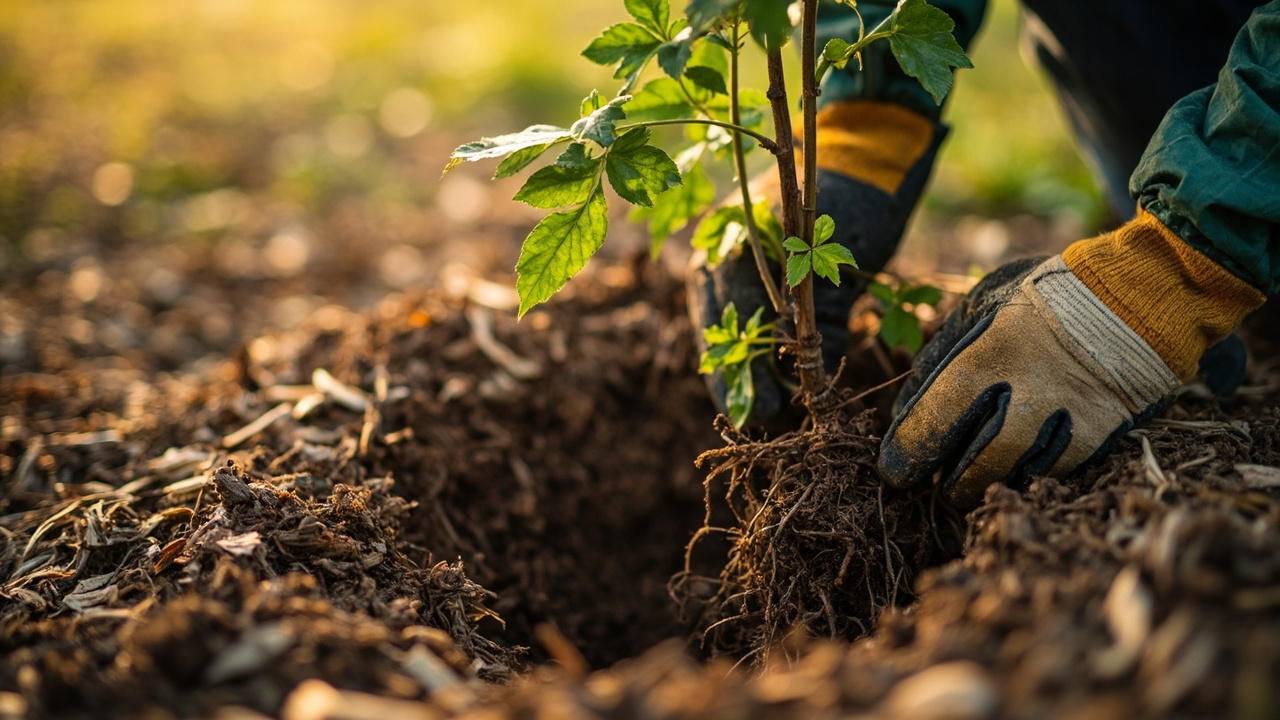
For bare-root bushes — the most economical option — soak the roots in a bucket of water for 2 hours before planting. Dig a hole 45cm wide and 30cm deep, incorporating a shovel of compost into the base.
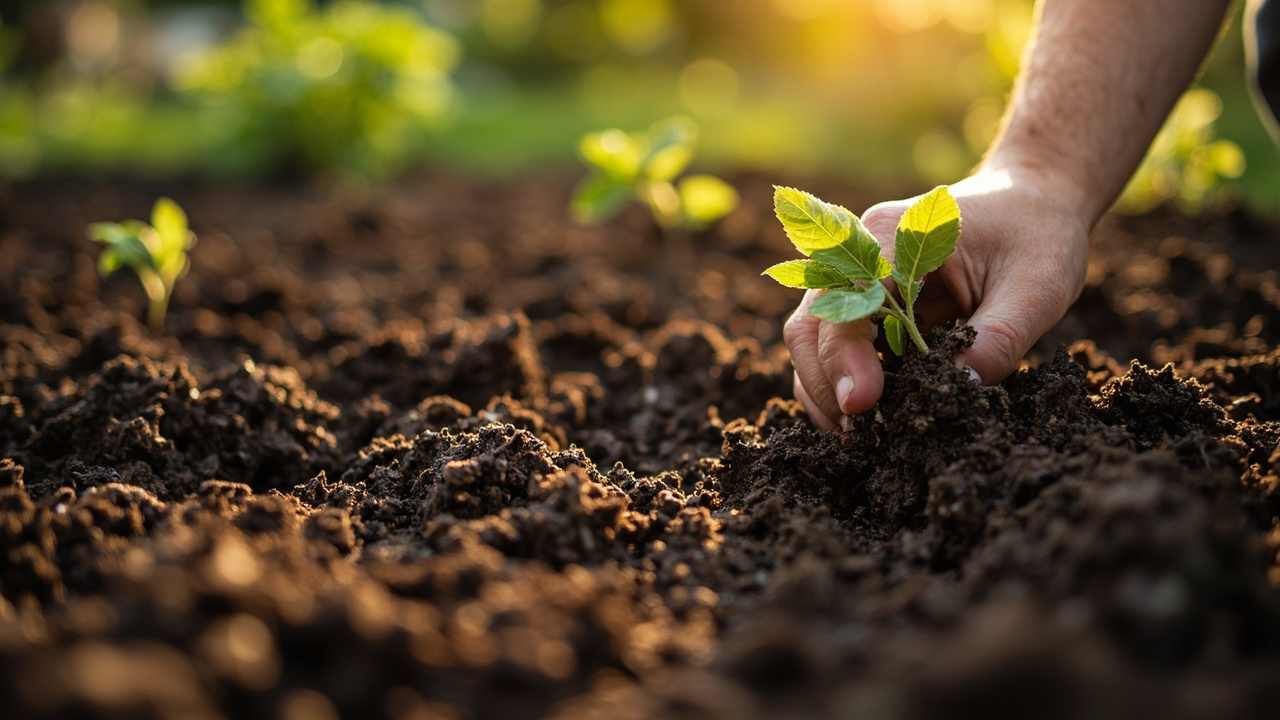
Spread the roots naturally, position the crown 5cm below the original soil line, and backfill with a mix of excavated soil and compost. Firm gently and water deeply.
Container planting works in 45-60L pots with drainage holes. Use a mix of 60% loam-based compost, 30% garden compost, and 10% horticultural grit. Never let the pot sit in a saucer of water — gooseberry roots rot quickly in saturated conditions. Container bushes need repotting into fresh compost every 2-3 years.
Space bushes 1.2-1.5m apart in rows with 2m between rows. This spacing allows air circulation for mildew prevention and gives you room to harvest without fighting through thorny canes. Closer spacing is possible with American cultivars, which tend to be more compact.
After planting, apply 8-10cm of organic mulch — straw, shredded leaves, or well-rotted wood chips — keeping it 5cm clear of the crown to prevent rot. The mulch conserves moisture, suppresses weeds, and slowly feeds the soil as it breaks down.
Plant during the dormant season: October through March in the Northern Hemisphere. Bare-root bushes planted in late autumn establish roots over winter and surge into growth in spring. Container bushes can be planted year-round but establish fastest in autumn or early spring.
Watering and feeding through the season
Gooseberries need consistent moisture without waterlogging. During dry spells, water deeply 2-3 times per week rather than lightly every day — deep watering encourages roots to grow downward where they access stable moisture. A mature bush in the ground needs approximately 15-20 litres per week in summer.
Feed in early March as buds swell, using a balanced fertilizer (10-10-10 NPK) at the rate recommended on the package for fruit bushes. Apply it in a ring around the drip line of the bush, not against the trunk. This spring feed drives the new growth that will carry next year’s fruit.
After harvest in July, switch to a potassium-rich feed to harden off new cane growth and build fruiting wood for the following year. Tomato fertilizers work well for this purpose because their high potassium-to-nitrogen ratio matches what gooseberries need post-harvest.
An annual compost top-dress in autumn — 5cm spread over the root zone — reduces fertilizer dependency by roughly 30% while improving soil structure. This single practice does more for long-term bush health than any liquid feed schedule.
Overwatering shows up as yellowing lower leaves, soft new canes, and a general lack of vigor. If you see these signs, reduce watering frequency and check drainage. Gooseberry root rot moves fast in heavy clay soils that hold standing water after rain.
Pruning for heavy harvests year after year
Gooseberries fruit on spurs that form on 2- and 3-year-old wood. A bush left unpruned eventually produces a dense tangle of old, unproductive canes shaded by new growth — the fruit is small, hard to reach, and ripens unevenly. Annual pruning is non-negotiable for a worthwhile harvest.
The target shape is an open goblet with an open center: 8-10 main canes radiating from a short leg, with the middle kept clear for light penetration and airflow. Remove any cane growing inward. This open structure is your primary defense against American gooseberry mildew and powdery mildew, both of which colonize the humid interior of dense bushes.
Prune only during dormancy — December through February in the Northern Hemisphere. Never prune during active growth; the bush bleeds sap vigorously and the open cuts invite fungal infection. Wait until the leaves have dropped and the bush is fully dormant.
Each year, remove one or two of the oldest canes (4+ years) right down to the base. This stimulates replacement growth from the crown. Thin weak, spindly shoots thinner than a pencil.
Shorten the previous year’s side-shoot growth on remaining canes to 2-3 buds to create a fruiting spur. Each spur will carry next season’s fruit. Remove any showing signs of spur blight or cane blight: dark lesions that kill the bud or cane before it fruits.
For a neglected, overgrown bush, rejuvenation pruning cuts the entire plant back to 15cm above ground level. The bush will look brutal but will regrow vigorously and return to full production within 2-3 seasons. Do this in late winter and feed heavily the following spring.
Wear thick leather gloves and use long-handled loppers. Gooseberry thorns are not a minor inconvenience — they are sharp, numerous, and capable of penetrating thin garden gloves. Budget 15-20 minutes per bush for annual pruning once you know the goblet structure.
Pest and disease management
The gooseberry sawfly (Nematus ribesii) is the most destructive pest, and every grower will encounter it eventually. The caterpillars are green with black spots and can strip a mature bush to bare stems within 10 days.
Check leaf undersides weekly from May through July. Clusters of small green eggs on the lower leaves are your early warning. Pick off affected leaves by hand at first sign, or use a biological control for heavy infestations.
American gooseberry mildew (Podosphera mors-uvae) coats leaves and fruit in a white powdery film that distorts growth and ruins fruit quality. Prevention is far more effective than treatment: maintain the open goblet shape for airflow, avoid high-nitrogen feeds that produce soft susceptible growth, and choose resistant cultivars like Invicta or Captivator. Remove and destroy any affected shoots in autumn.
Leaf spot appears as brown patches on foliage, each with tiny black fruiting bodies visible under magnification. It is primarily cosmetic on established bushes but can weaken young plants. Remove affected leaves, improve drainage, and avoid overhead watering that wets the foliage.
Birds are the most reliable thief of a gooseberry harvest. They begin pecking fruit 2-3 weeks before full ripeness, testing for sweetness. Bird netting draped over a simple frame is the only reliable physical barrier; scare devices work for a few days at best. Net the bush as soon as the first berries begin to color.
Aphids colonize soft new growth in spring. A strong jet of water from the hose dislodges most colonies without chemicals. Avoid broad-spectrum insecticides that kill ladybirds and lacewings — these beneficial predators keep aphid populations in check naturally for the rest of the season.
Harvesting and storing gooseberries
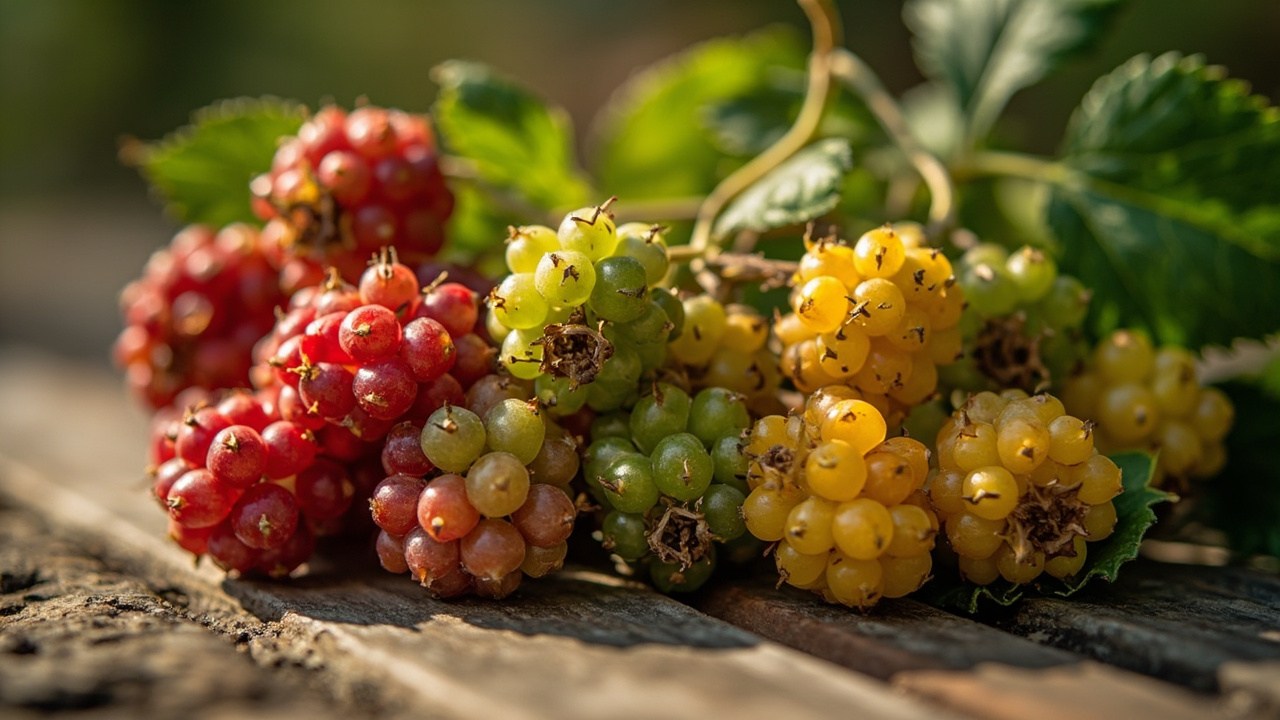
Gooseberries have two distinct harvest windows depending on your intended use. For cooking — tarts, sauces, jams — pick under-ripe fruit in June when berries are firm, green, and sharply tart. For fresh eating, wait until July-August when the fruit softens, deepens in color, and develops the translucent, wine-like sweetness that makes homegrown gooseberries worth the wait.
Test ripeness by gently squeezing a berry between thumb and forefinger. Ripe fruit yields slightly and releases from the stem with a light twist. Under-ripe fruit is hard and resists picking — leave it another week. Over-ripe fruit drops at a touch and attracts wasps.
Pick by holding the cane steady with one hand and twisting the fruit off with the other. The thorns grow right next to the fruit clusters, so work slowly and wear gloves. A mature bush in peak production (years 4-8) yields 3-5kg per season.
Expect 3-5kg per mature bush per season, with peak production running from year 4 through year 8. Well-maintained bushes continue producing for 15-20 years, though yields gradually decline after year 12 without rejuvenation pruning.
Fresh gooseberries keep in the refrigerator for up to 5 days in a ventilated container. For longer storage, spread berries on a tray and freeze individually before transferring to bags — they keep for 6+ months and work directly from frozen into cooking without thawing.
Overwintering and long-term bush care
Autumn cleanup is your most important disease-prevention task. Remove all fallen leaves from around the bush — they harbor mildew spores and sawfly pupae that will reinfect the bush next spring. Refresh the mulch layer to 8-10cm with fresh compost or well-rotted manure.
Dormant pruning happens between December and February. Avoid pruning during hard frost; wait for a mild day above 4°C when the wood is workable. This is when you remove old canes, thin weak growth, and shorten side-shoots to build the goblet structure for the coming season.
No winter wrapping is needed in USDA zones 3-7. In zone 8, mulch heavily and accept that fruiting may be light due to insufficient chill. Container bushes in cold climates should be moved against a sheltered wall or wrapped in bubble wrap to protect roots from freezing.
A well-maintained gooseberry bush produces for 15-20 years. The key practices are annual pruning, autumn leaf cleanup, consistent moisture during fruiting, and rejuvenation pruning every 8-10 years.
Watch for biennial bearing — heavy crops alternating with light ones — and correct it by thinning fruit on heavy years. Follow those habits and the bush will outlast most other fruit in your garden.
For step-by-step planting instructions including bare-root and container methods, see the gooseberry planting guide. For pruning techniques from goblet shaping to rejuvenation, see the gooseberry pruning guide. For diagnosing and treating brown leaves, see the gooseberry leaves turning brown guide.
For exact sun, pH, and drainage specifications by climate zone, see the gooseberry light and soil requirements guide.
Turn any PDF statement into a clean sheet
Skip the typos and the hours of copying. Our converter handles any bank statement format and outputs Excel, CSV, or QBO for QuickBooks. No file retention, free to try.
Convert your statement