ZZ plant propagation is slow — this is the most important thing to know before you start. Unlike Monsteras or Pothos, which root quickly and produce visible new growth within weeks, ZZ plant propagation takes months to show results. A ZZ plant division or cutting may take three to six months to produce new growth. The wait is long but the process is straightforward, and the success rate is high as long as you follow the basic rules about what to propagate and how.
What You Can Propagate
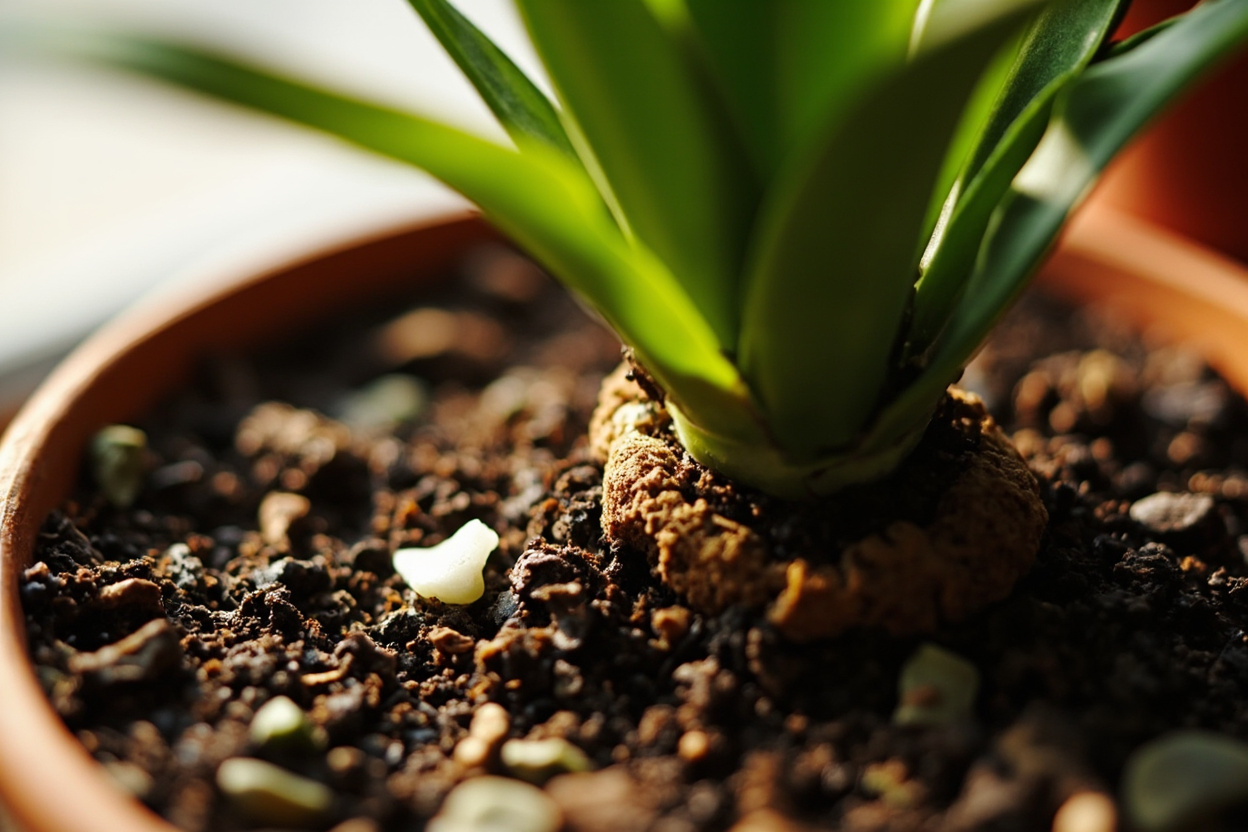
ZZ plants grow from rhizomes — thick, potato-like underground storage structures that store water and nutrients. The most reliable propagation method is dividing the rhizomes when repotting. Leaf cuttings are technically possible but take six to twelve months to produce a result and have a lower success rate.
Division is the practical method: when you repot a ZZ plant and the rhizome cluster is large enough to separate into multiple sections, each with at least two to three stems and a portion of the root system, you have the material for propagation. One large ZZ plant can produce three to five divisions in a single session.
When to Propagate
Spring or early summer is the best time, when the plant is entering its active growth phase and will recover from division quickly. Dividing in autumn or winter is possible but the recovery will be slower. Do not divide a plant that is already stressed — from overwatering, root rot, or pest infestation — until it has recovered.

Division Process
Remove the plant from its pot and shake or rinse away the soil so the rhizomes are visible. The rhizomes are firm, pale yellow to light beige structures — the colour of a raw potato — connected by smaller roots. Identify natural separation points where the rhizome cluster can be divided into distinct sections, each with its own set of stems and roots.
Separate the sections by hand or with a clean, sharp knife if needed. Each division should have at least two to three healthy stems and a portion of the rhizome system. Divisions with very few roots or a single stem will take longer to establish.
Pot each division in a small pot — 4 to 6 inches — with fast-draining potting mix. A pot that is too large holds excess soil that stays wet too long and increases rot risk. The rhizome should sit at roughly the same depth as it was in the original pot — do not bury it deeply.
Aftercare for Divisions
Water lightly after potting and then do not water again until the soil is dry. The division has reduced roots and needs time to grow new ones before it can handle frequent watering. Keeping the soil slightly dry for the first four to six weeks after division encourages root growth and reduces rot risk.
Place in bright, indirect light. New growth appears first as a small pale shoot emerging from the soil — this is the rhizome producing new stems. Once you see new growth, the plant has successfully established. This can take six to twelve weeks after division in good conditions.
Leaf Cuttings
If you want to propagate from a single leaf — for example, a leaf that was accidentally broken from the plant — you can try rooting it in sphagnum moss. Insert the petiole (leaf stem) into damp sphagnum moss, leaving the leaf blade above the moss. Keep in bright, indirect light and maintain consistent moisture. Roots and a new rhizome will develop at the base of the petiole, but the process takes six to twelve months and the success rate is lower than for division.
Do not discard a leaf that has been removed from the plant until you have confirmed whether it has rooted — it may surprise you by producing roots and eventually a new plant, even if it takes many months.
The ZZ Plant Patience Rule
Nothing about ZZ plant propagation is fast. Even under ideal conditions, expect months before you see new growth. Do not dig up a division six weeks after potting to check whether it is growing — this interrupts the establishment process. Leave it, maintain it in bright indirect light, water when the soil is dry, and watch for new shoots emerging from the soil. The shoot appearing above the surface is the confirmation that the rhizome has rooted and is producing new growth.
Turn PDF Bank Statements Into Workable Spreadsheets
Your bank statement is a mess of numbers, but your books shouldn't be. Use our converter to get Excel, CSV, or QBO files — ready for QuickBooks.
Try It Free Now