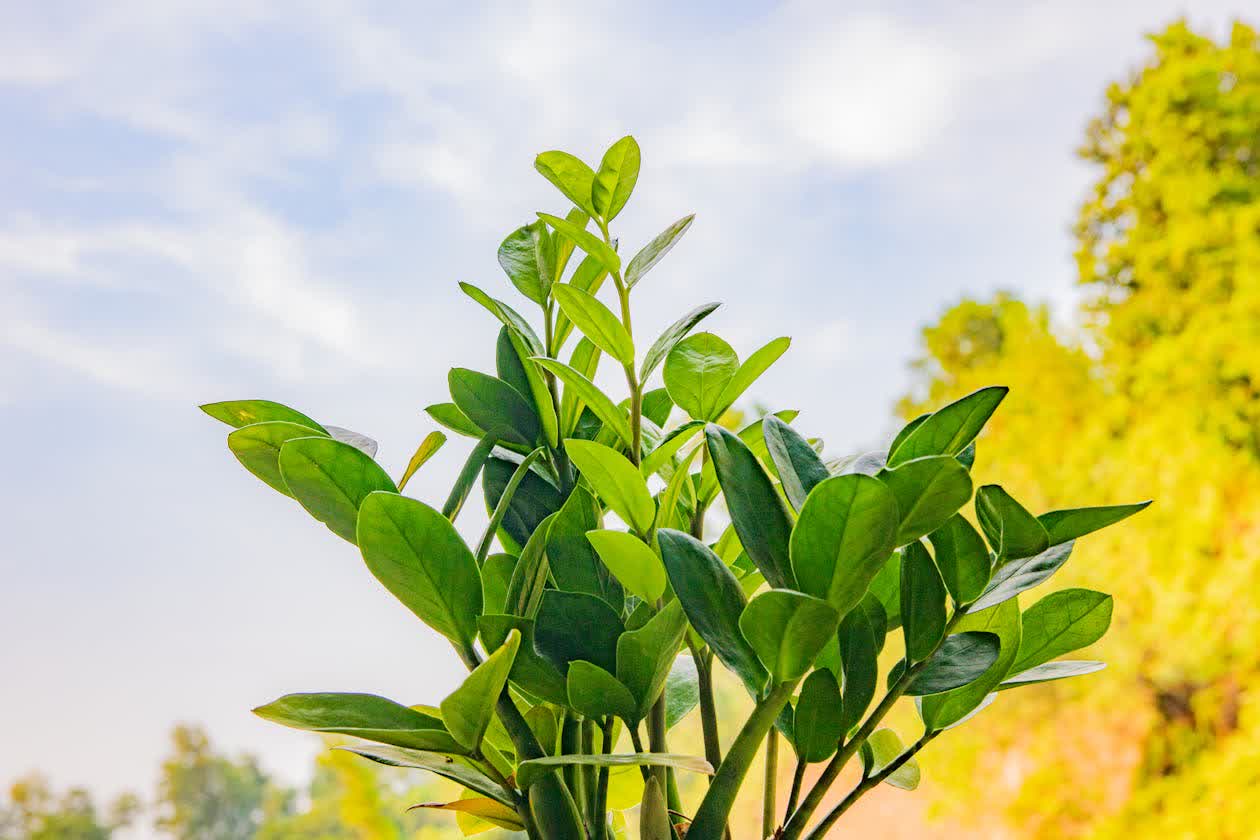
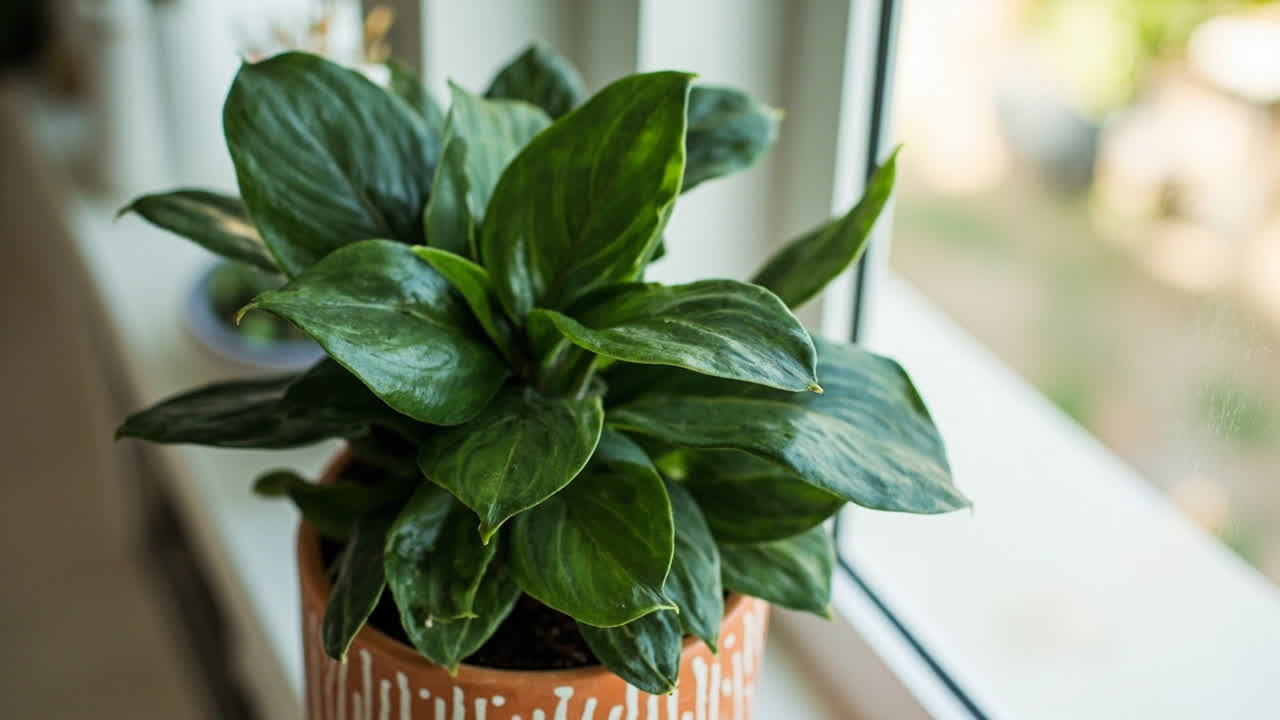
The ZZ plant (Zamioculcas zamiifolia) is one of the most resilient houseplants you can grow. It tolerates low light, drought, and neglect so well that it has become a staple of offices, dark corners, and spaces where most plants would quickly fail. Its glossy, dark green leaves grow in elegant, architectural rosettes that look good year-round with minimal intervention. If you have killed every houseplant you have ever owned, the ZZ plant was designed for you.
That resilience also means the ZZ plant is forgiving of less-than-ideal care — but giving it the right conditions makes a visible difference. Under good conditions, it grows faster, produces more stems, and maintains its deep colour more consistently. This guide covers everything from basic care to troubleshooting, so you can decide whether a ZZ plant is right for your space and how to keep it thriving.
Light Requirements
The ZZ plant is famous for tolerating low light — it genuinely does. It will survive in dark corners, north-facing rooms, and offices with no natural light. But survival is not the same as thriving. In low light, the ZZ plant grows very slowly and may produce smaller, more widely-spaced leaves with less of the deep colour that makes it attractive. The stems may also become elongated as the plant reaches toward whatever light is available.
The ideal conditions are bright, indirect light. An east- or north-facing window is perfectly suited to a ZZ plant. It will grow actively in these positions and produce the large, tightly-clustered stems with rich green leaves that make it so appealing. It tolerates direct morning sun but should be protected from harsh afternoon sun, which can scorch the leaves and bleach their colour.
The practical takeaway: a ZZ plant in good light looks dramatically better than one in low light. If you have the space, give it the best light you can spare. It will reward you with steady growth rather than a plant that just persists.
Watering: The Most Important Care Rule
The ZZ plant is a drought-adapted plant. It stores water in its thick rhizomes — the potato-like underground structures that make up its root system — and can survive months without water. The most common way to kill a ZZ plant is overwatering. The rhizomes rot in consistently wet soil, and by the time you see the plant declining, the root damage is often irreversible.
Let the soil dry out completely between waterings. This is not a rough guideline — it is the key to keeping a ZZ plant alive long-term. In summer, this might mean watering every two to three weeks. In winter, watering once a month or less is often sufficient. The plant will communicate its needs clearly: if the stems look slightly wilted or the leaves are curling slightly inward, it needs water. If the soil is still damp, wait.
When you water, water thoroughly. Add water until it flows from the drainage hole, then let it drain completely. Do not leave the plant sitting in a saucer of water. ZZ plants in terracotta pots dry out faster than those in plastic pots, which is generally better — a slightly faster dry cycle reduces the already low risk of overwatering.
Soil and Drainage
ZZ plants need fast-draining soil. A cactus and succulent mix is ideal — it drains quickly and does not retain excess moisture. A standard potting mix with perlite added also works well; use roughly two parts potting mix to one part perlite. The critical requirement is that the soil drains fast and does not stay wet for more than a few days after watering.
Never plant a ZZ plant in a pot without drainage holes. Even with fast-draining soil, a pot without holes will eventually accumulate moisture at the bottom, leading to rhizome rot.
Temperature and Humidity
ZZ plants grow best in temperatures between 65°F and 85°F (18°C–29°C). They are tropical plants and do not tolerate frost or prolonged cold — temperatures below 50°F (10°C) cause damage and can kill the plant. In most homes, this is not a concern unless the plant is placed near a cold draft in winter.
Average household humidity is perfectly adequate. ZZ plants are not humidity-sensitive and do not require misting, pebble trays, or any special humidity provisions. They are native to dry African grasslands and are evolutionarily adapted to low-humidity conditions.
Fertilizing
ZZ plants are not heavy feeders and will do well with minimal fertilizing. During the growing season (spring and summer), a balanced liquid houseplant fertilizer diluted to half strength applied once a month is more than adequate. In fall and winter, stop fertilizing — the plant’s growth slows significantly and excess nutrients build up as salt in the soil.
Over-fertilizing is more harmful than under-fertilizing for ZZ plants. If you have been fertilizing monthly at full strength, switch to half strength and see if the plant responds with healthier growth. Signs of over-fertilizing include brown leaf tips, a white crust on the soil surface (salt buildup), and leaf yellowing.
Repotting
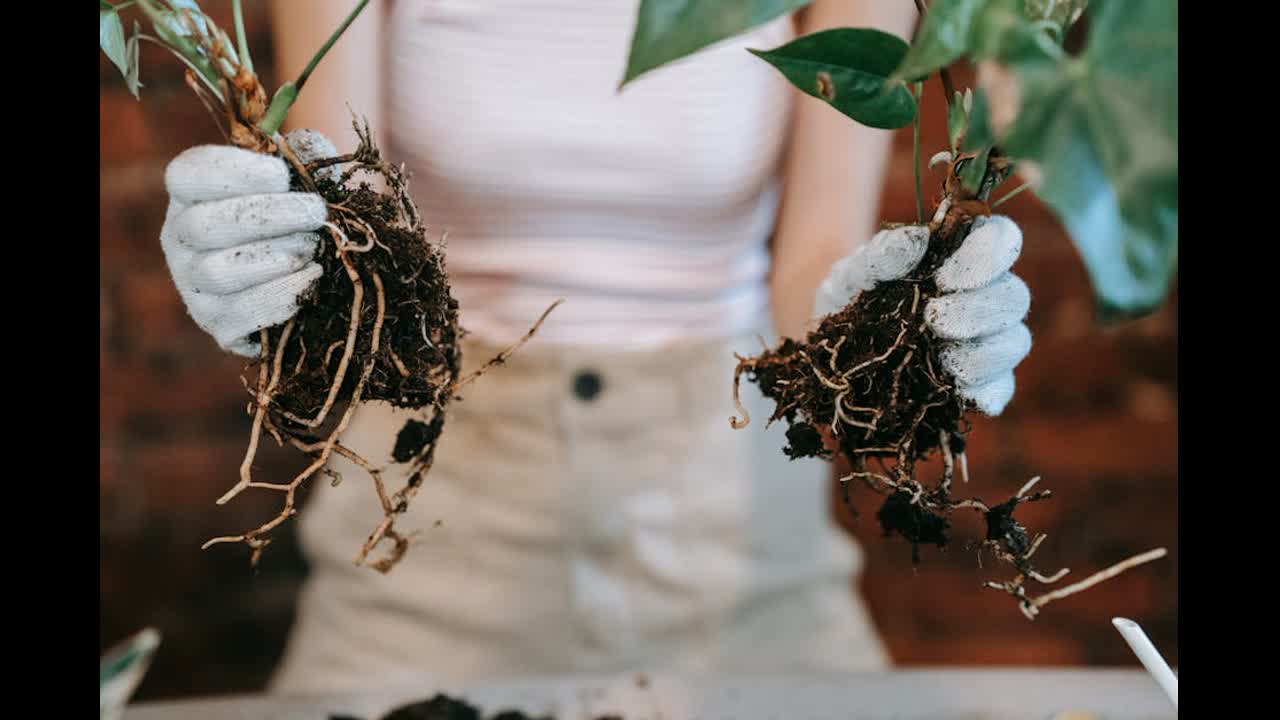
ZZ plants grow from rhizomes that spread horizontally and can eventually crack or deform their containers. When you see the pot starting to bulge or crack, or when new growth is noticeably smaller than existing stems, it is time to repot. Spring or early summer is the best time.
Go up one pot size — roughly 2 inches larger in diameter. Use fresh, fast-draining soil. Be careful not to damage the rhizomes when transferring — they are brittle and can break if handled roughly. The rhizomes should sit at roughly the same depth as they were in the old pot.
ZZ plants tolerate being slightly root-bound well, so do not feel you need to repot frequently. Even very large specimens may only need repotting every three to four years.
Common Problems
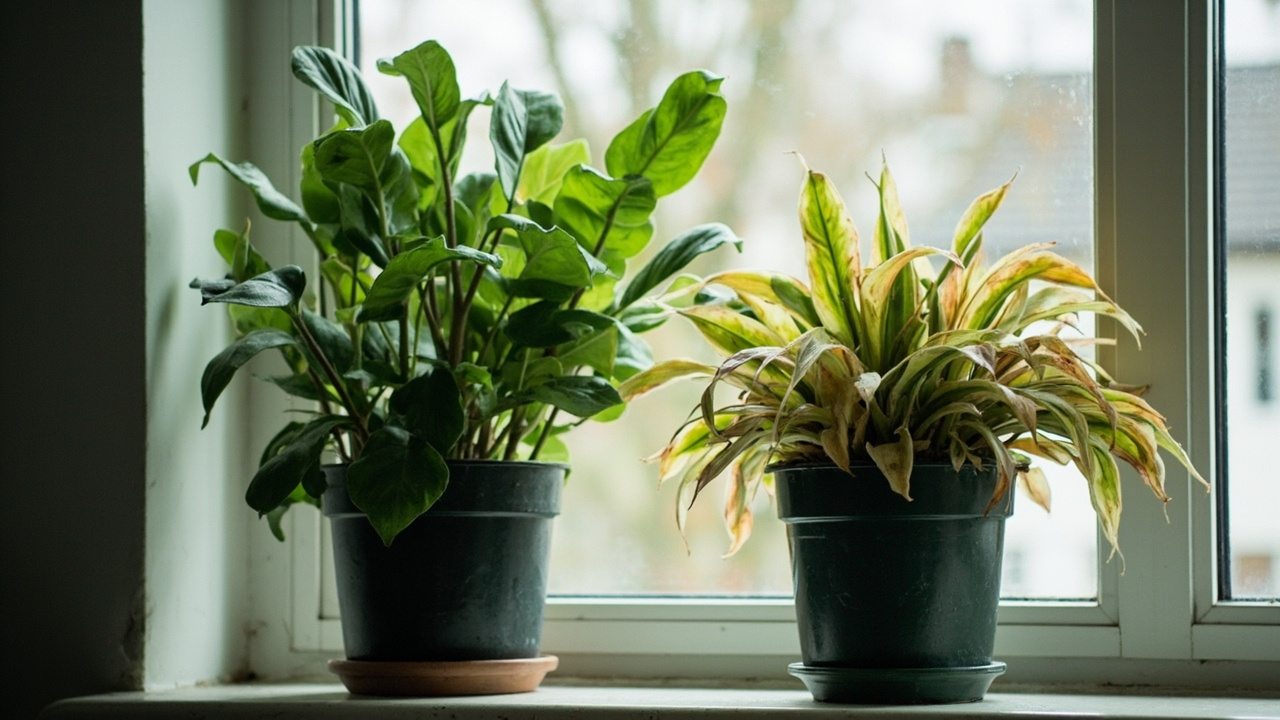
Overwatering is the primary cause of ZZ plant problems. Yellowing leaves — particularly multiple leaves yellowing simultaneously — usually indicate the rhizomes are rotting from too much water. If caught early, stop watering immediately, let the soil dry out completely, and check the rhizomes. Healthy rhizomes are firm and pale yellow to light beige. Dark, mushy, or smelly rhizomes indicate rot. Remove the affected rhizomes with clean tools, repot in fresh dry soil, and water very sparingly for several weeks.
Stalks falling over is usually caused by root rot at the base — the stalk loses its support and cannot hold itself upright. It can also happen if the plant has been severely underwatered for a long period, causing the rhizomes to shrink and lose their water reserves. Assess the soil moisture to distinguish between the two causes.
Slow growth is normal for ZZ plants in low light or winter. These plants are not fast growers — even in ideal conditions, you will see only a few new stems per year. If a previously active ZZ plant stops producing new growth suddenly, check the light level and make sure you are not overwatering.
Shrivelling stalks indicate the plant has been severely underwatered for an extended period or that the rhizomes have rotted. If the soil is dry and the rhizomes feel firm when you inspect them, the plant will recover with thorough watering. If the rhizomes are soft and dark, the plant may not recover.
Toxicity
All parts of the ZZ plant are toxic if ingested — the rhizomes contain calcium oxalate crystals that cause irritation to the mouth and digestive tract. Keep the plant out of reach of children and pets. Wash your hands after handling the plant, particularly if you have cut or damaged any part of it.
Why the ZZ Plant Is Worth Having
The ZZ plant earns its reputation as one of the most durable houseplants available. It thrives on neglect in a way that most plants cannot match, making it suitable for offices, bedrooms, and low-light spaces where other plants fail. Given better conditions — bright indirect light, proper watering that lets the soil dry out — it grows steadily and maintains its handsome appearance with almost no intervention. For anyone who has struggled with houseplants in the past, the ZZ plant is one of the most reliable choices available.
Turn any PDF statement into a clean sheet
Skip the typos and the hours of copying. Our converter handles any bank statement format and outputs Excel, CSV, or QBO for QuickBooks. No file retention, free to try.
Convert your statement