
Indoor Monsteras attract a small, predictable group of pests: spider mites, thrips, mealybugs, scale, and fungus gnats. This page is a fast-reference overview of all five; for the full ID-first, treatment-specific guide, see our complete Monstera pest guide.
Spider Mites
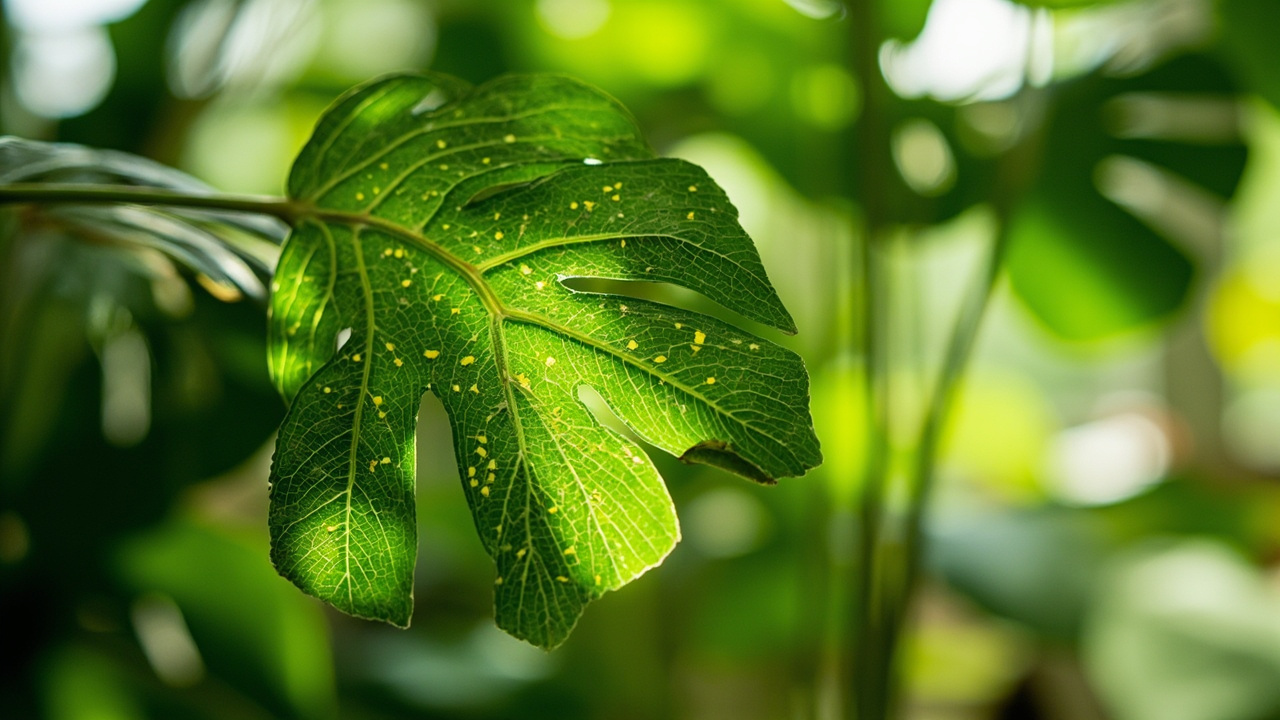
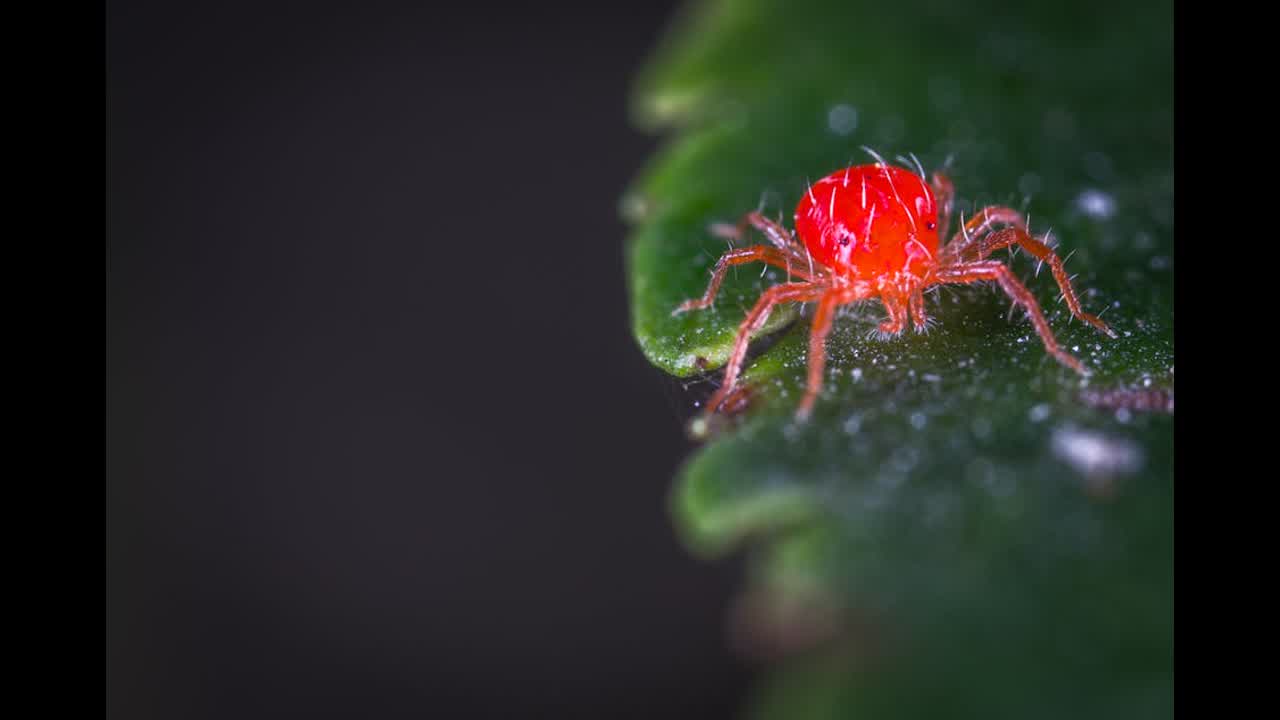
The most common Monstera pest in dry indoor air. Look for fine webbing at the petiole fork and yellow stippling on the upper leaf. Rinse the leaves in the shower, then spray with insecticidal soap every 5 days for 3 rounds. If light or humidity is the underlying cause, fix that too — see the light requirements page.
Thrips
Slender, dark, 1–2 mm insects that jump when disturbed. Damage shows up as silvery streaks and black frass specks on the leaf. Thrips are hard to clear with one spray because eggs hatch from inside plant tissue — you need a 3-spray rotation spaced 5–7 days apart with neem oil or insecticidal soap.
Mealybugs
Small, soft, oval insects covered in white, waxy “cotton.” They hide in node joints and along aerial roots. Dab visible adults with a cotton swab dipped in 70% isopropyl alcohol, then spray the whole plant with insecticidal soap. Check the aerial roots — that’s the spot most growers miss.
Scale
Hard, dome-shaped bumps stuck to the stem or central leaf vein. Scale is the pest most often mistaken for part of the plant. Insecticidal soap beads off the armored shell — you’ll need to remove them physically with a soft toothbrush dipped in 70% alcohol, or use a systemic product containing imidacloprid.
Fungus Gnats
Small dark flies hovering over the soil. The adults are harmless; the larvae live in the top inch of soil and feed on fine root hairs. Overwatering is the cause — let the top inch of soil dry between waterings, top-dress with sand or horticultural charcoal, and drench with a BTI product to kill the larvae. If your Monstera also shows yellowing lower leaves, compare it against the root rot signs — the two overlap.
Fast First-Response
When you don’t know which pest you’re dealing with: rinse the whole plant in the shower, wipe stems and node joints with a cloth dipped in 70% isopropyl alcohol, quarantine the plant 2 m (6 ft) from other aroids, and inspect again in 24 hours. That buys you time to identify the pest and pick a targeted treatment.
Why the Same Five Pests Keep Showing Up
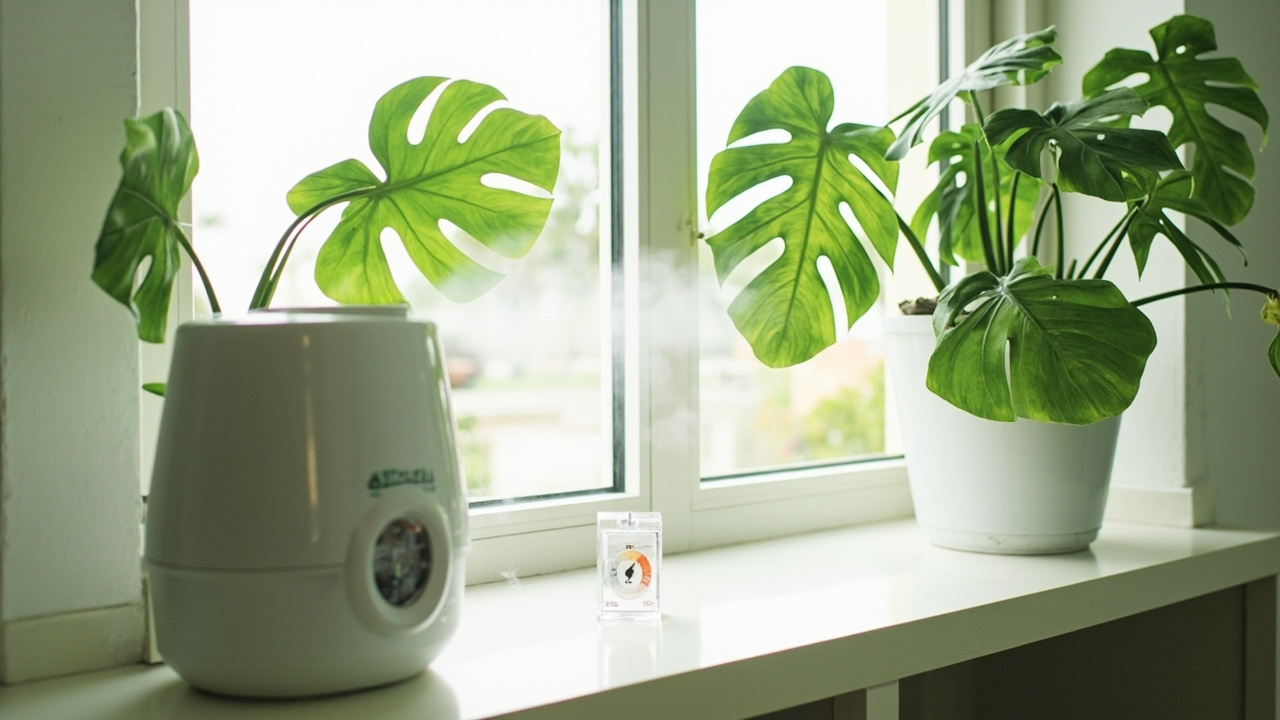
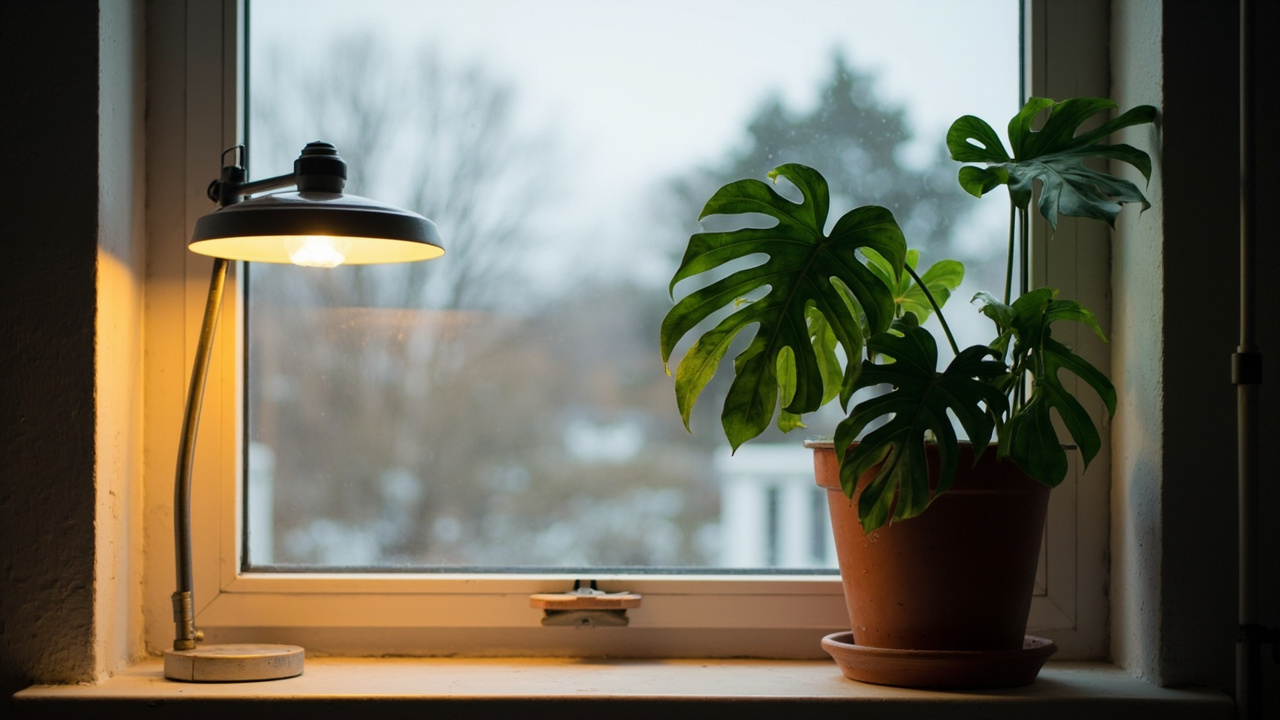
Most indoor Monstera pest cycles share an upstream cause: one of three stressors stacks up — light drops below the working range, humidity falls under 40%, or the top inch of soil stays wet for days. Each weakens the leaf cuticle and the sap pressure, and sap-sucking insects can smell the difference. The pest is a symptom; the stress is the cause. Treat both in the same week or the cycle restarts.
Prevention Beats Treatment
Four habits prevent most reinfestations: quarantine new plants for 14 days, wipe leaves monthly with a damp microfiber cloth, match watering frequency to light level (not the calendar), and hold humidity in the 50–60% range. A simple USD 10 hygrometer takes the guesswork out of the humidity piece. For cultural context on why your Monstera was vulnerable in the first place, the complete care guide and the common problems page cover the underlying conditions. The complete pest guide covers each of these five pests in full treatment depth.
From Bank Statement to QuickBooks-Ready File
That manual cleanup you just read about? This tool skips it. Turn your PDF into QBO for QuickBooks without storing your data anywhere.
Start Converting