ZZ plants are famous for tolerating low light, but like all plants, they grow best with the right light conditions. Understanding what ZZ plants actually need — and how to recognize when they are getting too much or too little — helps you position them correctly and get the best growth out of one of the most forgiving houseplants available.
The Tolerance Myth
The reputation for thriving in darkness is partly true and partly misleading. A ZZ plant will survive in a dark corner, a north-facing room, or an office with no natural light. It will not die immediately. But it will not grow actively either. The leaves will be smaller, more widely spaced on the stems, and a duller green than those of a plant in good light. The stems will be more slender and may lean toward whatever light source is available.
The practical difference between a ZZ plant in low light and one in bright indirect light is the difference between a plant that persists and a plant that thrives. If you want the glossy, architectural, densely-leaved specimen that makes ZZ plants so appealing, give them the best light you can.
Ideal Light Conditions
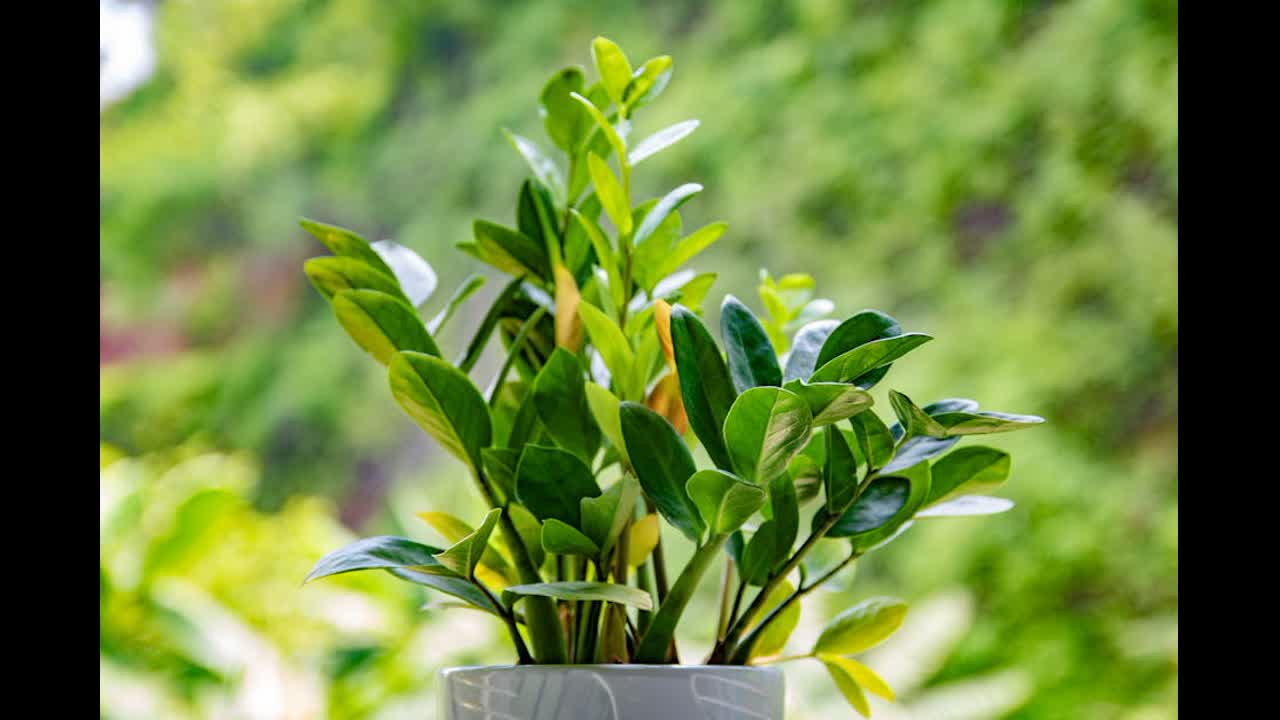
Bright, indirect light is ideal for ZZ plants. An east- or north-facing window is perfectly suited. The plant will grow actively in these positions and produce the large, tightly-clustered stems with rich dark green leaves that make ZZ plants so attractive. A few hours of gentle morning sun is fine. Direct afternoon sun should be avoided — the leaves can scorch and bleach in strong direct light.
A ZZ plant in bright indirect light grows noticeably faster than one in low light and produces more new stems per year. The difference is visible within a few months: brighter plants look fuller, more vigorous, and more architecturally impressive.
Signs of Insufficient Light
In low light, ZZ plants grow slowly and the stems become elongated — reaching toward whatever light is available — with widely spaced, smaller leaves. The rich dark green colour fades to a more uniform, duller green. The plant is not dying, but it is not thriving either. If you have had a ZZ plant in a dark position for years and it has produced few or no new stems, the light is the limiting factor.
The fix is simple: move the plant to a brighter position. Even a dramatic improvement in light — from a dark corner to a position near a north-facing window — will stimulate new growth within weeks. The existing growth will not change, but the new stems and leaves will emerge with better colour and a more compact growth habit.
Signs of Too Much Light
Direct sunlight — particularly afternoon sun through a south- or west-facing window — burns ZZ plant leaves. The damage appears as pale, bleached patches on the leaves that then turn brown and crispy. The affected leaves are usually those on the side of the plant facing the window.
If your ZZ plant is near a south- or west-facing window with direct afternoon sun, move it back from the window or to a position where the light is filtered by a curtain or another plant. The existing damage will not heal, but new growth will be clean once the plant is in a better position.
ZZ Plants in Windowless Spaces
A ZZ plant in a genuinely dark room — no windows, only artificial light — will survive but not grow. If you want a ZZ plant in a windowless office or interior room, supplement with LED grow lights. Position the lights 12–18 inches above the plant and run them for 10–12 hours per day. This can sustain active growth indefinitely and the plant will look as healthy as one in a naturally lit room.
The Practical Takeaway
ZZ plants tolerate low light better than most houseplants. But tolerating low light is not the same as preferring it. The best ZZ plant displays — the ones with multiple arching stems, glossy leaves, and active growth — are in bright, indirect light. If you can give your ZZ plant better light, do. It will reward you with growth that is genuinely impressive rather than merely survival-level.
Turn any PDF statement into a clean sheet
Skip the typos and the hours of copying. Our converter handles any bank statement format and outputs Excel, CSV, or QBO for QuickBooks. No file retention, free to try.
Convert your statement