You have spent months tending your blueberry bushes — watering, pruning, watching the blossoms fall and small green fruits form. Now comes the moment that determines whether all that care pays off: when do you actually pick them?
Most home gardeners look at the color and assume blue means ready. It does not. The color most seed catalogues use to sell you the plant is the first lie you will encounter in blueberry season. A fully blue berry can still be mealy, sour, and hollow-fleshed if you pulled it too soon. The difference between a blueberry worth eating and one you regret rinsing comes down to two signals most guides never mention: how easily it leaves the stem, and how it tastes on the plant.
Once severed from the bush, a blueberry stops accumulating sugars. There is no counter-myth here: a berry that tastes flat and papery at picking will never improve in your colander, on your counter, or in your refrigerator. The plant is the only place where ripening finishes. This guide covers the real ripeness cues, variety-specific timing, proper picking technique, and what to do in the first hour after harvest to preserve what you earned.
Why Color Is the Wrong Signal
Blueberries turn blue before they turn ripe. The color change is a hormonal response to seed maturity — specifically, the accumulation of anthocyanin pigments in the skin as the seeds reach full size. This is not a cue that the fruit is ready to eat. If you pick a berry the moment it turns blue, you are picking something that still needs 3-7 days on the plant to develop flavor and texture. During those days, the berry is converting stored acids into sugars and softening its cell walls from firm to juicy.
This trips up even people who have grown blueberries for years. The bush looks laden. The berries are deep blue. The catalogue said they would be ready in July, and it is July. The problem is that the catalogue is giving you a window, not a trigger. Your bush is telling you something more precise — if you know how to listen. Cornell Cooperative Extension research on post-harvest sugar content shows that blueberries picked at the blue-but-firm stage contain 30-40% less sugar than those left on the bush for an additional five days after full color.
The physiology is straightforward: the berry’s connection to the plant’s vascular system is what drives final ripening. As long as the stem is attached, the plant continues sending water, micronutrients, and the hormonal signals that trigger sugar production in the fruit. Sever that connection and the berry enters a slow decline — respiration continues, moisture loss accelerates, but sugar accumulation stops permanently. This is why farmers’ market blueberries often taste better than supermarket ones: they were picked riper, not earlier and shipped harder.
The Two Signs That Actually Matter
Experienced growers rely on two cues that never fail once you know to look for them.
1. Ease of Release
A ripe blueberry detaches from its stem with virtually no resistance. Give the berry a gentle twist-and-lift between your thumb and forefinger. If it comes away cleanly, leaving a small circular scar where it attached, it was ready. If it hangs on, protests, or tears the stem, it was not. This is the single most reliable test in the field. Do this on several berries from different parts of the bush — blueberries on the same plant do not all ripen at once. The outer, sun-exposed clusters ripen 3-5 days before the inner, shaded ones.
2. Flavor on the Plant
Taste is your best laboratory. A ripe blueberry has a distinct sweetness with the characteristic blueberry flavor fully developed — a clean, slightly floral sweetness that announces itself immediately. An underripe one tastes flat, noticeably acidic, and underwhelming. There is no ambiguity once you have a ripe one to compare against. Eat one or two berries from a few different clusters before you begin a full harvest. If the flavor is there, you are cleared to pick.
Combine both signals. A berry that releases easily and tastes fully flavored is ready. One without the other warrants another day or two of waiting. If you are unsure, use the 3-day rule: wait three days and retest. Blueberries hold at peak ripeness on the plant for 3-5 days in warm weather, so a short wait rarely costs you the fruit — but picking too early costs you the flavor permanently.
From Bank Statement to QuickBooks-Ready File
That manual cleanup you just read about? This tool skips it. Turn your PDF into QBO for QuickBooks without storing your data anywhere.
Start ConvertingHarvest Timing by Variety Group
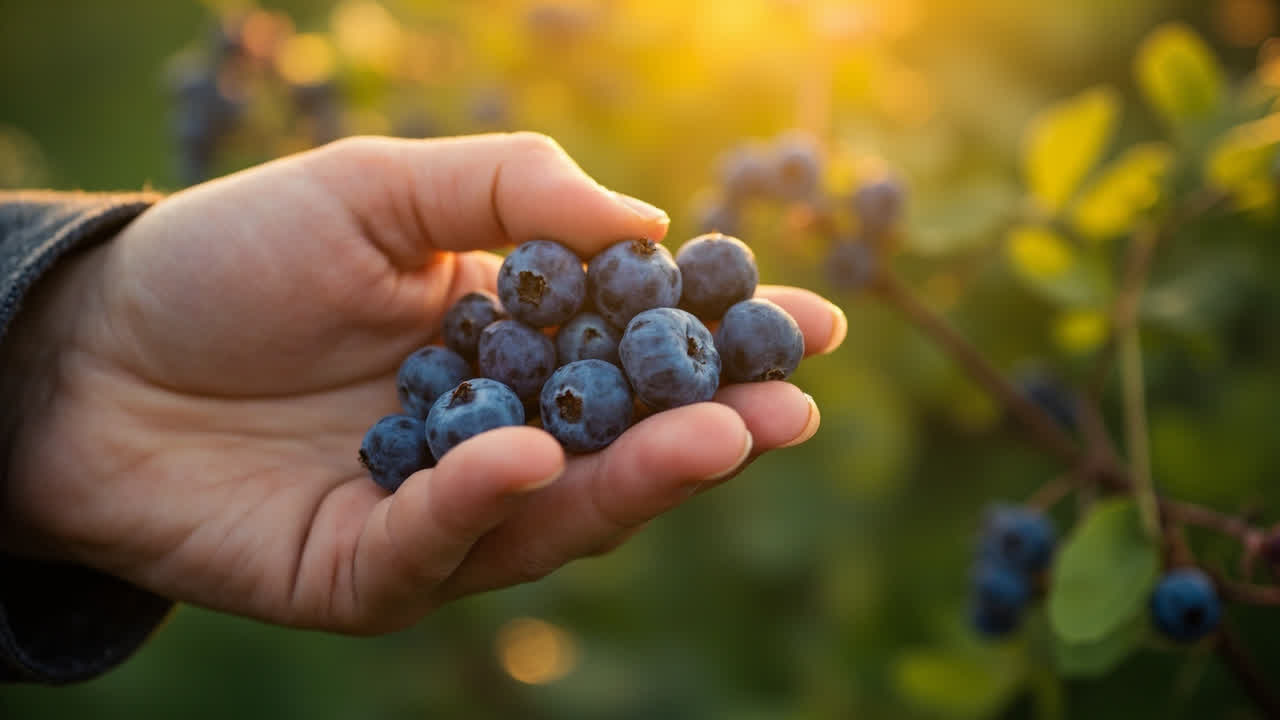
Blueberry varieties are grouped by the season they typically begin to ripen. Knowing which group you are growing tells you roughly where you are in the window — and how long you have to work before the season closes.
Early-Season Varieties
Varieties such as Duke, Polaris, and Earliblue start the harvest in mid to late June in most temperate climates (USDA zones 5-7), typically around 60 to 70 days after bloom. Bloom itself is triggered by warmth, so the exact date varies by spring — a warm March pushes bloom two weeks early, a cold April delays it. Early-season varieties produce fruit over roughly 2 to 3 weeks. Their window is short. Check the bushes daily once color begins to deepen — the difference between ideal and overripe can be a matter of days in hot weather above 85°F.
Mid-Season Varieties
Bluecrop, Blueray, and Nelson fall here, with harvest beginning around early to mid July — approximately 70 to 85 days after bloom. These are the backbone varieties for most home growers, producing heavier crops with a broader harvest window of 3 to 5 weeks. The longer window gives you some breathing room, but do not let that make you complacent. Berries left past their peak on the plant lose firmness and can split or attract spotted wing drosophila within 24 hours of softening.
Late-Season Varieties
Varieties like Elliott, Darrow, and Aurora push harvest into August and September, sometimes extending 4 to 6 weeks from first ripe berry. Late-season bushes can carry fruit well into cool autumn weather, which actually helps maintain firmness and extends the harvest window. If you are growing a mix of early and late varieties, you can stretch your fresh blueberry season to nearly three months — but you still need to pick each berry at the right moment, not just when the calendar says you should.
How to Pick Without Damaging the Plant
The act of picking is straightforward but the plant pays a price if you are careless. A torn stem or crushed bud is a wound that invites disease and reduces next season’s yield. Here is how to do it properly.
- Use your fingers, not your nails. Pinch the berry between thumb and forefinger just above the calyx (the small crown where the sepals meet). Twist upward with a light rotating motion. The berry should release immediately.
- Never pull straight down. Pulling stresses the cambium layer of the stem and can strip bark, creating an entry point for botrytis and canker diseases that reduce next season’s fruit wood.
- Work in clusters. Go through the entire bush systematically — top to bottom, inside to outside. One pass per bush per harvest session is ideal during peak season. Most bushes need picking every 3-5 days.
- Remove damaged fruit on the first pass. If you find mummified, split, or pest-damaged berries during harvest, remove them and discard them away from the bush — not in the compost pile if it will be spread near the plants. Mummy berry spores from infected fruit can reinfect the same bush the following spring.
If you are growing blueberries in containers, the same rules apply but the harvest window tends to be slightly compressed due to faster root-zone warming. Watch your potted bushes with extra attention to moisture levels — stressed container plants rush through their harvest window faster than ground-planted equivalents, and the berries may ripen unevenly across the same cluster.
Signs You Have Waited Too Long
Overripe blueberries are not just a texture problem. They are a pest and disease problem that can cascade through the rest of your harvest.
- Berries are soft, wrinkled, or leaking. Pick these immediately and discard them away from the bush. Overripe fruit attracts spotted wing drosophila (SWD), a vinegar fly that burrows into softening fruit and ruins entire clusters within days. SWD females lay eggs under the skin of ripe-to-overripe berries, and the larvae hatch within 24 hours. A single overlooked overripe berry can seed an infestation that spreads to the rest of the harvest.
- The calyx has dried and receded. A ripe blueberry has a moist, supple crown. A dry, shrunken crown indicates the berry has been on the plant well past its peak and has begun dehydrating.
- Bird damage at the top of the bush. Birds hit the highest, most sun-exposed fruit first. If you are seeing pecked or drilled holes near the top, the rest of the plant is probably ready or overdue. Penn State Extension recommends bird netting if you are losing more than 10% of the crop — install it when the first berries begin to color, not after the damage starts.
- Fruits are splitting. This happens after heavy rain following a dry spell, especially in thin-skinned varieties like Earliblue. Splitting is not a ripeness signal — it is a hydration signal — but split berries rot quickly and harbor fungal spores that spread to adjacent clusters. Pick split berries immediately and discard them.
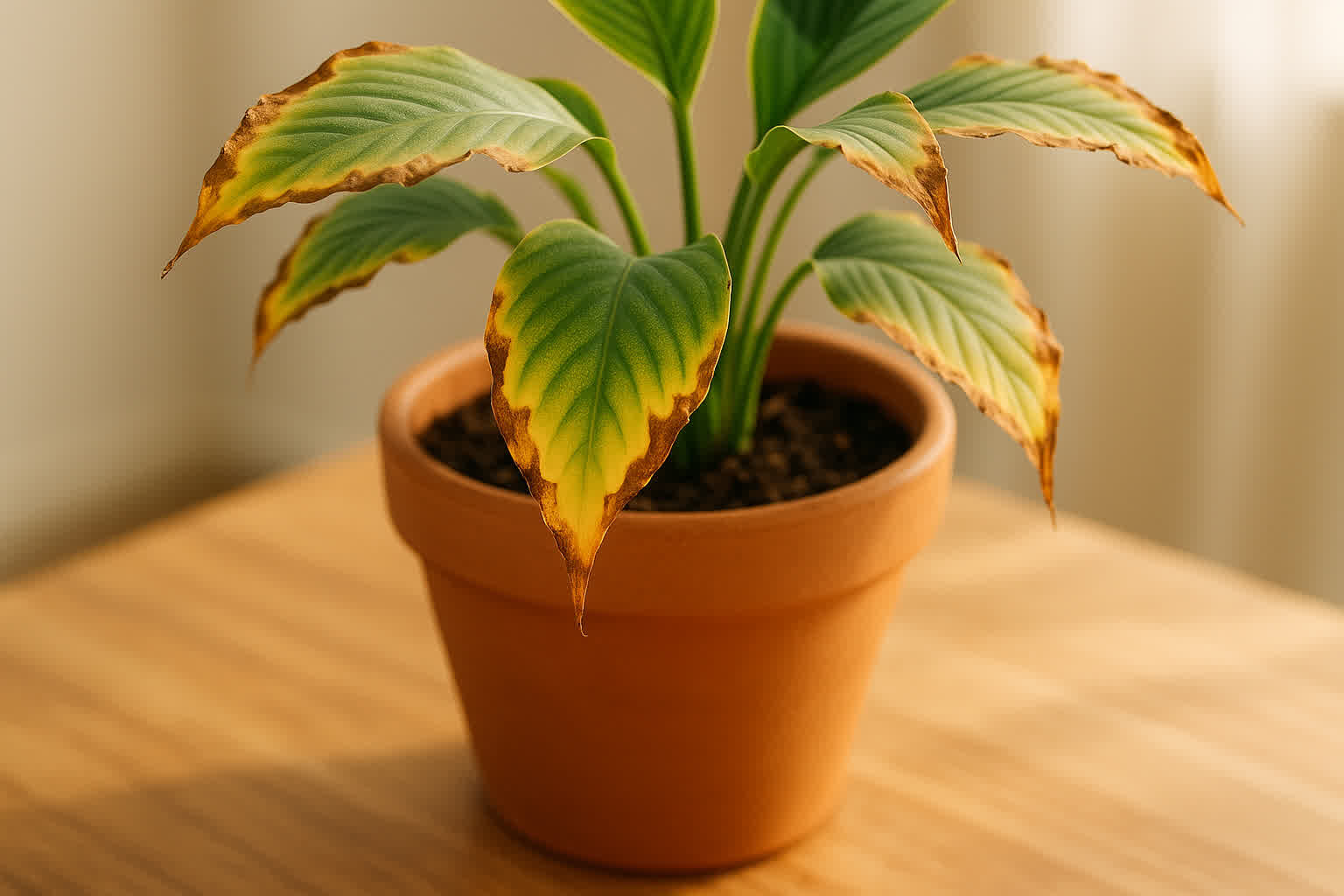
If your bush is showing multiple signs of stress at harvest — unusual leaf discoloration, fruit that will not release cleanly, or obvious pest activity — see our guide to saving a struggling blueberry plant. Harvest stress and plant decline often show up together, and catching it early matters.
Post-Harvest Handling in the First Hour
Harvesting is only half the process. Blueberries are one of the most perishable soft fruits you can grow. Once off the plant, the clock accelerates — warm blueberries lose firmness within hours and develop mould within days if handled poorly.
- Cool them fast. Get berries out of sun immediately. A pre-chilled bowl in a cool room works; a refrigerator at 34-38°F is better. The goal is to drop the fruit temperature below 40°F within 1-2 hours of picking. Berries cooled this quickly retain firmness for 7-10 days; berries left at room temperature for 4 hours before refrigerating lose 30% of their shelf life.
- Do not wash them yet. Moisture on the skin accelerates mould. Store berries dry and wash just before you eat or process them. If you must rinse before storing, spread them on a paper towel in a single layer and refrigerate with the container lid slightly open to allow moisture to escape.
- Sort as you go. Remove any remaining stems, leaves, underripe greenish berries, and anything with visible damage before storing. One overripe berry in a pint container can mould the entire batch within 48 hours in warm conditions.
For detailed storage timelines, freezing methods, and what to do if you have more than you can eat fresh, see our full guide to storing blueberries after harvest. And for the full picture of raising blueberries from scratch — variety selection, soil prep, and establishment care — start with our growing blueberries at home overview.
The Bottom Line
Color is where most guides start. It is where you should finish. By the time your blueberries are blue, you should already be watching the ease-of-release test and tasting a berry or two from every part of the bush. That combination — clean release plus full flavor — is the signal that never misleads, regardless of what the seed catalogue suggests.
Pick often during peak season, handle gently, and cool immediately. Do those three things and every berry you bring in will be worth the months you spent growing it. A well-managed bush with proper variety mix will give you fresh blueberries from mid-June through early September — but only if you pick each cluster at the right moment, not just when the calendar says to.