—
title: Blueberry Root Rot: Causes, Symptoms, and How to Save Your Plant
target: blueberry root rot
slug: blueberry-root-rot
cluster: blueberries
type: SEO Backbone
—
Your blueberry bush looked fine three weeks ago. Now the leaves are turning reddish, the new growth has stalled, and you’re wondering if you should water more or less. Before you reach for the watering can, you need to know what you’re actually dealing with — because if it’s blueberry root rot, the wrong move will accelerate the problem, not fix it.
Root rot is one of the most destructive and frequently misdiagnosed problems in blueberry cultivation. It is also one of the most treatable — but only if you catch it correctly. This article walks you through exactly what it is, why it happens in blueberry-specific conditions, how to spot the symptoms at every stage, and how to confirm it before you do anything else.
What Is Blueberry Root Rot?
Blueberry root rot is a disease caused primarily by Phytophthora species — water mold organisms that thrive in saturated, poorly drained soil. The real problem starts beneath the surface: the pathogen invades the root system, destroying the plant’s ability to absorb water and nutrients. What you see above ground — wilted leaves, stunted growth, discoloration — is the consequence of roots that have already been compromised.
Unlike a fungal infection you can spray on leaves, root rot lives in the soil and attacks from below. This is why the visible symptoms appear gradually, and why the problem is so often mistaken for something else entirely.
What to expect: Once Phytophthora establishes itself in your soil or container mix, it does not go away on its own. Every additional watering cycle that leaves soil saturated gives the pathogen more opportunity to colonise more of the root system.
Why Blueberries Are Particularly Vulnerable
Blueberries occupy a specific biological niche that makes them especially susceptible to root rot under the wrong conditions. Understanding why requires looking at two things simultaneously: the plant’s root structure and its soil requirements.
Shallow, Fibrous Roots
Blueberry plants have a dense, shallow root system — most of the active root mass lives in the top 30 cm (12 inches) of soil. This root architecture is efficient for absorbing nutrients in well-drained, acidic conditions, but it becomes a liability in compacted or waterlogged soil. When the top layer of soil stays saturated, those shallow roots are the first to be submerged — and the first to be infected.
The Acidic Soil Requirement
Blueberries need a soil pH between 4.5 and 5.5 to access iron and other micronutrients efficiently. When soil pH drifts upward, blueberries struggle to absorb iron even if it is present in the soil — leading to yellowing leaves and stunted growth that looks like a nutrient deficiency. This is where misdiagnosis happens most often.
If you see leaf yellowing and assume your plant needs more fertiliser, you risk adding more nitrogen to soil that may already be too wet. Excess nitrogen in waterlogged conditions feeds the Phytophthora pathogen and accelerates its spread. The interaction between pH imbalance and root rot is one of the reasons this disease is so frequently misidentified.
What to expect: Correcting soil pH alone will not stop an active root rot infection, but maintaining the correct pH (4.5–5.5) creates conditions less favourable to Phytophthora. For a full guide to getting your soil chemistry right, see blueberry soil pH and fertilisation.
From PDF to Excel in one click
Forget retyping line by line. Upload any bank statement, get a spreadsheet you can actually use. Your files are never stored, and you can test the converter with 3 free conversions.
Try it freePrimary Causes of Blueberry Root Rot
Overwatering
The single most common trigger for blueberry root rot is water management. Phytophthora needs standing water to sporulate and spread. A watering schedule that keeps the root zone constantly wet — whether in-ground or in a container — creates the exact environment the pathogen requires.
Many gardeners overwater during hot weather because wilting leaves look like drought stress. But in blueberries, wilting can be a symptom of root damage preventing water uptake, not a sign that the plant needs more water. Adding more water at this point compounds the problem dramatically.
What to expect: After adjusting your watering to allow the top 5 cm (2 inches) of soil to dry between waterings, you should see soil moisture stabilise within a few days. Visible improvement in above-ground symptoms, if the roots are still partially functional, typically takes 10–14 days.
Poor Drainage
Even with careful watering, soil that does not drain freely will stay saturated long enough to support root rot. Clay-heavy soils, low-lying garden beds, and areas where water collects after rain are all common sites for Phytophthora outbreaks. The pathogen can persist in soil for years, which means if you have had root rot issues in a particular bed before, replanting blueberries there without improving drainage is high-risk.
What to expect: Improving drainage by amending with organic matter or building raised beds reduces future risk significantly. If you are growing blueberries in a container, drainage is even more critical — see growing blueberries in containers for container-specific drainage guidance.
Container-Grown Blueberries: A Special Case
Container cultivation changes the risk profile for root rot in two ways. First, containers that lack drainage holes or have inadequate drainage layers hold water at the bottom of the pot, keeping roots permanently submerged. Second, container soil temperature fluctuates more than in-ground soil, which stresses the root system and reduces its natural resistance to disease.
Blueberries in containers also have a smaller root zone volume, which means root density is higher and water saturation builds faster than in open garden soil. A container that appears well-drained on the surface can still have a saturated zone at the bottom where the roots are most vulnerable.
What to expect: Switching to a container with multiple drainage holes and a fast-draining acidic potting mix immediately reduces the conditions that support root rot. If you have already lost a plant in a container to root rot, sterilise or replace the container before replanting.
Symptoms of Blueberry Root Rot at Every Stage
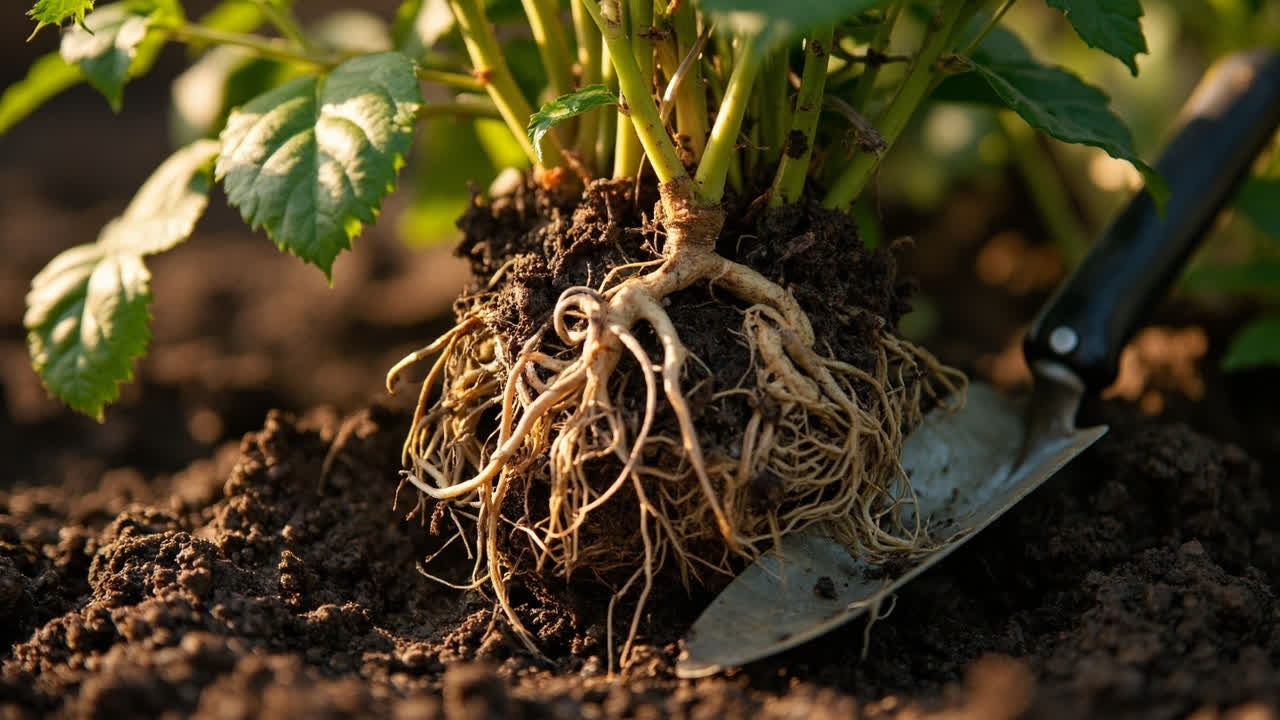
Root rot progresses through recognisable stages. Identifying which stage your plant is in matters because it determines both the urgency of action and the realistic odds of saving the plant.
Early Stage: Subtle Warnings
Early symptoms are easy to overlook or attribute to other causes:
- New leaves appear smaller than usual
- Leaf edges develop a faint reddish or purplish tinge, especially on younger leaves
- Plant does not put on significant new growth in spring or summer
- Older leaves remain green while newer leaves show discoloration
At this stage, the root system is partially compromised but may still be functional enough for the plant to survive with corrected conditions. This is the stage where misdiagnosis is most common — the symptoms closely resemble nutrient deficiency, particularly iron or nitrogen deficiency.
What to expect: If you catch root rot at this stage and improve drainage immediately, the plant can recover within 4–6 weeks. The key intervention is stopping additional water saturation while ensuring the root zone has oxygen.
Mid Stage: Clear Decline
As the pathogen colonises more of the root system, symptoms become more obvious:
- Leaves develop a widespread dull red or bronze coloration across the canopy
- Entire shoots or branches wilt despite adequate soil moisture
- Canes produce few to no flower buds the following season
- Fruit that does develop may be small, shrivelled, or drop prematurely
At this stage, a significant portion of the root system has been destroyed. The plant is surviving on whatever functional root tissue remains, which is why it may look like it needs water when the soil is already wet.
What to expect: Recovery is possible but requires immediate and sustained changes to watering and soil conditions. See how to save a dying blueberry plant for the specific rescue steps at this stage of decline.
Late Stage: Advanced Collapse
When root rot reaches late stage, the plant’s vascular system has been extensively compromised:
- Canes die back from the tips inward
- Bark splits at the base of affected canes
- Leaves remain attached to dead canes even after they should have fallen — a distinctive symptom
- The crown of the plant shows brown, mushy tissue when scraped
Late-stage root rot is difficult to reverse. The plant is essentially being kept alive by whatever functioning roots remain, which is rarely enough to sustain normal canopy function.
What to expect: At late stage, the priority shifts to preventing spread to nearby plants. Remove the affected plant, and do not replant blueberries in the same location without first improving soil drainage and considering soil solarisation or replacement.
How to Confirm It Is Root Rot (and Not Something Else)
Before you begin any treatment — before you adjust watering, before you apply any product — confirm root rot is actually the problem. Here is a step-by-step diagnostic process.
Step 1: Check Soil Moisture
Insert your finger into the soil at 5–8 cm depth. If it feels wet or cool to the touch and the plant is showing leaf symptoms, root rot is a leading suspect. If the soil is dry and the plant is wilted, the problem is more likely to be drought stress.
Step 2: Inspect the Root Zone
If your blueberry is in a container, carefully slide it out and examine the root ball. Healthy blueberry roots are white to light tan and feel firm. Roots affected by Phytophthora are brown to black, mushy, and have a distinctly foul smell. If most of the root mass is dark, soft, or slimy, root rot is confirmed.
Step 3: Test Soil Drainage
Dig a small hole 20–30 cm deep near the plant’s base. Fill it with water and watch how fast it drains. If water still sits in the hole after 30 minutes, your soil has a drainage problem — which, combined with visible symptoms, strongly suggests root rot or a pre-disposition to it.
Step 4: Rule Out Other Causes
Nutrient deficiency is the most common misdiagnosis. Here is how to distinguish it:
- Iron deficiency: Causes interveinal chlorosis (yellowing between leaf veins) while veins remain green. Occurs most often when soil pH is above 5.5.
- Nitrogen deficiency: Causes uniform pale green to yellow older leaves. Does not cause the reddening or wilting seen in root rot.
- Drought stress: Leaves wilt and may curl inward. Soil is dry. Recovery is rapid once watered. Root rot plants in wet soil will not recover with watering.
- Herbicide damage: Causes twisted or cupped leaves, often with thickened leaf margins.
What to expect: After confirming root rot through root inspection or soil drainage failure, your next action is critical: stop watering immediately and improve drainage. For the full step-by-step treatment protocol, refer to how to save a dying blueberry plant.
The pH–Moisture Interaction
One of the most underappreciated aspects of blueberry root rot is how soil pH and soil moisture interact to either suppress or accelerate the disease. When soil pH is in the correct range (4.5–5.5), blueberries produce natural root exudates that support beneficial soil microorganisms — including some that suppress Phytophthora activity. When pH rises above 5.5, these beneficial organisms become less active.
Simultaneously, high pH makes iron less available to the plant, which stresses the root system further. The result: a blueberry bush under pH stress has less natural disease resistance AND the soil conditions are more favourable to root rot pathogens.
What to expect: Correcting pH to the 4.5–5.5 range while also correcting drainage creates conditions where Phytophthora is actively suppressed. Monitoring both variables together is the most effective long-term strategy.
For the full rescue protocol once you have confirmed root rot, see how to save a dying blueberry plant.
For the broader decline diagnostic beyond root rot — yellow leaves, no fruit, transplant shock — see our complete guide to growing blueberries at home.