One tomato glut in August and nothing in October. That is the most common failure mode for home gardeners who plant everything at once. You start with six tomato plants, a row of lettuce, and a hill of squash — all at the same time in spring — and by mid-summer you are drowning, then by October you are buying vegetables again.
Succession planting solves this. It means planting smaller amounts of the same crop at intervals, so harvests arrive steadily instead of all at once. A lettuce planting every three weeks gives you a constant supply. A second round of beans in late summer carries you through into fall.
The concept is simple. The execution requires a bit of planning — knowing which crops work well for succession, when to plant each round, and how to fit new sowings into space freed up by harvested crops.
Why Most Gardeners Get Succession Planting Wrong
The mistake is treating succession planting as “plant the same thing repeatedly” without adjusting timing, location, or crop choice. You cannot plant lettuce every three weeks in the same spot through a Chicago summer — the second and third plantings will bolt almost immediately in the heat.
Succession planting adapts to season. Spring succession planting looks different from summer succession planting, which looks different again from fall succession planting. The goal is to match each sowing to the conditions the crop will actually face as it grows.
—
Which Crops Work Best for Succession Planting
Not every vegetable responds well to being planted in batches. The best succession crops share one characteristic: they mature relatively fast, and they either tolerate heat or cool weather well enough to grow through the season you are planting them in.
Reliable succession crops:
Lettuce and salad greens — The fastest cycle. Sow every two to three weeks from early spring through late summer. In fall, lettuce slows but doesn’t stop until frost. Different varieties handle heat differently — choose heat-tolerant varieties like ‘Jericho’ or ‘Sandy’ for summer sowings.
Radishes — The fastest payoff in the entire garden. Plant every two weeks from early spring through early fall. They mature in 21 to 30 days depending on variety. The key is keeping the soil moist — dry conditions make radishes hot and pithy.
Bush beans — Plant a first round in late spring, then a second round in mid to late summer. The second round matures in fall when temperatures cool, which is ideal for bean quality — and fits the watering schedule adjustment you are already making for fall crops. — hot, dry conditions during maturation cause stringiness. A four-foot row of bush beans harvested twice beats a ten-foot row harvested once.
Carrots — Succession-sow carrots every three to four weeks from early spring through late summer. Use different varieties for different seasons — short, round varieties for spring, longer season varieties for summer/fall. Carrots tolerate light frost and can be left in the ground as a fall crop.
Beets — Sow every four weeks from early spring through late summer. Like carrots, they are frost-tolerant and work as a fall crop. Use the greens as well as the roots — beet greens are one of the most productive secondary harvests in a vegetable garden.
Cucumbers — A single planting produces heavily for about three to four weeks, then slows sharply — similar to how blossom end rot in tomatoes signals the end of a productive period. A second planting of cucumber in mid-summer, started in doors or as a direct sow in cooler climates, extends the harvest by weeks.
Summer squash — Two plantings, eight weeks apart, prevents the mid-season glut followed by the sudden decline. For the full garden planning context, our beginner vegetable garden guide shows what a full-season plan looks like.. Start the second round indoors in midsummer and transplant once the first planting begins to slow.
Crops not well suited to simple succession planting:
Tomatoes, peppers, and eggplant — These are long-season crops that need one solid planting, not repeated sowings. Better to prune, feed, and extend the season on the original planting than try to succession-plant them.
Corn — Staggered planting of corn works in theory but in practice the later plantings often get caught by fall frost before they mature. Plant corn once, plant enough.
Cucumbers, melons, winter squash — Single plantings, managed for maximum duration, are more effective than repeated sowings.
—
The Three-Season Succession Calendar
Spring (2–4 weeks before last frost):
Begin with cool-season crops — lettuce, spinach, radishes, carrots, beets, peas. These tolerate light frost and grow best in the moderate temperatures of spring.
Plant the first round as soon as soil can be worked — typically two to four weeks before the last expected frost date for your area. In zone 6, that is mid-April. In zone 3, that is late May.
A week later, plant the second round. A week after that, plant the third round. By the time the first round is ready to harvest, the second and third rounds are already growing.
Summer (after spring crops finish):
Once lettuce bolts in heat — usually four to six weeks into summer — remove those plants and replace them with heat-tolerant varieties or wait until the temperatures moderate in late summer for the next round.
The key decision point in summer succession planting is whether to plant warm-season crops (beans, cucumbers, summer squash) into the freed-up space from spring crops, or to continue with cool-season crops for a fall harvest.
For most temperate gardens, use summer succession planting to keep warm-season crops flowing in the second half of the season, not to start cool-season crops early.
Fall (8–10 weeks before first expected frost):
This is where many gardeners miss the opportunity. A fall succession planting of cool-season crops, timed to mature just before or just after the first frost, often produces the best-quality crops of the entire season — cooler temperatures mean slower growth and better flavor.
Lettuce, spinach, radishes, carrots, beets, arugula, and Asian greens all work well for fall succession planting. Timing: count backward from your first expected fall frost date, then add the days to maturity for the crop.
For example: first frost in zone 6 is approximately mid-October. Spinach takes 40 to 50 days to mature. Plant spinach in late August to early September. Carrots take 55 to 75 days. Plant carrots in late July to early August.
—
Reading the Freespace : Fitting New Plantings In
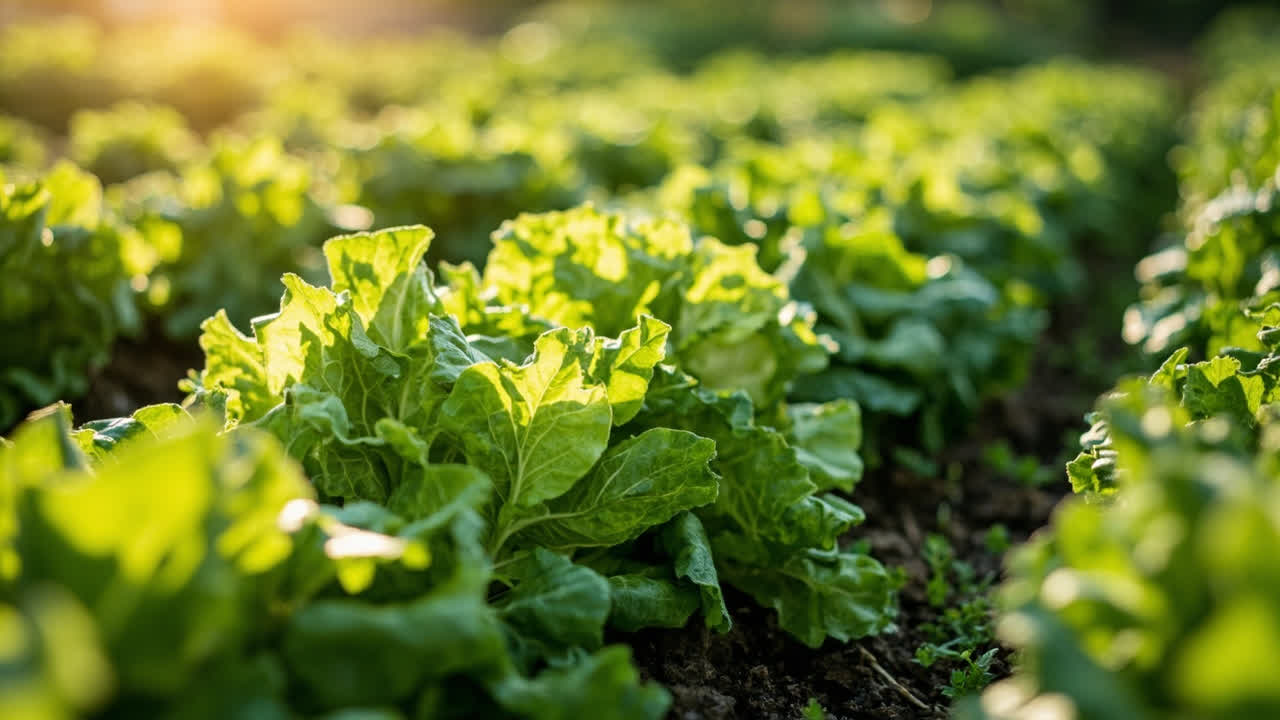
Succession planting only works if you have space to plant the next round. This means the first succession planting is planned from the beginning — you know you will be pulling spring lettuce in early summer and using that space for the next round of something else.
Three ways to manage the freespace problem:
Intercropping: Plant slower crops alongside faster ones. Plant carrots with lettuce — the lettuce is ready in 30 days, the carrots take 60. By the time the lettuce is harvested, the carrots are just getting started and have the space mostly to themselves.
Block harvesting: Plant a section of the same crop all at once, then remove the whole section at harvest. This creates a clean freespace for the next planting. In a four-by-eight raised bed, dedicate one two-foot section to lettuce and rotate through three succession plantings in that section across the season.
Transplant vs direct sow: Some crops like lettuce and brassicas are easier to succession-plant if you start them in trays first. That way, when space frees up, you have a seedling ready to go — rather than waiting for a direct-sown seed to germinate and establish.
—
Extending the Season : Succession into Fall
Fall succession planting has one major advantage over spring: fewer pest problems. Many insect pests decline in late summer and fall. The soil is still warm so germination is fast. And cool nights improve the flavor of most cool-season crops.
Cold-tolerant crops — spinach, kale, mâche, radishes, carrots — can be succession-planted later than most gardeners think. A light frost improves the flavor of spinach and mâche. Carrots left in the ground through fall develop a sweetness that spring-grown carrots don’t have.
Use row covers or cold frames to extend the season further. In zones 6 and above, row covers can keep crops productive through Thanksgiving and into December for some cold-hardy varieties.
Succession planting is not a technique you set up once and forget. It requires looking at your garden every week — what is ready, what is finishing, what needs to be replaced, what can stay — and making decisions accordingly. The garden that produces steadily all season is more satisfying to tend and more productive per square foot than the garden that produces one overwhelming harvest and then goes quiet.
Turn PDF Bank Statements Into Workable Spreadsheets
Your bank statement is a mess of numbers, but your books shouldn't be. Use our converter to get Excel, CSV, or QBO files — ready for QuickBooks.
Try It Free Now