The Three Sisters — corn, beans, and squash — is the most famous companion planting system, and it works for a reason.
Corn grows tall and provides a structure for beans to climb. Beans fix nitrogen in the soil, which feeds the corn and squash. Squash covers the ground with broad leaves that shade out weeds and retain moisture. Three plants, each doing something the others need.
That is the logic at its best. Most companion planting advice is not that rigorous. “Plant carrots with tomatoes” appears in every garden guide, but the mechanism is vague and the evidence is mixed.
This guide focuses on the pairings with the clearest mechanisms and most reliable results, and explains why each works.
Why Companion Planting Exists as a Concept
Before individual chemicals and fertilizers were widely available, gardeners relied on plant relationships to manage soil fertility, pest pressure, and microclimate. Companion planting encoded that knowledge — which combinations worked better than planting the same crops in isolation.
The mechanisms are real and measurable: some plants repel specific insects, some fix nitrogen that neighbors can use, some provide shade or structural support, and some attract pollinators or beneficial insects that protect nearby crops.
But companion planting is not magic. The benefits are specific to combinations, to spacing, and to whether both crops are present in sufficient density to create the effect. Interplanting one tomato plant among a row of basil does not create a companion planting system — the scale matters.
The Nitrogen Fixers : Legumes and Their Neighbors
Legumes — peas, beans, and clover — have a symbiotic relationship with rhizobia bacteria that live in their root nodules. These bacteria convert atmospheric nitrogen into a form the plant can use. When the legume dies or is cut back, the nitrogen in the root nodules is released into the soil, where neighboring plants can access it.
This is why beans are the classic companion for heavy-feeding crops like corn and squash. Plant beans near corn and the beans will feed the corn as they grow, and the corn benefits from the added nitrogen without additional fertilizer.
The practical application: when planning succession plantings, follow a nitrogen-fixing crop like beans with a heavy-feeding crop like kale or broccoli in the same space. Do not follow beans with another legume — that would be redundant nitrogen fixation. Follow with a leafy crop that benefits from the nitrogen the beans left behind.
Peas fix less nitrogen per plant than beans, but they are a good early-season nitrogen source for crops that follow them in spring succession planting. Plant peas in early spring, harvest them in early summer, then transplant tomatoes or peppers into the same space — those crops will benefit from the residual nitrogen.
Pest Repellent Companions : The Aromatic Crops
Strong-smelling plants disrupt the chemical communication that many insects use to locate their host plants. This is not a perfect effect — it reduces pest pressure rather than eliminating it — but in a home garden context it can make a meaningful difference.
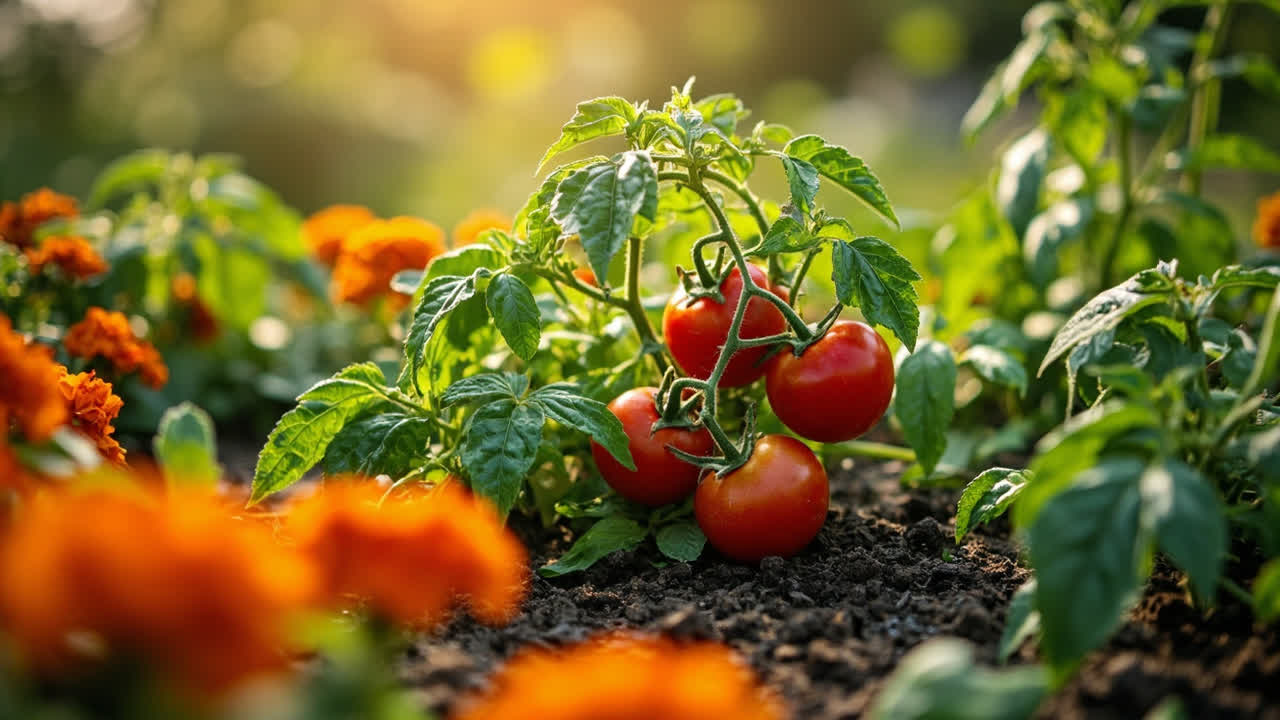
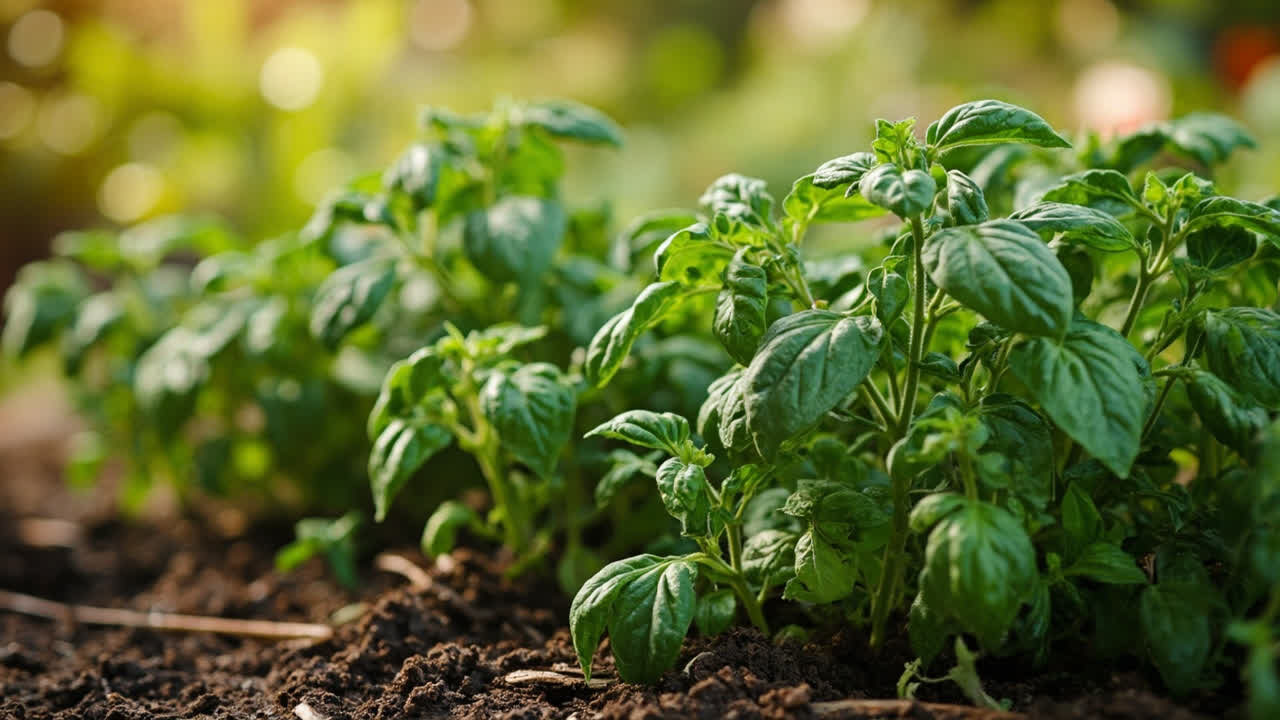
Basil with tomatoes: The most reliable companion pairing in a home vegetable garden. Basil’s scent confuses the whitefly and aphid population that typically builds on tomato plants. Plant basil densely around the base of tomato plants — and if you are managing pest damage on your tomato plants, the basil provides a first line of behavioral disruption before you need to resort to sprays. — not just one plant at the end of the row. Studies show reduced whitefly populations and lower aphid damage in mixed basil-tomato plantings compared to tomato monoculture.
Dill and Brassicas: Dill attracts beneficial insects including parasitic wasps that attack cabbage worms and aphids. Plant dill near cabbage, kale, broccoli, and cauliflower. Let some dill flower — the flowering stage is when it attracts the most beneficial insects.
Marigolds with everything: French marigolds (Tagetes patula) produce thiophenes from their roots, which suppress soil nematodes and reduce fungal disease pressure. Plant marigolds as a border crop around vegetable beds, or interplant them among tomatoes, peppers, and brassicas. The effect on nematodes takes a full season to build but compounds over successive plantings.
Nasturtiums with brassicas: Nasturtiums act as a trap crop — aphids prefer nasturtium leaves to brassica leaves, so aphids congregate on the nasturtiums and away from the vegetables. Inspect and remove heavily infested nasturtiums before the aphid population migrates back to the brassicas.
The Three Sisters and Beyond : Structural Companions
Corn, beans, and squash (The Three Sisters):
Plant corn in hills or rows first, four to six weeks before the last expected frost. Once corn is six to eight inches tall, plant bean seeds at the base of each corn plant. When beans are established, plant squash or pumpkin around the perimeter of the corn-bean block. The squash shades the soil and suppresses weeds.
Spacing: Corn in hills, three to four feet apart each way. Beans at the base of each corn hill. Squash planted around the edges, four to five feet from the center corn. In a smaller garden, grow corn in a block with beans climbing the stalks and squash covering the ground between.
Climbing beans with tall corn or sunflowers:
If you want the nitrogen-fixing benefit of beans but are not growing the Three Sisters system, any tall crop provides structure for climbing beans. Sunflowers work, though they are allelopathic to some vegetables — don’t plant beans directly alongside sunflower stalks in the same hole. Plant the sunflower, then plant beans three to four inches away.
Peas on a pea trellis, followed by cucumbers:
A spring succession system: erect a trellis for peas in early spring, harvest peas in early summer, then train cucumbers up the same trellis through summer — this is the same logic behind succession planting applied to vertical space rather than calendar timing.. The trellis infrastructure serves two crops across two seasons, maximizing use of vertical space.
The Combinations That Do Not Work
Some combinations are competitive enough that both crops suffer.
Fennel with everything: Fennel is allelopathic to most vegetables — it releases compounds that inhibit the growth of neighboring plants. Plant fennel separately, in its own bed or container, away from all other vegetable crops.
Brassicas near strawberries: The brassica family (cabbage, kale, broccoli) shares a susceptibility to the same soil-borne diseases as strawberries. Planting them in the same bed in consecutive seasons increases disease pressure. Rotate so brassicas and strawberries occupy the same ground no more than once every three years.
Onions near beans: The mechanism is not fully understood, but alliums (onions, garlic, leeks) seem to inhibit bean growth in close proximity. Keep allium rows separate from bean rows, or plant them in alternate beds rather than adjacent rows.
Tomatoes near brassicas: Both are heavy feeders competing for the same soil nutrients. More importantly, tomatoes and brassicas share some pest populations — aphids and flea beetles move between them. Separating them into different garden zones reduces cross-contamination.
Planning a Companion Planting System
Companion planting works best when it is designed into the garden from the beginning, not added after beds are planted. Before spring planting, draw a rough plan of your beds and ask three questions for each bed:
What heavy feeder goes here next? Followed by a nitrogen fixer.
What pest pressure am I managing? Choose one strong-smelling or trap crop companion per bed.
What can I fit vertically? Stack a climbing crop over a low-growing crop.
A simple example: In a four-by-eight raised bed, plant tomatoes in two rows with basil densely planted between them. Along one edge of the bed, plant marigolds as a border. In the remaining space at the end of the bed, plant carrots or beets in the gaps between tomato plants — the tomato foliage provides light shade for cool-season crops, and the beds are producing three crops from one bed instead of one.
The most productive garden beds are planned, not planted at random. Companion planting is one of the tools that lets you get more from the same space — but it only works when the mechanisms are understood and the scale is sufficient. One basil plant next to one tomato plant is decoration. A full bed of basil interplanted with tomatoes is a system.
From PDF to Excel in one click
Forget retyping line by line. Upload any bank statement, get a spreadsheet you can actually use. Your files are never stored, and you can test the converter with 3 free conversions.
Try it free