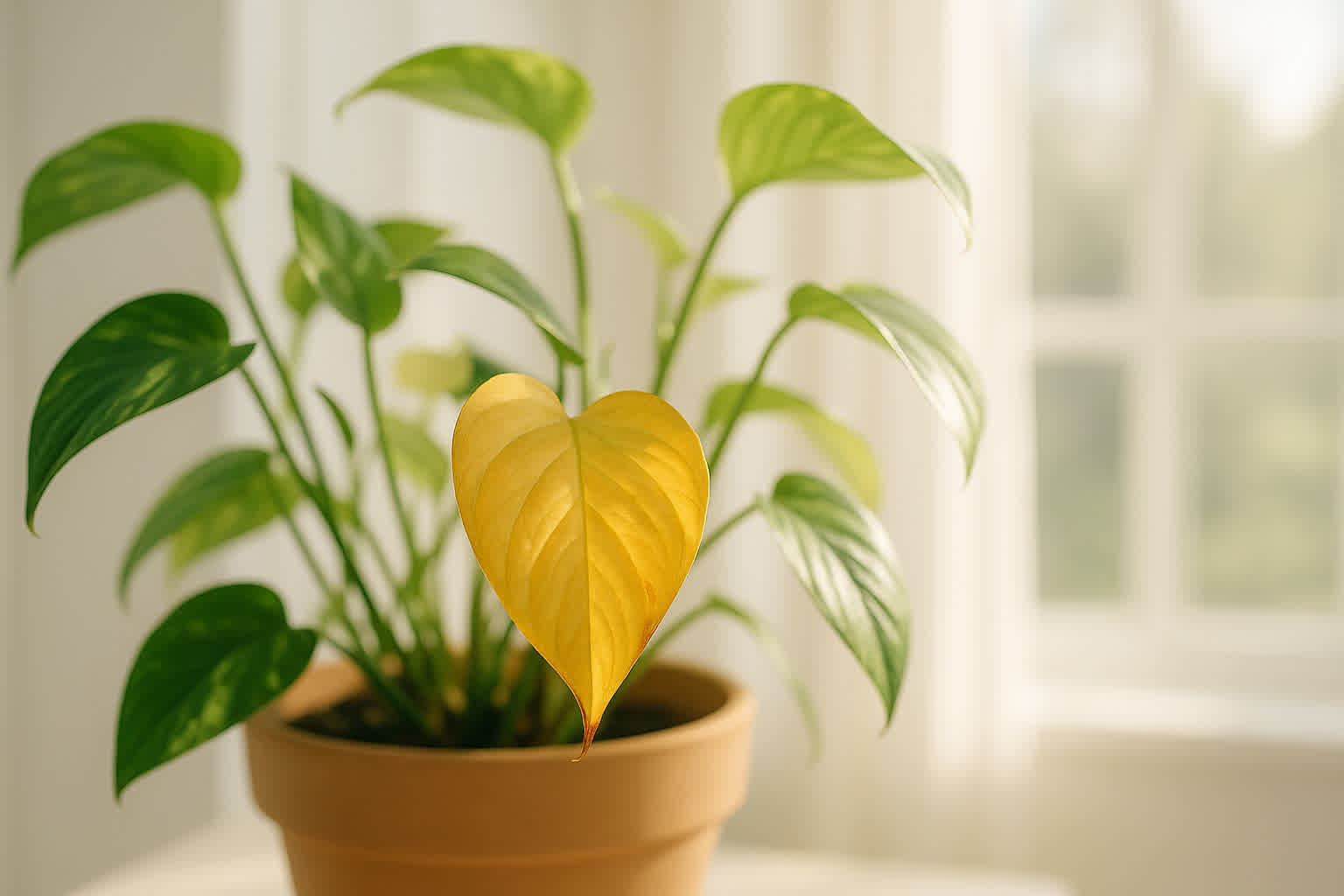
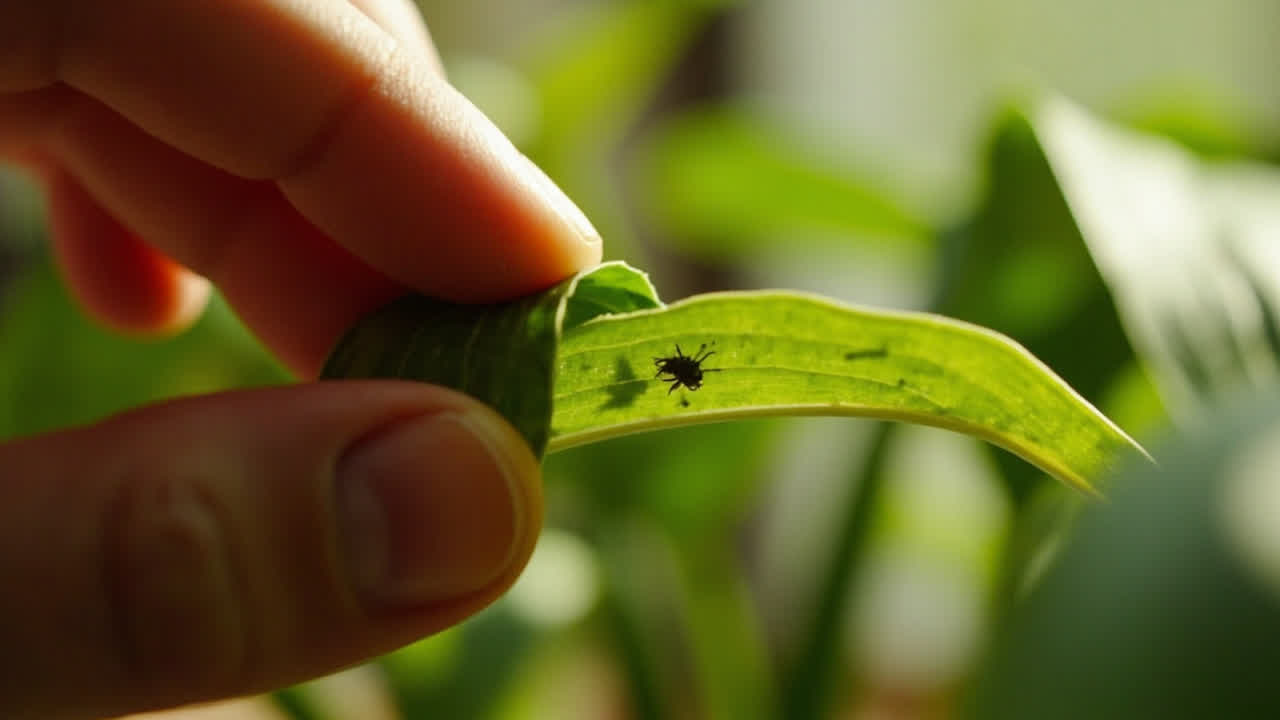
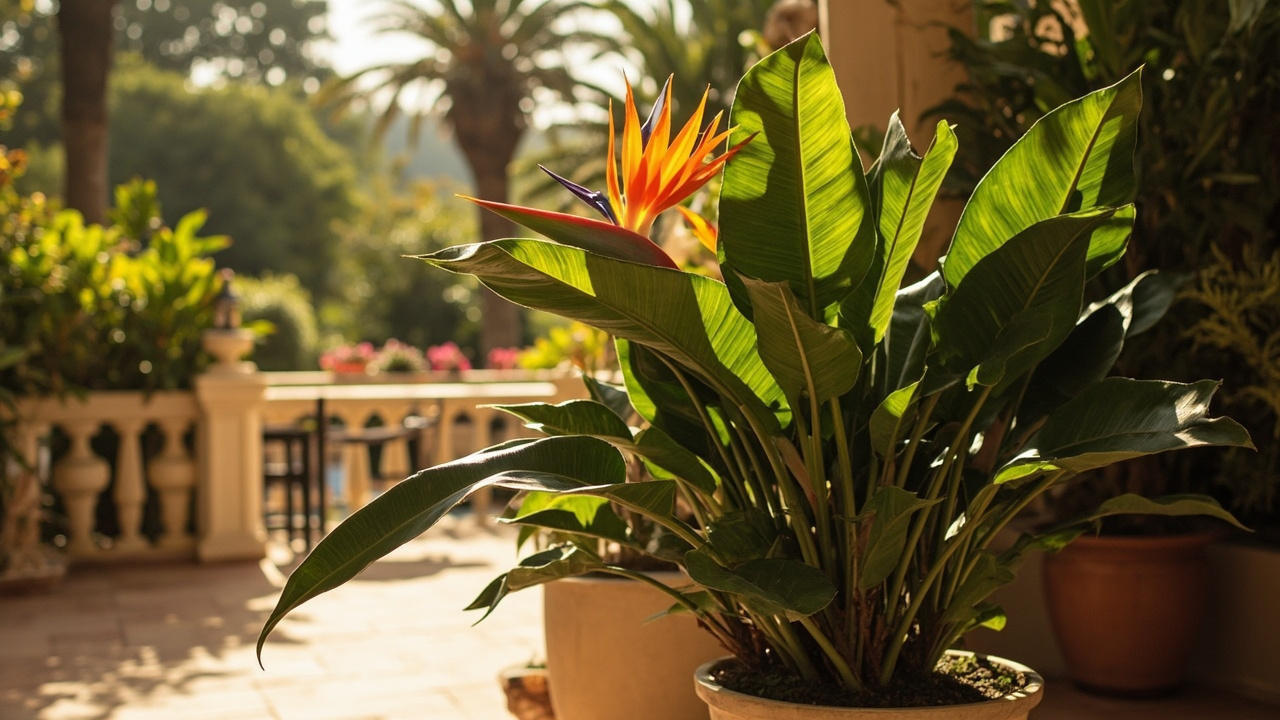
A drooping snake plant is not always thirsty. Leaning leaves can come from weak light, dry roots, wet failing roots, a loose root ball, or an old leaf that no longer has enough support. The first diagnostic question is whether the leaf is still firm.
Firm leaning leaves usually point to light direction, root support, or a dry-down problem. Soft collapsing leaves are more serious because they suggest rot, crown damage, or roots that can no longer hold the plant upright. That split should come before watering, staking, or moving the pot.
Firm Leaning Leaves Versus Soft Collapsing Leaves
Touch the leaf near the base before you diagnose the cause. A firm leaf that leans but keeps its normal stiffness is usually a structural or environmental problem. A soft leaf that folds, creases, or feels watery near the base is a root or crown problem until proven otherwise.
Snake plants naturally hold their leaves upright because thick leaves are anchored by a rhizome under the soil. When a leaf leans, either the leaf is changing its angle toward better conditions, the roots are not supporting the weight, or the base tissue has weakened. Those three causes look similar from across the room, but they feel different in your hand.
If the plant is still firm and only one old outer leaf is leaning, the situation may be cosmetic. If several leaves lean in the same direction, the cause is often environmental. If several leaves collapse from the base at once, treat it as urgent.
Low Light And Stretching
Snake plants tolerate low light, but they do not grow their strongest leaves in low light. In a dim room, new leaves may emerge narrower, softer, or angled toward the nearest window. Over time, the whole plant can lean in the direction of the light because the leaves are trying to place more surface area where photosynthesis is possible.
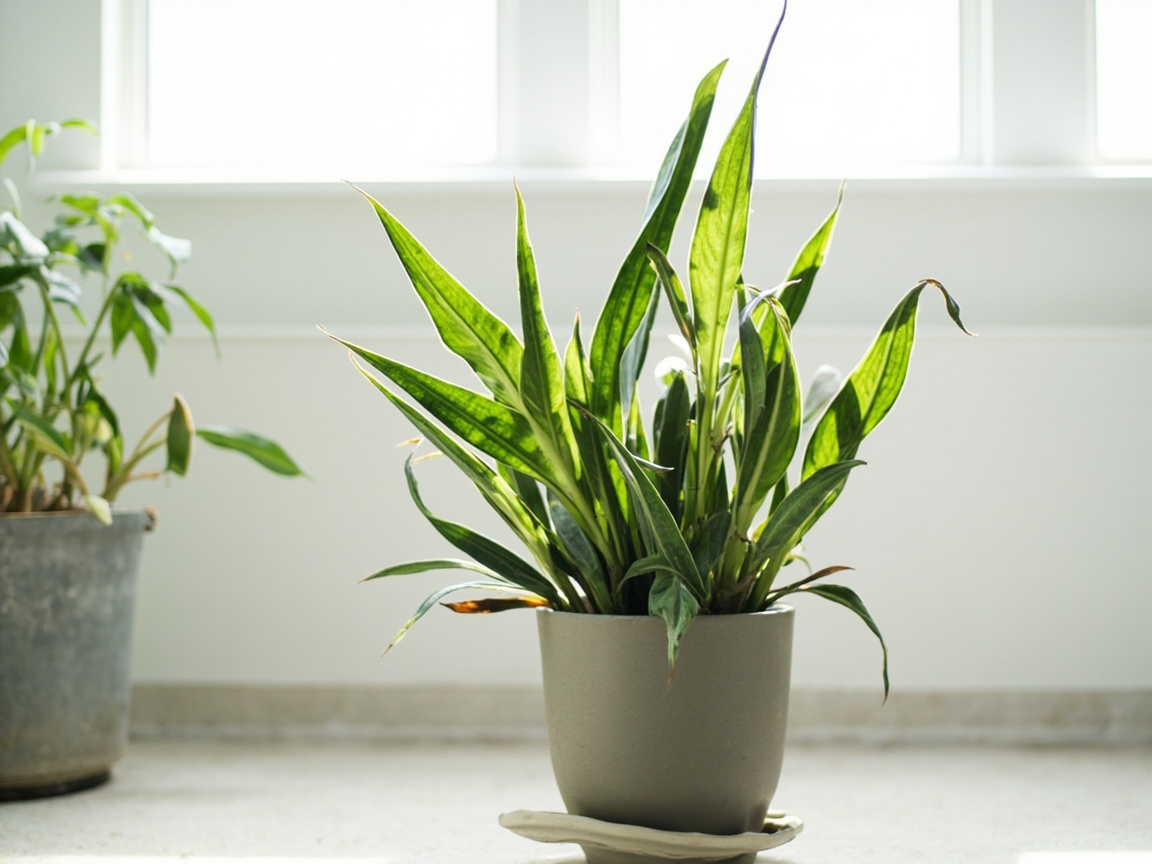
This kind of drooping is usually slow. The leaves are still firm, the base does not smell sour, and the soil may be normal. The giveaway is direction: most of the leaning leaves point toward the same window or brighter side of the room. Rotate the pot and the new growth will often reveal whether light was the driver, because fresh leaves should grow more upright in the improved position.
A firm plant leaning toward one side often points first to snake plant light. Bright indirect light will not make old bent leaves perfectly vertical again, but it can stop new leaves from repeating the same weak angle.
Water Stress And Root Support
Both dry roots and wet roots can make a snake plant droop, which is why watering is easy to misread. When roots are too dry for too long, the leaves can lose internal pressure and lean while still feeling firm or slightly flexible. When roots are wet and failing, the leaves may also lean, but the base often becomes soft, yellow, or loose.
The soil tells you which direction to investigate. Dry stress usually comes with a pot that feels very light, soil pulling away from the sides, and leaves that look slightly wrinkled or folded lengthwise. Wet root stress comes with heavy soil, slow dry-down, a sour smell, yellowing at the base, or leaves that detach too easily.
Soil condition matters because both dry roots and wet roots can disrupt snake plant watering signals. Do not water a drooping plant automatically. Check the soil depth, pot weight, and leaf base first. The same leaning leaf can mean “too dry for too long” or “too wet for too long,” and the fixes are opposite.
Pattern Table: Why The Leaves Are Drooping
Use firmness, soil condition, and direction together. Any one clue can mislead you; the pattern is the diagnosis.
| Drooping pattern | Leaf feel | Soil or base clue | Likely cause |
|---|---|---|---|
| Leaves lean toward one window | Firm | Base is solid | Low light or one-sided light |
| Leaves fold slightly lengthwise | Firm to flexible | Pot is very light and dry | Long dry period |
| Leaves lean and yellow at the base | Soft or watery | Soil is wet or sour | Root or crown rot |
| Whole plant rocks in the pot | Firm | Root ball is loose or high | Poor root support |
The most important warning sign is softness. A firm leaning leaf gives you time to observe. A soft leaning leaf means the support tissue is failing and the plant should be checked sooner.
When The Pot Or Root Ball Is The Problem
Sometimes the leaves droop because the plant is physically unstable, not because the leaves are unhealthy. A snake plant can rock in its pot after shipping, after a rough move, or when the root ball sits too high above the soil line. The leaves are firm, but the rhizome is not anchored well enough to hold them vertical.
If the plant is firm but unstable in the pot, check snake plant repotting before treating it like disease. The honest trade-off is that a snake plant does not need repotting just because one leaf leans. It needs a structural check when the whole plant shifts, the root ball is loose, the pot is too large to dry correctly, or the leaves cannot stay upright because the base is not supported.
An oversized pot can also cause indirect drooping because the excess soil stays wet longer than the roots can use. In that case the pot is part of the moisture problem, not just a container problem.
When Drooping Becomes A Rescue Problem
A plant with soft bases and spreading collapse belongs in the dying snake plant recovery path. That is no longer ordinary leaning. It means the crown or rhizome may be losing tissue, and waiting for the leaves to stand back up can cost the plant.
If the leaves are firm, diagnose light, dry-down, and support first. If the leaves are soft, yellowing at the base, or pulling free, treat drooping as a root emergency. The texture of the base is the line between a slow adjustment and a rescue situation.
Turn That PDF Into a Spreadsheet in Minutes
You've seen how to do it manually — now let the tool handle the heavy lifting. Upload your bank statement and get Excel, CSV, or QBO in a few clicks.
Try It Free