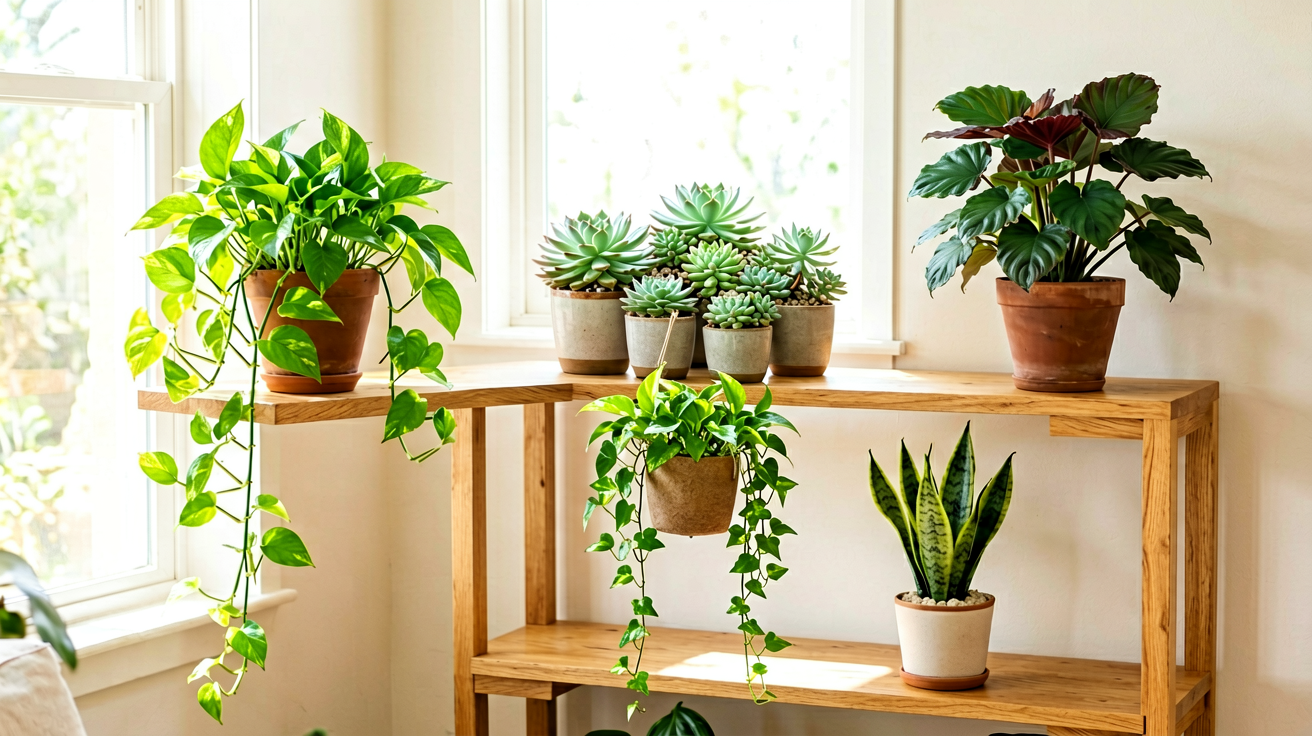
Snake plants are from West African savannah environments — hot, dry, and with significant temperature swings between day and night.
This origin gives them a much broader temperature tolerance than most tropical houseplants, and it is one of the reasons they are so easy to keep in homes.
Snake plants handle temperature conditions that would stress other plants without complaint.
The Temperature Range Snake Plants Tolerate
Snake plants are comfortable in temperatures from 15°C to 35°C — a wider range than most houseplants. They will survive brief periods outside this range but sustained temperatures below 10°C or above 40°C cause damage.
In practice, almost no indoor environment falls outside this range, which is why snake plants do so well here.
What the temperature range means in practice:
- 15°C to 30°C: ideal growing range, active growth during the warm months
- 10°C to 15°C: growth slows but the plant tolerates this without damage
- Below 10°C: cold damage becomes possible — leaves may become discoloured, soft, or mushy
- Above 35°C: heat stress possible in very hot rooms without ventilation
What Actually Causes Temperature Problems for Snake Plants
Air conditioning
While snake plants tolerate air-conditioned rooms better than most tropical houseplants — they are less prone to brown tips from dry air — very cold AC temperatures set below 18°C can cause cold stress over time.
The dry air from AC is not the main problem; the cold temperature is. Plants right under or next to AC vents receive the coldest, driest air and are most at risk.
Cold windows on cool nights
On rare cool nights — typically in December and January when overnight temperatures can drop — single-pane windows can become significantly colder than the room air.
A snake plant with leaves touching cold glass can experience localised cold damage even when the room is otherwise warm.
Outdoor placements during cool monsoon season
Snake plants are indoor plants in climate. During the rainy season from November to January, outdoor temperatures can drop enough to cause cold stress. Snake plants kept on balconies or patios during this period often show damage.
Signs of Temperature Stress
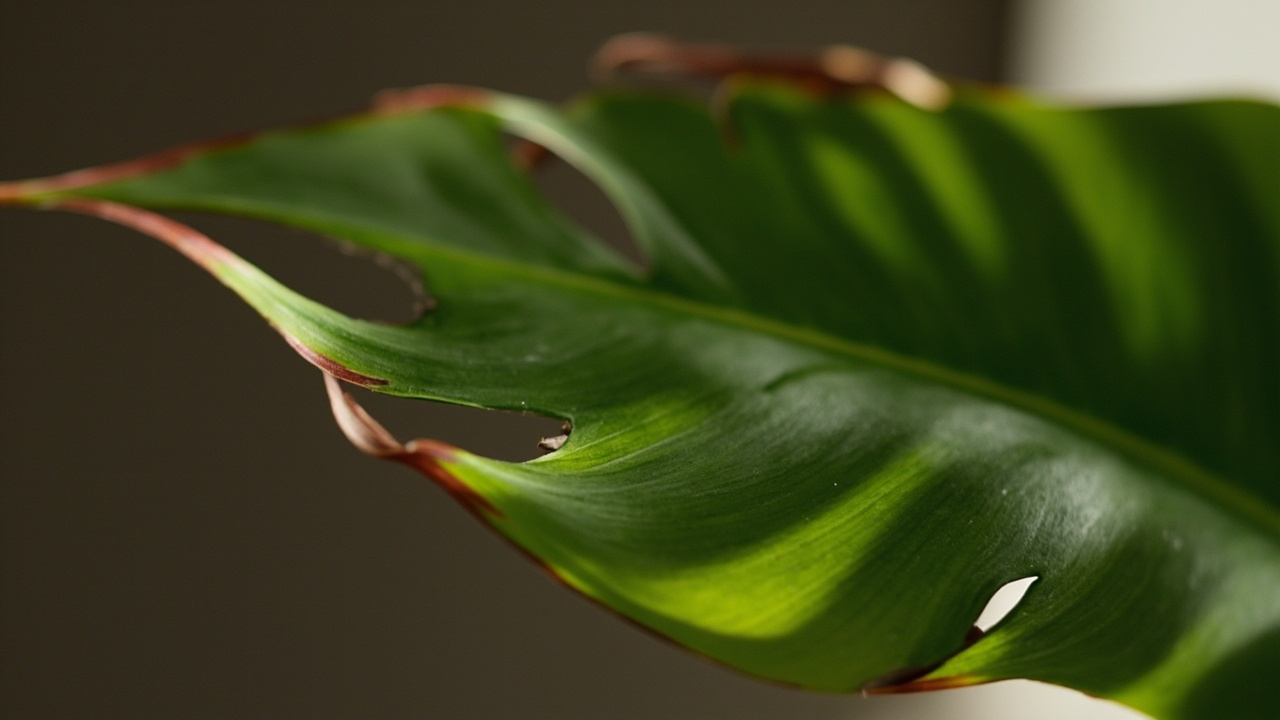
Cold damage: leaves become soft, limp, and may turn dark or black at the tips or edges. The affected tissue is mushy rather than dry. This typically occurs when temperatures drop below 10°C or when a plant is placed near a very cold surface like a window or an AC vent set to very low temperatures.
Heat damage: leaves develop pale yellow or bleached patches, particularly on the side facing the heat source. This is uncommon in homes but can occur in rooms without ventilation that receive direct afternoon sun through glass.
Managing Temperature for Snake Plants
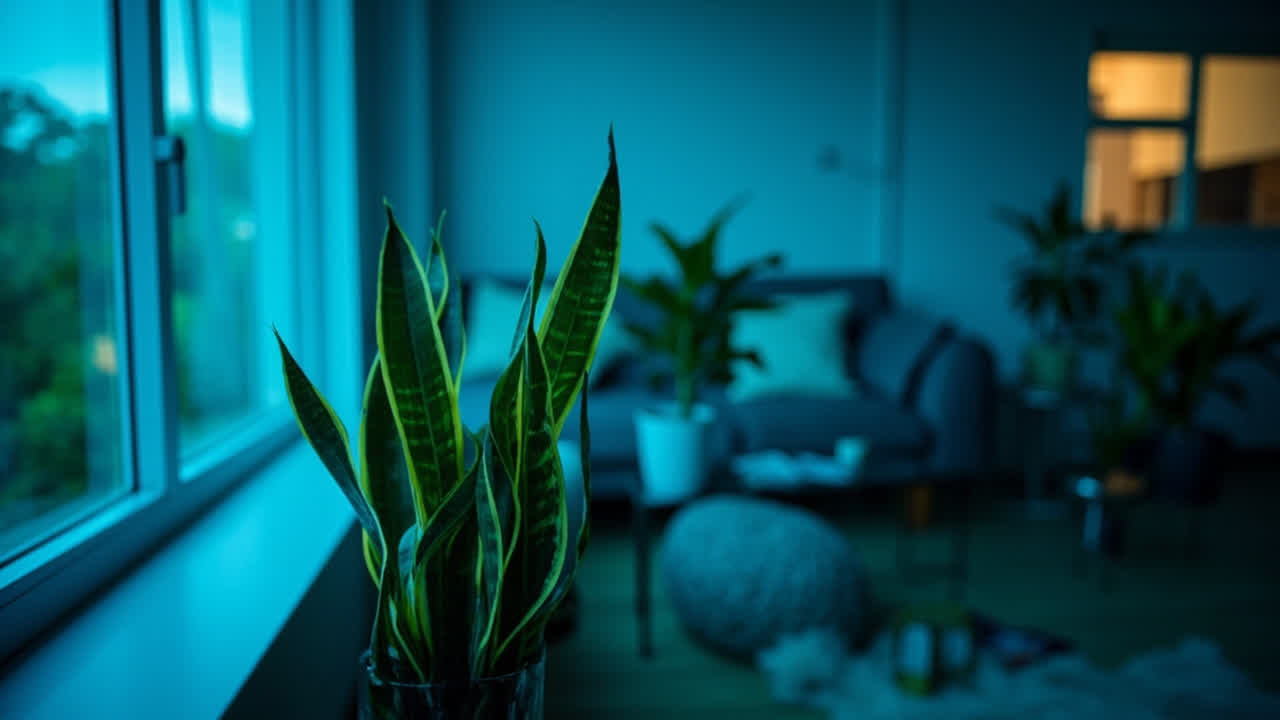
In practice, most homes provide perfectly adequate temperatures for snake plants without any adjustment. A few simple precautions:
- Keep snake plants away from the direct path of air-conditioned air — not right next to a vent or in a room set very cold
- On cool nights during the rainy season, move plants away from windows where leaves might touch cold glass
- Do not keep snake plants in rooms that are not climate-controlled and experience wide temperature swings
Otherwise, snake plants handle indoor temperatures without issue. They are one of the few houseplants that genuinely do well in the air-conditioned room conditions that are standard in most homes.
For general care, see the Snake Plant Care guide.
Turn That PDF Into a Spreadsheet in Minutes
You've seen how to do it manually — now let the tool handle the heavy lifting. Upload your bank statement and get Excel, CSV, or QBO in a few clicks.
Try It Free