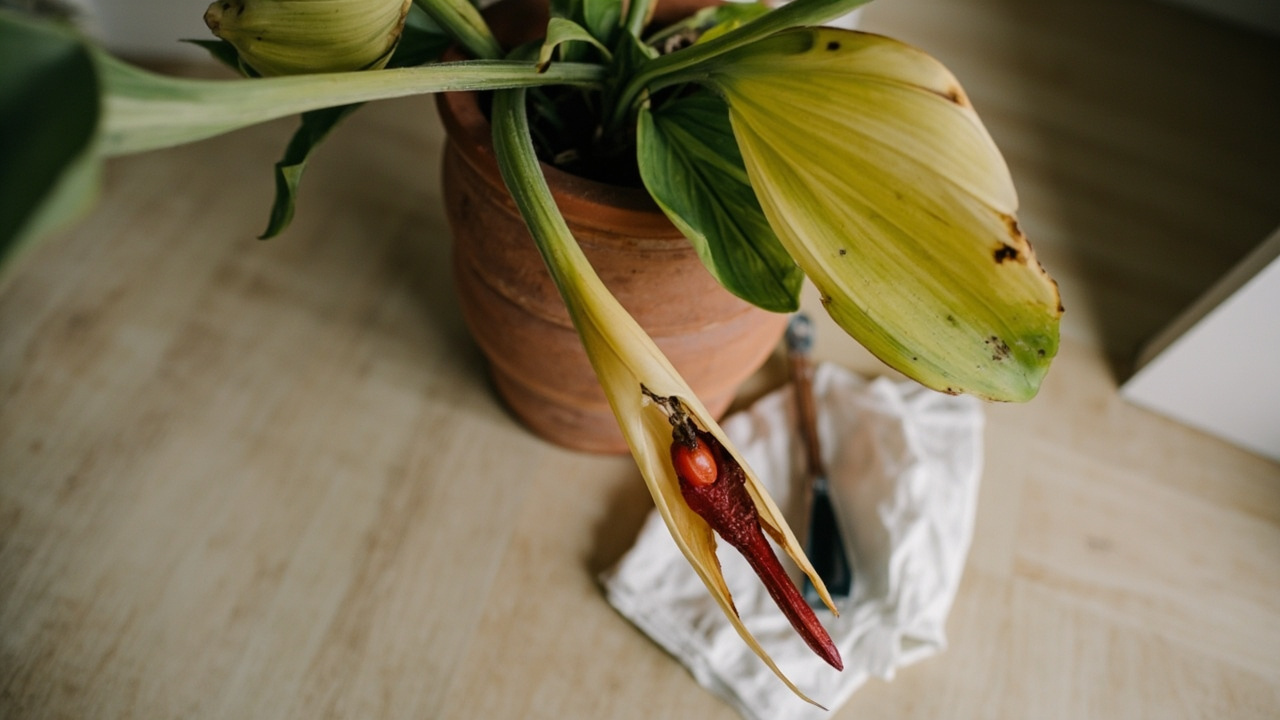

Diagnosing Decline: When Yellow Leaves Mean Emergency. A Bird of Paradise that is declining can look like it is dying, but the first question every owner must answer is whether the plant is actually dying or simply going through a normal life cycle change. Leaf senescence, the natural aging process where older leaves yellow and die, is a routine part of Strelitzia care. One or two yellow leaves at the bottom of the plant each month is nothing to worry about. The plant is redirecting nutrients from aging tissue to new growth. This is normal maintenance, not distress.
Pathological decline looks different. Multiple leaves yellowing simultaneously across the plant, leaves that drop at the slightest touch, a stem base that feels soft when gently squeezed, or a complete stall in new leaf production for more than two growing cycles are all signals that something is wrong. The most reliable diagnostic tool is the stem base firmness test. Pinch the stem just above the soil line. A healthy Strelitzia stem is firm, slightly resistant to pressure, and does not yield to gentle squeezing. A diseased or rotting stem feels soft, spongy, or gives way under light pressure. If the stem base is firm, the plant may still be salvageable. If it is soft, the decline has reached the vascular system, and the situation is urgent.
The next diagnostic step is examining the leaves themselves. Yellow leaves with brown, crispy margins usually indicate underwatering or humidity stress. Yellow leaves with soft, mushy tissue at the base suggest overwatering or root rot. Leaves that are curling or wilting despite wet soil point to root dysfunction, not leaf damage. Brown leaf tips with otherwise healthy foliage typically signal fertiliser salt build-up or fluoride sensitivity in the water supply. Understanding the symptom pattern helps you choose the right recovery protocol instead of treating the wrong problem.
Root Rot Recovery: Surgical Rescue for Overwatered Strelitzia
Root rot is the single most common cause of sudden Strelitzia decline and the most salvageable condition if caught early. The disease develops when the growing medium stays wet long enough for opportunistic fungal or bacterial pathogens to colonize the root system. Healthy Strelitzia roots are pale, firm, and relatively dense. Rotting roots are brown to black, slimy, and fall apart when gently rubbed between your fingers. The stem base often feels soft because the rot has climbed upward from the roots into the crown tissue.
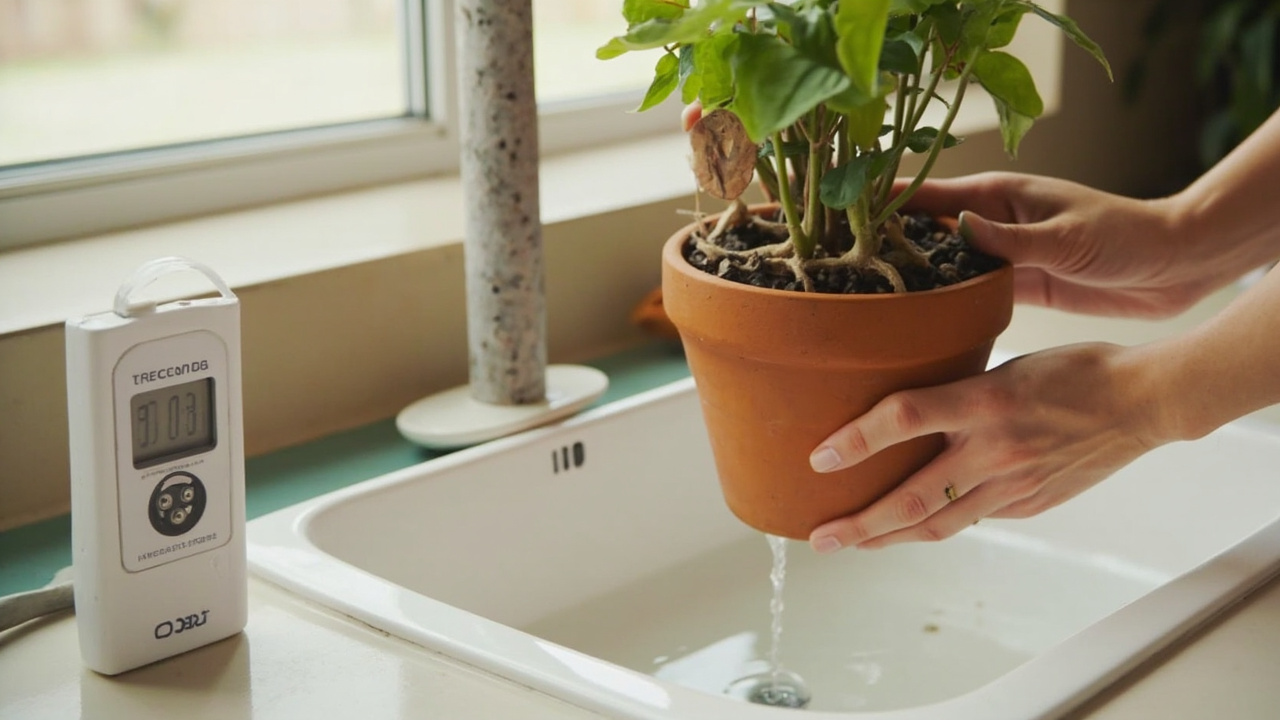
The rescue protocol begins with immediate extraction. Remove the plant from its pot and brush away all old growing medium. Rinse the root ball under lukewarm running water to expose every root. Inspect the root system under good light. Using sterilized pruning shears, cut away every root that is brown, black, slimy, or papery. Be aggressive. Leaving even a small amount of rotten tissue allows the infection to continue into healthy root zones. If the rot has reached the stem, cut upward through the stem until you reach clean, firm, white or pale green tissue. This is essentially a beheading procedure, and it is the only way to save a plant with advanced crown rot.
After surgical removal of all rotted tissue, dust every cut surface with sulfur powder or plain cinnamon. Both materials have antifungal properties that help prevent reinfection during the critical callusing phase. Place the cleaned cutting or rescued plant on a dry paper towel in bright indirect light, not direct sun. Do not repot it yet. The wound must form a complete callus before it encounters moisture, which typically takes five to seven days depending on ambient humidity and temperature.
Once the callus is fully formed, pot the plant in a fresh gritty growing mix designed for Strelitzia. Use a terracotta pot that is only slightly larger than the remaining root ball, because a large pot holds excess moisture around a compromised root system. Water lightly at the rim, avoiding the crown area, and wait another seven days before the next watering. From there, follow a reduced watering schedule for eight to twelve weeks while the plant rebuilds its root system. Check stem firmness weekly during this period. If the stem softens again, the rot has recurred, and you must repeat the surgical protocol immediately.
Severe Dehydration: Rehydrating a Completely Dry Root Ball
Severe underwatering produces a very different presentation from root rot. The leaves are thin, concave along the center vein, and feel papery or leathery to the touch. Leaf tips are often brown and crispy. The root system, when examined, is dry and brittle rather than slimy or black. The root crown and stem base remain firm, which is the key diagnostic difference from root rot. This condition is less common than overwatering damage but equally distressing to the owner, who often believes the plant is beyond recovery because it looks so dramatically shrunken.
The critical mistake people make with a dehydrated Strelitzia is giving it a single heavy watering and expecting immediate recovery. A desiccated root system has lost most of its fine root hairs, which are the structures responsible for water absorption. Dumping water into a pot with dead root tissue creates a shock to the remaining roots and invites rot before the plant can re-establish absorption capacity. Instead, use a graduated rehydration protocol over two to three weeks.
Begin by giving the plant a light watering, roughly a quarter of the normal volume, applied around the rim of the pot while avoiding the crown. Wait four days. During this period, the remaining root hairs begin signaling the plant to produce new root tissue. On day five, water again at the same light volume. On day eight, give a full soak-and-dry cycle: water thoroughly until it drains freely from the bottom, then allow the medium to dry completely before the next watering. This three-week graduated approach gives the root system time to recover function before it faces full water demand.
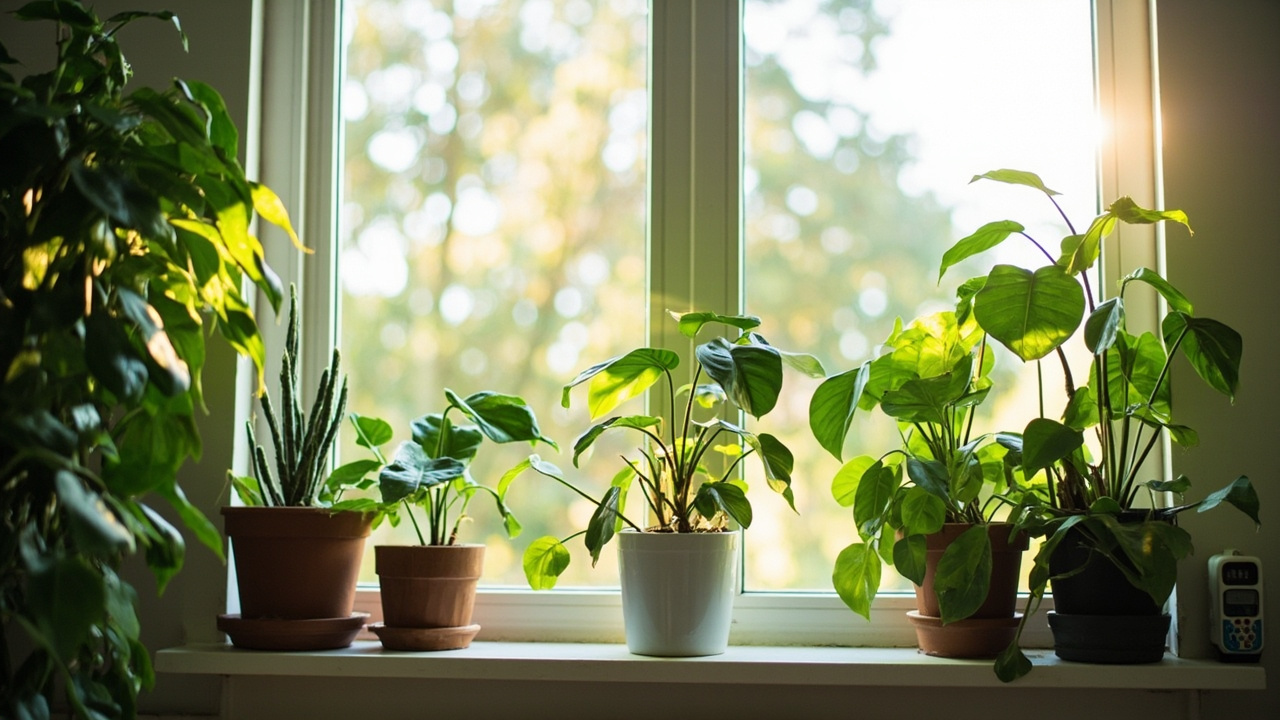
During the rehydration period, move the plant out of direct sunlight. A severely dehydrated Strelitzia has reduced capacity to regulate water loss through transpiration, and bright direct light accelerates moisture loss through the leaf surfaces faster than the compromised roots can replace it. Bright indirect light, similar to what a recovering Strelitzia with bloom issues would receive, keeps the plant alive without adding stress. After the graduated rehydration period, normal leaf plumpness usually returns within two to four weeks. Leaves that browned at the tips will not regreen, but new center growth should be firm and full within that timeframe.

Post-Recovery Care: Stabilizing the Rescued Plant
The period after rescue is when most recoveries fail. A Strelitzia that has survived root rot or severe dehydration has a compromised root system and reduced photosynthetic capacity. Returning to normal care immediately overwhelms the plant and triggers a second crisis. The transition back to standard routine must be gradual and conservative.
For the first two months after rescue, water at half the frequency recommended for a healthy plant. If the normal schedule calls for watering every seven to ten days during active growth, water every fourteen to twenty days instead. Keep the plant in bright indirect light, preferably an east-facing window or a south-facing window with sheer curtain filtration. Do not fertilize for at least three months after rescue. Strelitzia are light feeders even when healthy, and fertilizer salts burn tender new roots that a recovering plant has produced.
Monitor the stem base weekly during the transition. If firm tissue starts feeling soft again, the plant may be re-entering rot, usually because the growing medium has broken down or the pot lacks adequate drainage. Repot immediately into fresh gritty mix and a clean terracotta pot with a single large drainage hole. If the leaves stay thin even after the graduated rehydration protocol, the root system did not fully recover and may need a second round of rewatering, starting with the rim-watering method again.
Seasonal dormancy affects post-recovery care significantly. A plant rescued during its active growing season, typically spring through summer, has a much better prognosis than one rescued during dormancy in autumn or winter. During dormancy, the plant’s metabolic rate drops, root growth slows dramatically, and the risk of rot from any residual moisture is higher. If rescue was necessary during dormancy, extend the recovery period, reduce watering frequency further, and keep the plant in the warmer part of its normal range until new growth resumes in spring.
When to Accept the Loss: Signs the Plant Cannot Be Saved
Honest assessment is part of responsible plant care. Some Strelitzia specimens reach a point where recovery is impossible, and continuing to invest time and effort is futile. The stem base firmness test is the definitive diagnostic for this assessment. If the entire stem, from the soil line upward through the leaf attachment points, is soft and yielding, the vascular system has been compromised beyond surgical removal. No amount of repotting, rewatering, or environmental adjustment will revive a plant with total stem rot.
Other indicators of irreversible decline include a stem that is completely blackened from the soil line upward, a growing medium that has turned into a foul-smelling sludge even after multiple waterings, or a plant that has lost all leaves and shows no signs of new growth after six weeks of proper care. In these cases, the plant should be discarded, and the potting medium should not be reused for other plants without thorough sterilization.
Accepting the loss of a Strelitzia is difficult, especially after a significant time investment. The plant may have been a centerpiece in your home for years. But understanding when recovery is impossible prevents wasted effort and protects other plants in your collection from potential pathogens carried in contaminated soil or pots. Always quarantine any tools, pots, or growing medium that contacted a diseased plant before using them elsewhere in your collection.
For ongoing care guidance and deeper troubleshooting of specific Strelitzia problems, refer to our complete Bird of Paradise care guide and our watering schedule guide. Early intervention based on accurate diagnosis gives your Strelitzia the best chance of full recovery.
From Bank Statement to QuickBooks-Ready File
That manual cleanup you just read about? This tool skips it. Turn your PDF into QBO for QuickBooks without storing your data anywhere.
Start Converting