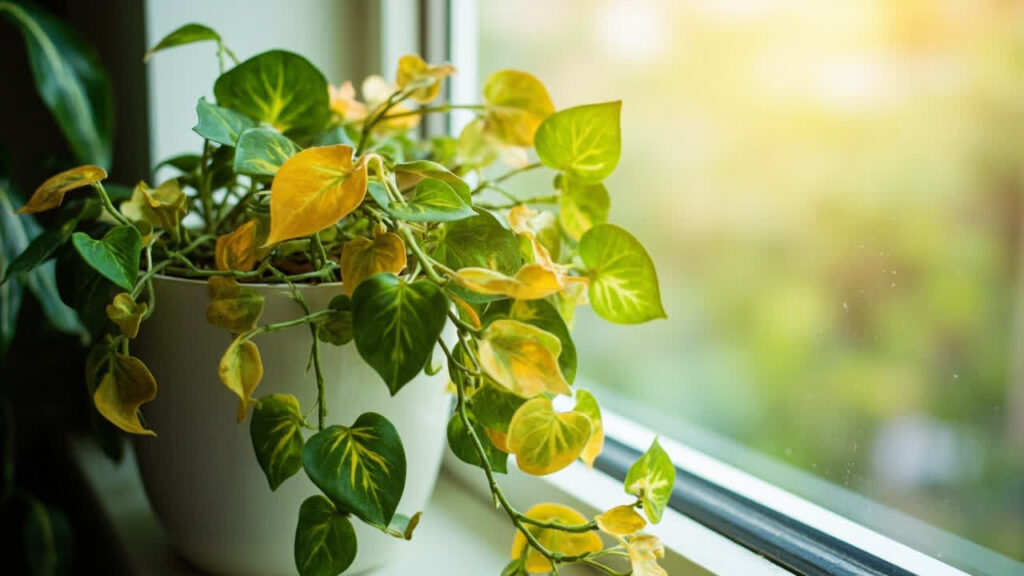
Your Pothos looked fine yesterday. Today, the leaf edges are brown, the tips have gone crisp, and the whole leaf has a scorched look that was not there before. Brown tips on a Pothos do not always mean the same thing — the cause determines whether you can fix it and how fast. Here is how to diagnose and correct it.
What Brown Tips Look Like on a Pothos
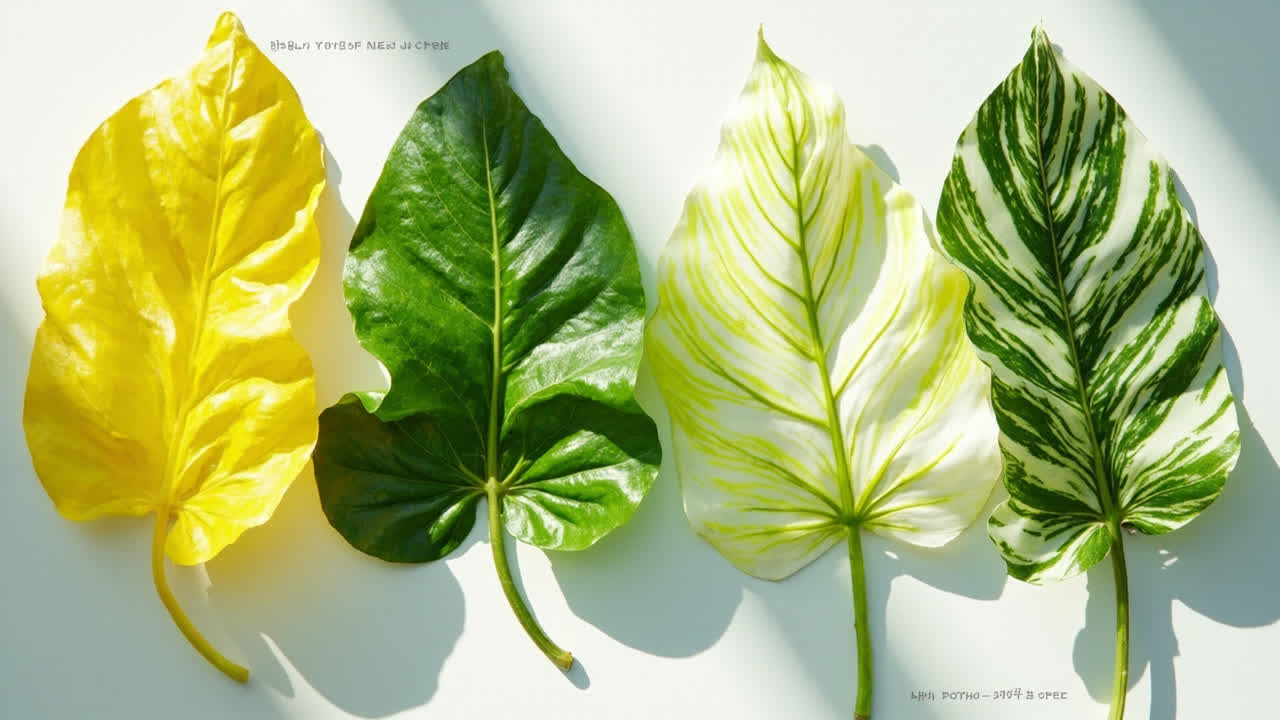
Brown tips on a Pothos typically appear as a crisp, dry tan to dark brown zone at the very edge or tip of the leaf. The rest of the leaf may still look green and healthy. This is important to distinguish from other problems — yellowing from the base, widespread browning across the leaf, or soft mushy tissue all point to different issues. Brown tips are specifically edge/tip, dry to the touch, and confined to a specific section of the leaf.
The Most Common Causes
Over-fertilising — the leading cause of brown tips.
If you feed your Pothos more than once a month, or if you use a liquid fertiliser at full strength, the salts accumulate at the leaf edges faster than the plant can flush them. The tips and edges burn first because that is where the concentration is highest. Look for a white or crusty residue on the soil surface as confirmation.
The fix: flush the soil thoroughly with clean water — run water through the pot several times, letting it drain fully each time. Then stop fertilising for at least two months. When you resume, use half the concentration you were using and do not feed more than once every four to six weeks.
Underwatering — the second most common cause.
A Pothos that is consistently dried out beyond the top few centimetres of soil will pull water from the leaf edges as a priority, sacrificing the extremities to protect the rest of the plant. The tips go brown and crispy first. Check the soil by inserting your finger 5 cm deep — if it is bone dry past the first knuckle, underwatering is the cause.
The fix: water properly by soaking the root ball thoroughly, then let it drain. Establish a watering habit of checking the soil every time rather than watering on a schedule. The plant should stop developing new brown tips within two weeks of consistent proper watering.
Low humidity — especially in air-conditioned rooms.
Pothos is tropical and appreciates some humidity. In rooms with air conditioning, ceiling fans, or heating, the air can strip moisture from the leaves faster than the roots can supply it. The tips are the first casualty. This is most visible in the dry season or in rooms that run AC constantly.
The fix: move the plant further from the AC vent or heater. Group it with other plants so they create a micro-humidity pocket. Alternatively, place the pot on a shallow pebble tray with water — the evaporating moisture raises the humidity immediately around the leaves without making the roots wet.
Tap water with high chlorine or fluoride.
Some municipal water supplies contain levels of chlorine or fluoride that a Pothos is sensitive to. Over weeks and months, these chemicals build up in the leaf tissue and cause tip burn. This is particularly common in Singapore where tap water can vary in mineral content.
The fix: use filtered or rainwater for your Pothos if tap water consistently causes brown tips after other causes are ruled out. If your tap water smells strongly of chlorine, let it sit uncovered overnight before using it — the chlorine dissipates.
How to Tell Which Cause Is Working
The pattern of the browning tells you the cause:
- Crispy, dry, light brown — tip only: underwatering or low humidity
- Soft, dark brown or black at the tip: over-fertilising or root rot (check the roots)
- Brown tips with white crust on soil surface: fertiliser salt accumulation
- All tips on all leaves simultaneously: environmental cause — humidity, water quality, or AC
- One or two leaves only: likely physical damage or isolated root stress
What to Do With Leaves That Are Already Brown
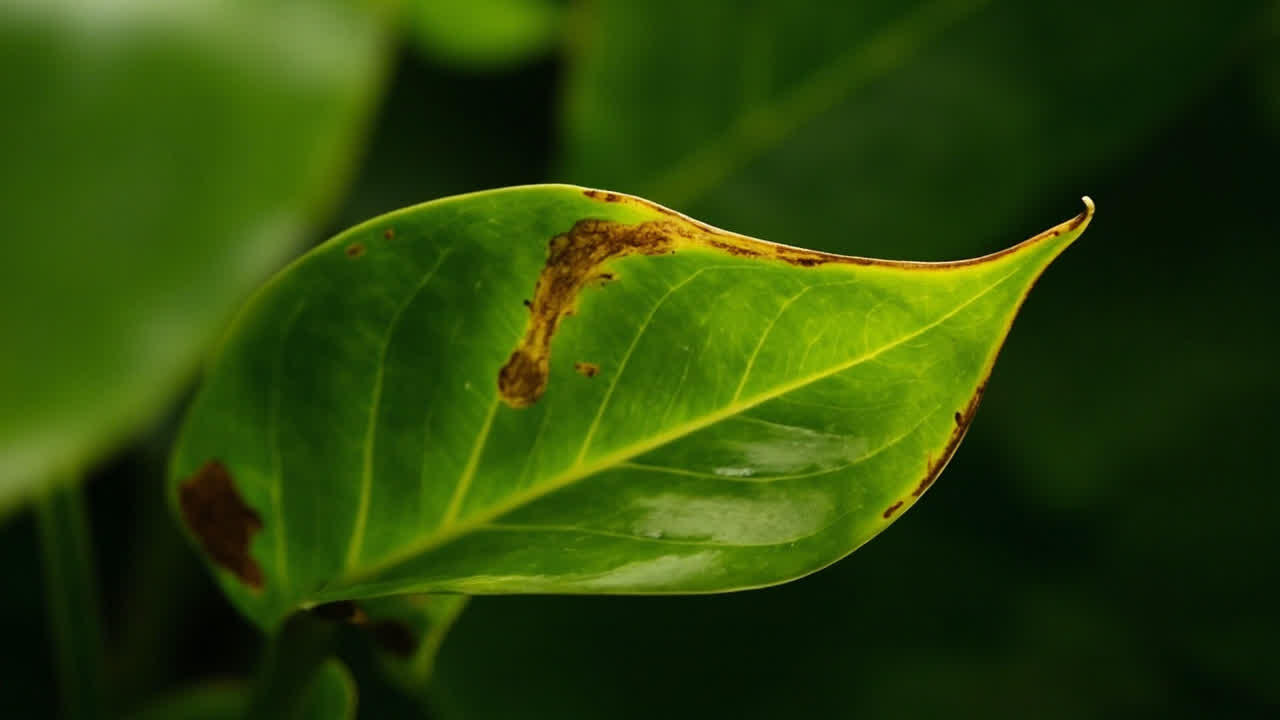
Brown tips will not turn green again. Once the tissue is dead, it stays dead. You can leave the leaf on the plant — it will continue to photosynthesise from the remaining green portion, which is still useful. Or you can trim the brown section with clean scissors, cutting just inside the green border in a clean line. There is no horticultural reason to remove healthy-looking leaves just because the tip is brown.
Preventing Brown Tips Going Forward
The prevention is simpler than the cure: water when the soil is dry, feed no more than once every four to six weeks at half strength, use filtered water if your tap water is hard, and keep the plant away from direct AC airflow. A Pothos in consistent conditions with a predictable care routine rarely develops brown tips — it is the variables that cause the problem.
For the full Pothos watering guide that prevents both underwatering and overwatering, see the Pothos Watering Guide. For general care, see Pothos Plant Care.