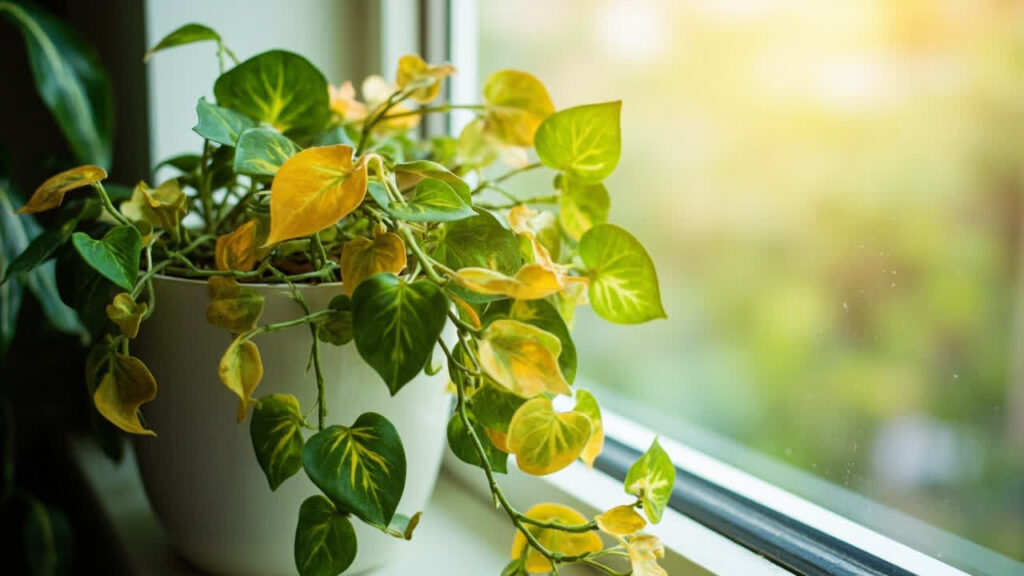
The soil your Pothos grows in is not just a medium to hold the plant upright — it is the environment where the roots live, breathe, feed, and regulate moisture. Getting the soil right is the single biggest factor in whether a Pothos thrives or just survives. Most store-bought Pothos comes in a dense, moisture-retaining potting mix that was designed for the wholesale nursery, not for your windowsill. Here is what you need to know about soil for Pothos.
What Pothos Roots Actually Need From Soil
Pothos roots are structurally similar to many tropical climbing plants — they want moisture but they also need oxygen. Dense, compacted soil that stays wet for days suffocates the roots. Soil that drains too fast leaves them perpetually dry. The ideal Pothos soil holds moisture for two to three days and then dries out enough that air reaches the root zone again.
The three characteristics that matter most:
- Drainage: water should flow through in seconds, not minutes
- Moisture retention: the soil should hold enough water to sustain the plant for two to three days between waterings
- Aeration: the soil structure should have air pockets even when moist — roots respire and need oxygen
The Best Pothos Soil Mix
The formula most experienced Pothos growers use is simple:
- Two parts quality potting mix — any reputable general potting mix, not garden soil
- One part perlite or pumice — the coarse, lightweight volcanic rock that creates air pockets and improves drainage
- One part orchid bark or coarse bark chips — chunky material that keeps the mix open and prevents compaction over time
Combine these before planting. The perlite stays in the mix indefinitely — unlike organic matter, it does not break down, so the soil stays well-structured for years. The bark decomposes slowly and adds slight acidity, which Pothos roots prefer.
What Happens If You Use Standard Potting Mix Alone
Standard potting mix is designed for general container plants, not specifically for tropical climbers. On its own, it tends to:
- Stay wet for four to five days after watering, especially in low-light conditions
- Compact over time, losing the air structure that roots need
- Suffocate the fine root hairs that absorb water and nutrients
This does not mean your Pothos will die immediately in standard potting mix — it often survives. But it will be more prone to root rot, slower growing, and more likely to develop brown tips from inconsistent moisture. Adding perlite alone makes a significant difference even without the bark component.
Can You Make Pothos Soil Without Buying Special Components
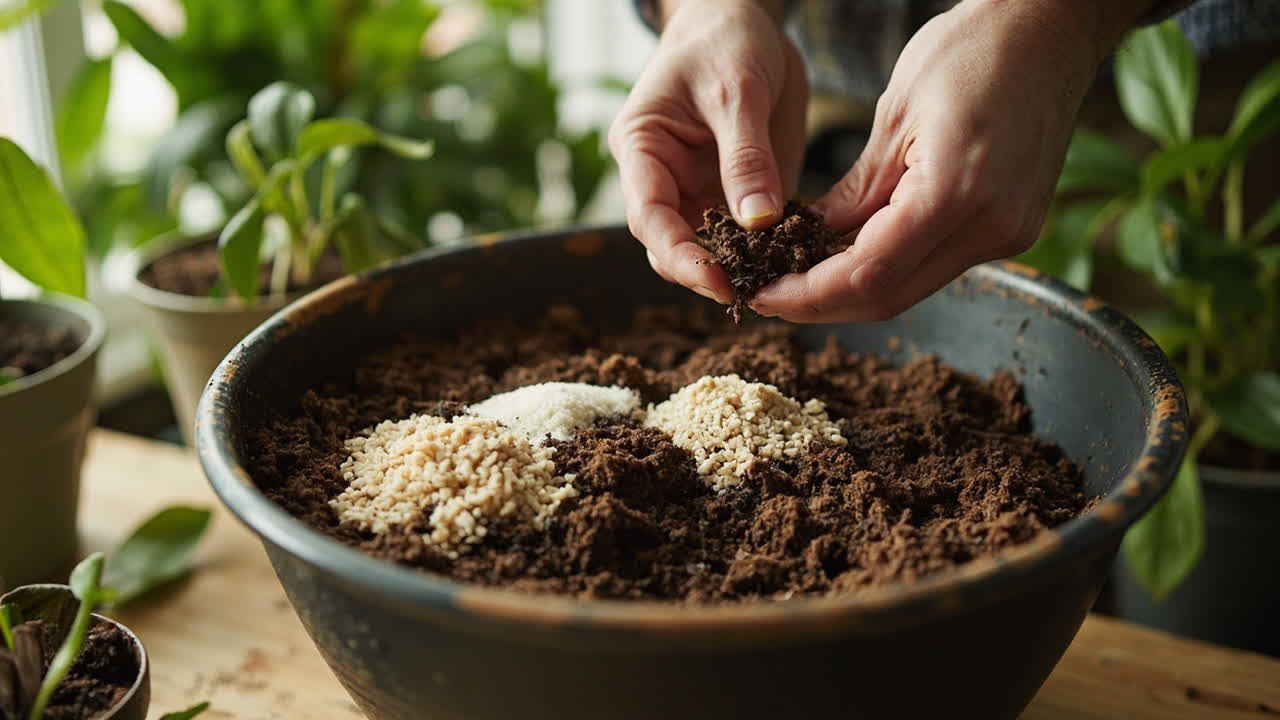
If you have a general potting mix and nothing else, add up to 30 percent coarse river sand or even horticultural charcoal to improve drainage. Perlite is the most effective single addition — it is inexpensive, widely available in Singapore nurseries, and the most impactful amendment for Pothos soil. Even a simple 50/50 mix of potting mix and perlite is a meaningful improvement over straight potting mix.
What Soil pH Means for Pothos
Pothos grows best in slightly acidic soil, in the range of 6.0 to 6.5 pH. Most commercial potting mixes in Singapore fall into this range naturally. If you are using tap water that is alkaline (high in calcium), the soil can gradually shift toward higher pH over time. Filtered water or occasional use of diluted vinegar in watering water (a few drops per litre, no more than once a month) can help maintain the right pH range.
When to Refresh the Soil
Soil degrades. Organic matter breaks down, perlite gets buried or washed down, and the structure that originally provided good drainage gradually compresses. For a Pothos in a 15 to 20 cm pot, refreshing the top 2 to 3 cm of soil every six months — removing the old and replacing with fresh mix — helps maintain the right conditions without full repotting. A full soil refresh with repotting every two to three years keeps the root environment healthy.
For the full Pothos care guide, see Pothos Plant Care. For how to repot with the right soil mix, see the Pothos Repotting Guide.
Turn PDF Bank Statements Into Workable Spreadsheets
Your bank statement is a mess of numbers, but your books shouldn't be. Use our converter to get Excel, CSV, or QBO files — ready for QuickBooks.
Try It Free Now