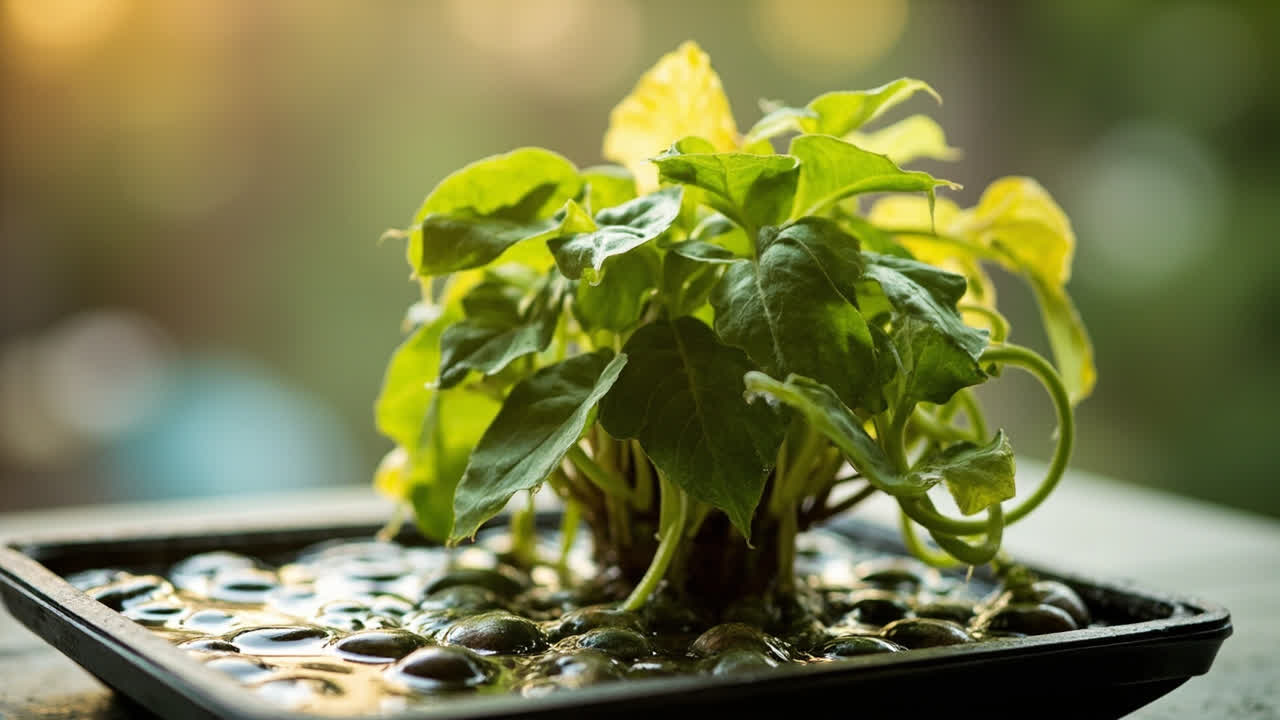
You have a cat that likes to chew on houseplants, or a dog that digs in the pots. Your Pothos is beautiful, trailing from a high shelf where the cat cannot reach it — but one vine has dropped onto the floor and now the dog is chewing on it. Should you be worried? The answer is yes, with important specifics you need to know.
Is Pothos Toxic to Cats and Dogs
Yes. Pothos — Epipremnum aureum, commonly called Devil’s Ivy — is toxic to both cats and dogs. The toxicity comes from calcium oxalate crystals, called raphides, which are embedded in all parts of the plant: the leaves, the stems, the roots, and the nodes. When chewed or ingested, these crystals cause immediate irritation to the mouth, tongue, lips, and gastrointestinal tract.
The severity of the reaction depends on how much the animal has eaten. A few leaves chewed and spit out will cause significant discomfort but is unlikely to be dangerous. A large amount ingested — particularly by a small animal — can cause more serious symptoms and warrants veterinary attention.
What Happens When a Cat or Dog Eats Pothos
The first signs typically appear within minutes:
- Excessive drooling or foaming at the mouth
- Pawing at the mouth or face
- Vocalising more than usual — the cat or dog is distressed
- Swelling of the mouth, tongue, or lips
- Vomiting or retching
- Difficulty swallowing
These symptoms are the body’s response to the irritation from the calcium oxalate crystals. In most cases, the animal recovers within a few hours once the crystals have passed through the mouth and digestive tract. The discomfort is significant — the animal is genuinely hurt — but the toxicity itself is low.
When to Go to the Vet
Seek veterinary attention if:
- The animal has eaten a large amount — more than a few leaves
- Symptoms persist beyond two to three hours
- There is visible swelling of the tongue or throat that could obstruct breathing
- The animal is a kitten, puppy, or very small breed
- Multiple plants have been eaten, or you are unsure how much was ingested
For most adult cats and dogs that have chewed a small amount, monitoring at home is usually sufficient — provide fresh water, watch for vomiting, and call your vet if symptoms escalate. Call your vet first to confirm — they will advise based on the animal’s size, how much was eaten, and the symptoms observed.
How to Keep Pets Safe From Pothos
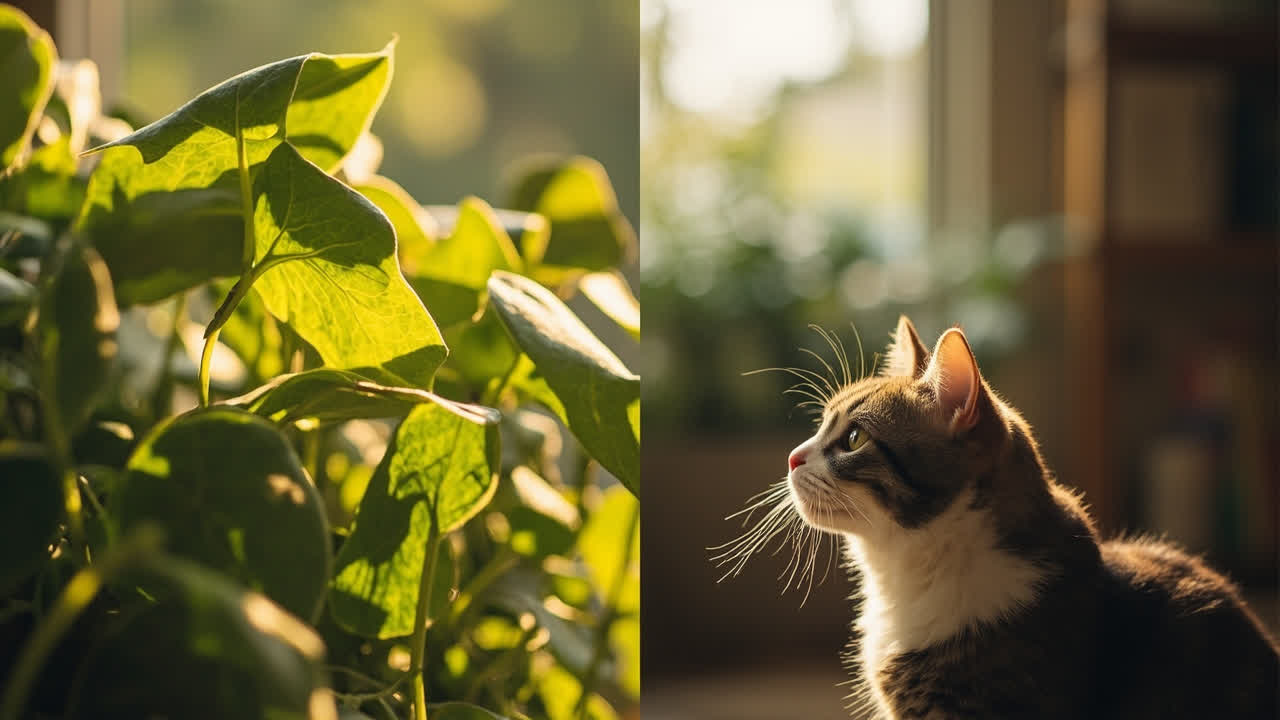
The most effective approach is placement — Pothos needs to be somewhere the animal cannot reach. High shelves, hanging planters out of jumping range, or rooms that are off-limits to the pet are the only fully reliable methods. Bitter apple spray applied to the leaves deter some animals from chewing, but not all — it is a supplement to placement, not a replacement.
If your Pothos is in a pot on the floor and you have a cat that jumps or a dog that is actively interested, move the plant. Cats can reach surprisingly high places when motivated, but a pot on a high shelf that the cat cannot access is the simplest solution.
Wash your hands after handling Pothos if you have touched broken stems or leaves — the same calcium oxalate crystals that affect pets can cause skin irritation in humans with sensitivity.
If You Are Choosing Between Pothos and a Pet
No plant is worth a pet being poisoned. If you have a cat or dog that cannot be trained away from chewing plants, the best approach is to choose pet-safe plants for the accessible spaces in your home. For pet-safe alternatives that are still tropical and visually similar to Pothos, consider spider plants, Boston ferns, or prayer plants — all non-toxic and safe for cats and dogs. Put the Pothos in a room the pet does not access, or choose a different plant for the main living space.
For general Pothos care, see the Pothos Plant Care guide.
Turn PDF Bank Statements Into Workable Spreadsheets
Your bank statement is a mess of numbers, but your books shouldn't be. Use our converter to get Excel, CSV, or QBO files — ready for QuickBooks.
Try It Free Now