With over 1,800 species, the begonia family is one of the largest in the plant world. But only a handful work as reliable indoor houseplants. The good news: those few offer enough variety in leaf shape, color, and growth habit to match almost any room and aesthetic. The trick is knowing which type fits your space before you buy.
This guide covers the six begonia types that thrive indoors, with their light needs, care difficulty, and standout features laid out so you can compare them side by side. If you already know the type you want, the linked care pages go deeper on keeping it alive.
Rex Begonias: Painted-Leaf Showstoppers
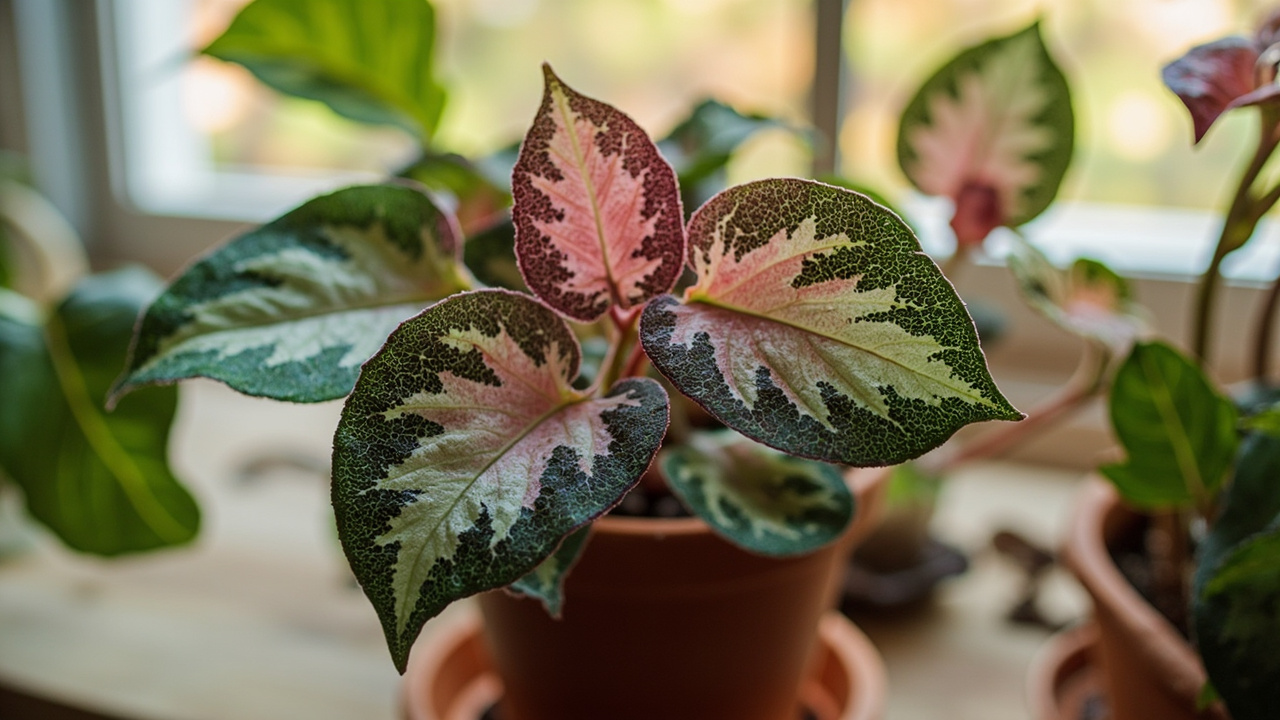
Rex begonias are the ones that stop you mid-scroll. Their leaves look hand-painted in silver, pink, purple, red, and bronze, often on a single plant. They grow from rhizomes (thick horizontal stems) rather than upright stalks, which means the leaves emerge low and spread outward like a rosette.
Care difficulty: Moderate. Rex begonias are more finicky about humidity than most indoor plants. They want 50 to 60 percent relative humidity and will throw a tantrum with crispy leaf edges if the air drops below 40 percent. They also hate cold drafts and temperatures below 60°F (15°C).
Best for: Medium to bright indirect light. An east-facing window or a few feet back from a south window works well. Direct sun bleaches the leaf patterns; too little light and the colors fade to plain green. If you can maintain humidity, a Rex is one of the most visually rewarding begonias you can grow.
The most common mistake is treating a Rex like a typical houseplant and letting the soil dry out completely. They want consistent moisture, not soggy soil and not bone dry. Getting the right soil mix — light, airy, and fast-draining — is half the battle.
Angel Wing Begonias: Upright and Architectural
Angel Wing begonias grow upright on bamboo-like stems that can reach 3 to 5 feet indoors. The leaves are elongated, often spotted or splashed with silver, and shaped like (as the name suggests) angel wings. They are cane-type begonias, which means they grow vertically and branch from the base.
Care difficulty: Easy to moderate. Angel Wings are more forgiving than Rex types. They tolerate average household humidity (40 to 50 percent) better, though they still prefer it higher. The main risk is overwatering — their thick stems store water, so they go longer between drinks than Rex types.
Best for: Bright indirect light. They handle a bit of direct morning sun, which can encourage blooming. In lower light they get leggy fast, so prune them back in spring to keep them bushy. Angel Wings are a good choice if you want a taller, statement plant without the humidity demands of a Rex.
One honest trade-off: Angel Wings are more prone to powdery mildew than other indoor begonias if air circulation is poor. A small fan nearby or occasional pruning to open up the canopy prevents most issues. Check how much light your specific variety needs, since some hybrids tolerate lower light than others.
Cane Begonias: Tall and Tree-Like
Cane begonias are the big brothers of the Angel Wing group. They grow on thick, jointed stems that resemble small bamboo, sometimes reaching 6 to 10 feet indoors over time. The leaves are large, often 4 to 6 inches long, and can be solid green, spotted, or edged in silver.
What sets Cane types apart from Angel Wings is their growth pattern: they get taller and more tree-like, with leaves clustered at the top of each stem. Left unpruned, they look like a small indoor tree. Pruned back by a third each spring, they stay compact and bushy.
Care difficulty: Easy. Cane begonias are the most forgiving of the common indoor types. They tolerate lower humidity, go longer between waterings, and bounce back from neglect better than Rex or Maculata. The trade-off is they are less visually dramatic — solid green Cane types can look almost generic until they bloom.
Best for: Moderate to bright indirect light. They handle lower light than Rex or Maculata, making them a practical choice for rooms with north-facing windows or limited natural light. If you want a low-maintenance begonia that grows tall, Cane types are the safest bet.
Begonia Maculata: The Polka Dot Statement Plant
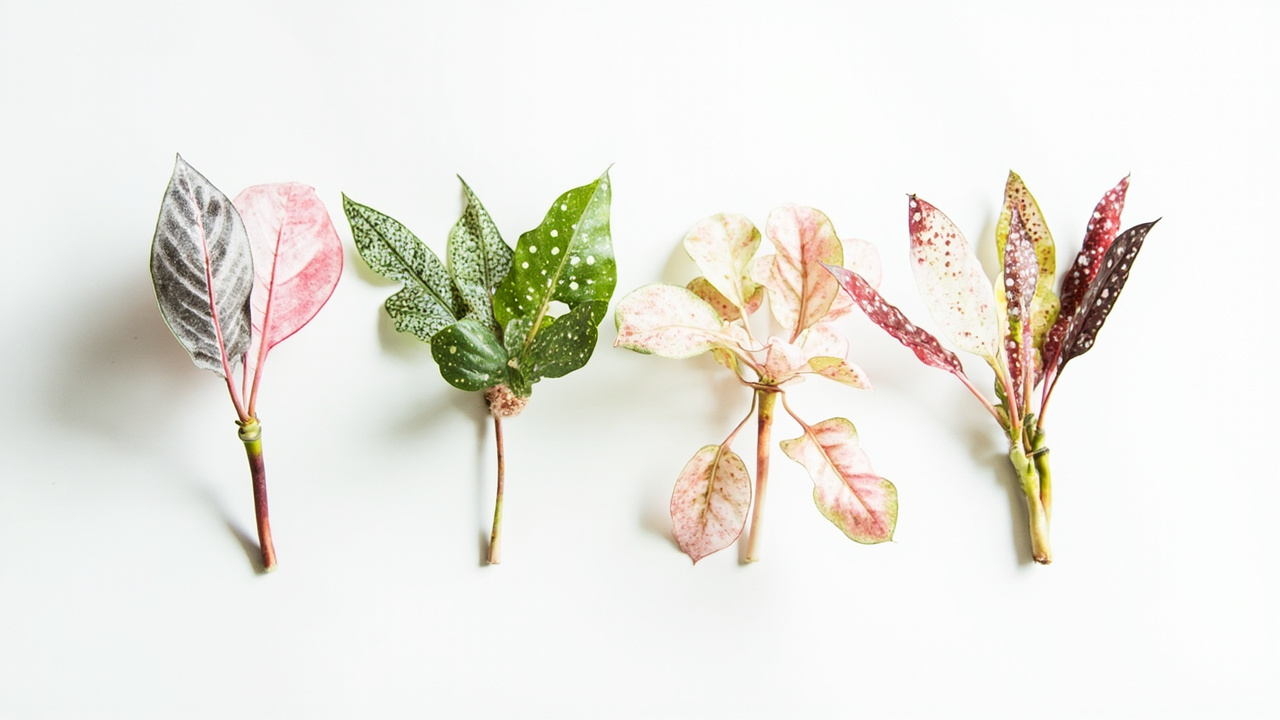
Begonia Maculata, also called Polka Dot Begonia or Begonia Wightii, is the variety that floods plant-social-media feeds. Its leaves are angel-wing-shaped, deep green, and covered in silver-white polka dots that look almost painted on. The undersides of the leaves are a striking pink-red.
Care difficulty: Moderate to high. Maculatas are Angel Wing types, but they are pickier about humidity than most Cane or Angel Wing varieties. They want humidity above 60 percent to keep the leaf edges from browning and the spots from fading. In dry indoor air (below 40 percent), they drop leaves and get leggy within weeks.
Best for: Bright indirect light with high humidity. An east window in a bathroom or kitchen (naturally humid rooms) is ideal. If your home runs dry in winter, you will need a humidifier nearby or a humidity tray. Without it, the Maculata is a frustrating plant to keep looking good.
The most common complaint is legginess — long bare stems with leaves only at the tips. This happens when the plant does not get enough light or when it is overwatered (the stems grow fast and weak). Prune back to two or three nodes in early spring to force bushier growth from the base. For more on keeping humidity levels up, see begonia humidity requirements.
Rhizomatous and Other Indoor Begonias
Rhizomatous begonias are close relatives of Rex types but with larger, thicker leaves and a more spreading growth habit. They are generally easier than Rex — more tolerant of average humidity and less fussy about soil moisture. The Beleaf series (bred by Koppe Begonia) is a good example: compact, colorful, and genuinely easy indoors.
Beleaf and modern hybrids are bred for indoor performance. They keep the painted-leaf look of Rex types but handle lower humidity and less consistent watering better. If you love the Rex aesthetic but have failed with one before, a Beleaf variety is worth trying.
Tuberous begonias are the showy, large-flowered types often sold as outdoor container plants. They can work indoors in cool rooms with bright light, but they need a winter dormancy period where the tubers dry out completely. For most indoor growers, Rex, Angel Wing, or Maculata types are more practical year-round choices. If you want to water correctly for any of these types, start with when to water begonias.
How to Choose the Right Begonia Type for Your Space
Use the table below to match your room conditions and aesthetic goals to the right type. The deciding factors are almost always humidity and light — get those two right and the plant does most of the work itself.
| Type | Light | Humidity | Difficulty | Best Fit |
|---|---|---|---|---|
| Rex | Bright indirect | 50–60%+ | Moderate | Colorful focal point, humid rooms |
| Angel Wing | Bright indirect | 40–50%+ | Easy–Moderate | Tall statement, average rooms |
| Cane | Moderate–Bright | 40%+ | Easy | Low light tolerance, tree-like growth |
| Maculata | Bright indirect | 60%+ | Moderate–High | Instagram-worthy, humid bright rooms |
| Rhizomatous/Beleaf | Bright indirect | 45%+ | Easy–Moderate | Rex look with easier care |
If you are starting out, an Angel Wing or Cane type gives you the most margin for error. If you have a humid bright bathroom and want maximum visual impact, a Maculata or Rex is worth the extra attention. For a complete care routine that applies to all types, see the complete begonia care guide.
Turn PDF Bank Statements Into Workable Spreadsheets
Your bank statement is a mess of numbers, but your books shouldn't be. Use our converter to get Excel, CSV, or QBO files — ready for QuickBooks.
Try It Free Now