Monstera deliciosa is a light-to-moderate feeder that grows steadily in the warm months and slows through winter, so the simplest fertilizing routine is a diluted, balanced fertilizer applied only during active growth. The plant signals when nutrients are running low long before a serious deficiency shows up, and the right schedule plus a sensible dose is more important than the specific brand on the bottle.
Most monstera problems blamed on fertilizer are actually over-fertilizing. Brown leaf tips, a white crust on the soil surface, and slowed growth in the middle of summer are far more often a sign of salt buildup than a sign the plant needs more food. A steady, modest routine that respects the plant’s natural rest period keeps monstera leaves large, fenestrated, and deep green without the salt-stress cycle.
What fertilizer does for a monstera
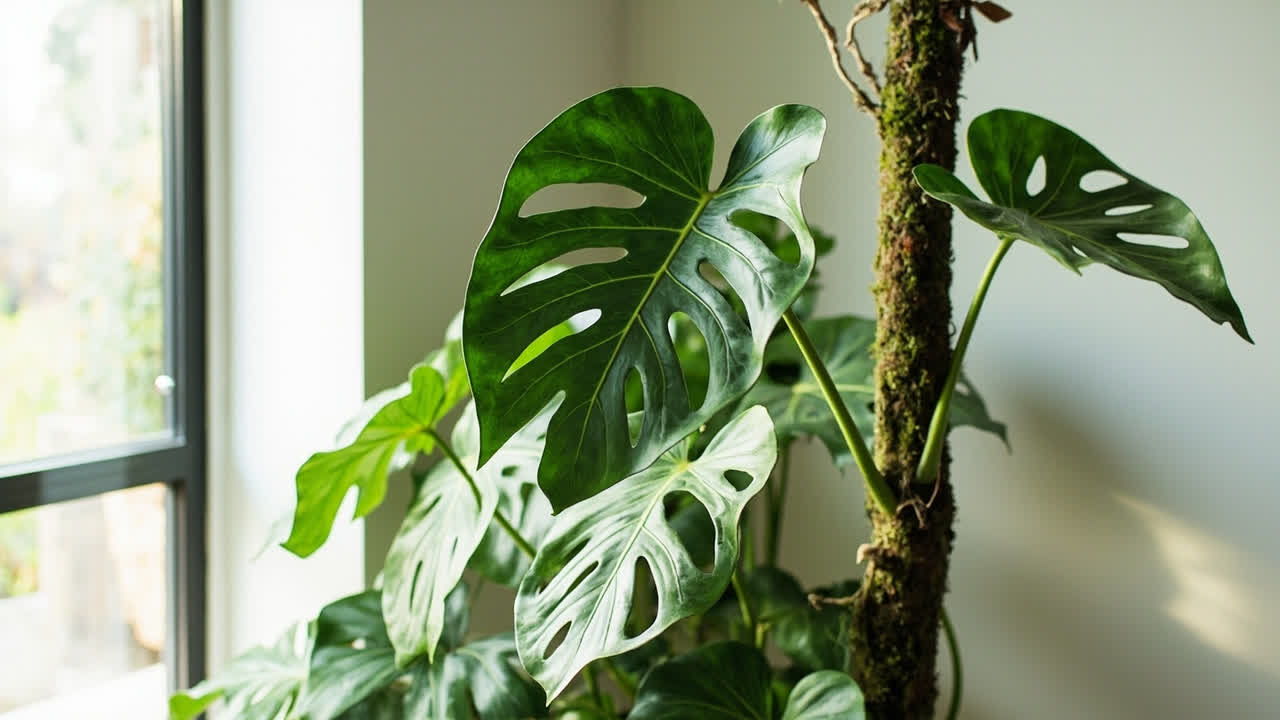
Monstera deliciosa uses nitrogen, phosphorus, and potassium to build new leaves, push out fenestrations, and develop the strong aerial roots that anchor each new stem segment. A regular supply during the growing season is what turns a small starter plant into a full, climbing specimen with the deeply split leaves the species is known for. In a typical potting mix, those nutrients run out within four to six weeks of watering, because the organic matter that came in the bag breaks down and drains away.
Three macronutrients do most of the visible work. Nitrogen drives leaf size and color. Phosphorus supports root growth and the energy transfers that produce new nodes. Potassium regulates water movement and helps the plant recover from stress. The micronutrients, including magnesium, calcium, and iron, matter for steady color and strong cell walls, and most balanced houseplant fertilizers include them in small amounts.
When a monstera runs short, the visible pattern is usually small new leaves, longer internodes, and a general loss of the deep green color. Slow summer growth on an otherwise healthy plant almost always points back to a fertilizer gap, especially if the plant has been in the same pot for more than a year.
Choosing a fertilizer that fits monstera
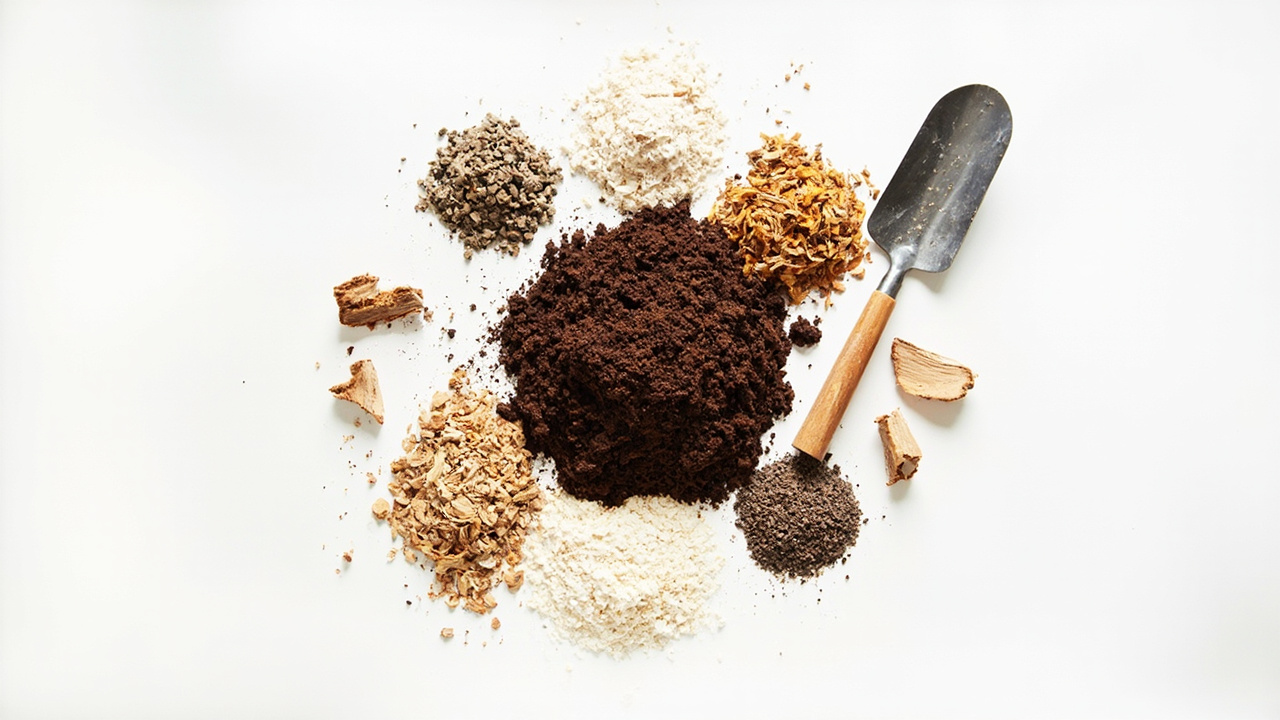
A balanced liquid fertilizer with an N-P-K ratio close to 3-1-2 or 5-5-5 works for almost every monstera, because the species is not a heavy feeder and does not need a bloom-focused formula. Organic options like worm castings, fish emulsion, or a kelp-based liquid give a gentler nutrient release and feed the soil life at the same time, which most monstera prefer over a strong synthetic dose.
Slow-release granular fertilizer is the easiest option for a forgetful waterer. A single application scratched into the top inch of soil in early spring feeds the plant for three to four months. The trade-off is less control over the dose, and a higher risk of salt buildup if the pot is small or the watering schedule is light.
Skip any fertilizer marketed for tomatoes, roses, or bloom-boosting. Phosphorus-heavy formulas are designed for fruiting plants, and the extra phosphorus does not help a foliage houseplant. They also leave salt residue in the pot faster than a balanced feed.
How often to fertilize a monstera through the year
The honest answer is that the calendar matters less than the season. During active growth, which for most indoor monstera runs from early spring through early fall, feed every two to four weeks with a half-strength liquid fertilizer. Outside that window, stop.
A practical schedule looks like this:
- Early spring: Resume feeding as soon as you see a new leaf starting to unfurl. One full half-strength dose is enough to wake the roots up.
- Late spring through summer: Feed every two to three weeks at half strength, or every four weeks at full strength if you are using a gentle organic fertilizer.
- Early fall: One last half-strength dose as the days shorten, then taper.
- Winter: No fertilizer. The plant is not pushing new growth, and any nutrients sitting in the soil will salt up the root zone.
For plants grown under steady grow lights, the schedule can stay constant year-round. A monstera in a warm room under twelve or more hours of light will keep producing new leaves in January, and that growth still needs nutrients. The pause is for the season the plant is responding to, not for the calendar month.
The right way to apply fertilizer
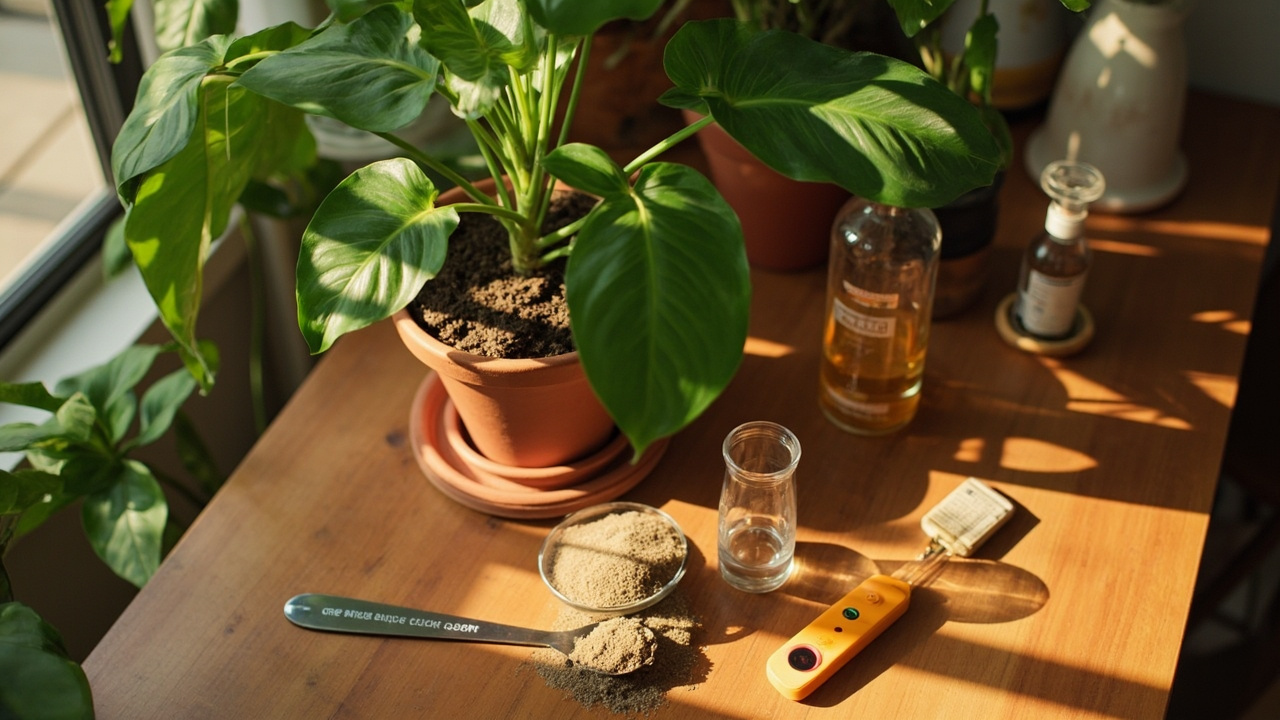
Always water the plant first, then fertilize. Pouring fertilizer onto dry soil pulls moisture out of the roots through osmotic action and burns the fine root hairs at the tips, which is the most common cause of fertilizer damage. A light watering an hour or so before feeding moves the existing salts down and prepares the soil to take in the new dose evenly.
Dilute liquid fertilizer to half the strength on the label. The label is written for outdoor garden soil, and indoor pots have a much smaller reservoir. Half-strength every two weeks outperforms full-strength monthly on almost every monstera, because the smaller, regular dose matches the way the plant actually takes up nutrients.
For slow-release granules, a teaspoon per six-inch pot, scratched into the top inch of soil, is enough. Water normally after application so the nutrients start to release. Do not pile granules against the stem.
Reading the plant for signs of fertilizer trouble
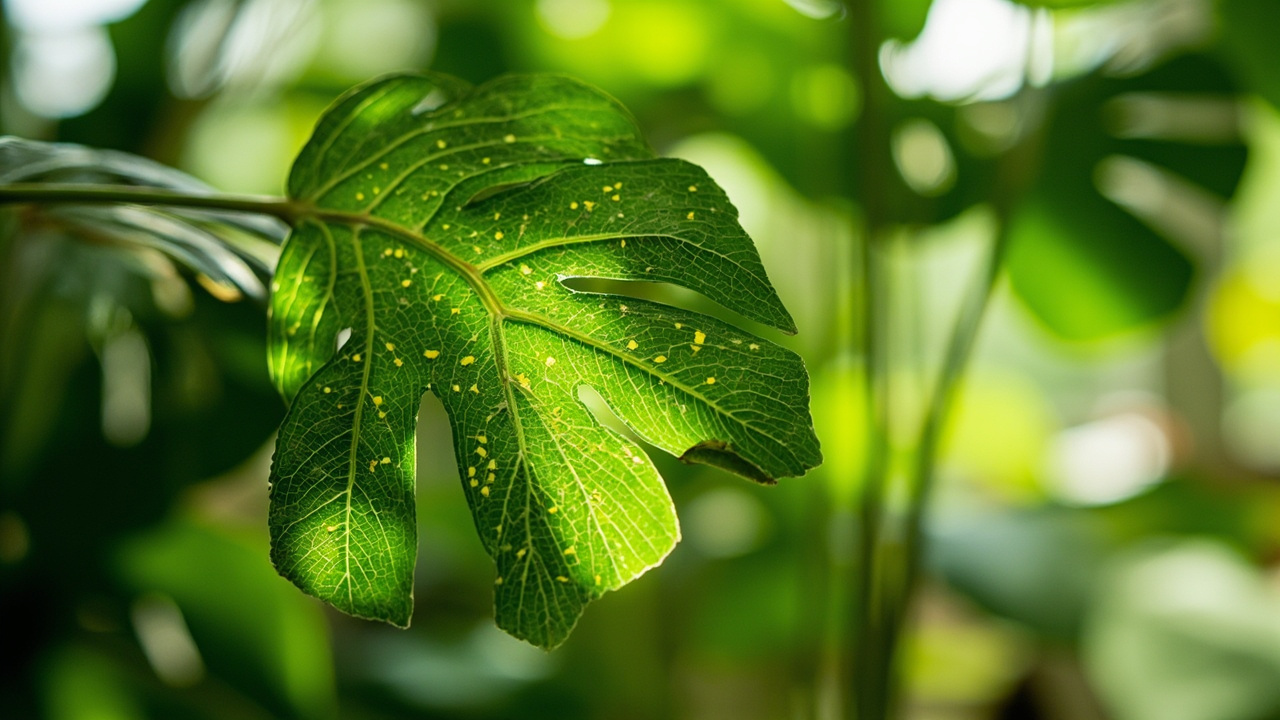
Two visual signals cover most fertilizer problems. Brown, crispy leaf tips and edges, with a yellow halo, usually mean salt buildup from over-fertilizing or from a dry pot that has concentrated salts at the root zone. A white or yellowish crust on the soil surface is the same problem, made visible.
Slow summer growth on a plant that gets enough light and water is the opposite signal. The plant needs more nutrients than it is getting, and a half-strength feed every two weeks will usually push it back into growth within a month.
Yellowing of the oldest leaves at the base, while new growth stays green, often shows up in late winter. That is normal die-off as the plant reabsorbs nitrogen from the oldest leaves, and it does not call for fertilizer. Feed resumes in spring.
Flushing the pot to reset salt levels
Every two to three months, run plain water through the pot for two to three minutes and let it drain fully. This leaches the accumulated salts from synthetic fertilizers out of the root zone, which keeps the long-term fertilizer routine from slowly poisoning the plant. The runoff should be clear, not foamy or visibly discolored.
A full flush is especially helpful if you have been using slow-release granules, if you live in a hard-water area, or if a top dressing of decorative pebbles has been trapping salts at the surface. After a flush, wait a week before the next regular fertilizer dose so the roots can rebalance.
Common monstera fertilizing mistakes
Over-fertilizing is the single most common error. A monstera in a six-inch pot only needs a small amount of nutrients, and doubling the dose does not double the growth. It does burn the roots and lock out water uptake.
Feeding in winter, when the plant is resting, leaves salts sitting in cold soil with no growth to use them. That is when the white crust on the soil surface tends to appear.
Switching fertilizer brands every month is rarely helpful. Pick a balanced formula and stay with it for at least a full growing season. The plant does not need novelty, only consistency.
Treating a freshly repotted monstera like a hungry plant is also a mistake. Fresh potting mix carries nutrients for the first four to six weeks, and fertilizing on top of that is a fast route to leaf burn. Wait until the first new leaf emerges before resuming the regular schedule.
Matching the routine to the rest of the care plan
Fertilizer only works when light, water, and the soil mix are already supporting the plant. A monstera in a dark corner will not grow no matter how much it is fed, and the surplus fertilizer will just sit in the pot and burn the roots. The light requirements page covers the brightness most monsteras need to actually use the nutrients they receive.
A simple moisture check before watering keeps the fertilizer schedule honest, because wet soil holds salts at the root zone. The watering guide explains the dry-down rhythm that pairs with a steady feeding routine, and the monstera care guide ties the whole routine together for new growers.
If the plant is being moved outside for the warm months, the feeding schedule can stay the same. Outdoor light pushes faster growth, and the half-strength dose will be used up rather than sitting in the pot. Bring the plant back inside before nights drop below 60°F (16°C), which is the lower limit the temperature tolerance page covers in detail, and taper fertilizer back to a monthly half-strength dose as light levels fall.
A monstera in steady growth, fed at half strength every two to four weeks, will hold its deep green color, push out fenestrated leaves on a regular schedule, and recover from a missed dose within a month. The whole routine is small, predictable, and forgiving, which is exactly what a long-lived houseplant needs.
Read Also on Aqualogi
Related on the site, broken out by topic:
Start here: Monstera Varieties guide and Monstera Care guide.
For the water, the soil and the feeding: Monstera Watering guide covers how often and how much through the year, and how to read the soil first.
If you want to go further: Monstera Yellow Leaves guide and Monstera Winter Care guide.
From Bank Statement to QuickBooks-Ready File
That manual cleanup you just read about? This tool skips it. Turn your PDF into QBO for QuickBooks without storing your data anywhere.
Start Converting