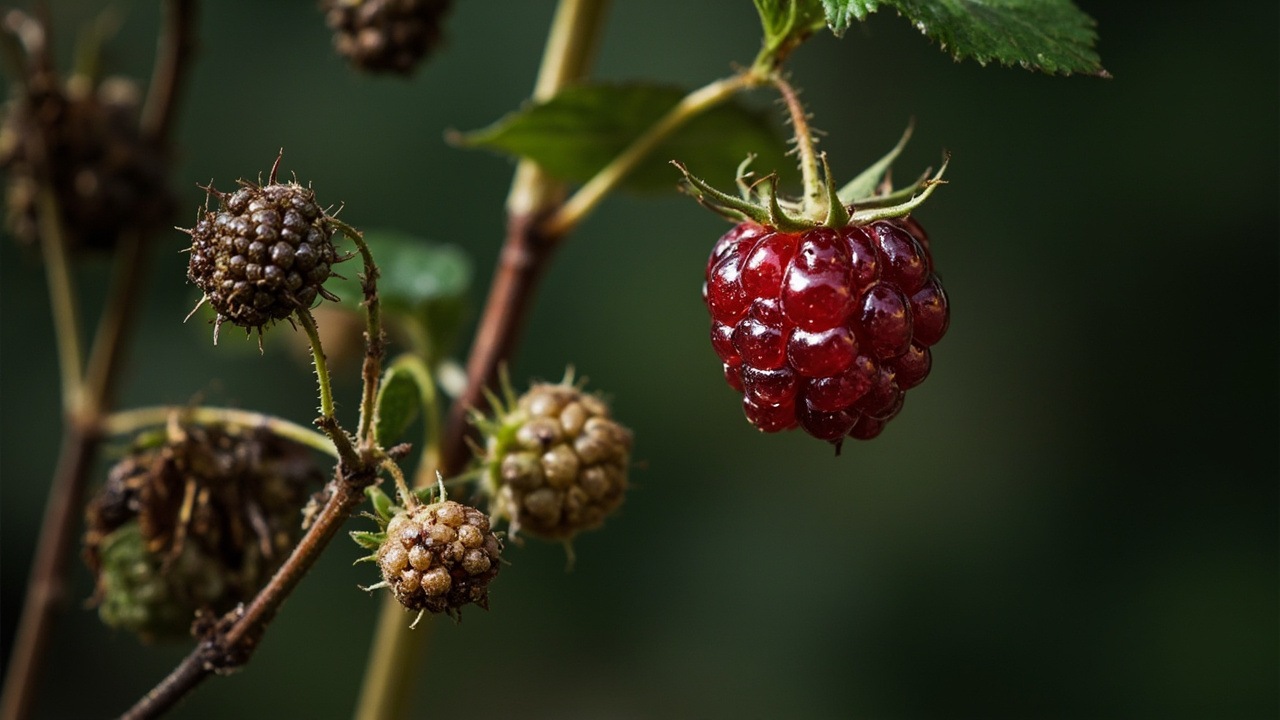

A dying raspberry can often be saved — but only if the crown tissue is still firm and green-white under the bark. Scrape the outer bark at the base of the cane near the soil line. Healthy tissue is pale green and firm. Rotted tissue is dark brown, soft, and may smell sour. If every cane shows brown crown tissue all around, remove the plant. If any section is still green-white, recovery is possible.
The crown test takes 30 seconds and determines everything that follows. A plant with partial crown rot can be saved by cutting away dead tissue and correcting the conditions that caused the decline. A plant with 100% crown rot cannot be saved — remove it immediately. This guide covers diagnosis, surgery, cause correction, and rejuvenation pruning.
Identify which decline pattern matches your plant. Systemic yellowing climbing from lower leaves points to nutrient deficiency or overwatering. Sudden cane collapse suggests cane borers or crown gall. Rapid wilting with dark, soft crown tissue is root rot. The raspberry leaves turning yellow guide covers the first two; this guide focuses on the third and fourth.
The Crown Test — Is Your Raspberry Plant Worth Saving?
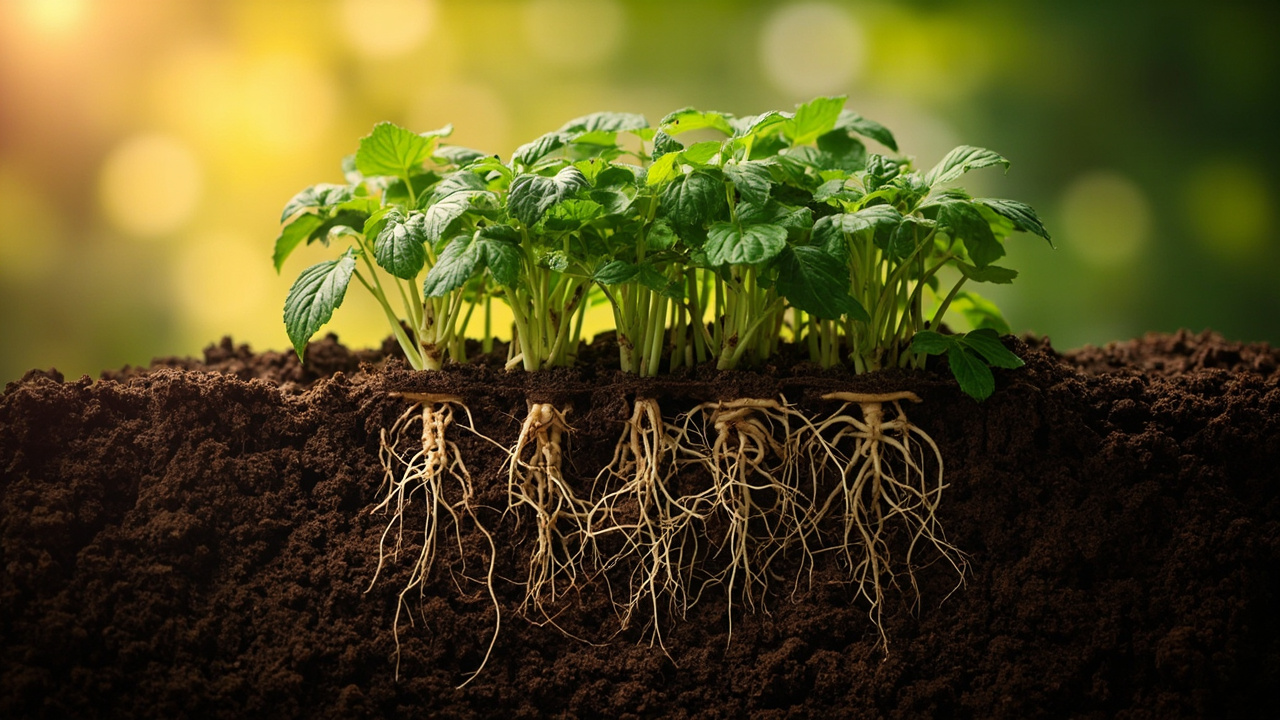
The crown is the woody base where roots meet canes. It is the plant’s single point of failure — if the crown dies, every cane above it dies regardless of how healthy the foliage looks. The crown test reveals whether enough viable tissue remains to support recovery.
Pull back mulch or soil to expose the top two inches of the crown. Scrape the bark at three or four points around the circumference. Healthy tissue is green-white, moist, and firm. Rotting tissue is brown to black, soft, and may smell sour. Record how much of the crown perimeter is healthy versus rotted.
Above 50% healthy tissue, the plant is a strong candidate for recovery. Between 25% and 50%, recovery is possible but the plant needs careful aftercare. Below 25%, the plant is unlikely to survive — remove it and replace with a bare root transplant next dormant season. The raspberry planting guide covers planting technique for replacements.
Raspberries in clay soil or low-lying spots reach the no-return threshold faster because Phytophthora root rot thrives in waterlogged conditions. Container raspberries rarely develop severe crown rot but can decline from nutrient depletion or root binding that mimics rot. Healthy roots are white and fibrous; rotted roots are brown and mushy. Acidic soil with pH 5.5 to 6.5 supports beneficial microbes that compete with root rot pathogens. Spider mites stress weakened plants further — inspect leaf undersides during recovery.
Root Rot Surgery — Saving a Raspberry with Crown Damage
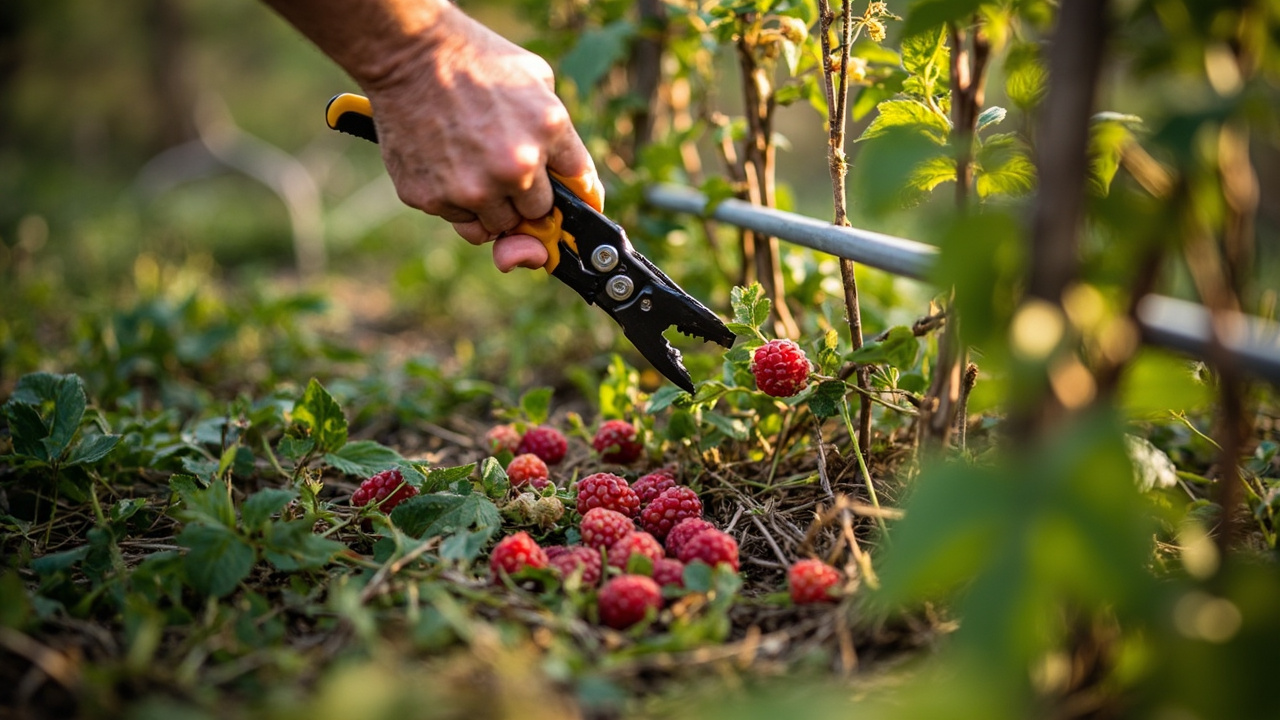
If the crown test shows partial viability, root rot surgery can save the plant. Sterilize a sharp knife with rubbing alcohol or a 10% bleach solution. Cut away all soft, dark tissue from the crown until you reach healthy green-white wood on every cut surface. Do not leave any brown spots — even a small area of remaining rot will continue to spread after the plant is re-covered with soil.
For cane-level damage from cane borers, prune four to six inches below the lowest damage site. If rot has reached the crown, perform crown surgery and remove all canes connected to the rotted section. The plant will resprout from healthy crown tissue if enough viable cambium remains. Dispose of rotted tissue in the trash — spores survive composting and reinfest the patch.
Let cut surfaces air-dry for 24 hours before re-covering. Fresh cuts that contact wet soil immediately are vulnerable to reinfection. Dust the wound with cinnamon powder — a natural antifungal. Do not use commercial wound sealants, which trap moisture and favor fungal growth.
Re-cover the crown with a light, well drained soil mix rather than the original heavy soil. If the plant was in clay soil, transplant it to a raised bed or large container with fresh potting mix while it recovers. Oregon State University Extension recommends two-thirds potting soil and one-third perlite for container recovery because damaged roots need excellent drainage during the first month after surgery.
Water sparingly for the first two weeks — just enough to keep soil barely moist. Damaged roots cannot absorb water efficiently, and overwatering during recovery is the most common reason surgery fails. Expect new primocane emergence within three to four weeks if the crown was healthy enough. The raspberry pruning guide covers new growth management. Spur blight and cane blight can enter through surgical cuts — maintain good air circulation.
Correcting the Underlying Cause — Drainage, Overwatering, and Soil
Surgery without correcting the underlying cause is a temporary fix. The plant will decline again within one or two seasons if the soil conditions that caused the rot remain unchanged. The most common cause of raspberry decline is chronic overwatering combined with poorly drained soil. Fix the drainage before the plant goes back into the ground.
For garden beds, raised beds are the most effective long-term solution. Mound soil into rows 8-10 inches high, planting the crown at the top. This keeps crown roots above the water table and ensures excess rain drains away. Amend clay soil with compost to improve structure, but raised beds are more reliable in chronically wet sites.
For container-grown raspberries, check that the pot is large enough. A mature raspberry plant needs at least a 15-gallon container with multiple drainage holes. Root-bound plants in undersized pots show decline symptoms that mimic root rot because the congested roots cannot access oxygen. Repot into a larger container with fresh potting mix if the roots circle tightly around the inside of the current pot. Root suckers that emerge from the drainage holes indicate the plant is severely root-bound.
Established raspberries need one inch of water per week. In well drained soil, one deep watering beats frequent shallow watering. Container plants in hot climates may need water every three days, but check soil moisture at the crown first. The raspberry varieties guide notes drought tolerance by variety. Everbearing types need consistent moisture through late summer fruiting.
Rejuvenation Pruning — Rebuilding a Damaged Raspberry Patch
Once the plant shows healthy new primocane growth — usually four to six weeks after surgery or drainage correction — it is time for rejuvenation pruning. This step directs the plant’s energy into the strongest new canes and removes the damaged structure that is draining resources. Rejuvenation pruning sacrifices the current season’s harvest on floricanes to rebuild the plant for future years.
Remove all spent floricanes and any cane that shows lingering damage, discoloration, or weak growth. Leave the three to strongest primocanes per crown, spaced evenly around the plant. Cut these remaining canes back to 48-54 inches tall to encourage lateral branching, which increases the number of fruiting sites for the following season. The raspberry pruning guide explains the difference between primocane and floricane pruning in detail.
Apply a two-inch layer of compost around the base after pruning. This supplies slow-release nitrogen without the burn risk of synthetic fertilizer on damaged roots. Top with straw mulch to retain moisture and suppress weeds. Avoid high-nitrogen lawn fertilizers near recovering raspberries. Aphids are attracted to soft new growth — inspect primocane tips weekly during recovery.
Monitor the recovering plant weekly for the first two months. Signs of successful recovery include new primocane emergence from the crown, green-white tissue at the cane bases, and lateral branches developing on remaining canes. Signs of continued decline include new wilting, spreading crown discoloration, or no new growth after six weeks. If the plant continues to decline despite surgery and drainage correction, remove it and replace with a disease-resistant variety on raised beds. Self fertile varieties recover more predictably because they do not depend on pollination for energy-intensive fruit production during the recovery phase.
When to Remove and Start Over
Not every dying raspberry plant can be saved, and continuing to nurse a lost cause wastes space and risks infecting neighboring plants. Remove the plant if the crown test shows less than 25% healthy tissue, if new rot appears at the surgical site after two weeks, or if no new primocane growth emerges within six weeks of treatment. These are the three hard signals that recovery has failed.
When removing a failed plant, dig out the entire root system and surrounding soil. Phytophthora spores persist for years, so do not replant raspberries in the same spot. Tomatoes, peppers, and potatoes are also susceptible — plant beans or leafy greens for at least two seasons before replanting raspberries there. Bird netting attracts birds that feed on overwintering pest larvae.
Choose a resistant variety and a better-drained site or raised bed for replanting. Heritage, Latham, and Nova show moderate resistance compared to Tulameen. Bare root transplants establish faster because roots contact soil immediately. Thornless varieties are easier during establishment — trellis work is faster without snagging. Chill hours affect variety selection — match variety to climate. Each drupelet develops from a pollinated flower; sunscald on exposed young canes reduces fruit set during establishment.
Turn any PDF statement into a clean sheet
Skip the typos and the hours of copying. Our converter handles any bank statement format and outputs Excel, CSV, or QBO for QuickBooks. No file retention, free to try.
Convert your statement