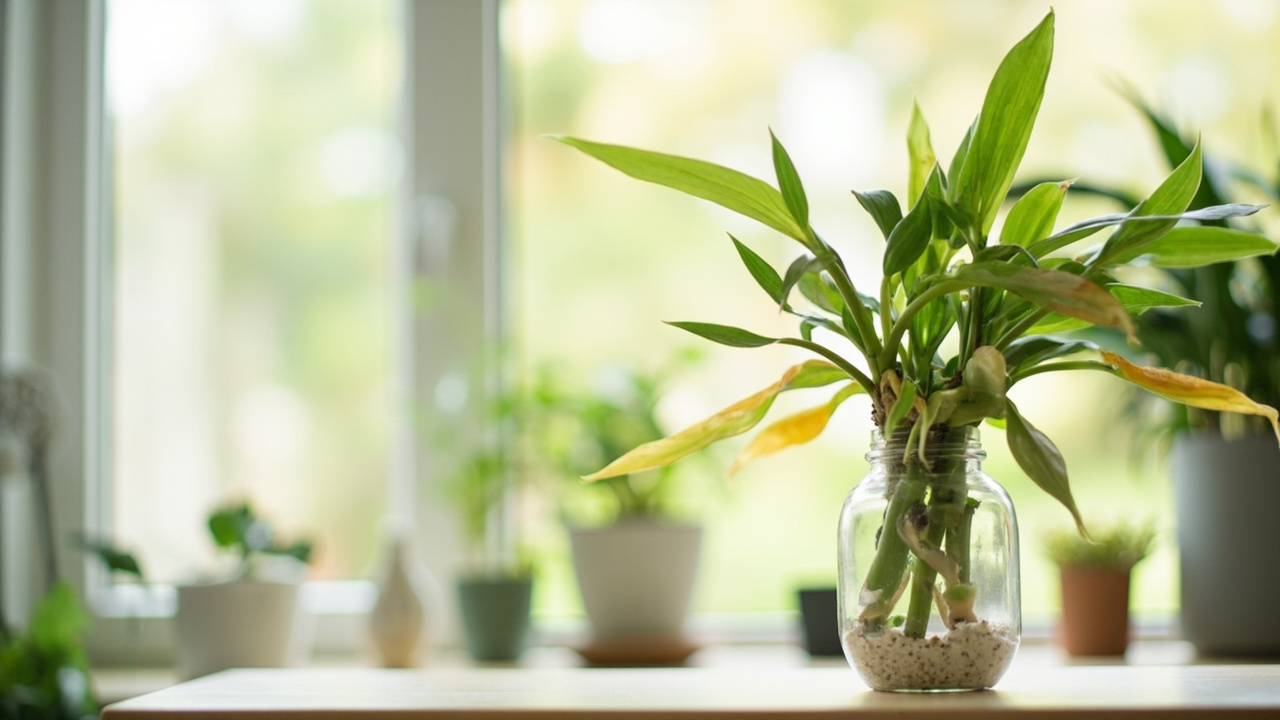
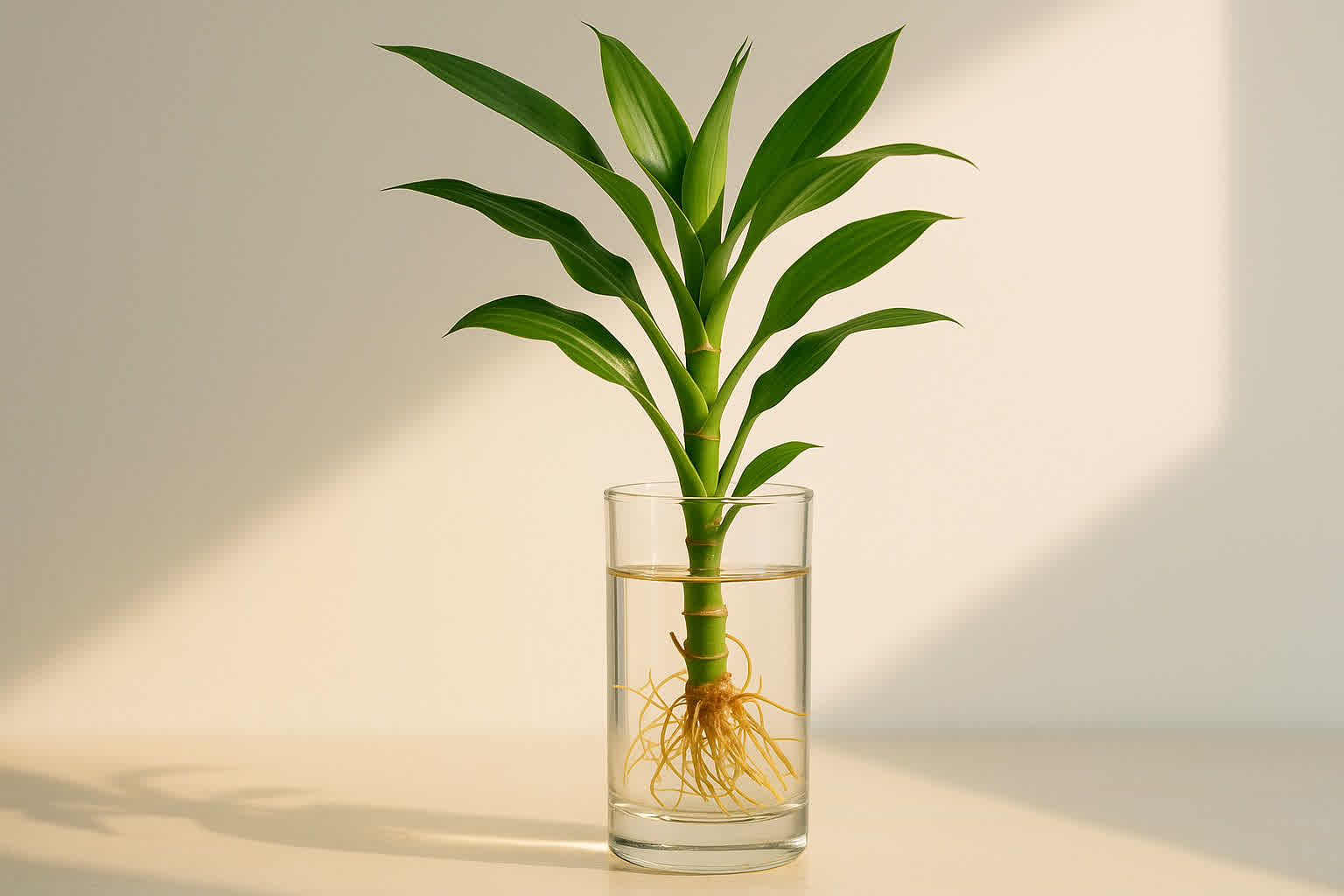
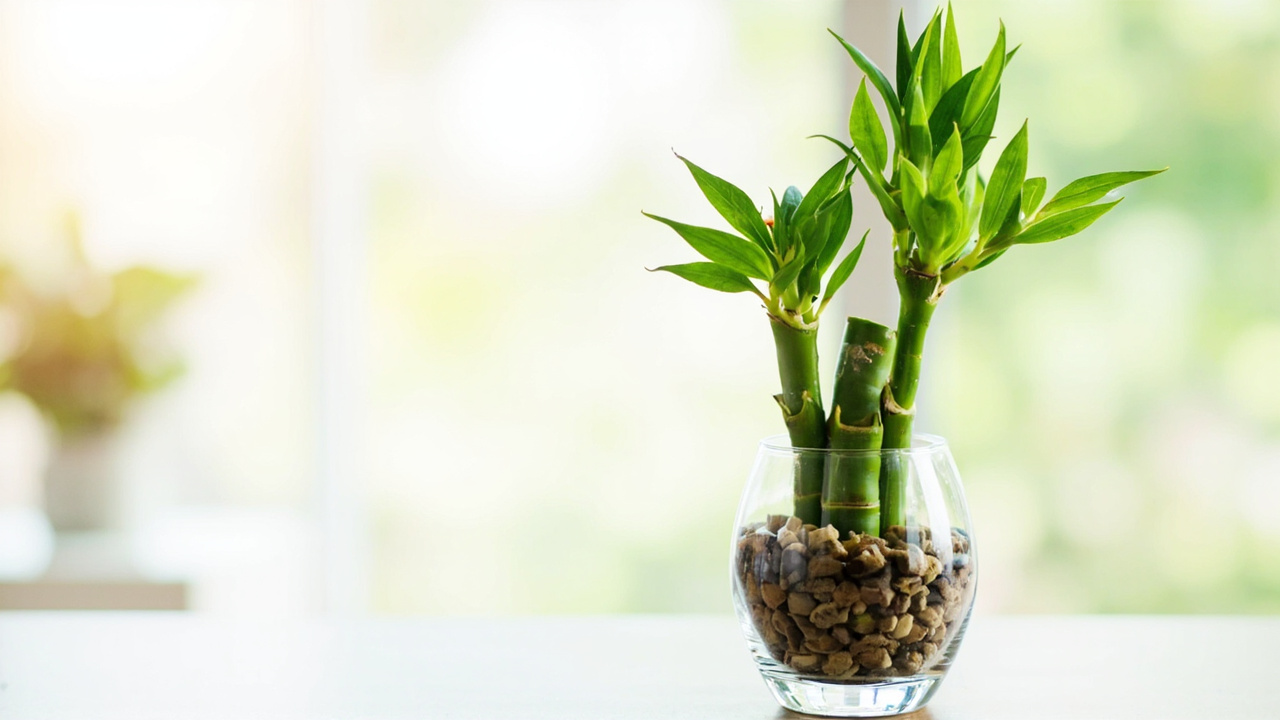
If you notice your lucky bamboo leaves drooping can be attributed to several factors, including incorrect watering practices, inadequate light exposure, improper soil conditions, environmental factors, and nutritional deficiencies.
Lucky bamboo, scientifically known as Dracaena Sanderiana, is a popular indoor plant that is believed to bring good luck and positive energy according to feng shui principles.
With its elegant bamboo stalk and vibrant green leaves, lucky bamboo adds a touch of natural beauty to any space.
In this comprehensive guide, we will explore the top causes of drooping leaves in lucky bamboo plants and provide you with valuable tips to revive your beloved plant.
Quick Guide
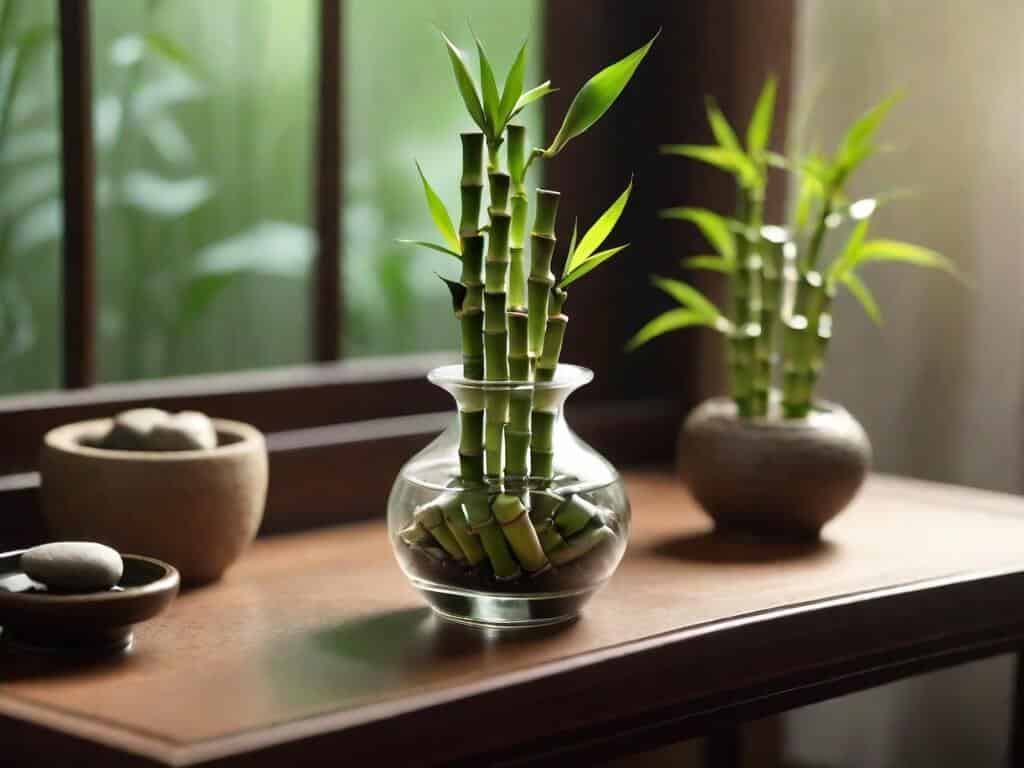
How to save lucky bamboo leaves from drooping:
- Proper Watering: Improper watering is a common cause of drooping leaves. Use distilled or filtered water to avoid harmful chemicals. Maintain soil moisture by watering every 7-10 days, ensuring the soil is slightly moist but not waterlogged.
- Adequate Lighting: Lucky bamboo thrives in bright indirect light. Place your plant near a window with bright indirect sunlight or use artificial grow lights positioned 12-18 inches above the plant.
- Temperature Control: Avoid exposing lucky bamboo to extreme temperatures. Keep it away from drafty areas and maintain a temperature range of 65-90°F (18-32°C).
- Nutritional Balance: Provide proper nutrition with a balanced liquid fertilizer formulated for lucky bamboo. Follow the instructions on the packaging and apply during the active growing season.
- Address Root Bound Issues: If your lucky bamboo is root bound, repot it into a larger container with fresh, well-draining soil. Trim any excessively long or damaged roots.
Reviving Drooping Leaves
To revive drooping lucky bamboo leaves, adjust your watering routine, move the plant to a better location with adequate lighting, balance temperature and humidity, and provide proper fertilization.
Preventing Future Drooping
To prevent future drooping, regularly inspect for pests, keep leaves clean, monitor soil moisture, and repot every 1-2 years.
Understanding Lucky Bamboo
Let’s take a moment to understand the nature of lucky bamboo species. Contrary to its name, lucky bamboo is not actually bamboo but belongs to the Dracaena family.
It is a resilient plant that thrives in low light conditions and requires minimal care.
Lucky bamboo is native to the tropical rainforests of West Africa and is often associated with the principles of feng shui, symbolizing luck, prosperity, and positive energy.
Causes of Drooping Lucky Bamboo Leaves
1. Improper Watering
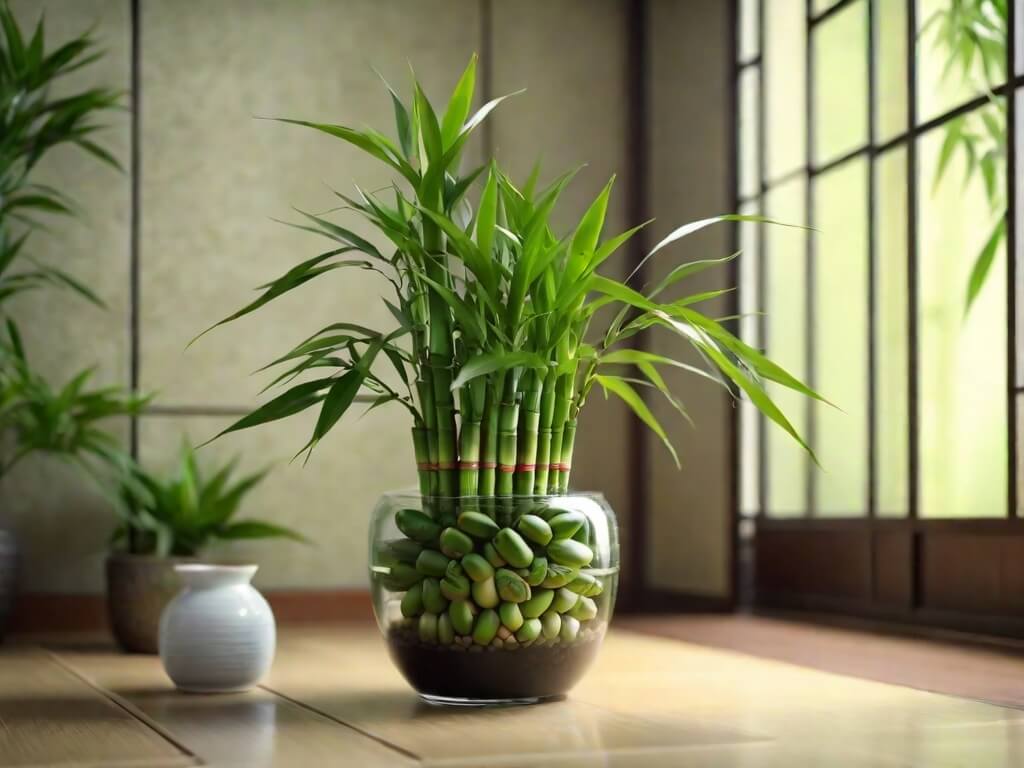
One of the most common causes of drooping leaves in lucky bamboo is improper watering. While lucky bamboo prefers soil moist, overwatering can lead to root rot and subsequent leaf drooping. On the other hand, underwatering can cause the leaves to dry out and wilt.
To ensure proper watering, follow these tips:
- Use distilled water or filtered water: Tap water often contains chemicals like chlorine and fluoride, which can be harmful to lucky bamboo. Using distilled or filtered water ensures that your plant receives clean and pure water.
- Maintain soil moisture: Lucky bamboo prefers slightly moist soil. Check the moisture level by inserting your finger about an inch into the soil. If it feels dry, it’s time to water your plant. Avoid letting the soil become waterlogged or completely dry out.
- Watering frequency: Water your lucky bamboo every 7-10 days, depending on the humidity levels in your environment. Adjust the frequency based on the moisture level of the soil.
2. Inadequate Lighting
Lucky bamboo thrives in bright indirect light. Insufficient lighting can cause the leaves to droop and lose their vibrant green color. On the other hand, exposing your plant to direct sunlight can scorch the leaves and lead to leaf discoloration.
Here’s how you can provide adequate lighting for your lucky bamboo:
- Place your plant near a window that receives bright indirect sunlight. Avoid placing it in direct sun, especially during the peak hours of the day.
- If your space lacks natural light, you can use artificial grow lights specifically designed for indoor plants. Position direct light about 12-18 inches above the plant to mimic natural sunlight.
Look more: Care For Lucky Bamboo Brown Tips
3. Extreme Temperatures
Lucky bamboo is sensitive to extreme temperatures, both hot and cold. Exposure to excessively high or low temperatures can cause stress to the plant, resulting in drooping leaves.
To protect your lucky bamboo from extreme temperatures:
- Keep your plant away from drafty areas, such as open windows, air vents, or doors. Sudden temperature changes can shock the plant and lead to leaf drooping.
- Avoid placing your lucky bamboo near heating or cooling sources, such as radiators or air conditioning units. Maintain a temperature range of 65-90°F (18-32°C) for optimal growth.
4. Poor Nutrition
Like any other plant, lucky bamboo requires proper nutrition to thrive. Inadequate nutrients can weaken the plant, leading to drooping leaves and overall poor health.
To provide your lucky bamboo with the necessary nutrients:
- Use a balanced liquid fertilizer specifically formulated for lucky bamboo or houseplant. Follow the instructions on the fertilizer packaging for the correct dosage and frequency.
- Apply the fertilizer during the plant’s active growing season, typically from spring to early fall. Reduce or stop fertilization during the plant’s dormant period in winter.
5. Root Bound
Over time, lucky bamboo plants can become root bound, meaning their roots outgrow the container they are planted in. When the roots become crowded, they can restrict the plant’s ability to absorb water and nutrients, leading to drooping leaves.
To address root bound issues:
- Repot your lucky bamboo into a larger container with fresh soil, well draining soil. Choose a pot that is 1-2 inches larger in diameter than the current one.
- Gently loosen the roots before transferring the plant to the new pot. Trim any excessively long or damaged roots.
- Fill the new pot with a well draining potting mix, such as a mixture of peat moss, perlite, and vermiculite. Ensure that the soil is evenly moist but not waterlogged.
How to Revive Lucky Bamboo Leaves From Drooping
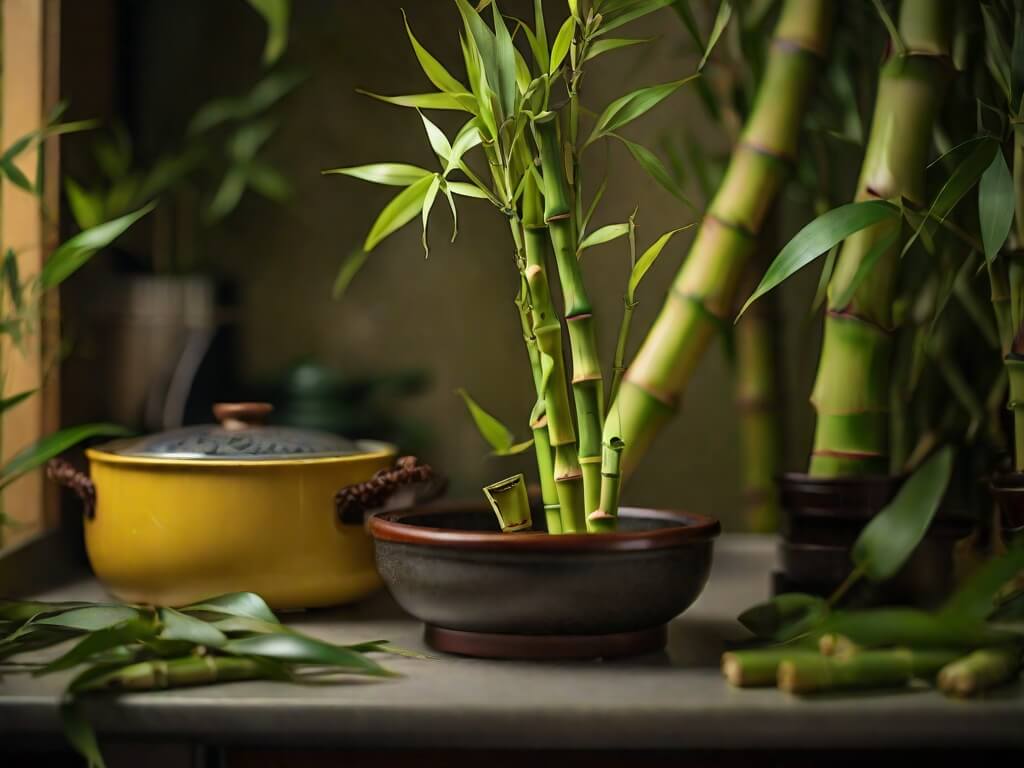
Now that we have identified the causes of drooping leaves, let’s explore how you can revive your lucky bamboo plant and restore its vitality.
1. Adjusting Your Watering Routine
If your lucky bamboo leaves are drooping due to improper watering, follow these steps to revive your plant:
- Check the moisture level of the soil by inserting your finger into the soil. If it feels dry, it’s time to water your plant.
- Use distilled water or filtered water at room temperature to avoid shocking the plant with cold or chlorinated water.
- Water your lucky bamboo until the soil is evenly moist but not waterlogged. Allow any excess water to drain out from the bottom of the pot.
- Adjust your watering frequency based on the moisture level of the soil. Aim to water your plant every 7-10 days, or when the top inch of soil feels slightly dry.
2. Moving to a Better Location
If inadequate lighting is causing your lucky bamboo leaves to droop, consider relocating your plant to a spot with better lighting conditions:
- Place your lucky bamboo near a window that receives bright indirect light. North or east facing windows are ideal, as they provide gentle morning or afternoon sunlight.
- If natural light is limited, supplement it with artificial grow lights. Choose full spectrum LED lights and position them about 12-18 inches above the plant.
- Avoid placing your lucky bamboo in direct sunlight, as it can scorch the leaves. Monitor the plant’s response to the new location and adjust accordingly.
3. Balancing Temperature and Humidity
Maintaining optimal temperature and humidity levels is crucial for the health of your lucky bamboo:
- Keep your plant in a room with a temperature range of 65-90°F (18-32°C). Avoid exposing it to extreme temperatures or drafts.
- Maintain a humidity level of around 40-60% for optimal growth. You can increase humidity by placing a tray filled with water near the plant or using a humidifier.
- Mist the leaves of your lucky bamboo occasionally to provide a boost of moisture. Avoid misting excessively, as it can lead to fungal growth.
4. Providing Proper Fertilization
If your lucky bamboo is suffering from poor nutrition, fertilization can help revive its drooping leaves:
- Choose a balanced liquid fertilizer specifically formulated for lucky bamboo or houseplants. Look for a fertilizer with an NPK ratio of 10-10-10 or 20-20-20.
- Dilute the fertilizer according to the instructions on the packaging. Overfertilization can cause leaf burn and further damage to the plant.
- Apply the fertilizer during the active growing season, typically from spring to early fall. Reduce or stop fertilization during the plant’s dormant period in winter.
Preventing Future Drooping
To prevent future drooping and maintain the health of your lucky bamboo, follow these maintenance tips:
- Regularly inspect your plant for signs of pests, such as spider mites or mealybugs. If you notice any pests, treat them promptly with an appropriate insecticidal soap or neem oil.
- Keep the leaves of your lucky bamboo clean by gently wiping them with a damp cloth. This helps remove dust and allows the leaves to photosynthesize effectively.
- Monitor the soil moisture regularly and adjust your watering routine accordingly. Remember, it’s better to slightly underwater than overwater your lucky bamboo.
- Repot your lucky bamboo every 1-2 years to prevent root bound issues. Choose a pot that provides ample space for the roots to grow and use fresh, well-draining soil.
Lucky Bamboo Leaves Drooping
Lucky bamboo is a beautiful and resilient plant that can bring a touch of nature and positive energy to any space.
By understanding the causes of why your lucky bamboo leaves drooping and implementing the tips provided in this guide, you can revive your lucky bamboo and ensure its continued growth and vitality.
Remember to provide proper watering, adequate lighting, and balanced nutrition to keep your lucky bamboo thriving. With a little care and attention, your lucky bamboo will reward you with its vibrant green leaves and bring good luck into your life.
Remember, lucky bamboo is not just a plant; it’s a symbol of positivity and prosperity. Treat it with care, and it will bring you years of joy and good fortune.
FAQ: Lucky Bamboo Leaves Drooping
1. Why are the leaves of my lucky bamboo turning yellow?
If you notice yellowing leaf on your lucky bamboo, it could be a sign of various issues. One common cause is overwatering, which can lead to root rot and yellow leaves. Insufficient light or exposure to direct sunlight can also result in yellowing leaves. Ensure you provide your lucky bamboo with the right amount of water and place it in an area with indirect sunlight to prevent yellow leaf discoloration.
2. What should I do if my lucky bamboo leaves are drooping?
Drooping leaves in lucky bamboo can indicate a problem with its culms or stems. The most probable cause is overwatering, causing the roots to become waterlogged and resulting in drooping leaves. To rectify this, reduce the amount of water you provide and allow the soil to dry out between waterings. Ensure proper drainage and consider repotting your lucky bamboo if necessary.
3. Why are the leaves of my lucky bamboo turning brown?
Brown leaves on lucky bamboo can be a sign of multiple issues. Overfertilization or exposure to chemicals can cause leaf burn and browning. Another possible cause is inadequate humidity levels, especially in dry indoor environments. Check your watering and fertilization practices, avoid exposing your lucky bamboo to chemicals, and consider using a humidifier or misting the leaves to maintain proper humidity levels.
4. How can I prevent my lucky bamboo leaves from drooping and turning brown?
To prevent drooping and browning of lucky bamboo leaves, you need to ensure proper care and maintenance. Here are some tips:
- Water your lucky bamboo sparingly, allowing the soil to dry out between waterings.
- Place your plant in an area with indirect sunlight to avoid leaf discoloration.
- Avoid overfertilization and exposure to chemicals that may harm the leaves.
- Maintain adequate humidity levels by using a humidifier or misting the leaves regularly.
From PDF to Excel in one click
Forget retyping line by line. Upload any bank statement, get a spreadsheet you can actually use. Your files are never stored, and you can test the converter with 3 free conversions.