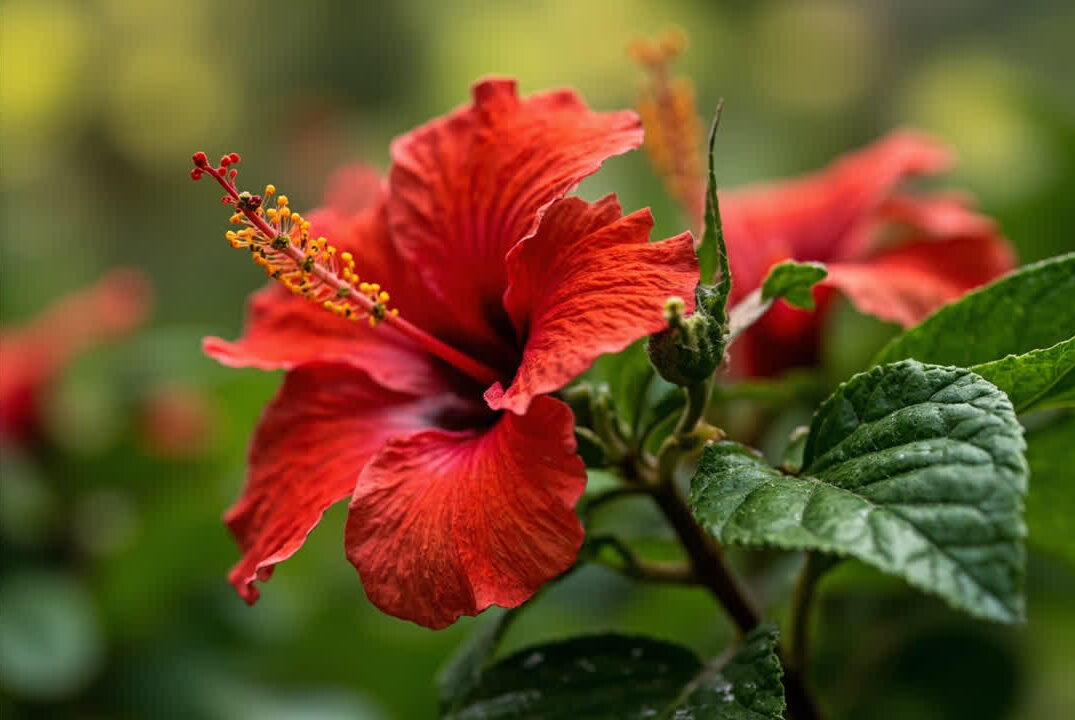
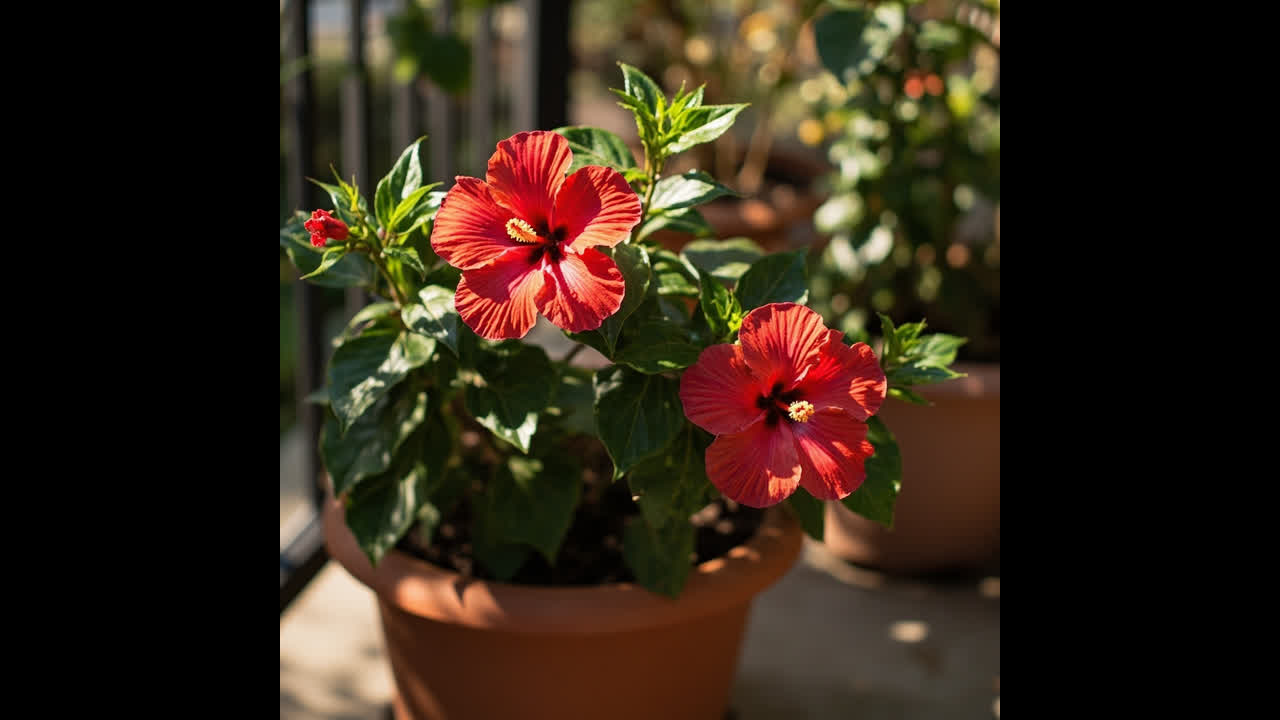
The relationship between hibiscus and temperature is one of the most critical factors in determining whether the plant thrives, barely survives, or dies. Unlike watering or fertilizing — where the consequences of getting it wrong are gradual — temperature damage can happen rapidly, irreversibly, and without obvious warning. Understanding the specific temperature thresholds that matter for hibiscus lets you make decisions that protect the plant rather than accidentally harming it.
Hibiscus Temperature Ranges: The Critical Numbers
Tropical hibiscus (Hibiscus rosa-sinensis) is not frost tolerant. This is the single most important temperature fact. Even a brief exposure to freezing temperatures causes cell damage in the plant’s tissue that cannot be reversed. The longer the freeze, the more severe the damage.
The specific temperature thresholds are:
- Above 85°F (29°C): Hibiscus handles this well if humidity is adequate and soil moisture is consistent. Very high temperatures without enough water cause heat stress — the plant wilts even though the soil is moist, because it is losing water through transpiration faster than the roots can supply it.
- 60–85°F (15–29°C): The ideal growing range. Within this band, hibiscus grows vigorously, produces flower buds continuously, and is most resistant to pests and other stresses.
- 50–60°F (10–15°C): Hibiscus begins to stress. Below 55°F, flower buds may abort and drop without opening. Growth slows noticeably. The plant conserves energy and diverts resources away from new leaf production.
- 40–50°F (4–10°C): Significant stress. Extended exposure at these temperatures causes leaf drop and lasting damage to new growth. Bring indoor/outdoor plants inside if night temperatures will drop below 50°F.
- Below 40°F (4°C): Damage accelerates. Sustained cold causes permanent damage to stems and roots. Tropical hibiscus in this temperature range for more than a few days will likely die unless very well protected.
- 32°F (0°C) and below: Freezing. Even light frost kills new growth and damages stems. A hard frost kills the plant to the ground — it may resprout from roots if the roots were protected from freezing, but the top growth is lost.
Heat Stress in Hibiscus
While cold gets more attention, heat stress is a real problem for hibiscus in hot climates and exposed positions. A hibiscus on a sunny patio in a tropical summer can experience leaf surface temperatures well above air temperature when sunlight is direct — especially in dark-coloured containers.
Signs of heat stress:
- Wilted leaves in afternoon despite moist soil — this is photoinhibition (the plant’s response to excessive light/heat), not drought. The plant recovers by evening as temperatures drop. This is normal in very hot weather and does not indicate a watering problem.
- Brown scald marks on leaves — caused by direct sun on leaves that are hotter than the air temperature. These appear as bleached, pale brown patches on the most exposed leaves.
- Bud drop — extreme heat causes flower buds to abort. If temperatures consistently exceed 95°F (35°C), bud drop may be significant.
- Stopped growth — the plant pauses growth when temperatures exceed its optimal range. This is not fatal but extends the time to maturity and reduces blooming.
Managing heat: move container plants to afternoon shade during the hottest months. Use light-coloured containers rather than dark ones, as dark containers absorb and conduct more heat to the root zone. Mulch the surface of in-ground soil to reduce soil temperature. Increase watering frequency — in extreme heat, container hibiscus may need water twice a day.
Cold Damage: Symptoms and Recovery
Cold damage in hibiscus is more severe and harder to reverse than heat stress. The most common causes:
- Leaving a container hibiscus outdoors too late in autumn — night temperatures drop before you bring it in
- Placing a hibiscus near a cold window in winter — glass creates a cold microclimate even when the room is warm
- Air conditioning drafts directly on the plant in summer
- Cold snaps in spring after the plant has been moved outside
Symptoms of cold damage appear 24–48 hours after exposure and include:
- Rapid leaf drop — often all at once, leaves that were green the previous day fall within hours of a cold event
- Blackened or water-soaked stems — if the stems freeze, the damaged tissue turns black, soft, and wet. This is irreversible in the affected stems.
- Wilting despite moist soil — root function slows dramatically in cold soil, so the plant loses turgidity even though water is available.
- Bud drop — exposure to temperatures below 50°F causes buds to abort and fall.
If cold damage has occurred, here is what to do:
- Move the plant to a warm position (65–75°F / 18–24°C) immediately — not hot, just consistently warm.
- Do not water with cold water — use room temperature water. Cold water exacerbates the stress.
- Remove obviously damaged stems — cut back to green tissue using clean, sharp secateurs.
- Do not fertilize while the plant is stressed — root activity is reduced and nutrients cannot be absorbed.
- Do not overwater — the damaged root system uses less water. Let the top 2–3 cm of soil dry between waterings.
- Wait. Recovery from cold damage takes 3–6 weeks. Do not conclude the plant is dead until you have waited at least a month in warm conditions.
If all stems have turned black and the roots are also damaged (check by gently sliding the plant from its pot — healthy roots are white and firm, damaged roots are brown and mushy), the plant may not recover. However, if the roots are alive, new growth may emerge from the base within several weeks.
Frost Protection for Outdoor Hibiscus
If your hibiscus is in the ground and frost is forecast, frost cloth or a breathable row cover draped over the plant provides 3–5°F of temperature protection. This is enough to prevent light frost damage but not a hard freeze.
For container hibiscus in marginal climates (where frost is occasional but not sustained), moving containers against a wall or under a covered patio provides meaningful protection from radiative frost — the plant stays warmer than exposed positions because the wall radiates retained heat.
For in-ground tropical hibiscus in zones 9 and below, the only reliable frost protection is a structural cover (cold frame, greenhouse, or similar) with a heat source for severe events.
For information on hardy hibiscus varieties that tolerate colder climates, see our hibiscus varieties guide. For bringing tropical hibiscus inside for winter, see our winter care guide.
For diagnosing symptoms that might be temperature-related, see our leaf drop guide or saving a struggling hibiscus.
Turn any PDF statement into a clean sheet
Skip the typos and the hours of copying. Our converter handles any bank statement format and outputs Excel, CSV, or QBO for QuickBooks. No file retention, free to try.
Convert your statement