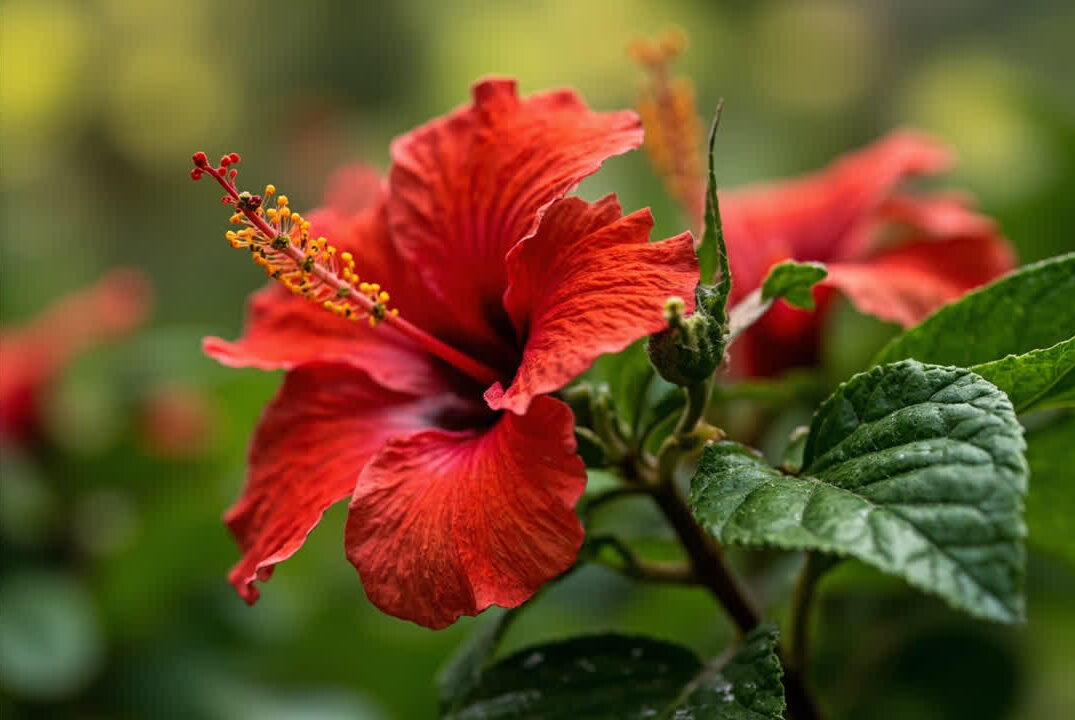
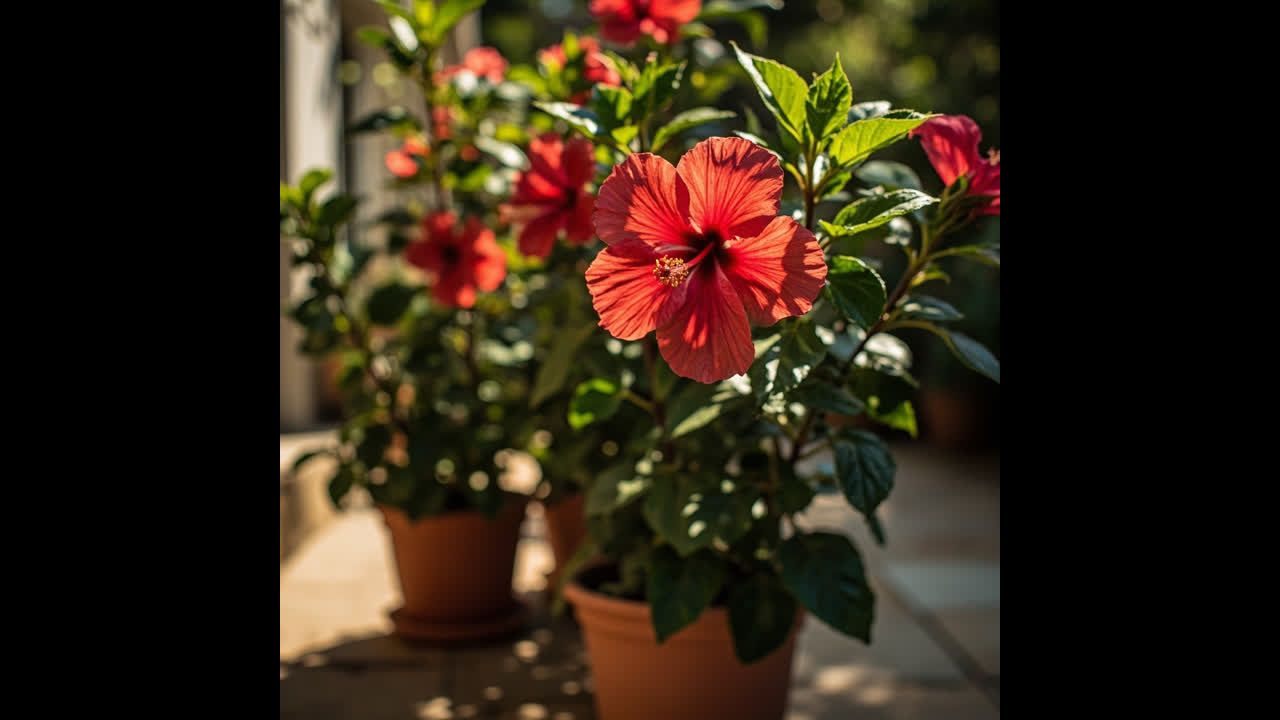
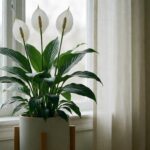
Hibiscus on its own in a container is a statement plant. Hibiscus surrounded by the right companion plants becomes part of a composition — one that looks more intentional, supports the hibiscus’s growing conditions, and extends the visual season of the garden. Choosing companion plants for hibiscus is not just about aesthetics; it is about matching cultural needs so every plant in the composition thrives together rather than competing.
What Makes a Good Hibiscus Companion Plant
The ideal companion plant for hibiscus shares the same basic growing requirements: full sun to partial shade, consistent moisture (not waterlogged), and tolerance of the same warm temperature range. Plants that need full shade, or that prefer dry soil, or that struggle in temperatures above 85°F (29°C) will conflict with hibiscus and one of them will suffer.
Beyond cultural fit, consider visual balance. Hibiscus is bold and tropical — large glossy leaves, vivid flowers, substantial form. Companions that provide textural contrast (fine foliage next to broad leaves) or colour contrast (cool blues or purples against warm red or orange hibiscus blooms) create more interesting compositions than planting hibiscus next to other plants with similar flower shapes and colours.
Flowering Companions
Plumbago
Plumbago auriculata (cape plumbago) shares hibiscus’s tropical nature and thrives in the same conditions: full sun, warm temperatures, and well-draining soil. Plumbago produces clusters of sky-blue flowers from spring through autumn — a cool contrast to the warm reds, oranges, and yellows of hibiscus. The plant grows as a mounding shrub 1–1.5 metres tall, which allows it to complement rather than compete with hibiscus. Plumbago also attracts butterflies, which adds another layer of life to the garden.
Lantana camera
Lantana is another warm-climate flowering shrub that thrives alongside hibiscus. The flower clusters of lantana — in yellow, orange, pink, and purple — extend the colour palette of a hibiscus planting. Lantana is heat and drought tolerant once established, which means it does not compete with hibiscus for water even in hot weather. It also attracts pollinators and butterflies, which benefits the hibiscus by increasing pollinator activity.
Pentas
Pentas lanceolata (Egyptian star flower) produces star-shaped flower clusters in red, pink, lavender, and white. Pentas bloom continuously in warm weather and attract butterflies and hummingbirds. They grow 30–60 cm tall, making them suitable as a mid-layer planting in front of or beside hibiscus. Their fine-textured foliage contrasts well with the broad leaves of hibiscus.
Mandevilla
Mandevilla (Mandevilla sanderi and hybrids) is a climbing vine that shares hibiscus’s tropical origins and blooming season. The large trumpet-shaped flowers in pink, red, or white provide colour contrast and add vertical interest when grown on a trellis behind or beside a hibiscus planting. Mandevilla grows well in full sun and warm conditions — the cultural match with hibiscus is excellent.
Foliage Companions
Croton (Codiaeum variegatum)
Croton is grown primarily for its foliage — large, glossy leaves in combinations of yellow, orange, red, and green. It provides intense colour contrast against hibiscus leaves and flowers, and its bold, architectural form complements hibiscus in container combinations. Croton tolerates the same full-sun to partial-shade positions and is fairly drought-tolerant once established. In very hot climates, provide afternoon shade to prevent leaf scorch.
Cordyline
Cordyline terminals (sometimes called ti plant) has long, strappy leaves in burgundy, bronze, green, or variegated combinations. Its vertical, architectural form creates a strong contrast with the broad, rounded form of hibiscus. Cordyline grows 60–120 cm tall depending on variety, making it suitable as a background planting or a centrepiece in a container arrangement.
Princess Flower (Tibouchina)
Tibouchina urvilleana (glory bush or princess flower) has deeply veined, velvety leaves and large purple flowers that bloom from summer through autumn. The deep purple of tibouchina flowers contrasts beautifully with warm-coloured hibiscus blooms, and the plant’s large, coarse-textured leaves provide strong textural contrast. Tibouchina grows 1–3 metres tall and shares hibiscus’s need for warmth and moisture.
Ground Cover Companions
Golden Sedum (Sedum acre)
For container hibiscus combinations, low-growing succulent ground covers like sedum or Aptenia provide textural contrast and reduce moisture loss from the soil surface. The fine, fleshy leaves of sedum contrast sharply with the broad tropical foliage of hibiscus. In mixed plantings, sedum works as a front-layer ground cover that spills over the pot edge.
Companion Planting for Specific Situations
Container Combinations on a Patio
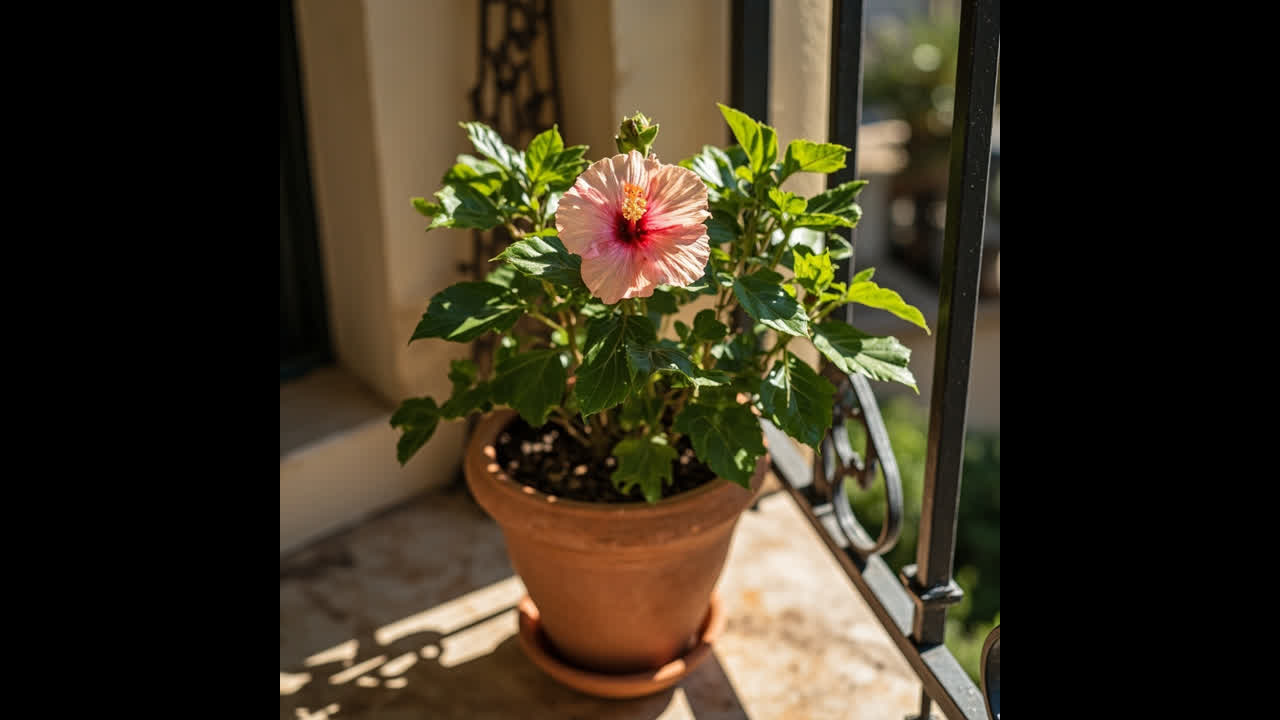
For a container hibiscus on a sunny patio, the most reliable companion approach is to plant hibiscus as the centrepiece with lower-growing, sun-loving annuals or perennials around the base. Pentas or lantana in a smaller pot beside the hibiscus, or trailing plants like Million Bells (Calibrachoa) at the front of a mixed container, create a cohesive composition. Ensure all containers have adequate drainage and that companion plants are not overwatered (hibiscus prefers moisture but not waterlogging).
Tropical Garden Beds
In a garden bed, plant hibiscus in the mid to background, with plumbago, lantana, or tibouchina in front. Add structural foliage plants like cordyline or croton at intervals for visual anchor points. The composition should have the tallest plants at the back (or centre, if viewed from all sides) and progressively lower-growing plants toward the front.
Attracting Pollinators and Butterflies
If the goal is to support pollinator activity, lantana, pentas, plumbago, and Verbena all attract butterflies to the garden alongside hibiscus. Including any of these companions near hibiscus increases the likelihood of successful flower pollination and seed development. Honeybees are also attracted to hibiscus flowers, so companions that attract more pollinators generally benefit the overall garden ecosystem.
What NOT to Plant Near Hibiscus
- Plants that need full shade — they will fail in the sun hibiscus needs
- Plants that prefer dry soil — conflicting water needs create management problems
- Plants that are invasive or aggressive spreaders — they will outcompete hibiscus for space and nutrients
- Plants with deep tap roots that would compete with hibiscus root systems in containers
For more on growing hibiscus in containers specifically, see our container growing guide. For general hibiscus care, see the hibiscus care guide.
Turn That PDF Into a Spreadsheet in Minutes
You've seen how to do it manually — now let the tool handle the heavy lifting. Upload your bank statement and get Excel, CSV, or QBO in a few clicks.
Try It Free