Most raspberry plant failures trace back to three invisible factors — sunlight hours, soil pH, and drainage — and fixing them before planting is far easier than rescuing a struggling patch. This article covers light and soil in depth; for the full planting and care workflow including pruning and harvest timing, see our raspberry plant care guide.
How Much Sun Do Raspberries Need?
Raspberries need a minimum of 8 hours of direct sun per day for reliable fruiting — six hours is the survival threshold. Below six hours, primocane growth becomes leggy, floricane flower production drops, and berries never develop full sugar content. Morning sun is more valuable than afternoon because it dries dew from leaves quickly, reducing fungal disease pressure. In hot climates (USDA zones 8-9), afternoon shade prevents sunscald — white or bleached drupelets that fail to ripen on exposed fruit.
If your garden has limited sun, prioritize the sunniest spot even if the soil needs more work. Soil can be amended; sunlight cannot. A raspberry plant in full sun with mediocre soil will outperform one in rich soil with poor light. In partial shade, the plant still produces primocanes but floricanes set fewer flowers and drupelets develop less sugar — the result is a tart, small harvest that barely justifies the space.
Bird netting is essential in any sunny site — birds target the ripest berries and can strip a patch before your first harvest. Use lightweight netting draped over a frame, not laid directly on canes. Secure the netting at the base so birds cannot enter from below. Everbearing varieties tolerate partial shade slightly better than summer-bearing types because their primocane-fruiting cycle is less dependent on stored crown reserves. For variety-specific light needs including chill hours and thornless options, see our raspberry varieties guide. Chill hours also affect root sucker production — varieties with insufficient chill produce fewer primocanes from the crown.
The Soil pH Sweet Spot: 5.5 to 6.5
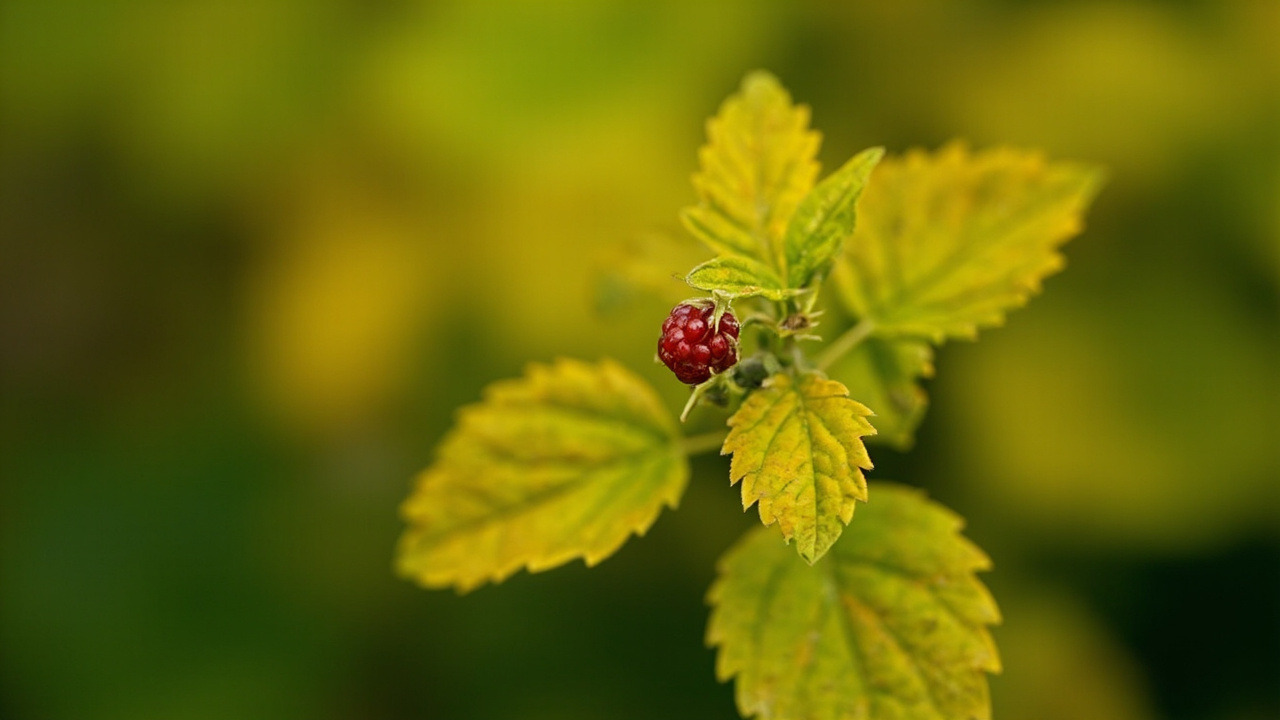
Raspberries need moderately acidic soil with a pH between 5.5 and 6.5. Above 6.5, iron becomes less available to roots. Above 7.0, iron chlorosis sets in: yellow leaves with green veins, stunted canes, and progressive decline despite adequate nutrition. Acidic soil also suppresses spur blight and cane blight, two fungal diseases that thrive in neutral-to-alkaline conditions and enter through root sucker wounds. This is the same problem that plagues blueberries — both species share the acid-soil requirement. If you have grown blueberries successfully, raspberries will likely thrive in the same beds.
Test your soil pH before planting — a basic home test kit costs under $15 and gives reliable readings within minutes. Take samples from 4-6 inches deep at several points, mix them, and test the composite. If pH reads 6.5 or below, plant without amendment. If it reads 6.6-7.0, apply 1-2 pounds of elemental sulfur per 100 square feet for each full point of reduction needed, worked into the top 6 inches of soil 3-4 months before planting.
Soils above pH 7.0 are harder to amend permanently because the soil’s buffering capacity resists change. In these cases, build raised beds at least 12 inches deep and fill them with an acidic growing mix. Cornell Cooperative Extension research shows raised beds with imported acidic mix produce better results than repeated sulfur amendments in high-pH regions. Container growing offers the same pH control: use a peat-based or coir-based mix that naturally sits at 5.5-6.0.
Avoid garden soil in containers — it compacts, drains poorly, and often carries alkaline pH from native ground. A common mistake is using potting mix alone; pure potting mix compacts over a single growing season, collapsing the air pockets that raspberry roots need. The perlite and pine bark in the recipe above maintain structure and prevent this compaction. If your tap water is alkaline (above pH 7.5), it gradually raises container soil pH over the season. Test monthly and flush with slightly acidified water (1 tablespoon white vinegar per gallon) if pH creeps above 6.5. For the full planting walkthrough including spacing and trellis setup, see our raspberry planting guide.
Drainage: The Requirement Nobody Talks About
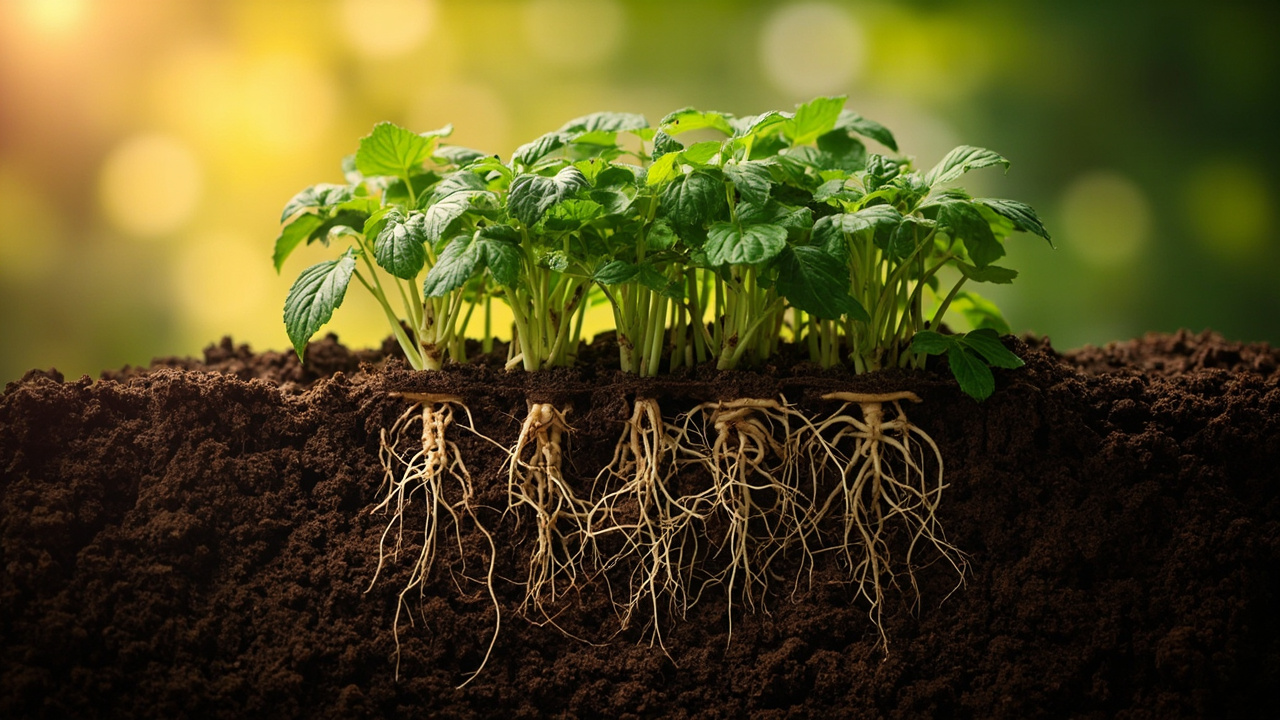
Raspberries have shallow, fibrous root systems that spread horizontally in the top 12 inches of soil. These roots need oxygen as much as water. In waterlogged soil, oxygen is displaced, roots suffocate, and Phytophthora root rot colonizes damaged tissue. The University of Florida IFAS Extension identifies poor drainage as the leading cause of raspberry plant death — more common than cane borers, aphid damage, spider mite stress, and cane blight combined.
Test drainage before planting. Dig a hole 12 inches deep and wide, fill with water, let it drain, fill again, and time the second drainage. Water should drop at least 1 inch per hour. Slower than 0.5 inches per hour means inadequate drainage. Standing water after heavy rain confirms the problem. Well drained soil is non-negotiable: no amount of compost or sulfur fixes a drainage failure. If your only available site has poor drainage, containers or raised beds are not optional workarounds — they are the only way to grow raspberries successfully in that location.
Heavy clay is the most common drainage challenge. Build raised beds 8-12 inches high using untreated lumber or stone, filled with 50% native soil, 30% coarse compost, and 20% coarse sand. This raises the root zone above the water table while retaining nutrient-holding capacity. Sandy soil drains well but holds less water and fewer nutrients — add 4-6 inches of compost and 2 inches of aged manure, worked into the top 10 inches, to improve retention.
Mulch with 3-4 inches of straw or wood chips after planting to reduce evaporation and regulate soil temperature. Keep mulch a few inches from the crown to prevent rot. In regions with heavy winter rain, check mulch depth after storms and top up if it thins below 3 inches. Good drainage and proper mulch together prevent the root rot that kills more raspberry plants than any other combined cause. Bare root canes are especially vulnerable at planting because damaged roots in waterlogged soil invite infection before the crown can establish.
Container Soil Mix for Raspberries
Container growing gives full control over soil composition, which is valuable if your native ground is heavy clay, rocky, or alkaline. The minimum container size is 14 inches in diameter and 12 inches deep (5 gallons). Larger is better: 10-gallon containers (16-18 inches) produce noticeably more fruit because root volume directly limits cane count and berry size.
Use a well balanced mix of 40% peat moss or coir, 30% perlite, and 30% aged pine bark fines for best results. This blend holds moisture while draining freely and naturally sits at pH 5.5-6.0. Do not use 100% potting soil — it compacts within a single season, reducing drainage and oxygen to roots. Container raspberries dry out faster than in-ground plants: water when the top inch of soil feels dry, typically daily in summer for 5-gallon pots.
Ensure containers have multiple drainage holes; raspberries in pots with a single central hole are prone to root rot. Elevate pots on pot feet so water drains freely. Aphid colonies and spider mite stippling are more common in container raspberries because the confined root zone creates stress — inspect new growth weekly. Repot every 2-3 years: remove the plant, shake off old mix, trim circling roots, and replant in fresh mix to restore vigor. Container raspberries are more vulnerable to aphid and spider mite pressure because the confined root zone creates stress that attracts sap-feeding pests. Inspect the undersides of new leaves weekly during the growing season — early detection means a strong spray of water or insecticidal soap is enough. Once spider mites establish webbing on the cane tips, they are much harder to eradicate.
Preparing the Planting Site
Start with a soil test 4-6 weeks before planting. Test for pH and major nutrients. While waiting for results, mark rows and build raised beds if needed. When results arrive, amend pH first — work elemental sulfur into acidic soils or lime into overly acidic beds (below 5.0). Add 2-3 inches of compost and 1 inch of aged manure to the top 8 inches and fork it in. Avoid fresh manure — it burns roots and introduces weed seeds.
Build the planting bed 1-2 weeks before planting. For in-ground planting, create a slight mound 3-4 inches high along the row to improve surface drainage around the crown. For raised beds, fill with prepared mix and water thoroughly to settle. For containers, fill with container mix and water until it drains freely from the bottom.
Plant bare root canes in early spring while the plant is still dormant and the ground is workable. Container-grown plants can go in anytime the soil is not frozen or waterlogged. After planting, apply mulch and water deeply. Raspberries are self fertile but need pollination for full drupelet set — avoid spraying during bloom to protect pollinators. For the full planting walkthrough including spacing, trellis setup, and first-season care, see our raspberry plant care guide.
Turn That PDF Into a Spreadsheet in Minutes
You've seen how to do it manually — now let the tool handle the heavy lifting. Upload your bank statement and get Excel, CSV, or QBO in a few clicks.
Try It Free