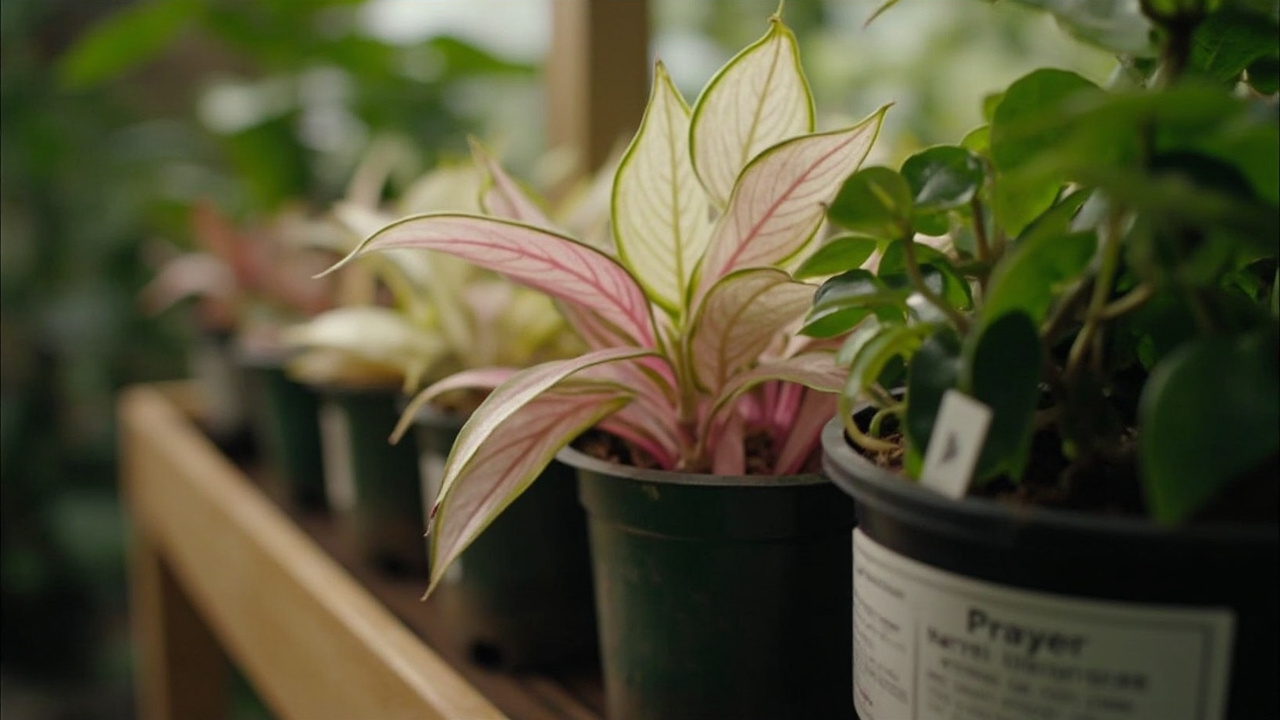

Choosing the right prayer plant variety at the nursery can mean the difference between a plant that thrives for years and one that struggles through constant leaf browning and fading patterns. All prayer plants belong to the same species, Maranta leuconeura, but the available cultivars differ enough in appearance and care sensitivity that picking the wrong one for your home conditions is the most common mistake new owners make. This guide breaks down the four main varieties you will find in garden centers, explains which home environments suit each one, and gives you a practical inspection checklist to use before you hand over money at the store.
The Maranta genus contains roughly forty to fifty species native to the tropical forests of Brazil, but only a handful of cultivars appear regularly in nurseries and garden centers. Most shoppers encounter the same four varieties regardless of which store they visit: the green cultivar, the rabbit stripe, the tricolor, and the red cultivar. Each one carries a different name on the plant tag, displays a distinct leaf pattern, and responds differently to the same home conditions. Understanding those differences before you shop saves time, money, and frustration, because a prayer plant that fades in your apartment might have been perfectly suited to a friend’s brighter windowsill, and vice versa.
Green Prayer Plant (Maranta leuconeura ‘Green’)
The green prayer plant is the standard cultivar most nurseries carry, and it is also the easiest one to keep alive. Its leaves are solid green with darker maroon markings along the veins, and the undersides show a rich purple color. This is the variety to choose first if you are new to growing Maranta leuconeura, as described in our prayer plant care guide. The green cultivar is frequently sold simply as “prayer plant” without any cultivar name attached, which is why many people do not realize it is one specific variety among several.
The green cultivar tolerates a wider range of conditions than the variegated forms. It handles lower humidity better, recovers faster from underwatering, and does not require the bright indirect light that tricolor varieties demand. When you see a prayer plant at a big box store or home center, this is almost certainly what you are looking at. It is the workhorse of the Maranta family, reliable and consistent even when conditions are less than ideal.
Maranta leuconeura ‘Green’ grows to about 12 to 18 inches tall and wide, with a spreading habit that makes it ideal for shelves, tables, and hanging baskets. The leaves fold upward at night in a behavior called nyctinasty, which gives the plant its common name. This folding rhythm is one of the healthiest signs you can watch for, because it confirms the plant is responding normally to your home light cycle. A healthy green prayer plant will fold completely every evening and unfold fully each morning, creating a predictable daily rhythm that is both soothing to observe and useful as a health indicator.
If your home is on the drier side or you travel occasionally, the green prayer plant gives you the most forgiveness. It is the solid green cultivar that rewards beginners while still delivering the dramatic leaf movement that makes prayer plants distinctive. The green type is particularly well suited to bedroom placement, where its moderate light needs and non-toxic foliage make it one of the safest choices for a nightstand or dresser.
Rabbit Stripe Prayer Plant (Maranta leuconeura ‘Erythroneura’)
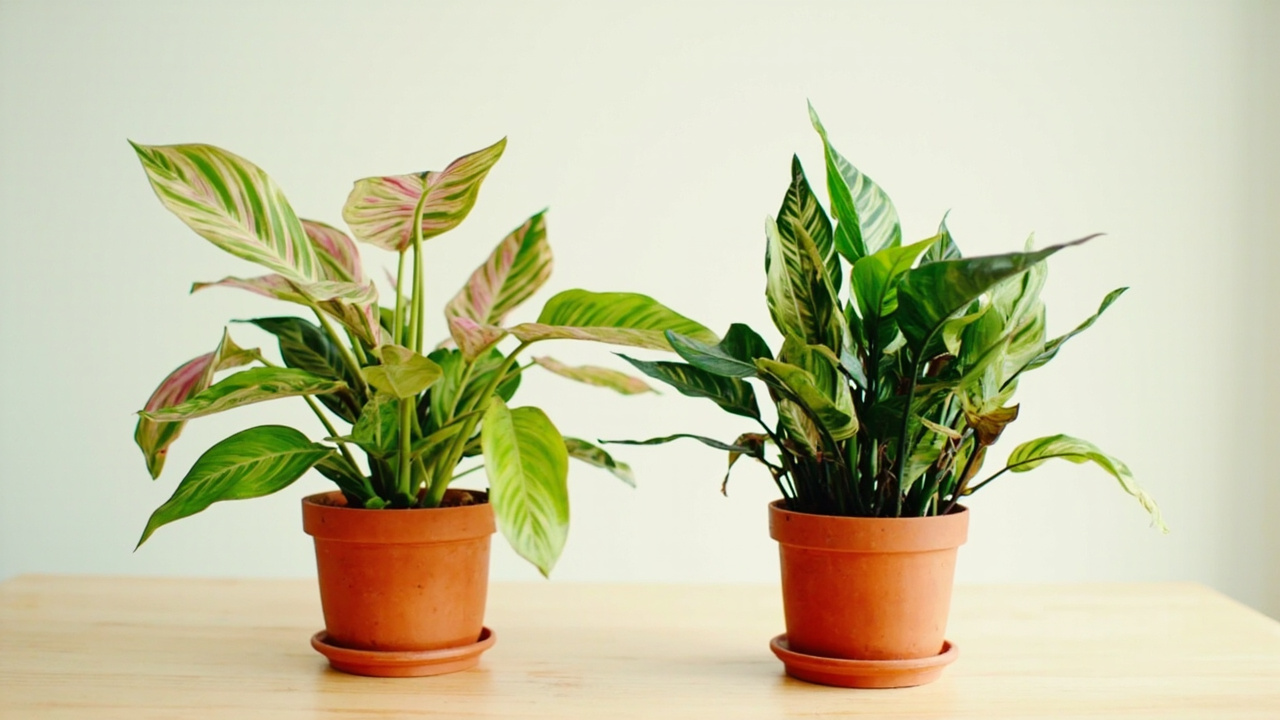
The rabbit stripe prayer plant, often labeled as Maranta leuconeura ‘Erythroneura’, is the most popular variegated cultivar available in garden centers. Its name comes from the bold dark red stripes that run along each leaf, contrasting sharply with the bright green background. The leaf shape and size are similar to the green cultivar, but the striped pattern gives it a more striking appearance. Some nurseries also sell this variety under the name “red nerve plant” or “herringbone plant,” which can be confusing when you are comparing options.
Despite its colorful foliage, the rabbit stripe is not significantly harder to grow than the plain green type. It shares the same humidity needs, the same watering rhythm, and the same light requirements as the standard cultivar. The main difference is visual, not care-related. You can treat a rabbit stripe exactly like a green prayer plant and expect the same results, making it an excellent upgrade choice for someone who wants more visual interest without additional complexity.
One thing to note: the red striping becomes more vivid under bright indirect light. In low light, the stripes fade and the leaves look more green. If you want maximum color contrast, place the plant near an east-facing window or under a full spectrum LED grow light positioned 6 to 12 inches above the foliage. The intensity of the red veins is directly proportional to the light quality, so a plant that looks modestly striped in a dim corner will transform into a vivid display when moved to a brighter location.
The rabbit stripe is widely available and reasonably priced, making it a strong choice for someone who wants visual impact without additional care complexity. It is the middle ground between the simple green cultivar and the more demanding tricolor varieties, offering enough color to feel special while retaining the resilience that makes prayer plants forgiving houseplants. Most growers find that the rabbit stripe is the variety they recommend first to friends who ask where to begin with Maranta.
Tricolor Prayer Plant (Maranta leuconeura ‘Tricolor’)
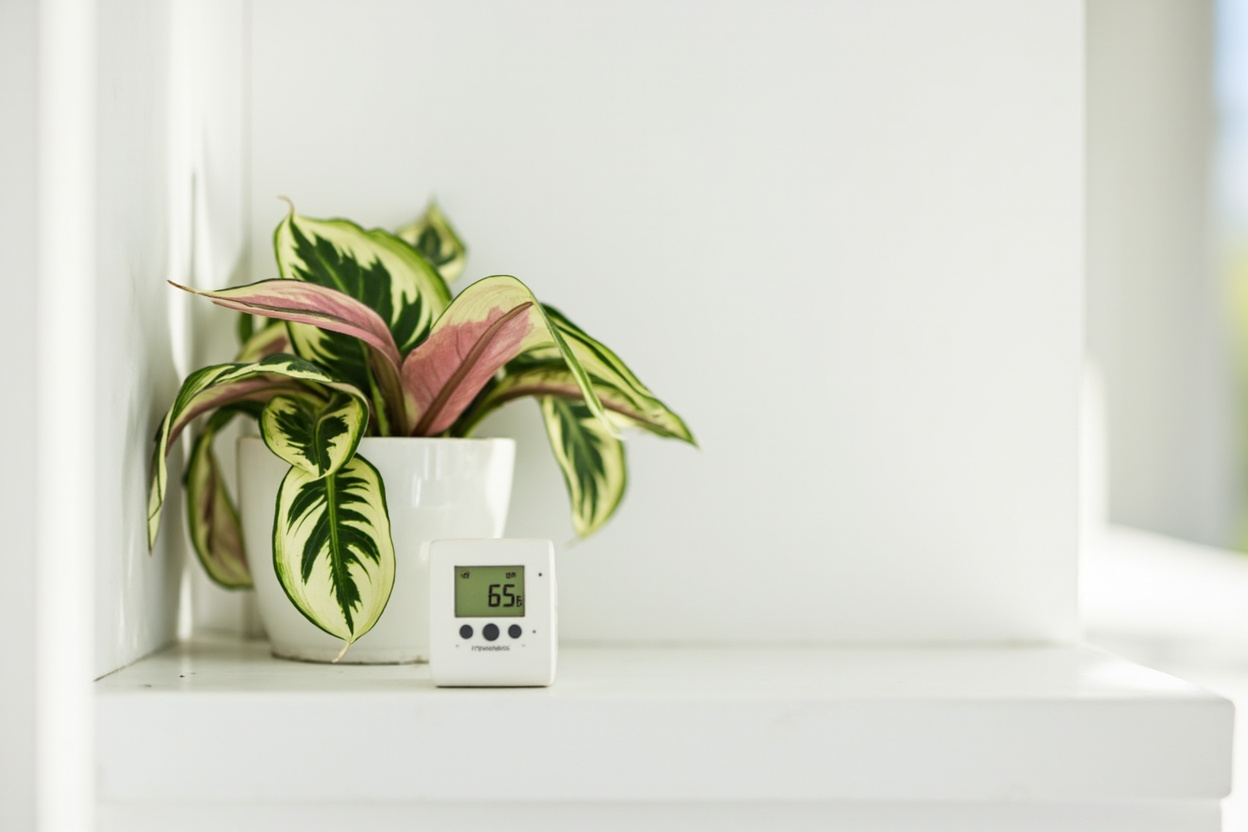
The tricolor prayer plant is the most visually dramatic cultivar in the Maranta leuconeura family. Its leaves display three distinct colors: a silver-green background, dark green spots near the center, and pink to salmon-colored edges along the leaf margin. This three-tone pattern is what gives the cultivar its name, and it is what makes tricolor prayer plants highly sought after by collectors. The Fascinator Tricolor, sometimes sold under that specific cultivar name, is the most recognizable form and commands higher prices at specialty nurseries because of its exceptional color contrast.
The trade-off for that beauty is care sensitivity. Tricolor cultivars need higher humidity than the green or rabbit stripe types, and they show stress faster when conditions drift below their requirements. Brown leaf edges appear sooner, the leaf pattern fades in insufficient light, and recovery from underwatering takes longer than with solid green varieties. If your home humidity consistently drops below 40 percent during winter, the tricolor form will show visible damage within weeks, whereas the green cultivar in the same room will remain unaffected.
If you are willing to maintain consistent humidity above 50 percent and provide bright but indirect light, the tricolor prayer plant will reward you with one of the most colorful foliage displays available for indoor plants. If your home is dry or your light is dim, the tricolor form will struggle even when the green cultivar in the same room stays happy. The visual payoff is real, but it requires a home environment that matches the plant’s tropical understory origins.
Read the prayer plant light requirements guide before committing to a tricolor variety, because light quality and quantity matter more for this cultivar than for any other prayer plant type. The difference between thriving and fading often comes down to whether the plant receives 500 to 1000 lux consistently, not occasionally. A tricolor prayer plant placed in adequate light will produce new leaves with increasingly vivid coloration over time, while the same plant in insufficient light will gradually lose its three-tone pattern and revert to a plain green appearance.

Three prayer plant varieties side by side: the solid green cultivar, the striped rabbit stripe, and the multi-colored tricolor form.
Red Prayer Plant (Maranta leuconeura ‘Rubriosa’)
The red prayer plant, known botanically as Maranta leuconeura ‘Rubriosa’, is a less common cultivar that you will find primarily at specialty nurseries and online plant sellers. Its leaves feature deep red veins against a green background, and the undersides carry an intense maroon-purple tone that is darker than most other varieties. The ‘Rubriosa’ name refers to the Latin root for red, and the cultivar delivers on that designation with some of the richest veining found in the entire Maranta family.
‘Rubriosa’ shares the same basic care profile as the green and rabbit stripe cultivars. It does not require special attention beyond what any Maranta leuconeura needs: consistent moisture, moderate to high humidity, and filtered light. The red veining becomes more pronounced under brighter conditions, so position it where it receives indirect light rather than direct sun, which would scorch the leaves and fade the vivid coloration that makes this cultivar desirable.
Availability is the main reason to seek out the red prayer plant specifically. If your local nursery carries it, it is worth comparing the price and plant condition against the more common rabbit stripe, since both offer striking leaf patterns at similar care difficulty levels. If the red variety is significantly more expensive, the rabbit stripe delivers comparable visual impact for less money. However, if you find a healthy ‘Rubriosa’ at a reasonable price, the deeper red tones and darker undersides make it a standout addition to any collection.
How to Choose the Right Prayer Plant Variety
Picking a prayer plant variety comes down to two questions: what conditions does your home provide, and how much attention do you want to give your plants? Answer those honestly, and the choice narrows quickly. Your home environment determines which cultivar will thrive, not your preference for a particular leaf pattern, so assess your light and humidity honestly before selecting a variety.
If your home has average to low humidity and you are new to prayer plants, start with the green cultivar or the rabbit stripe. Both handle variable conditions well, and both recover quickly if you miss a watering or the seasons change. The green type is the safest entry point; the rabbit stripe adds visual interest with no extra care cost. Either choice will establish quickly and reward you with steady growth and reliable nyctinasty, the nightly leaf-folding behavior that makes prayer plants unique.
If your home has reliable humidity above 50 percent and you can provide bright indirect light, the tricolor prayer plant becomes a realistic option. It is not harder to keep alive than the other varieties, but it demands more consistency. Miss the humidity target for several weeks, and the leaf edges will brown and the color pattern will dull. Check our prayer plant humidity guide to understand how to maintain the moisture levels these plants need. A humidifier or pebble tray can make the difference between a tricolor that fades and one that radiates color year-round.
For someone who travels often or prefers a low-maintenance approach, the green prayer plant is the clear winner. It handles neglect better than any other variety and still delivers the signature leaf-folding behavior that makes the species special. The solid green cultivar is not boring, it is efficient. Every dollar spent on a green prayer plant goes toward a plant that will adapt to your schedule rather than demanding that you adapt to its preferences. If you water with distilled water instead of tap water, even the variegated varieties will thrive with less fuss, because fluoride and mineral buildup is eliminated from the equation entirely.
What to Inspect Before You Buy a Prayer Plant
Before you hand over money at the nursery, check these five things on every prayer plant you consider. These inspection points apply to all varieties, not just one specific cultivar, and they will save you from purchasing a plant that looks healthy on the shelf but is already struggling underneath.
First, examine the leaf undersides. Healthy prayer plants show vibrant purple underside coloration on the bottom of each leaf. Faded or brown undersides signal stress, often from low humidity or root problems. Second, check for brown leaf tips, which can be caused by fluoridated water accumulating over time or by humidity crack forming from dry air. A few brown tips are normal in dry homes, but heavy browning across multiple leaves means the plant has been sitting in air that is too arid for too long. Third, look at the soil surface. It should be moist but not waterlogged. Dry, cracked soil means underwatering; soggy soil means overwatering. Both are easy to fix after purchase, but they indicate how the plant was treated before it reached the shelf. Fourth, inspect the stems and nodes. Each stem should feel firm, not soft or mushy. Soft stems near the soil line are a sign of potential root rot, especially if the pot feels heavier than it should. Fifth, check the growing points at the center of the plant. New leaves should be emerging, not stalled. A plant that is actively producing new growth will recover faster from transplant shock than one that has stopped growing entirely. This is particularly important for tricolor and variegated cultivars, which are more sensitive to transplant stress than the hardier green types.
Finally, ask the nursery which variety you are buying. Store labels are sometimes wrong, and you want to know whether you are purchasing a green cultivar, a rabbit stripe, or a tricolor form before you take it home. Once you know the exact variety, you can adjust your care expectations accordingly and refer back to the prayer plant watering guide if anything changes after purchase. Knowing the variety name also helps you find accurate care information online, since search results filtered by cultivar name yield far more relevant guidance than generic prayer plant searches.
A healthy prayer plant from any variety will reward consistent care with daily nyctinasty and steady new growth. The variety you choose determines how much margin you have for error, but all five cultivars described here follow the same fundamental care principles outlined in the prayer plant care guide. When propagating a new plant from any of these varieties, remember that rhizome division is the most reliable method, and every stem cutting must include at least one node to produce roots. Take your time at the nursery, inspect each plant carefully, and choose the variety that matches your home conditions rather than the one that looks most striking on the shelf. The purple underside of a healthy specimen is always a sign of proper light exposure, regardless of which cultivar you select, and the daily leaf folding rhythm confirms the plant is receiving adequate light and humidity.
From Bank Statement to QuickBooks-Ready File
That manual cleanup you just read about? This tool skips it. Turn your PDF into QBO for QuickBooks without storing your data anywhere.
Start Converting