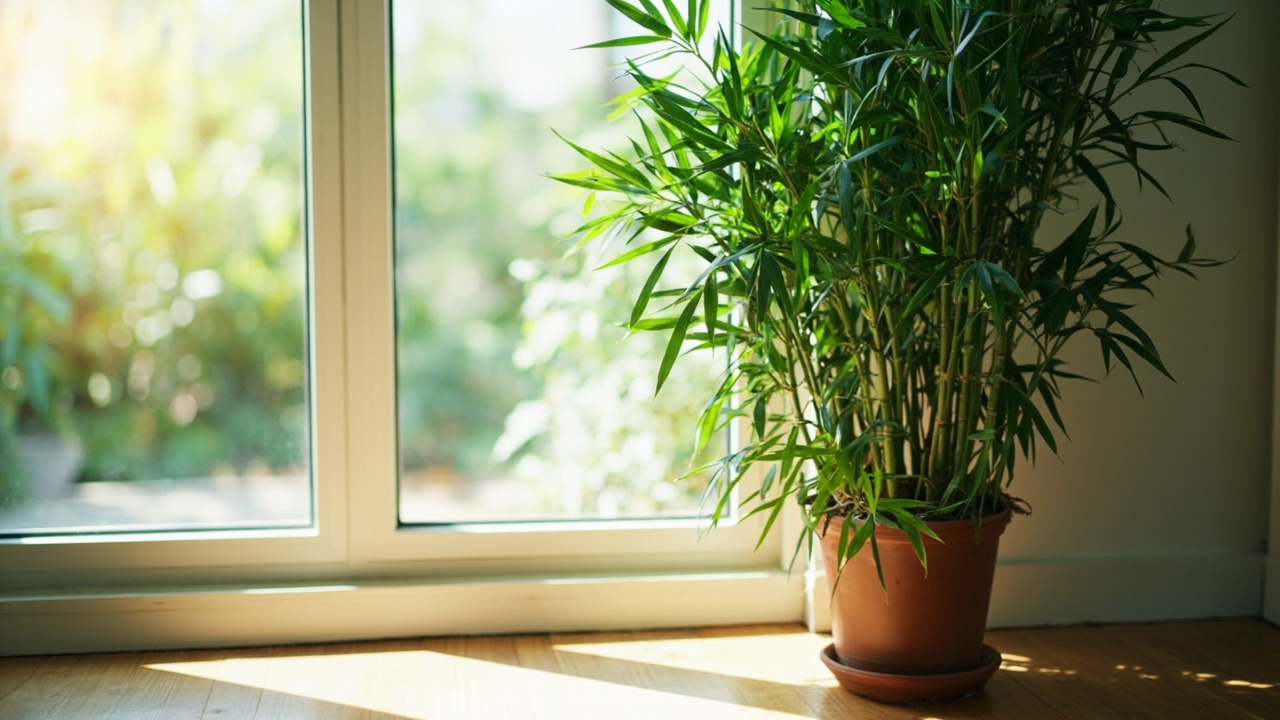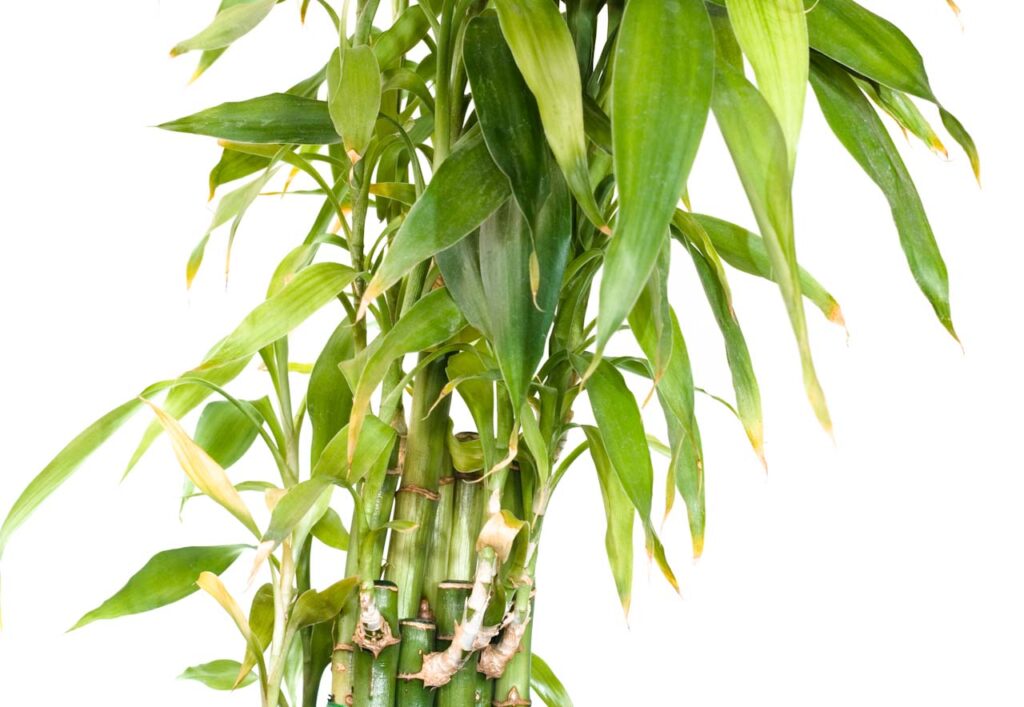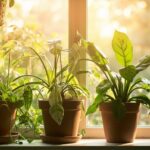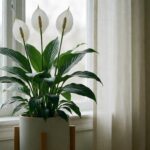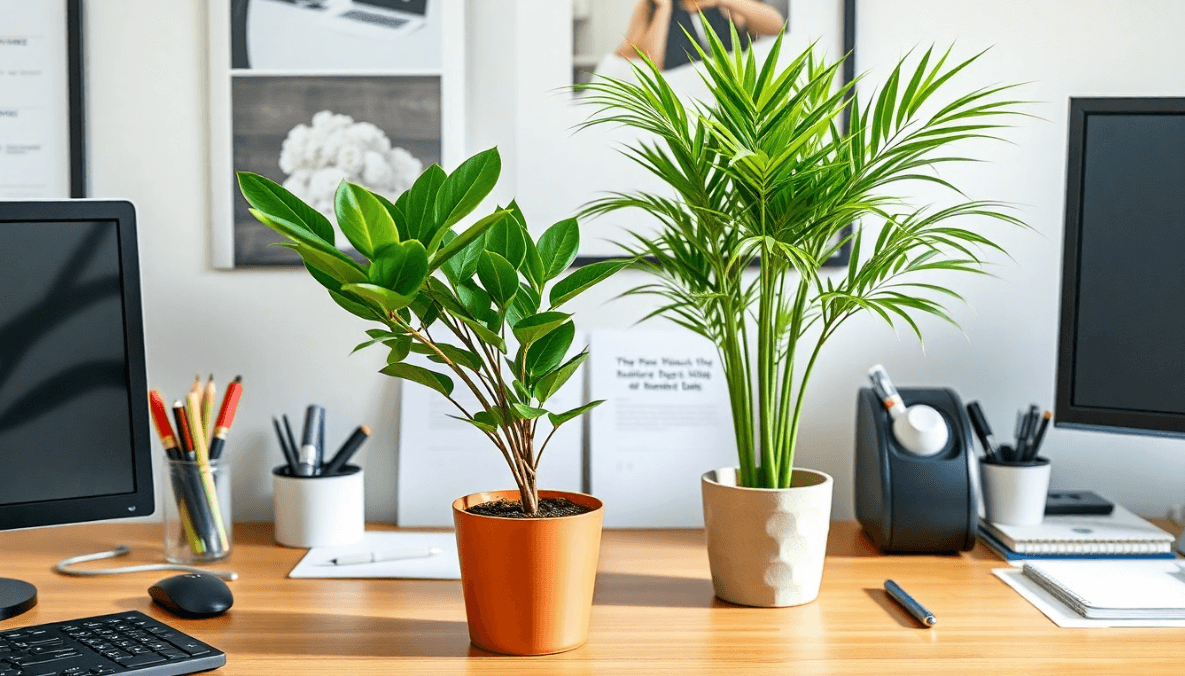

Are you looking to bring some natural beauty and serenity into your home? Growing bamboo plants indoors can be a fantastic way to add greenery and a touch of zen to any space. Bamboo is not only aesthetically pleasing but also offers numerous health benefits, such as improving air quality and reducing stress levels. In this comprehensive guide, we will provide you with expert advice and valuable insights on how to successfully grow bamboo plants indoors. Lucky Bamboo Care Guide.
Choosing the Right Indoor Bamboo
Ever since I stepped into the enchanting world of gardening, I’ve been fascinated by the versatility of bamboo plants. Their resilience and adaptability make them an excellent choice for indoor settings. But choosing the right indoor bamboo plant requires a bit more than just an eye for beauty. Here’s what you need to know.
Factors to Consider When Selecting Indoor Bamboo Plants
Imagine bringing home a plant that outgrows your living room or withers away despite your best efforts. To avoid such mishaps, you need to consider several factors before selecting an indoor bamboo plant.
- Size: Some bamboo species can reach towering heights, not ideal for a living room or a study. Opt for dwarf or medium-sized varieties that fit comfortably within your space.
- Light Requirements: While most bamboos love sunlight, some varieties thrive in low-light conditions. Evaluate the light availability in your space before picking your plant.
- Maintenance: Some bamboos are low-maintenance, while others might need a bit more care and attention. Choose according to your schedule and commitment.
Varieties Suitable for Indoor Gardening
While there’s a multitude of bamboo species, not all are suitable for indoor environments. Here are some varieties that are both manageable and visually appealing:
- Lucky Bamboo (Dracaena sanderiana): Despite its name, this isn’t a true bamboo but is often mistaken for one due to its similar look. It’s easy to care for and thrives in low-light conditions.
- Buddha’s Belly Bamboo (Bambusa ventricosa): This variety is known for its unique bulging internodes, resembling Buddha’s belly. It prefers bright indirect light and can reach up to 10 feet indoors.
- Fernleaf Bamboo (Bambusa multiplex): This bamboo is admired for its feathery foliage. It prefers bright light but can also tolerate low light.
Choosing the Right Container
To successfully grow bamboo plants indoors, it’s important to start with the right container. As a bamboo gardening expert, I recommend selecting a sturdy container that is large enough to accommodate the plant’s root system. This will provide ample space for the bamboo to grow and thrive.
Ensuring Good Drainage
Another crucial aspect of indoor bamboo gardening is ensuring good drainage. The container you choose should have drainage holes at the bottom to allow excess water to escape. This prevents waterlogged soil, which can lead to root rot and other problems. It’s essential to maintain a moist soil environment for bamboo, but avoid overwatering.
Considering Alternative Growing Methods
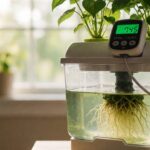
Did you know that bamboo can also be grown in pebbles or water-filled vases? If you prefer a unique and decorative display, consider housing your bamboo in a vase with at least an inch of standing water at all times. This method, called hydroponics, eliminates the need for soil and provides a visually appealing alternative.
Expert Insight: Why Water-Filled Vases Work
Bamboo plants are naturally adapted to growing near water sources, and they have a unique ability to absorb moisture through their roots. By placing your bamboo in a water-filled vase, you are mimicking its natural habitat and providing a constant supply of moisture. Just remember to refill the vase regularly to ensure the water level remains consistent.
Providing the Ideal Growing Conditions
Creating the perfect environment for your indoor bamboo plants is essential for their growth and overall health. Here are the key factors to consider:
Light:
Bamboo plants thrive in bright, indirect light. Place your bamboo plant near a window where it can receive ample sunlight without direct exposure to harsh rays.
Temperature:
Maintaining the right temperature is crucial for bamboo plants. They prefer temperatures between 60 and 80 degrees Fahrenheit (15-27 degrees Celsius). Avoid exposing them to extreme temperature fluctuations.
Humidity:
Bamboo plants naturally grow in humid environments. Aim for humidity levels between 50 and 70 percent. You can achieve this by using a humidifier or regularly misting the leaves.
Watering Tips
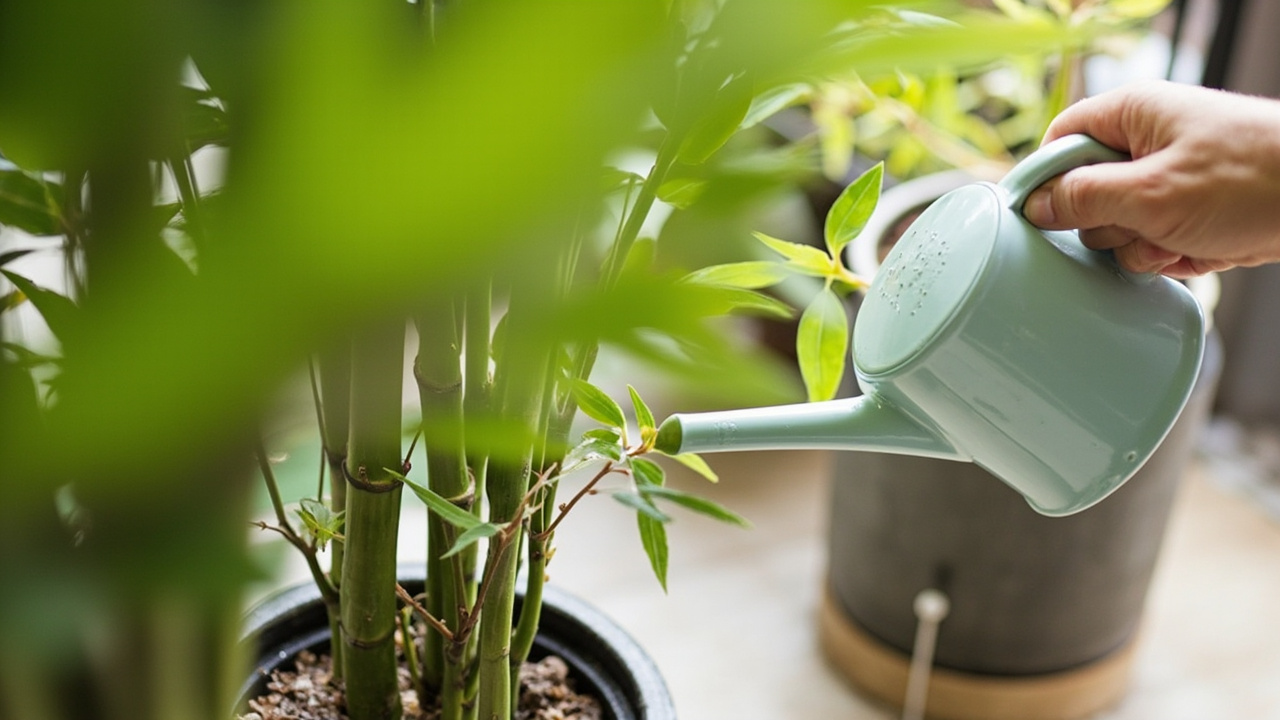
Proper watering is essential for the health and growth of your indoor bamboo plants. Follow these tips to ensure you water them correctly:
Soil Drainage:
Use well-draining soil to prevent waterlogging, as bamboo plants do not like to sit in water. Good drainage helps maintain optimal soil moisture levels.
Watering Schedule:
Water your bamboo plant regularly, ensuring that the top inch of soil feels dry before watering again. This usually translates to watering every few days, but it may vary depending on environmental conditions.
Avoid Overwatering:
Overwatering can lead to root rot and other issues. Always check the soil moisture level before watering and adjust the frequency accordingly.
Fertilizing Your Bamboo Plant
To support healthy growth, it’s essential to provide your indoor bamboo plants with proper nutrients. Here’s what you need to know about fertilization:
Fertilizer Selection:
Choose a balanced, water-soluble fertilizer specifically formulated for indoor plants. Look for a fertilizer with a ratio of equal nitrogen (N), phosphorus (P), and potassium (K) levels.
Fertilizing Schedule:
During the growing season (spring and summer), apply the fertilizer every two to four weeks. Follow the instructions on the fertilizer packaging for precise measurements.
Pruning for Optimal Growth
Pruning helps maintain the shape and size of your indoor bamboo plants. Follow these guidelines for effective pruning:
Tools:
Use sharp, clean pruning shears or scissors to remove dead or damaged leaves and stems. This helps promote new growth and maintains the plant’s overall health.
Height Control:
Bamboo plants can grow tall, and it may be necessary to prune them to maintain a manageable height indoors. Regularly trim the tops of the shoots to control their vertical growth.
Important Considerations
While growing bamboo plants indoors offers many benefits, there are a few important considerations to keep in mind:
Containment:
To prevent bamboo from becoming invasive, always grow it in containers rather than planting it directly in the ground. This will help control its growth and prevent it from spreading uncontrollably.
Aluminum Accumulation:
Certain bamboo species have a higher susceptibility to aluminum toxicity, which can impede their growth and overall health.
Aluminum is commonly found in potting soil mixes, fertilizers, and even some containers. When absorbed by bamboo roots, excessive aluminum levels can inhibit nutrient uptake and lead to stunted growth, yellowing leaves, and overall plant decline.
Choosing Bamboo Species and Containers
To minimize the risk of aluminum accumulation, opt for bamboo species that are known to be less sensitive to aluminum toxicity. Species such as Bambusa multiplex, Bambusa vulgaris, and Phyllostachys aurea are generally more tolerant.
To prevent aluminum accumulation, it is crucial to choose the right containers for your bamboo plants. Avoid using aluminum pots or containers, as they can leach aluminum into the soil over time. Instead, opt for containers made of materials such as plastic, ceramic, or terracotta, which do not pose the same risk.
By following these expert tips and guidelines, you’ll be well on your way to successfully growing bamboo plants indoors. Remember to provide the right growing conditions, water and fertilize appropriately, prune when necessary, and make informed choices about containment and container selection. Enjoy the beauty and tranquility that indoor bamboo plants bring into your home! browning bamboo plant.
Turn PDF Bank Statements Into Workable Spreadsheets
Your bank statement is a mess of numbers, but your books shouldn't be. Use our converter to get Excel, CSV, or QBO files — ready for QuickBooks.
Try It Free Now