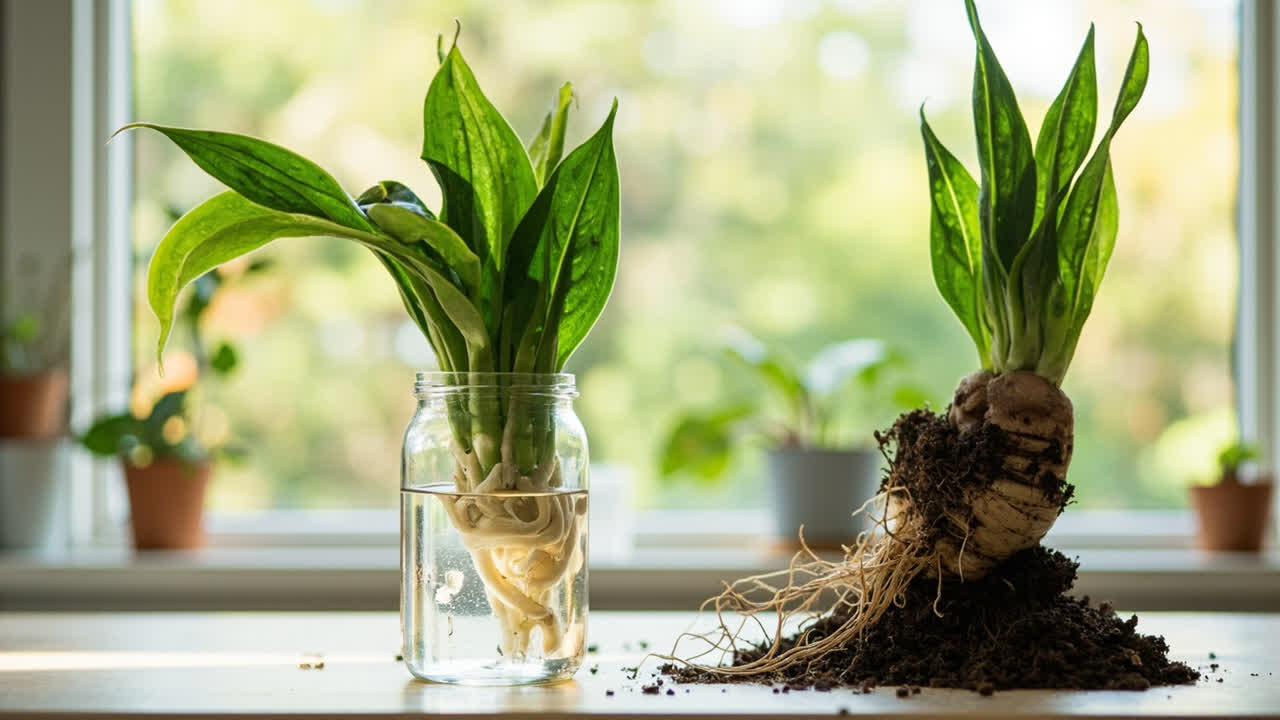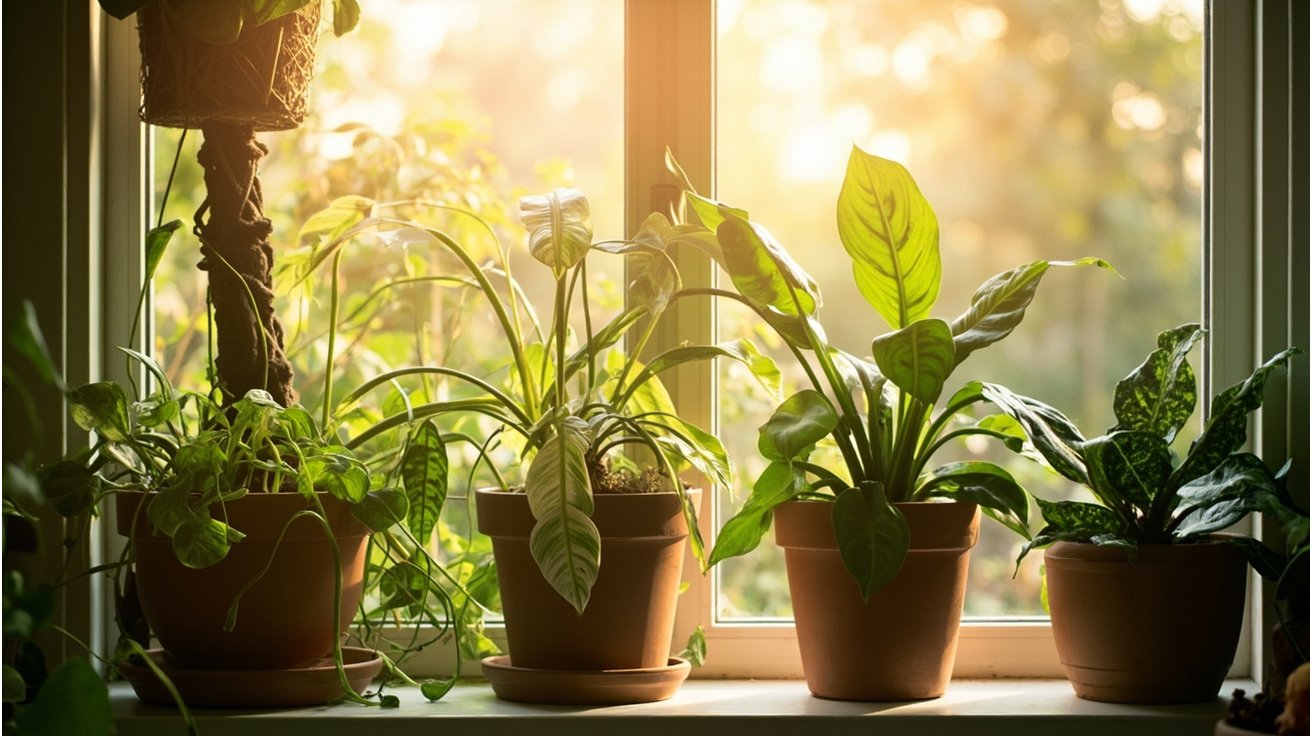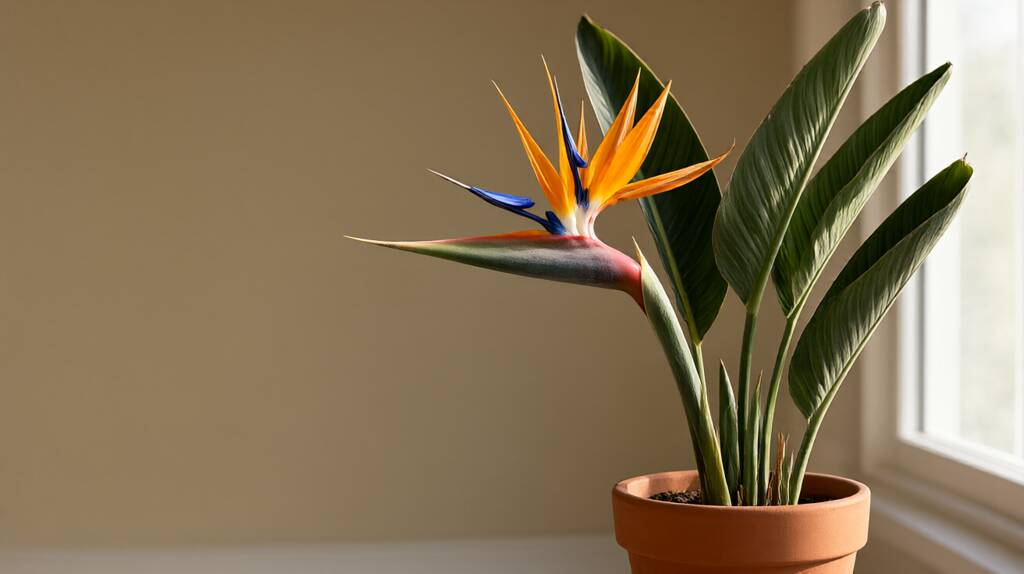

Moving a bird of paradise between indoors and outdoors is not a switch. It is a transition, and the plant needs time to adjust to every change in light, temperature, and humidity. A plant that goes from a dim living room to full sun in a single day burns. A plant that goes from full sun to a dim room drops leaves for a month. The damage is not permanent, but it is avoidable, and avoiding it is simpler than fixing it.
Two failure modes follow. The first is moving too fast, which produces sunburned leaves on the way out and leaf drop on the way in. The second is moving at the wrong time, which sets the plant back by a full season. Both come from treating the transition as an event instead of a process.
Most growers also get the direction wrong. They assume that moving a plant outside is the hard part and moving it inside is easy. The reverse is true. A plant going outside has to adapt to more light, more wind, and more temperature variation. A plant going inside has to adapt to less light and drier air. Both are stressful, but the indoor transition is the one that causes the most lasting damage, because the plant cannot recover until the days lengthen again.
Why Acclimation Matters
Acclimation is the process by which a plant adjusts its physiology to a new environment. Leaves that grew in low light have thin cell walls and low chlorophyll density. They cannot handle full sun, and they burn. Leaves that grew in full sun are thick and dense, and they can handle shade, but the plant drops them if the light drops too fast, because maintaining them costs more than they produce.
The mechanism is the same in both directions. The plant reads the light level and adjusts its leaf structure over two to four weeks. During that window, the plant is vulnerable. A sudden change overwhelms the adjustment process, and the result is damage that takes months to repair. A gradual change lets the plant keep up, and the transition is invisible.
The practical consequence is that every move, in or out, should take at least a week, and two weeks is better. The plant will tell you if you are going too fast: burning leaves mean too much light too soon, yellowing leaves mean too little, and leaf drop means the change was abrupt. For the full indoor versus outdoor comparison, see our guide to bird of paradise indoor vs outdoor.
The hardening-off principle
Hardening off is the gradual exposure of a plant to outdoor conditions. It applies in both directions: a plant going outside needs to be hardened to sun and wind, and a plant coming inside needs to be hardened to lower light. The principle is the same: start with a reduced version of the new condition and increase it over a week or two.
Acclimation is a process, not an event. Every move should take a week or more.
Moving a Plant Outside for Summer
The move outside should happen after the last frost, when night temperatures stay above 12 degrees Celsius. This is usually late April or May in temperate climates. The plant should be healthy and actively growing, not resting or recovering from stress.
Start with shade. Place the plant in a fully shaded spot outdoors for three to four days. This lets it adjust to the outdoor air, wind, and temperature without the added stress of direct sun. Then move it to partial sun for three to four days, then to full sun. The whole process takes about a week to ten days.
Wind is the hidden stressor. A plant that has lived indoors has never felt wind, and the leaves can tear or the plant can blow over. Place the plant in a sheltered spot for the first week, and stake it if it is tall. Water more frequently outdoors, because wind and sun dry the soil faster than indoor conditions. For the full outdoor care method, including watering and sun management, see our guide to bird of paradise outdoor care.
Signs the transition is too fast
Bleached or brown patches on the leaves mean sunburn. Drooping leaves mean wind stress or underwatering. Leaf drop means the change was too abrupt. If any of these appear, move the plant back to shade and slow down. The damaged leaves will not recover, but the plant will push new ones once it has adjusted.
Hardening off means gradual exposure to sun, wind, and temperature.
Moving a Plant Inside for Winter
The move inside should happen before night temperatures drop below 10 degrees Celsius, which is usually September or October in temperate climates. Do not wait for a frost warning. A single cold night damages the roots before the leaves show it.
Before bringing the plant inside, inspect it for pests. Scale, mealybugs, and spider mites hide in the leaf bases and travel inside with the plant. Treat any infestation before the plant comes in. For the full pest inspection and treatment method, see our guide to bird of paradise pests and diseases.
The transition inside is harder than the transition out. The plant goes from full sun to a dim room, and it cannot adjust fast enough. The result is leaf drop, which is normal but alarming. To minimize it, move the plant to the brightest spot available indoors, and reduce the light gradually over a week if possible. A plant that goes from full sun to a south window loses fewer leaves than one that goes to a north window.
The indoor light drop
Even the brightest indoor window delivers less light than outdoor shade. The plant knows this, and it responds by dropping leaves to reduce its maintenance cost. The leaf drop is not a sign of failure. It is the plant adjusting its budget. New growth will resume in spring when the light returns. For the full winter care method, see our guide to overwintering bird of paradise.
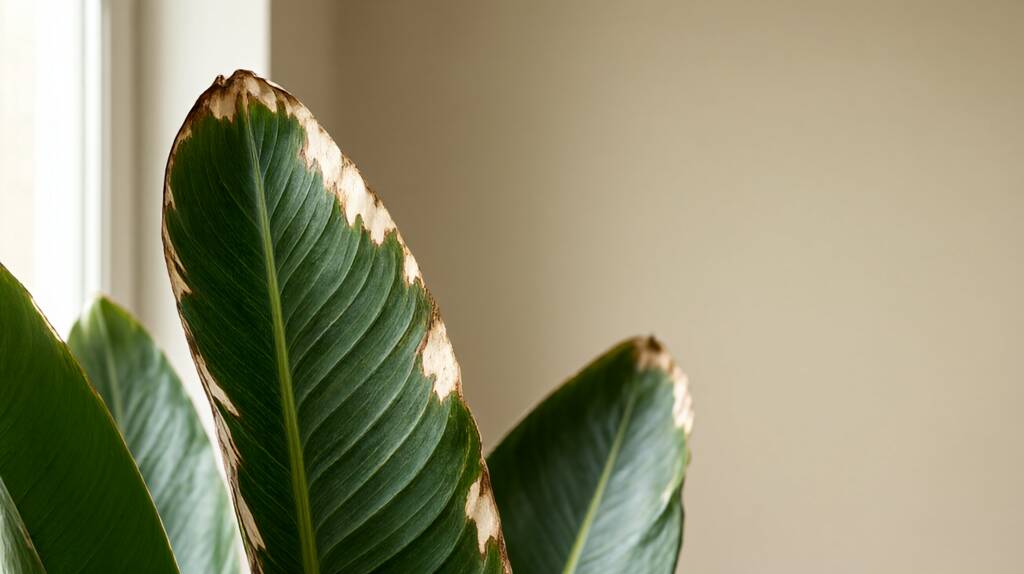
Moving outside: shade first, then partial sun, then full sun over 7-10 days.
Acclimating a New Plant
A new plant from a nursery has been grown under ideal conditions: consistent light, temperature, and humidity. Moving it to a home environment is a shock, even if the home environment is good. The plant needs two to four weeks to adjust, and during that time it may drop leaves, yellow, or stall.
The protocol is the same as for any transition: start with the brightest spot available, keep the watering consistent, and do not repot or fertilize for the first month. The plant needs to establish its roots in the new environment before it can handle additional stress. Repotting a new plant on arrival is a common mistake that compounds the shock.
Quarantine is part of acclimation. A new plant should spend two weeks in a separate room before joining the collection, to catch pests and to let the plant adjust without the added stress of competition. For the full quarantine protocol, see our guide to bird of paradise pests and diseases.
The new plant reality check
A new plant that looks perfect in the nursery may look terrible in your living room for the first month. This is normal. The plant is adjusting, not dying. Give it time, consistent care, and the brightest spot you have. If it is still declining after six weeks, check the roots and the light. For the full diagnosis of a failing plant, see our guide to bird of paradise common problems.
Moving inside: the light drop causes leaf drop, which is normal and self-limiting.
Recovering from a Bad Transition
If the plant has already been damaged by a too-fast transition, the recovery depends on the damage. Sunburned leaves will not recover, but the plant will push new ones. Remove the damaged leaves once they are fully brown, and keep the plant in partial shade until the new leaves are mature.
Leaf drop from a move indoors is self-limiting. The plant will stop dropping once it has adjusted its leaf count to the new light level. Do not increase watering to compensate, because the plant has fewer leaves and needs less water. Overwatering a plant that has just dropped leaves is the most common secondary mistake.
A plant that has stalled completely after a transition needs time and consistent care. Do not repot, do not fertilize, and do not move it again. Give it four to six weeks in a stable environment, and it will usually recover. For the full rescue method, see our guide to saving a dying bird of paradise.
When to intervene
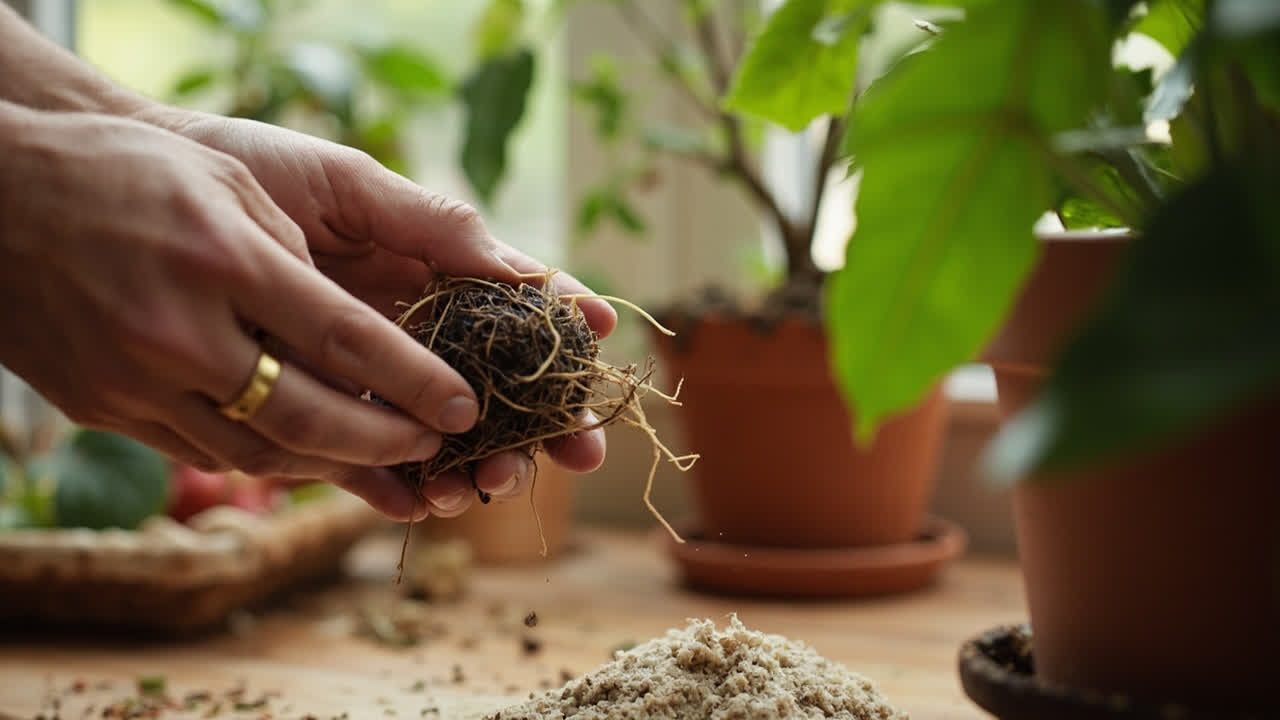
Intervene only if the plant is still declining after six weeks, or if the roots are damaged. Check the roots by tipping the plant out of the pot. Firm white roots mean patience. Brown soft roots mean rot, and the plant needs to be unpotted and restarted. For the full repotting method, see our guide to bird of paradise soil and repotting.
Acclimating a new plant means no repotting or fertilizing for the first month.
From Acclimation to the Rest of the Cluster
Acclimation is the bridge between the indoor and outdoor chapters of the plant’s life, and it connects to every other topic in this cluster. Light sets the intensity. Temperature sets the timing. Watering adjusts to the new environment. Humidity changes with the move. Overwintering is the winter version of the indoor transition. The plant remembers the rain forest. Your apartment just needs to remind it.
Recovery from a bad transition takes 4-6 weeks of stable conditions.
Key thresholds: 12 C night minimum for moving out, 10 C bring-inside trigger, 7-10 day hardening, 2-4 week acclimation, 4-6 week recovery, 6 week decline check, 5 cm root check.
| Direction | Trigger | Duration | Risk |
|---|---|---|---|
| Indoors to outdoors | Nights above 12 C | 7-10 days | Sunburn, wind damage |
| Outdoors to indoors | Nights below 10 C | 7-14 days | Leaf drop, light shock |
| New plant acclimation | On arrival | 2-4 weeks | Repotting too soon |
Key thresholds: 12 C night minimum, 10 C bring-inside, 7-10 day hardening, 2-4 week acclimation, 4-6 week recovery, 6 week decline check, 5 cm root check, 40% humidity, 10 day transition.
Sources and further reading
- Royal Horticultural Society, Strelitzia reginae: acclimation and transition notes.
- University of Florida IFAS Extension, Strelitzia reginae: culture and environmental adjustment.
- North Carolina State Extension, Strelitzia reginae: plant profile and care requirements.
Last reviewed on 2026-11-24.
Acclimation is the bridge between the indoor and outdoor chapters.