Snake plants are one of the most popular houseplants in the world, and the genus Dracaena trifasciata (formerly Sansevieria) has produced a range of distinctive varieties that are sought after by collectors.
While all snake plants share the same basic care requirements, they differ significantly in appearance — from the classic tall, sword-like leaves to compact rosettes and dramatically variegated forms.
Here is a guide to the most popular snake plant varieties.
Classic Varieties
Dracaena trifasciata ‘Laurentii’ (Variegated Snake Plant)
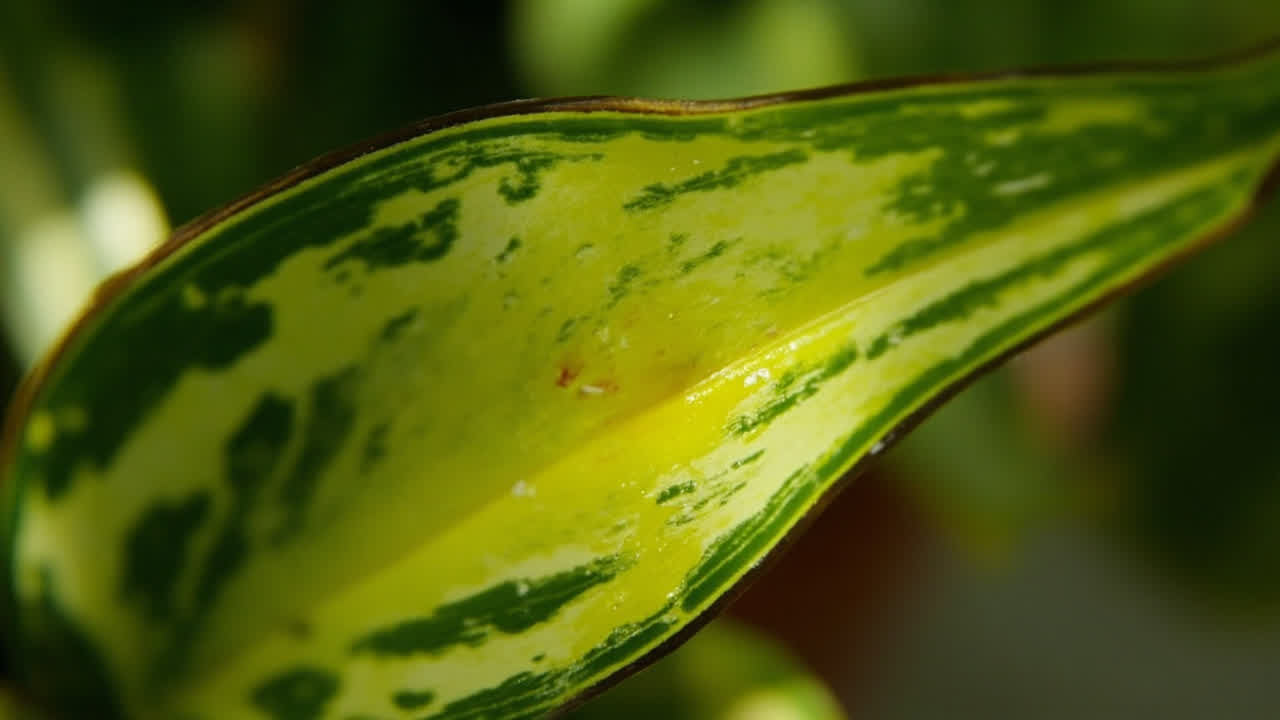
The most common and widely available variety. Upright, sword-like leaves that can reach 90 to 120 cm tall, with deep green centres and bright yellow or cream edges. The contrast between the green and the variegated edges is what makes it distinctive and popular. It is also one of the most tolerant varieties — it survives neglect better than more specialised forms.
The variegation is produced by the rhizome structure, which means it is preserved during division. However, leaf cuttings from this variety may produce solid green plants rather than variegated ones — propagation by division is preferred if you want to keep the variegation.
Dracaena trifasciata (Solid Green / Traditional Snake Plant)
The non-variegated form of the same species. Deep green, upright leaves, typically 60 to 90 cm tall. More tolerant of low light than the variegated form because the solid green leaves have more chlorophyll for photosynthesis. This is the variety most often seen in offices, malls, and poorly lit spaces because it survives conditions that would damage variegated forms.
Compact Varieties
Dracaena trifasciata ‘Futura Robusta’ (Compact Snake Plant)
Shorter and broader leaves than the standard Laurentii — typically 30 to 60 cm tall — with a similar green-and-yellow variegation pattern. The leaves grow in a more rosette-like arrangement rather than strictly upright. Better suited to tabletops and smaller spaces than the tall varieties.
Dracaena trifasciata ‘Gold Hahnii’ (Bird’s Nest Snake Plant)
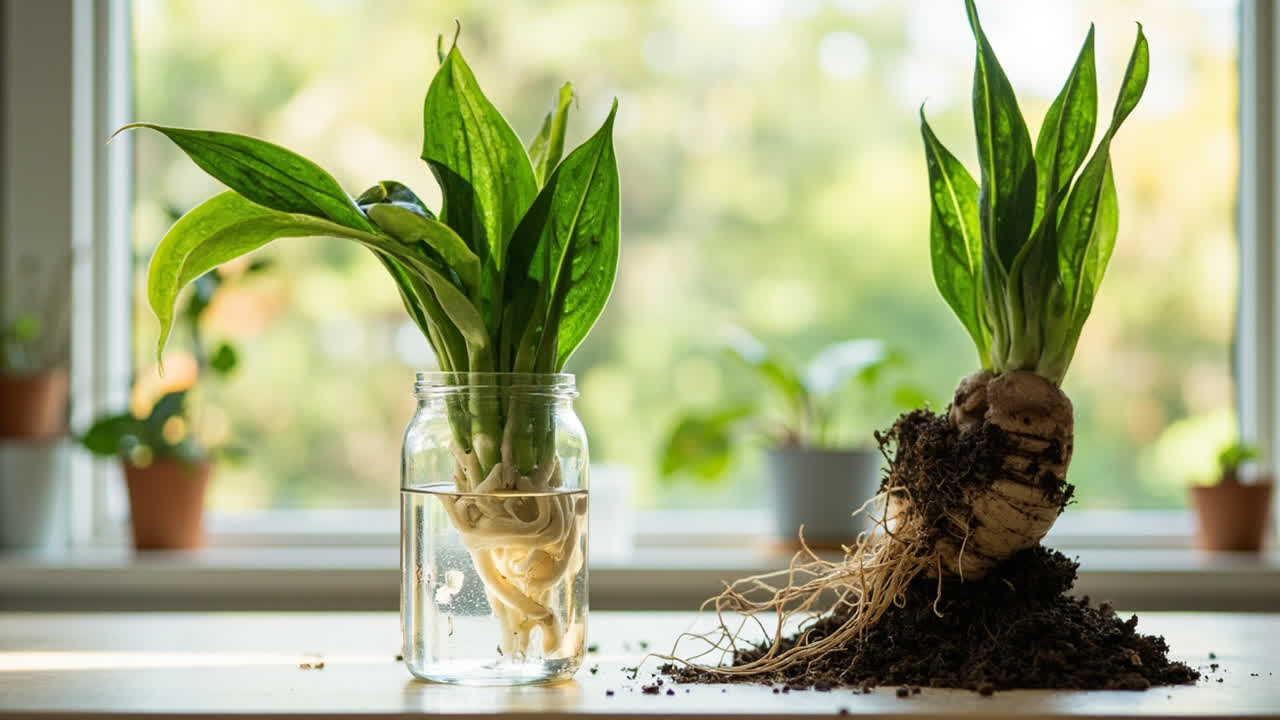
A small, compact variety that grows in a rosette formation — the leaves radiate outward from a central point rather than growing vertically. Typically 15 to 25 cm tall, with green leaves edged in yellow. Popular for desktops and small shelves. Produces offsets (pups) around the base that can be separated for propagation.
Specialty and Collector Varieties
Dracaena trifasciata ‘Bantel’s Sensation’
A distinctive variety with narrower leaves than the standard form, displaying white and green variegation in irregular vertical streaks. The leaves are more delicate-looking and grow more slowly than the common varieties. Requires more light than standard green forms to maintain the white variegation — in low light, the white sections may reduce. Considered a collector’s plant and priced accordingly.
Dracaena trifasciata ‘Black Gold’ (Black Gold Snake Plant)
Dark green leaves with a broad yellow or gold edge — essentially a darker, more dramatic version of the Laurentii. The contrast between the near-black green centre and the gold edge is striking. Grows similarly to the standard variegated form and shares the same care requirements.
Dracaena trifasciata ‘Silver Hahnii’
A rosette-forming variety similar to ‘Gold Hahnii’ but with silver-grey and green variegation instead of yellow and green. Compact growth habit, 15 to 20 cm tall, making it well suited to small spaces. The variegation tends to be more subtle than the gold variety, giving it a quieter, more sophisticated appearance.
Caring for Different Varieties
All snake plant varieties share the same core care requirements: very infrequent watering, fast-draining soil, and as much light as possible without direct afternoon sun. The main difference is that variegated and white-marked varieties need more light than solid green forms to maintain their colouring. In low light, variegated sections may reduce or disappear.
For the full care guide, see Snake Plant Care.
From Bank Statement to QuickBooks-Ready File
That manual cleanup you just read about? This tool skips it. Turn your PDF into QBO for QuickBooks without storing your data anywhere.
Start Converting