Buying a begonia should be a quick, enjoyable experience — but walk into any garden center and the variety can be overwhelming. Wax begonias, rex begonias, angel wings, canes, rhizomatous types — each has different care needs and different levels of beginner-friendliness. Picking the wrong one for your conditions is the #1 reason people fail with begonias. This guide helps you choose the right plant the first time.
The single most important principle: match the variety to your conditions, not just what looks pretty. A rex begonia with silver-spotted leaves might catch your eye, but if your apartment gets 40% humidity and north-facing light, it will struggle within weeks. A wax begonia in the same conditions will thrive. Here is how to shop smart.
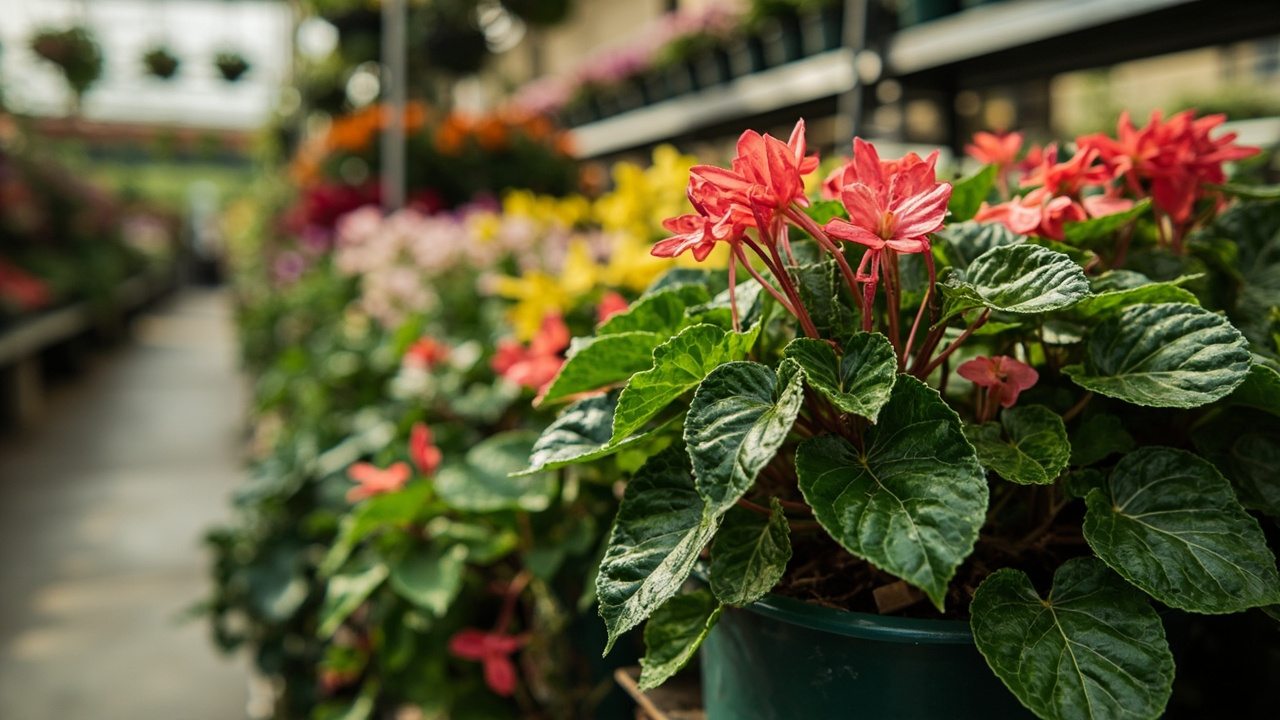
Begonia Purchase Guide: Which Type Matches Your Home?
Start with your light. This is the hardest variable to change, so get it right first.
Low light (north window, 2-3 hours of indirect light): Your best options are fibrous-rooted begonias and some rhizomatous types. Wax begonias (semperflorens) tolerate lower light better than any other group. Cane begonias like the Angel Wing variety also adapt reasonably well. Avoid rex begonias and tuberous types in low light — they will stretch, lose color, and decline.
Moderate light (east window, 3-5 hours of morning light): This is the sweet spot for most begonias. Rex, angel wing, cane, and rhizomatous types all do well here. You have the widest selection at this light level.
Bright light (south or west window, filtered): Cane begonias and wax begonias handle brighter conditions. Rex begonias need protection from direct sun — a sheer curtain or placement 3-4 feet back from the window works. Tuberous begonias also prefer bright but indirect light.
Next, consider humidity. If your home runs below 45% humidity in winter (most heated homes do), stick with wax begonias, cane begonias, or fibrous types. Rex and rhizomatous begonias want 50%+ and will show brown leaf tips in dry air unless you supplement humidity.
What to Check Before You Buy
Once you have identified the right type for your conditions, inspect the individual plant. Here is your checklist:
Leaves: Look for firm, upright leaves with good color. Yellowing on lower leaves is normal — plants shed old foliage. Yellowing on new growth is a warning sign. Brown leaf edges suggest the plant has been in dry air or over-fertilized. Avoid plants with spotted, mottled, or curling leaves — these can indicate pest or disease problems that will spread to your other plants.
Stems: Stems should be firm and upright. Soft, mushy stems at the soil line indicate early root rot. On cane begonias, check that the stems are not shriveled or wrinkled — this means the plant has been underwatered severely.
Roots (if visible): Healthy begonia roots are white or pale tan. If you can see roots through the drainage hole, avoid plants with dark brown or black roots. Gently lift the pot — if it feels unusually light, the root system may be minimal.
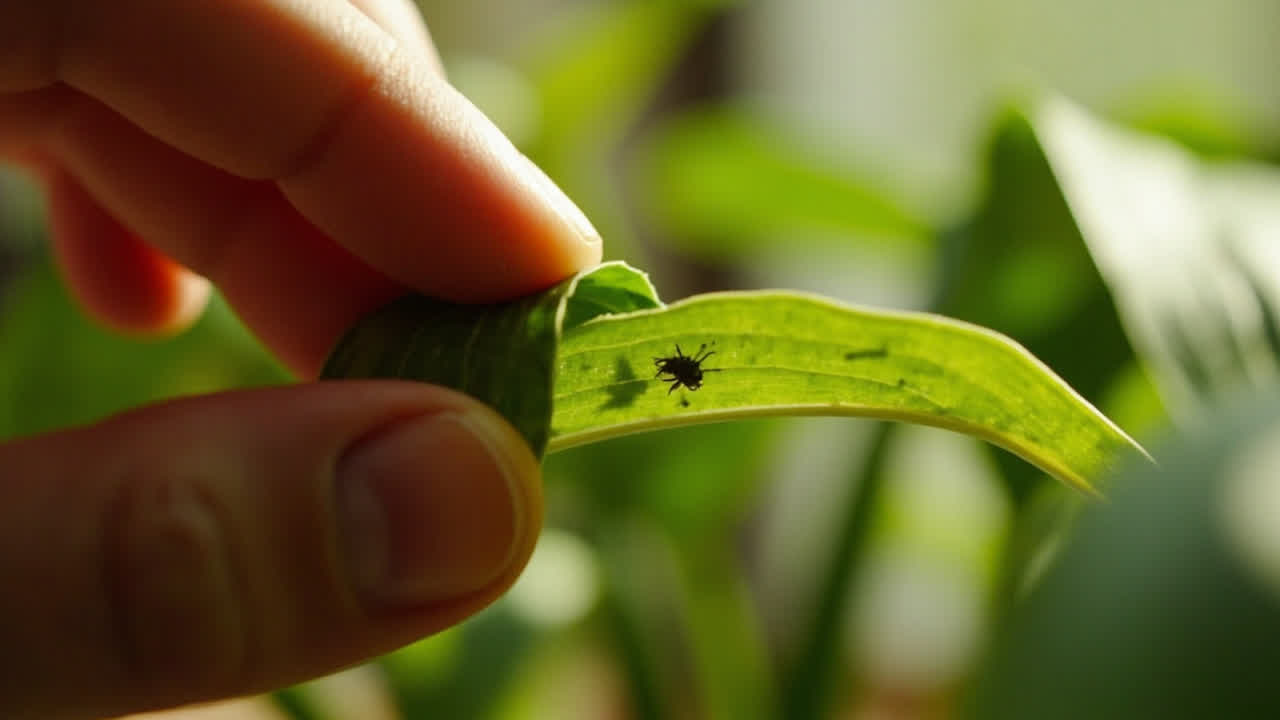
Pests: Check the undersides of leaves and where stems meet the soil. Look for tiny webs (spider mites), small cottony clusters (mealybugs), or sticky residue (aphids or scale). Any of these mean you should skip the plant.
Pot condition: A slightly root-bound plant is fine — begonias like snug pots. But if roots are growing out of the drainage hole in a dense mat, the plant is severely root-bound and will need immediate repotting. This is not a deal-breaker, but factor in the extra work.
Where to Buy Begonias and What to Expect
Garden centers and nurseries: The best source for healthy, acclimatized begonias. Staff can often identify the variety and give care advice. Expect to pay $8-20 for a 4-inch pot, $25-50 for 6-8 inch. Inspect carefully — garden center begonias are sometimes overwatered.
Grocery stores and hardware stores: Convenient but risky. These plants are often mass-grown and may have been sitting in shipping conditions for days. Prices are lower ($4-10 for 4-inch), but check for root rot, pests, and stress. If the plant looks healthy and the price is right, it can be a good deal. Once home, check it against our common problems guide to catch early warning signs.
Online specialty retailers: The best source for unusual varieties. Rex begonias, rare rhizomatous types, and compact hybrids are available from specialist growers. Expect to pay $15-40 for smaller plants plus shipping. Order in spring or fall — summer heat and winter cold stress plants during transit.
Plant swaps and cuttings: The cheapest option. Begonias propagate easily from stem and leaf cuttings. A healthy cutting from a friend’s plant costs nothing and acclimates faster than a nursery plant. Just inspect for pests before bringing it home.
Red Flags: When to Walk Away
Some begonias are not worth rescuing. Walk away from plants with:
- Soft, dark stems at the base: This is advanced root rot. The plant may look fine above ground but is already dying from below.
- Fungus gnats or mold on the soil surface: Indicates chronic overwatering. The roots are almost certainly damaged.
- Extensive pest infestation: A few bugs can be treated. A plant covered in mealybugs or spider mites will infect your other plants and is not worth the effort.
- Severe root bound with circling roots: The plant has been in the same pot too long and may not recover even with repotting.
- Winter purchases of tropical varieties: Buying a rex begonia in January when it has been shipped in cold conditions is risky. The plant may look fine but drop leaves weeks later from cold damage.
The honest trade-off: a cheap begonia from a hardware store might save you $10, but if it introduces pests to your collection or dies within a month, you have lost more than money. A healthy plant from a good nursery pays for itself in longevity.
First Week After Bringing Your Begonia Home
The transition from greenhouse to your home is the most vulnerable period. Here is how to minimize stress:
Do not repot immediately. Let the plant adjust to your light and humidity for 2-3 weeks. Repotting adds root stress on top of environmental stress.
Water lightly. The plant may have been watered recently at the store. Check the soil before adding more. Overwatering a newly purchased plant in its first week is the fastest way to trigger root rot.
Place in its permanent spot. Choose your location based on the light guidelines above and leave it there. Moving a plant between different light conditions repeatedly causes leaf drop.
Expect some leaf loss. 2-5 leaves dropping in the first week is normal. The plant is adjusting. If leaf loss continues past 2 weeks, reassess your watering and light.
Wait to fertilize. Do not fertilize for the first 4-6 weeks. The plant has enough nutrients from the nursery, and fertilizing a stressed plant burns roots.
With the right start, your begonia will settle in within 2-3 weeks. Our beginner guide and care guide walks through the first month in detail. and begin showing new growth. That is when you know you made the right choice.
Turn any PDF statement into a clean sheet
Skip the typos and the hours of copying. Our converter handles any bank statement format and outputs Excel, CSV, or QBO for QuickBooks. No file retention, free to try.
Convert your statement