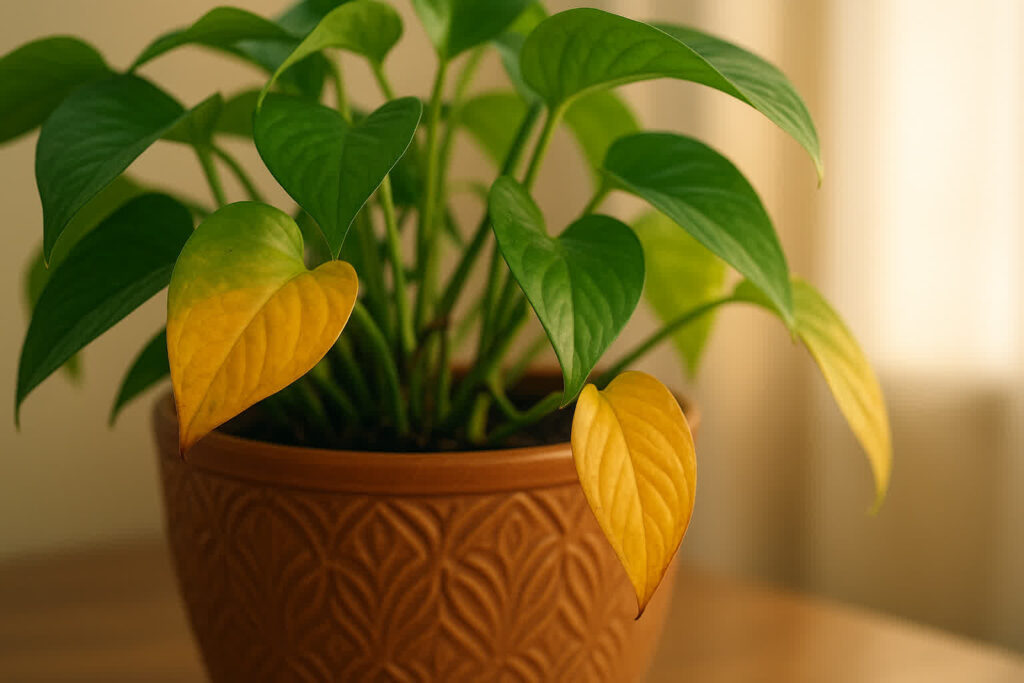
Yellow leaves on a pothos are the single most common concern new owners raise — and the most misunderstood. A yellow leaf does not automatically mean you are doing something wrong. Pothos plants regularly shed older leaves as they grow, and a few yellow leaves at the base of the vine is normal housekeeping. The problem starts when yellowing spreads to newer leaves, happens rapidly, or comes with other symptoms like soft stems or wet soil.
The most frequent cause of yellow leaves on pothos is overwatering. Pothos prefer to dry out between waterings, and when the soil stays wet for too long, roots begin to suffocate. They cannot deliver oxygen and nutrients to the foliage, and the plant responds by shedding leaves — starting with the oldest ones. If you are watering more than once a week in a 6-inch pot, you are likely overwatering.
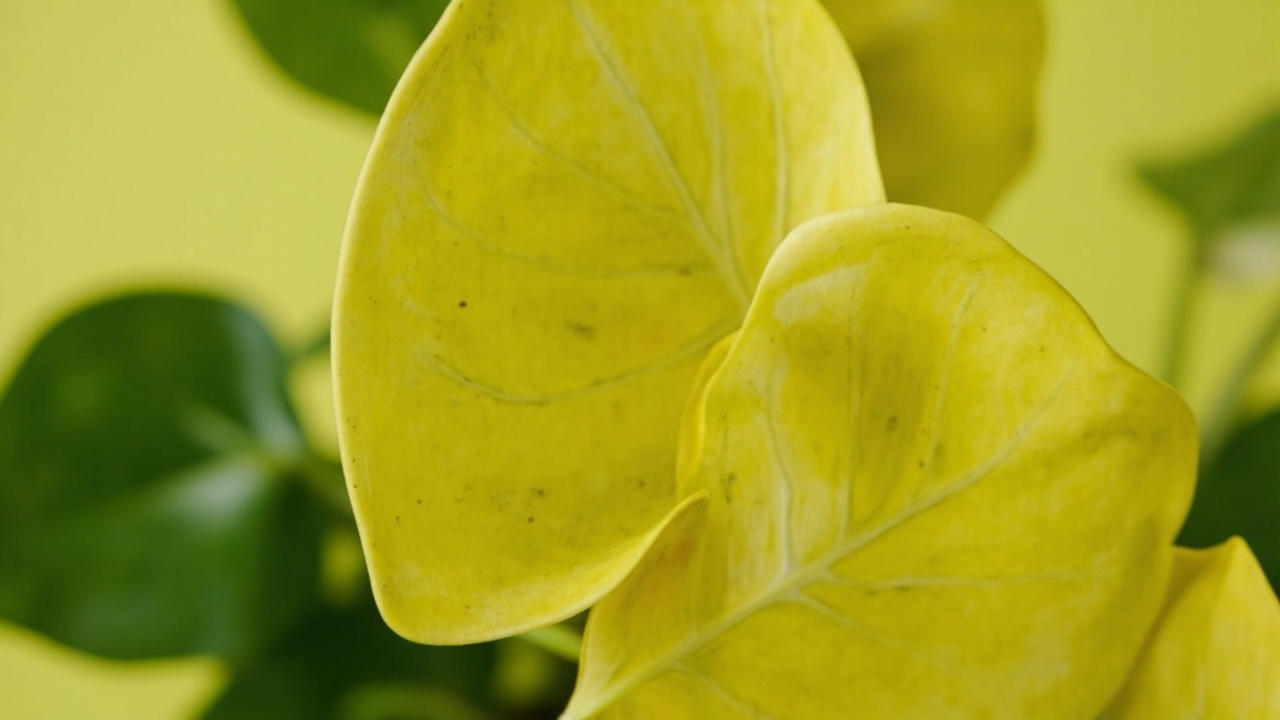
Diagnosing Yellow Leaves on Pothos
Before you change anything, look at which leaves are yellow and what the soil feels like. This tells you the cause.
Before you change anything, look at which leaves are yellow and what the soil feels like. This tells you the cause.
Older, lower leaves yellowing slowly: This is normal senescence. Our pothos care guide covers the full year-round routine.. The plant is reallocating resources to new growth. Pluck them off and carry on. If only 1-2 leaves per month are yellowing at the base, your pothos is healthy.
Multiple leaves yellowing at once, including newer growth: Check the soil. If it is wet or soggy 1 inch below the surface, overwatering is the cause. If the soil is dry and the pot feels light, the plant may be underwatered — pothos leaves turn yellow and crispy when severely dehydrated.
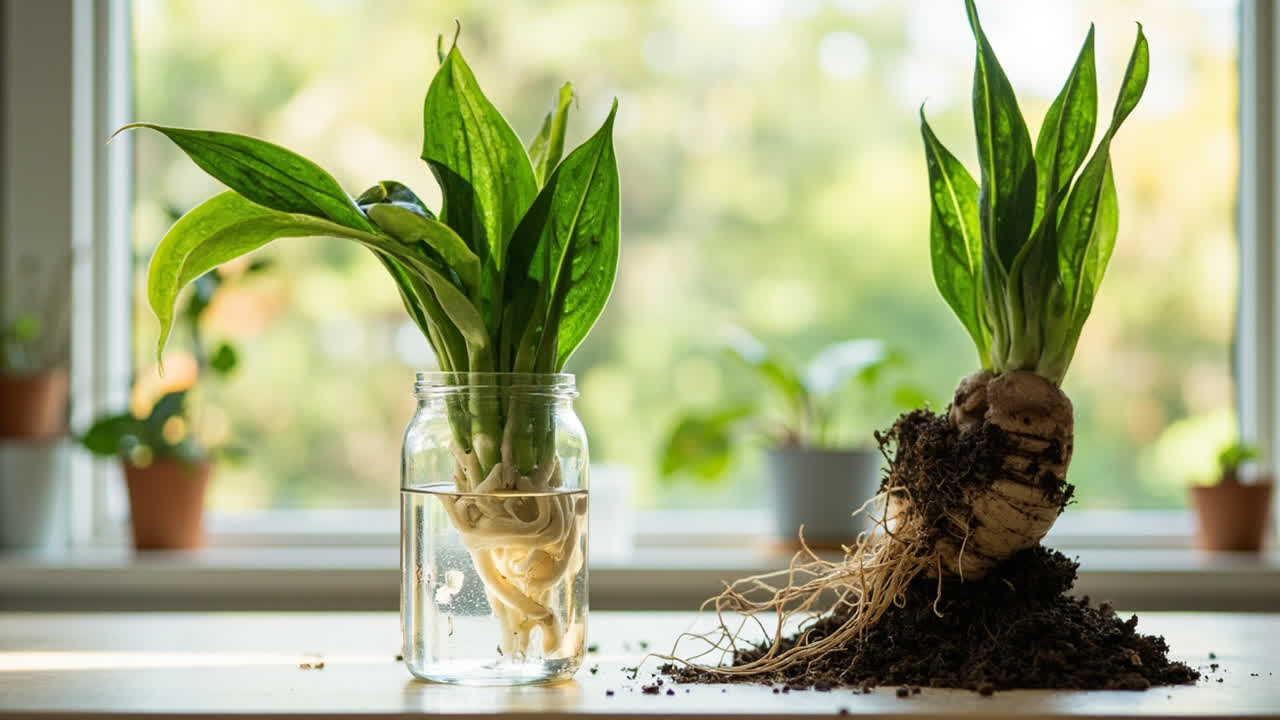
Yellow leaves with brown, mushy spots: This is a sign of root rot. Remove the plant from the pot and inspect the roots. Healthy pothos roots are white or pale tan. Brown, mushy, or black roots mean rot has started.
Yellow leaves with pale, washed-out color: Too much direct sunlight. Pothos leaves scorch and yellow in intense light. Move the plant back from the window or filter the light.
How to Fix Yellow Leaves
Once you have identified the cause, take the right action. Here are the most common fixes.
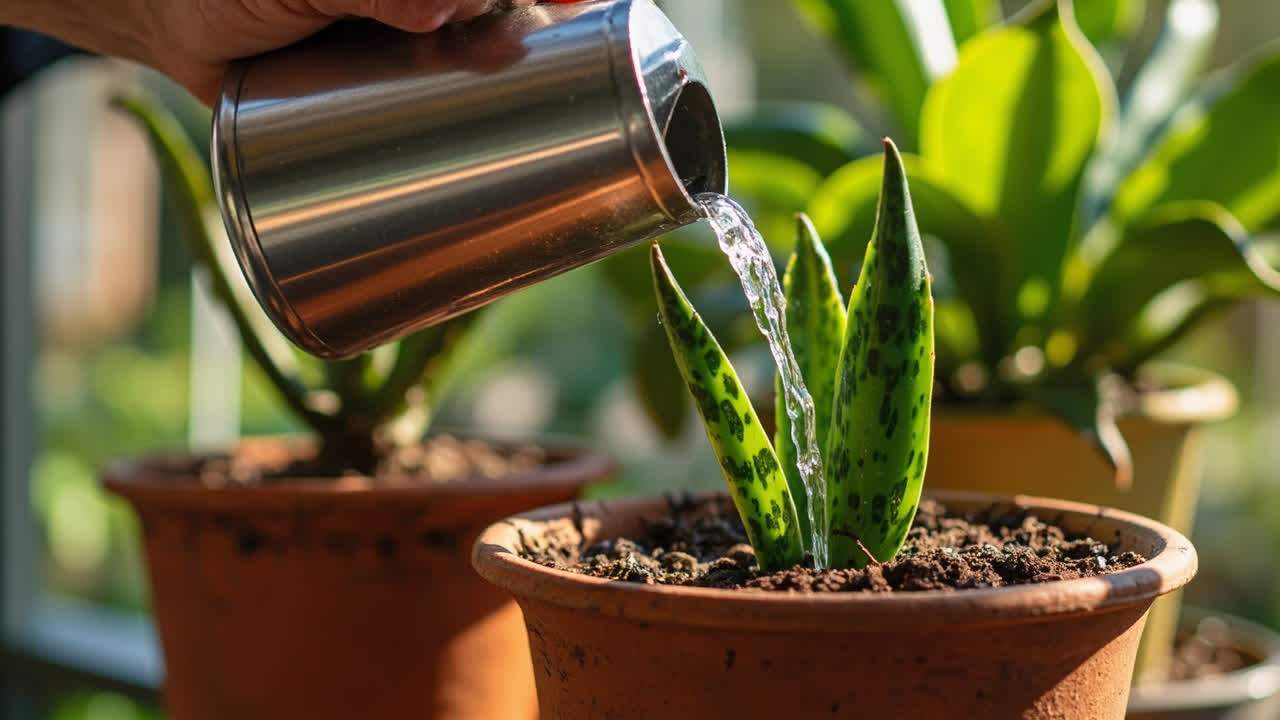
If overwatering: Stop watering immediately. Let the soil dry out completely — this may take 1-2 weeks depending on pot size and room temperature. Remove any yellow or damaged leaves. If the roots are brown and mushy, trim the affected roots, repot in fresh well-draining soil, and water lightly. Going forward, water only when the top 2 inches of soil feel dry. In a 6-inch pot at 70°F (21°C), this typically means every 7-10 days. See the pothos watering guide for seasonal adjustments..
If underwatering: Water thoroughly until water runs out the drainage holes. If the soil has become hydrophobic (water runs straight down the sides without soaking in), submerge the entire pot in a bowl of water for 30 minutes to rehydrate. Resume normal watering when the top 2 inches are dry.
If root rot: Remove the plant from the pot. Wash the roots gently under lukewarm water. Trim all brown, mushy, or black roots with clean scissors. Repot in fresh soil with good drainage — add perlite or orchid bark to the mix for extra aeration. Water very lightly for the first 2 weeks while the root system recovers. Do not fertilize until you see new healthy growth.
If too much light: Move the pothos to a spot with bright indirect light. An east-facing window or 3-4 feet back from a south window works well. Scorched leaves will not recover — trim them off. New growth will be healthy if the light is corrected.
Preventing Future Yellow Leaves
The best prevention is a consistent watering routine based on soil moisture, not a calendar. Check the soil with your finger every 3-4 days. Water when the top 2 inches feel dry. In winter, this may stretch to every 14 days. In summer, it may shrink to every 5 days.
When Yellow Leaves Mean Something More Serious
Sometimes yellow leaves are a symptom of a bigger problem. If you have corrected your watering and light but yellowing continues, check for root rot, pests, or nutrient deficiency. Root rot is the most serious — if the base of the stem is soft and brown, the plant may not recover. Pests like spider mites and mealybugs can also cause widespread yellowing. Inspect the undersides of leaves with a magnifying glass. Nutrient deficiency (usually nitrogen) causes uniform yellowing of older leaves and can be resolved with a balanced liquid fertilizer.
If more than 50% of the leaves are yellow and the plant is wilting despite correct watering, it may be time to take cuttings and start fresh. Pothos propagate easily in water — a 4-4 inch stem cutting with 2-3 nodes will root in 7-14 days. This is a valid last resort when the parent plant is too far gone.
The best prevention is a consistent watering routine based on soil moisture, not a calendar. Check the soil with your finger every 3-4 days. Water when the top 2 inches feel dry. In winter, this may stretch to every 14 days. In summer, it may shrink to every 5 days.
Make sure your pot has drainage holes and never let the pot sit in standing water. Use a well-draining potting mix — standard houseplant mix with 20-30% perlite added works well for pothos.
Fertilize lightly during active growth (spring and summer) — once every 4-6 weeks at half strength. Do not fertilize in winter when growth slows. Excess fertilizer can cause leaf yellowing and tip burn.
Finally, accept that some leaf loss is normal. A healthy pothos grows fast and sheds old leaves. If your pothos is declining overall, the save dying pothos guide walks through emergency recovery. to focus energy on new vines. If your plant is producing new leaves and the vine is elongating, a few yellow leaves are nothing to worry about.
From Bank Statement to QuickBooks-Ready File
That manual cleanup you just read about? This tool skips it. Turn your PDF into QBO for QuickBooks without storing your data anywhere.
Start Converting