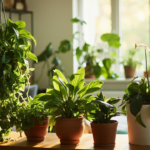
Begonias and anthuriums are both popular flowering houseplants that deliver dramatic indoor color — but they go about it in completely different ways. Begonias offer incredible foliage variety and tolerate lower light. Anthuriums produce long-lasting, waxy flowers and need more attention but reward with months of bloom. Choosing between them comes down to your light, your patience, and what you want from an indoor plant.
The quick verdict: if you want a plant that forgives occasional neglect and does not need perfect conditions, go with a begonia. If you are willing to maintain higher humidity and brighter light in exchange for striking, almost artificial-looking flowers, an anthurium is worth the effort. Here is how they compare across the factors that matter most.
Begonia vs Anthurium: Appearance and Variety
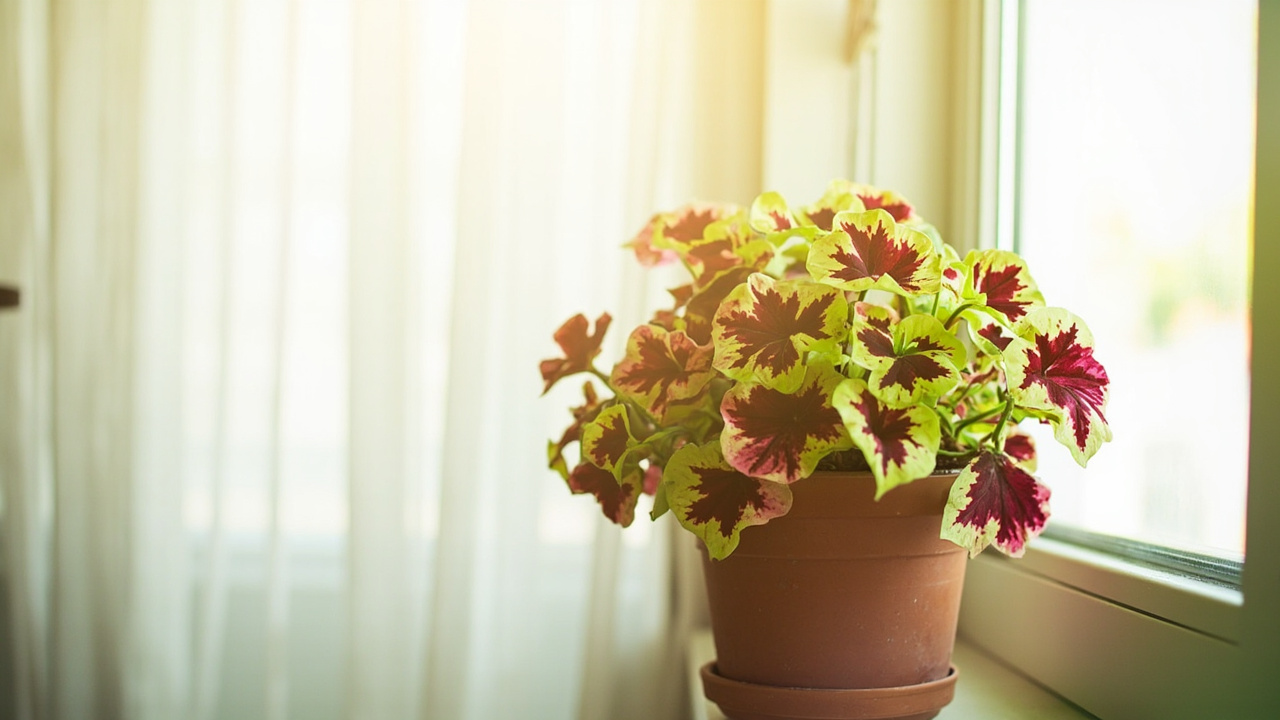
Begonias are primarily foliage plants. The most popular indoor types — rex, angel wing, cane, and rhizomatous — are grown for their spectacular leaves. Rex begonias come in swirling patterns of silver, purple, pink, and green. Angel wing begonias have dotted, wing-shaped leaves and clusters of delicate flowers. Cane begonias grow tall with bamboo-like stems and can reach 4-5 feet indoors. The flowers on most begonias are small and secondary to the foliage.
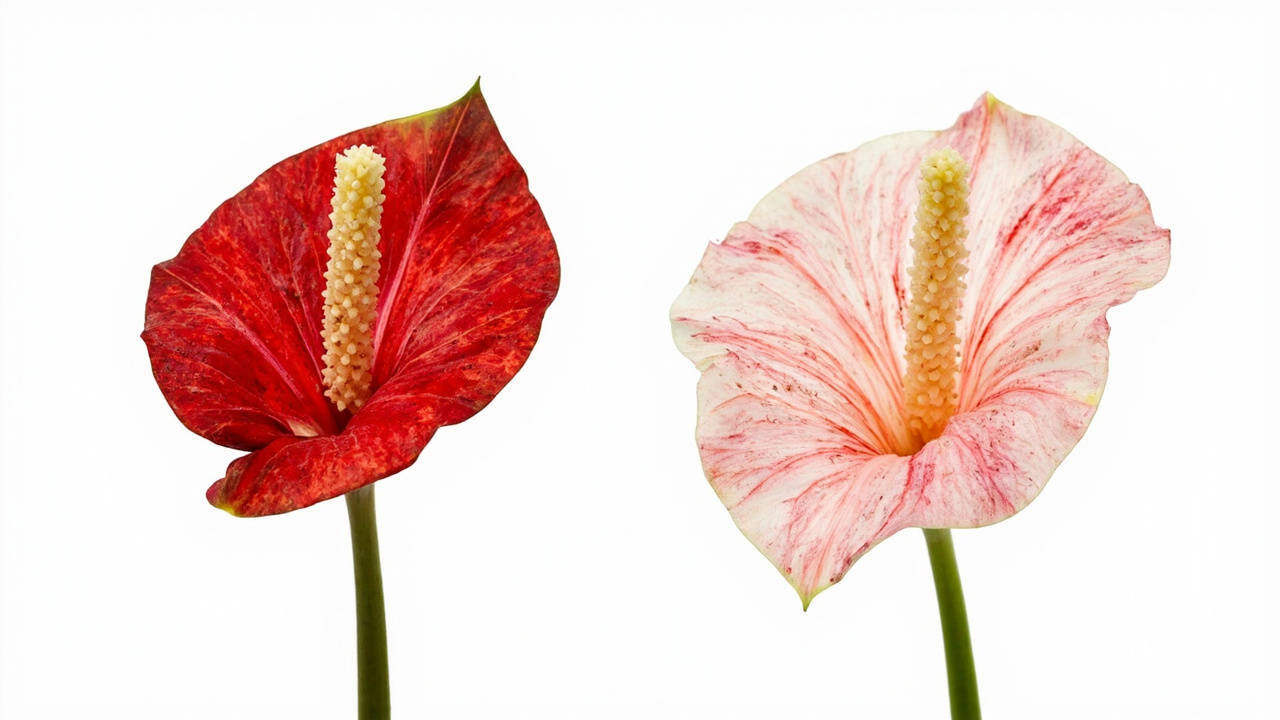
Anthuriums are flower-first plants. The signature bloom is a waxy, heart-shaped spathe (usually red, pink, or white) surrounding a yellow spadix. These flowers can last 2-3 months each, and a healthy plant produces them year-round in the right conditions. The foliage is glossy and dark green — attractive but less varied than begonias. If you want a living bouquet, anthuriums deliver. If you want a plant that looks like art, begonias win.
Light and Water: The Biggest Differences
This is where the two plants diverge most sharply. Begonias prefer bright indirect light but tolerate conditions from an east window to a north-facing room. Direct sun scorches their leaves within an hour. Anthuriums need brighter light — ideally 8-10 hours of bright indirect or filtered direct light — to flower consistently. In low light, anthuriums survive but stop blooming entirely.
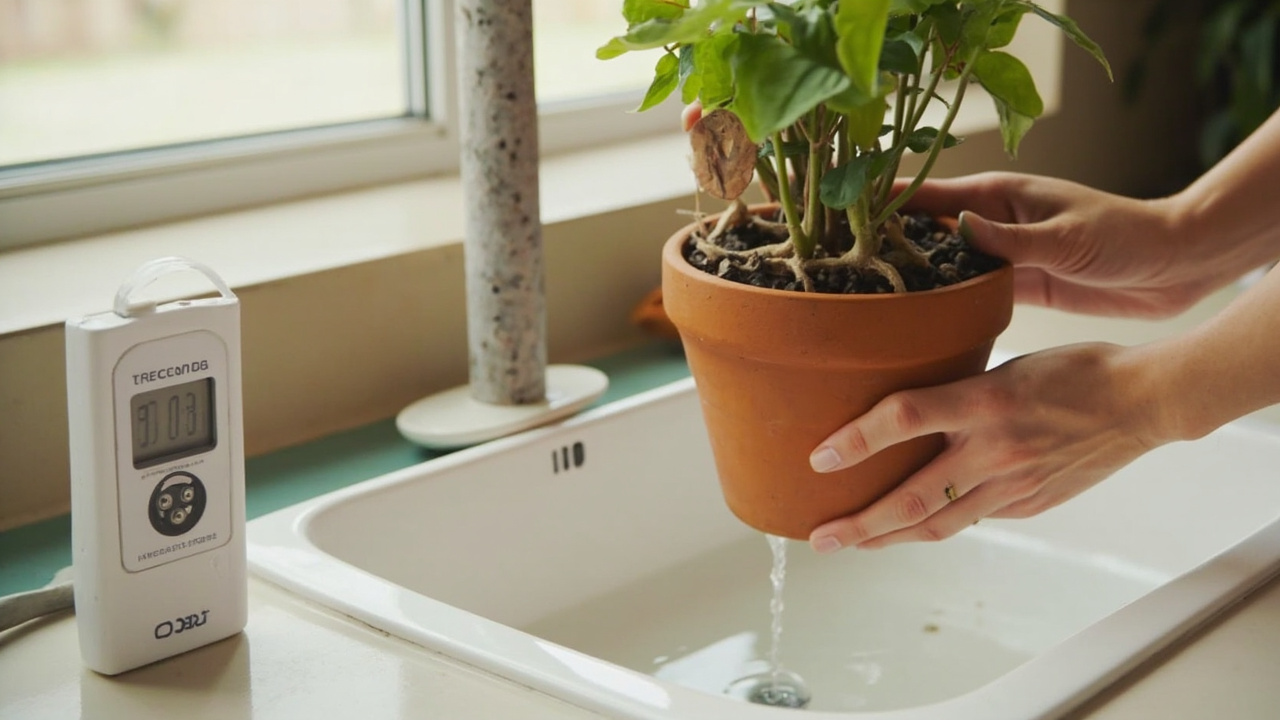
Watering needs are similar in frequency but different in tolerance. Both like consistent moisture with good drainage. Begonias are more forgiving of a missed watering — they wilt visibly when thirsty but recover quickly. Anthuriums are less dramatic about drought but more sensitive to overwatering. Root rot is the #1 killer of indoor anthuriums. If you tend to overwater, a begonia is the safer choice.
A practical benchmark: in a 6-inch pot at 70°F (21°C), both plants typically need watering every 5-7 days in summer and every 10-14 days in winter. Our begonia watering guide covers seasonal adjustments. Always check the top inch of soil before watering.
Humidity, Temperature, and Difficulty
Both plants are tropical and prefer humidity above 50%. Begonias tolerate 40-50% indoor humidity without complaint, though leaf tips may brown in very dry air. Anthuriums want 60-70% and will drop flower buds if the air is too dry. If your home runs below 45% humidity in winter, a begonia is the more realistic choice unless you are willing to run a humidifier.
Temperature ranges overlap. Both thrive at 65-80°F (18-27°C) and suffer below 55°F (13°C). Neither tolerates cold drafts. Anthuriums are slightly more sensitive to temperature swings — a sudden drop below 50°F (10°C) can cause leaf drop that takes weeks to recover from.
Overall difficulty: begonias rate as moderate. Anthuriums rate as moderate to high. The difference is that anthuriums need more things right at the same time — light, humidity, and drainage — while begonias forgive one or two suboptimal conditions.
Cost, Availability, and Longevity
Begonias are widely available and inexpensive. A 4-inch rex or angel wing begonia costs $5-15 at most garden centers. Larger cane begonias in 8-10 inch pots run $20-40. They are easy to find at grocery stores, hardware stores, and plant shops alike.
Anthuriums are pricier and harder to find. A 4-inch anthurium typically costs $15-30, and larger specimen plants can run $50-100. Specialty varieties (like the velvety, dark-leaved Queen anthurium or the compact Spiral Red) are collector items that sell for $75-200. They are available at specialty plant shops and online retailers but rarely at big-box stores.
Longevity: both can live for years indoors with proper care. Begonias are longer-lived as a general rule — a well-cared-for cane begonia can thrive for 5-10 years. Anthuriums typically last 3-5 years indoors before declining, though some specimens persist much longer.
Begonia or Anthurium: Which Should You Choose?
Choose a begonia if you have moderate light (east or north windows), want a plant that tolerates typical indoor humidity, prefer foliage variety over flowers, or are a beginner looking for a forgiving first tropical. Wax begonias and cane begonias are the most foolproof options.
Choose an anthurium if you have bright light (south or west windows with filtering), can maintain 55-65% humidity, want long-lasting flowers, and are willing to pay more for a statement plant. The Flamingo Lily (Andraeanum group) is the most widely available and forgiving anthurium variety.
If you cannot decide, start with a begonia. They are cheaper, more forgiving, and give you a feel for tropical plant care. Graduate to anthuriums once you have your humidity and watering routine dialed in. Many experienced indoor gardeners eventually grow both — begonias for foliage impact, anthuriums for floral drama.
Quick Reference: Begonia vs Anthurium at a Glance
| Factor | Begonia | Anthurium |
|---|---|---|
| Primary appeal | Foliage | Flowers |
| Light needs | Moderate (east/north) | Bright (south/west) |
| Water frequency | Every 5-7 days | Every 5-7 days |
| Humidity tolerance | 40-50% | 55-70% |
| Difficulty | Moderate | Moderate-High |
| Cost (4-inch) | $5-15 | $15-30 |
| Flower duration | Seasonal | 2-3 months each |
| Lifespan indoors | 5-10 years | 3-5 years |
From Bank Statement to QuickBooks-Ready File
That manual cleanup you just read about? This tool skips it. Turn your PDF into QBO for QuickBooks without storing your data anywhere.
Start Converting